

Home Waterproofing Complete Guide: Essential Steps for Bathroom, Kitchen, Balcony, and Basement Leak Prevention in Renovation Projects
Waterproofing is one of the most critical hidden projects in home decoration. Properly executed waterproofing prevents issues like wall peeling and furniture mold.
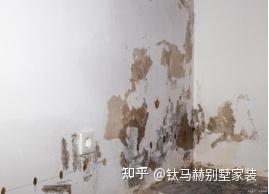

Different areas require specific waterproofing approaches during home renovation. Common zones include bathroom, kitchen, balcony, terrace, and basement.
Key steps include: filling electrical and plumbing grooves with cement mortar, creating a waterproof barrier at doorways to prevent overflow, and wetting walls and floors before applying coatings to avoid absorption.
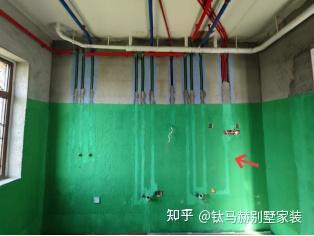
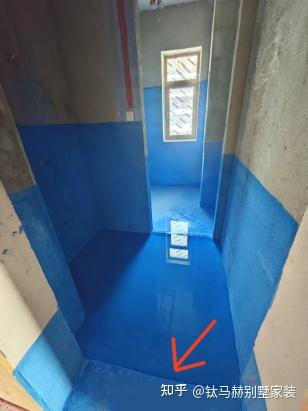
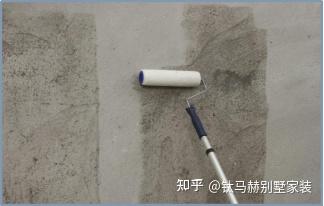
Waterproofing should be done after demolition and electrical work, without further damage to the layer. Steps involve: base leveling and cleaning, slope creation to avoid water accumulation, sealing corners and pipes with leak-stopping compounds, applying 2-3 coats of waterproof coating with drying intervals, and conducting a 48-hour water test with 2cm water depth to check for leaks.
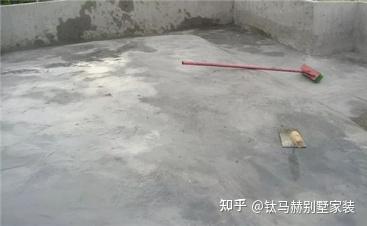
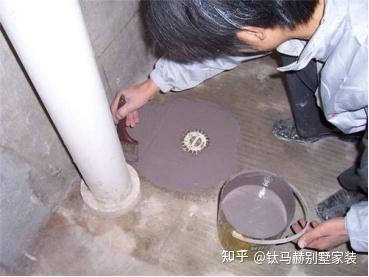
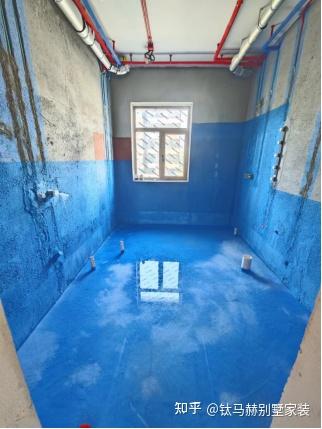
Application guidelines: full floor coating in kitchen, bathroom, and balcony; 300mm on kitchen walls and up to windowsill for sinks; 1200mm height and 1000mm width for basins; 1800mm height and 1200mm width in shower areas, with 900mm on adjacent walls at corners; and 1800mm if bathroom backs a wardrobe.
 WhatsApp contact me online