

Expert Guide to Exterior Wall Leakage Repair: Waterproofing Solutions for Residential Buildings and Property Maintenance Tips
One question a day, today answering yours.
Exterior wall leakage can be effectively addressed by demolishing and redoing waterproofing, but in community residential buildings, property management may only take responsibility for safety issues like loose tiles, not leaks. They might apply basic exterior waterproof coating superficially, especially for new homes under warranty, with little motivation for older properties.
Your leakage is your concern—safety is shared, but life is personal. If property management ignores it, find your own solution. Avoid demolishing exterior walls due to safety risks. For homes on the third floor or lower, where scaffolding is feasible, consider demolition and redoing.
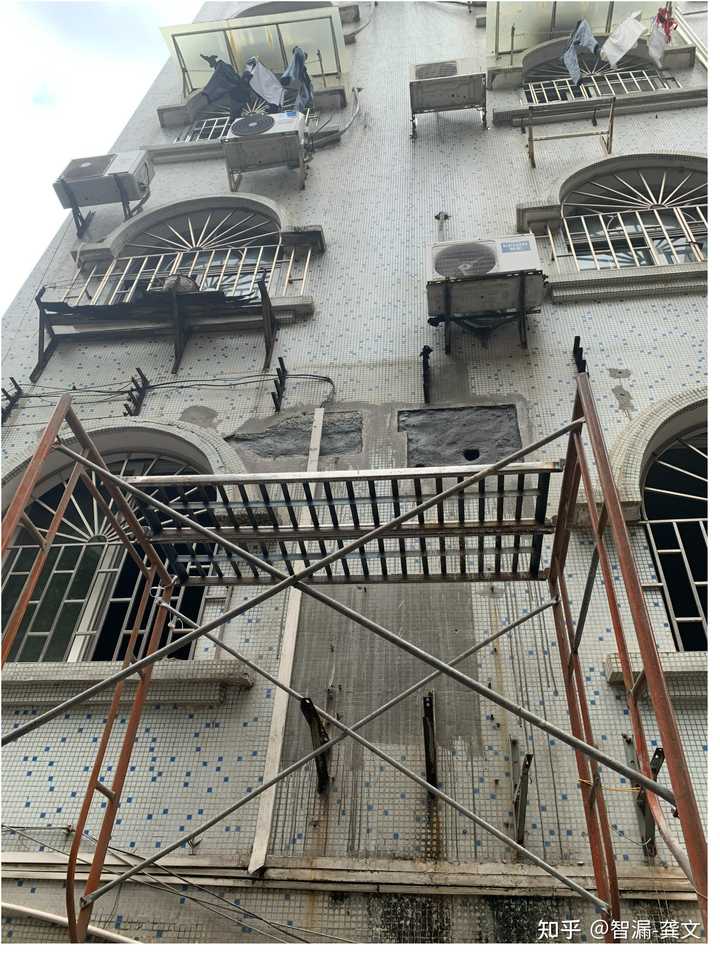
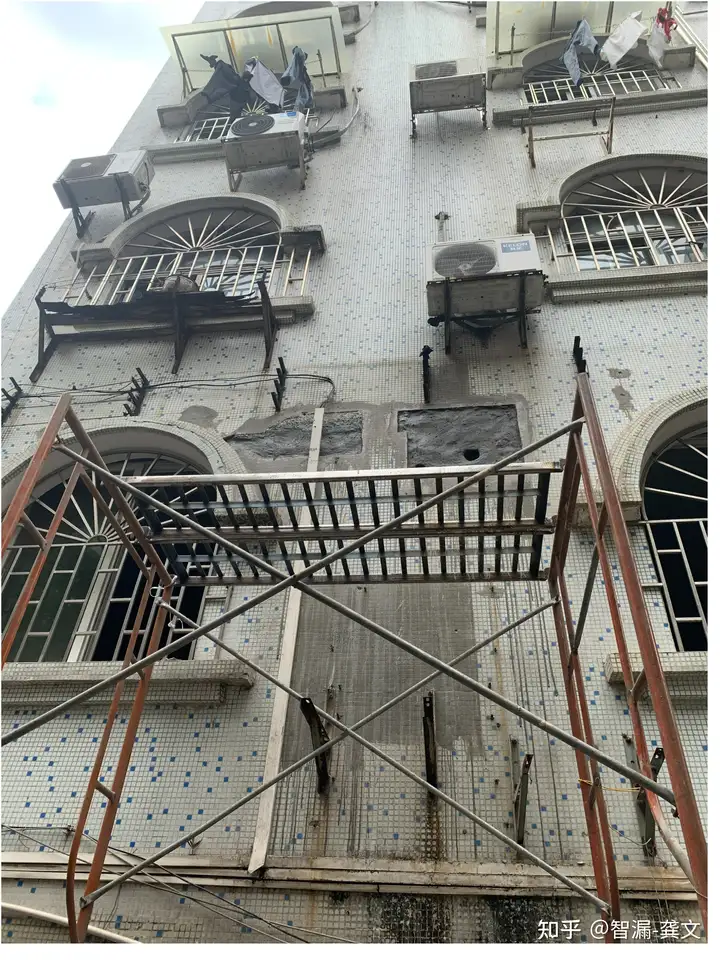
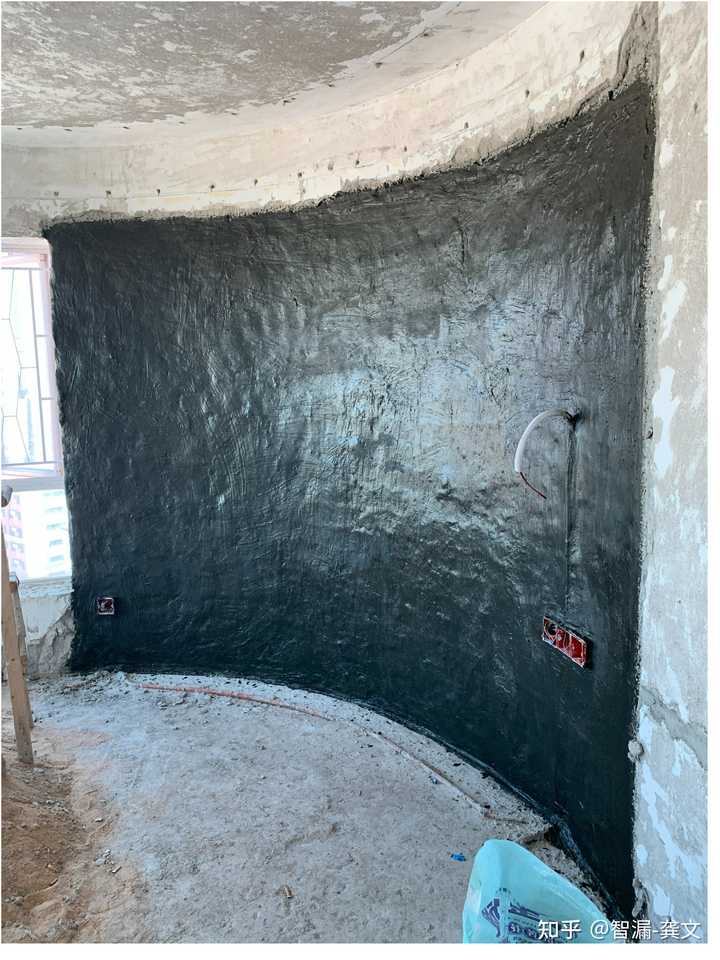
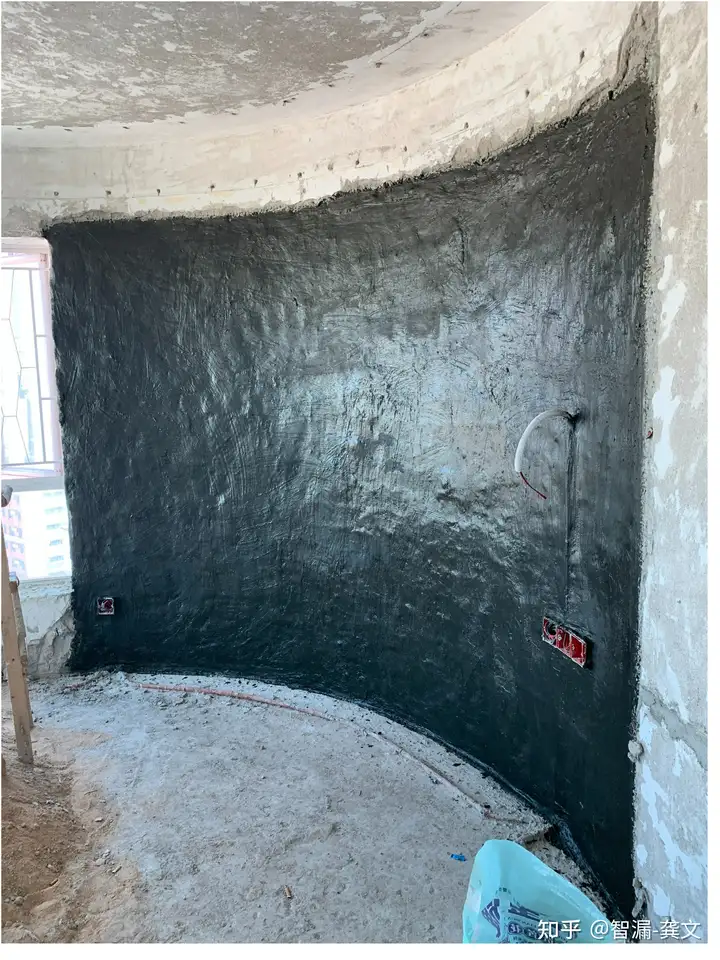
For higher floors, adopt a comprehensive approach: combine exterior and interior methods with rigid and flexible solutions. Externally, use rope-based high-altitude work to fill cracks and apply waterproof glue overall. Choose weather-resistant products and follow manufacturer instructions strictly—don’t skip coats if required.
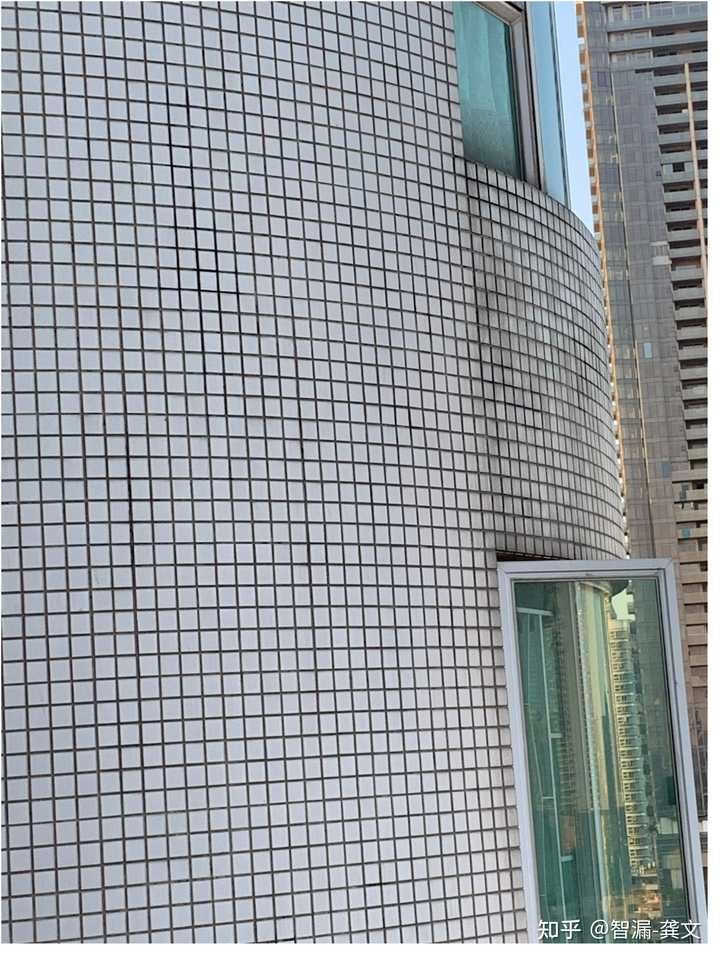
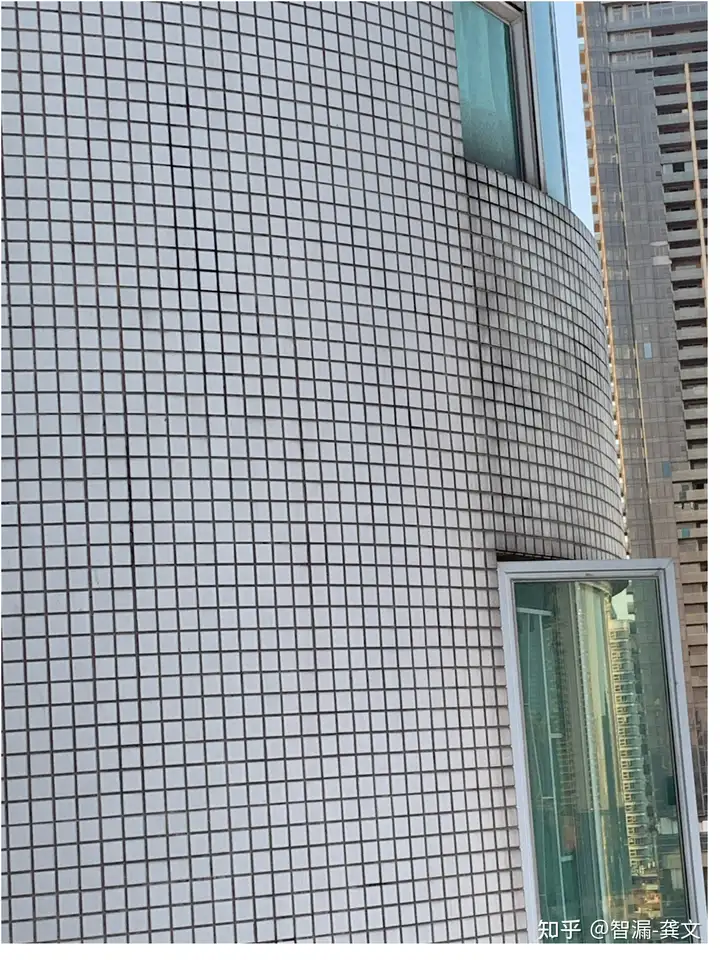
Internally, implement back-surface waterproofing as a backup. Why is this necessary? Even with exterior coating, water can seep from upper floors through cracks, as shown in images.
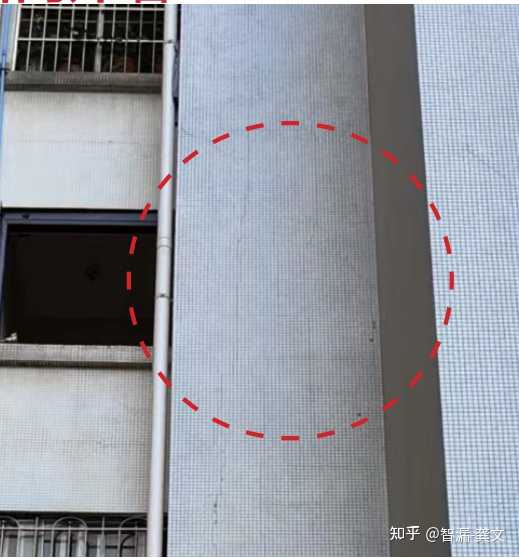
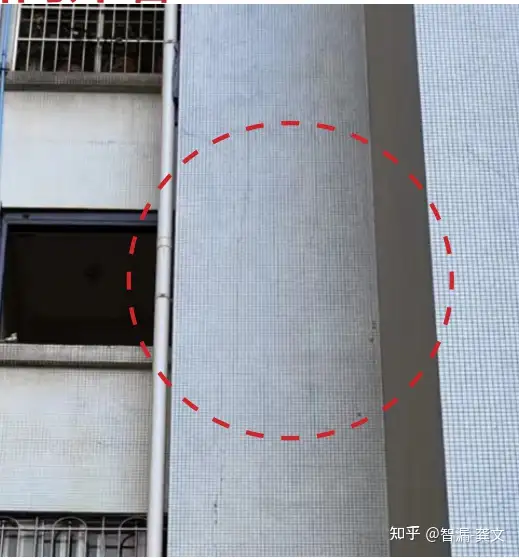
The circled area in the image corresponds to leakage points, revealing extensive cracks. Coating only your floor or a few above isn’t enough—water can infiltrate from higher levels. For tall buildings, full exterior coating isn’t practical, so interior waterproofing is essential. Exterior materials degrade over time, so rely on interior defenses against rainwater.
Note: For top-floor leaks with downward interior water trails, check the roof in addition to exterior walls. Leakage is complex; accurate diagnosis ensures effective solutions.
 WhatsApp contact me online