
Comprehensive Comparison: Key Differences Between 1000 RMB and 3000 RMB Toilets in Material Quality, Flushing Systems, and Smart Features for Better Home Choices
What is the Difference Between 1000 RMB and 3000 RMB Toilets?
When buying a toilet for the first time without experience, I purchased one recommended by the salesperson as cheap and cost-effective, but it broke down soon after. That’s when I realized the importance of understanding toilet materials.
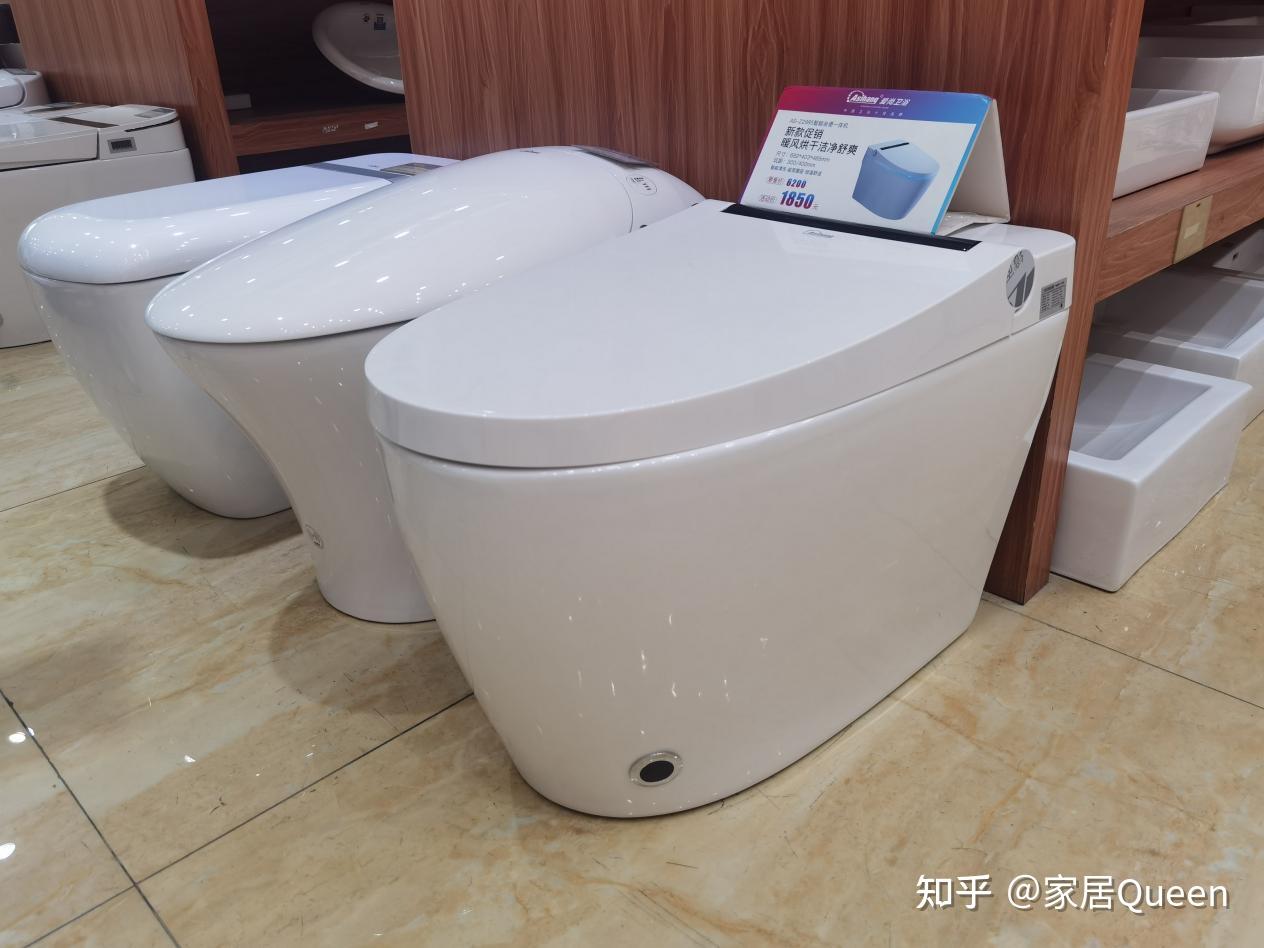
Toilets priced at a few hundred RMB may seem functional, but they have a shorter lifespan and are made from rougher materials. However, toilets above 1000 RMB show a significant improvement in quality.
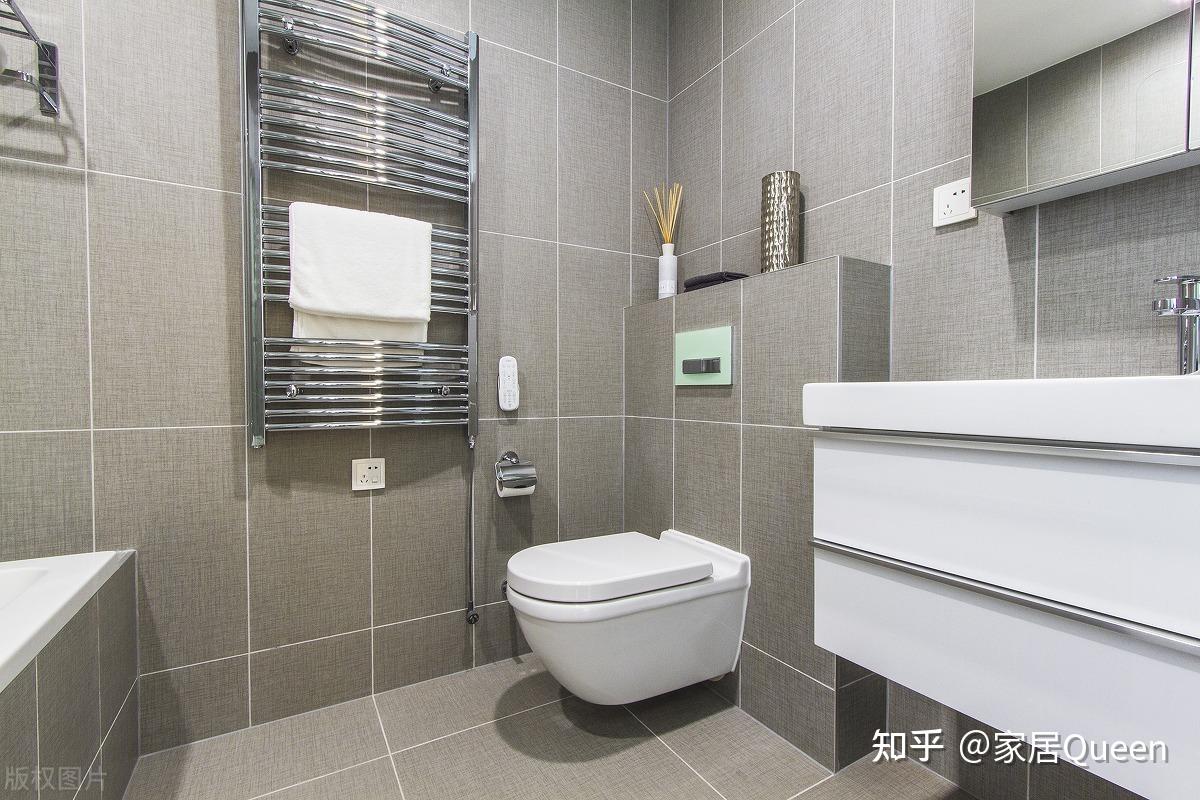
After replacing my toilet three times, I finally understood the distinctions between 1000 RMB and 3000 RMB toilets, and the results were eye-opening.
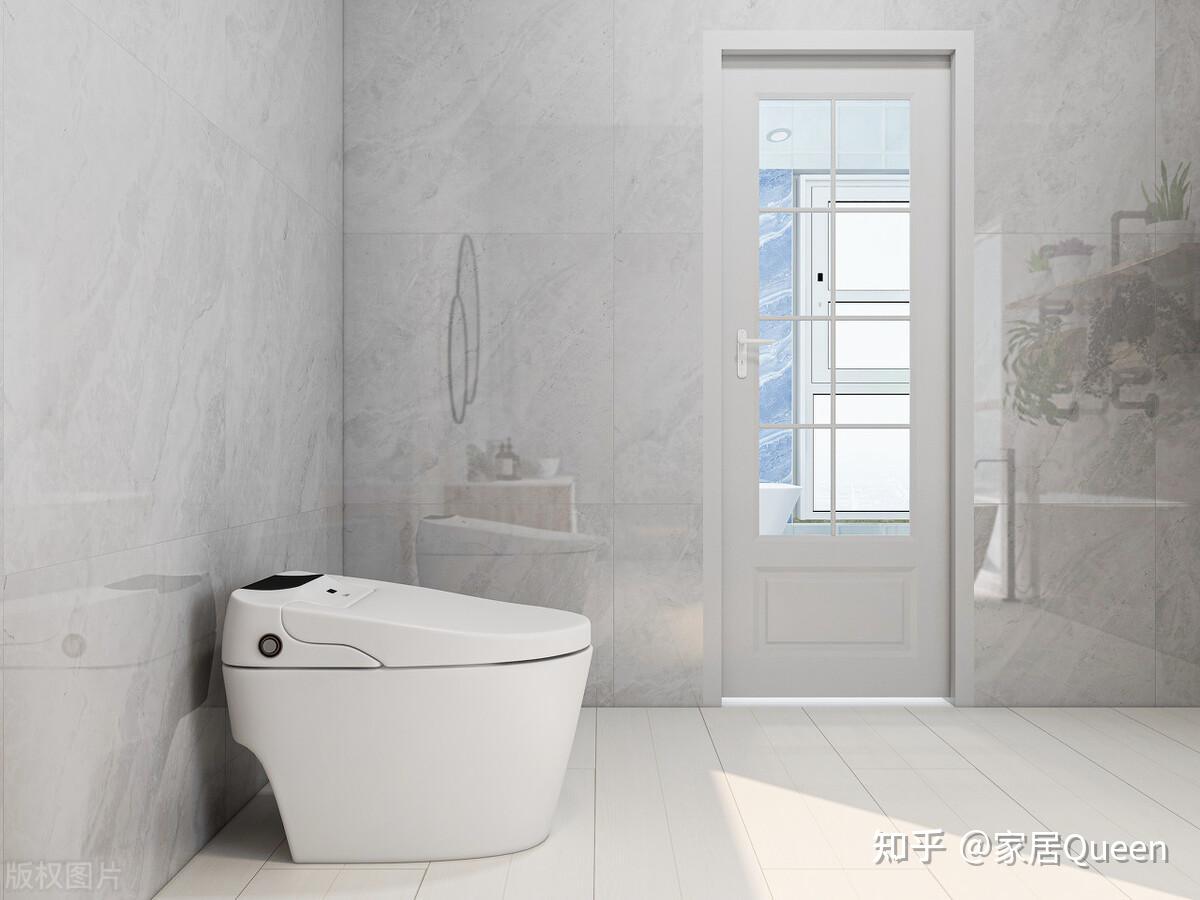
Initially, I didn’t realize how big the differences were between toilets, but after learning more, the most obvious distinction is quality, which can be seen from the weight.
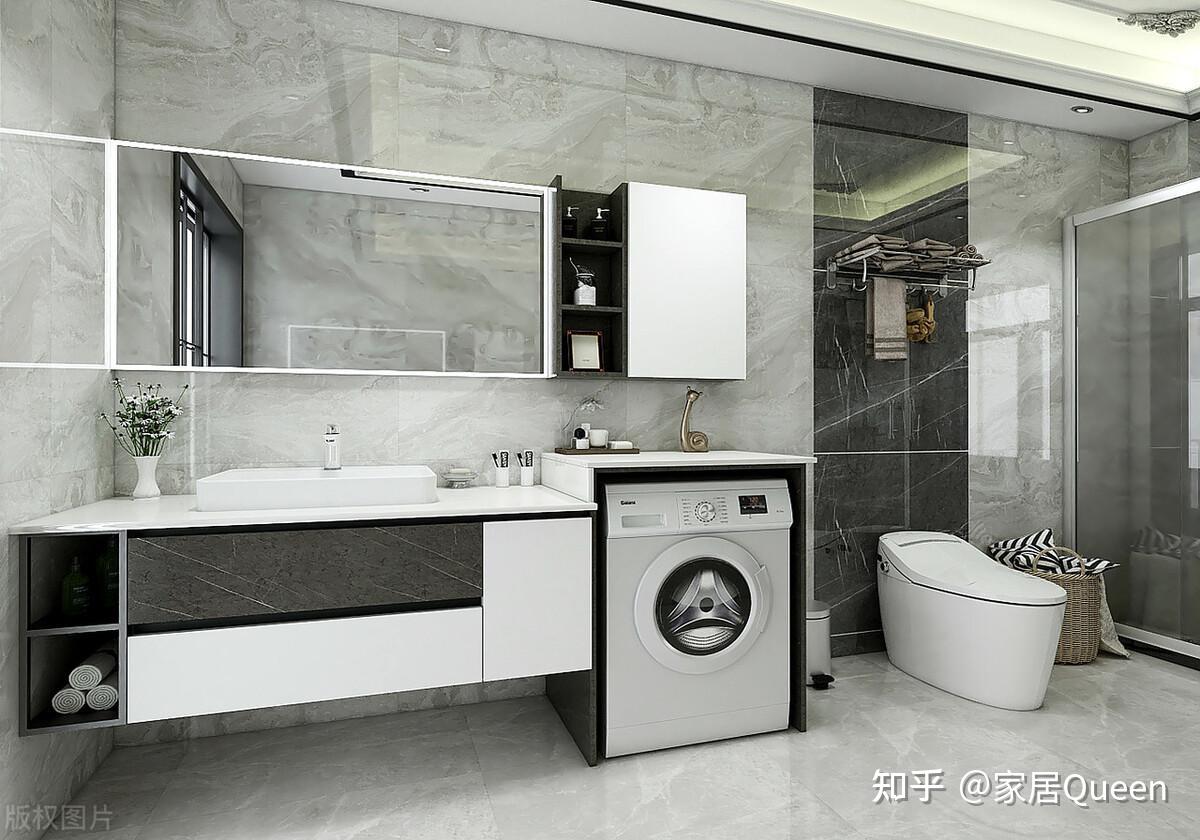
Many toilets around 1000 RMB or below do not meet weight standards, making them lighter and more prone to damage, especially with thin toilet seats.
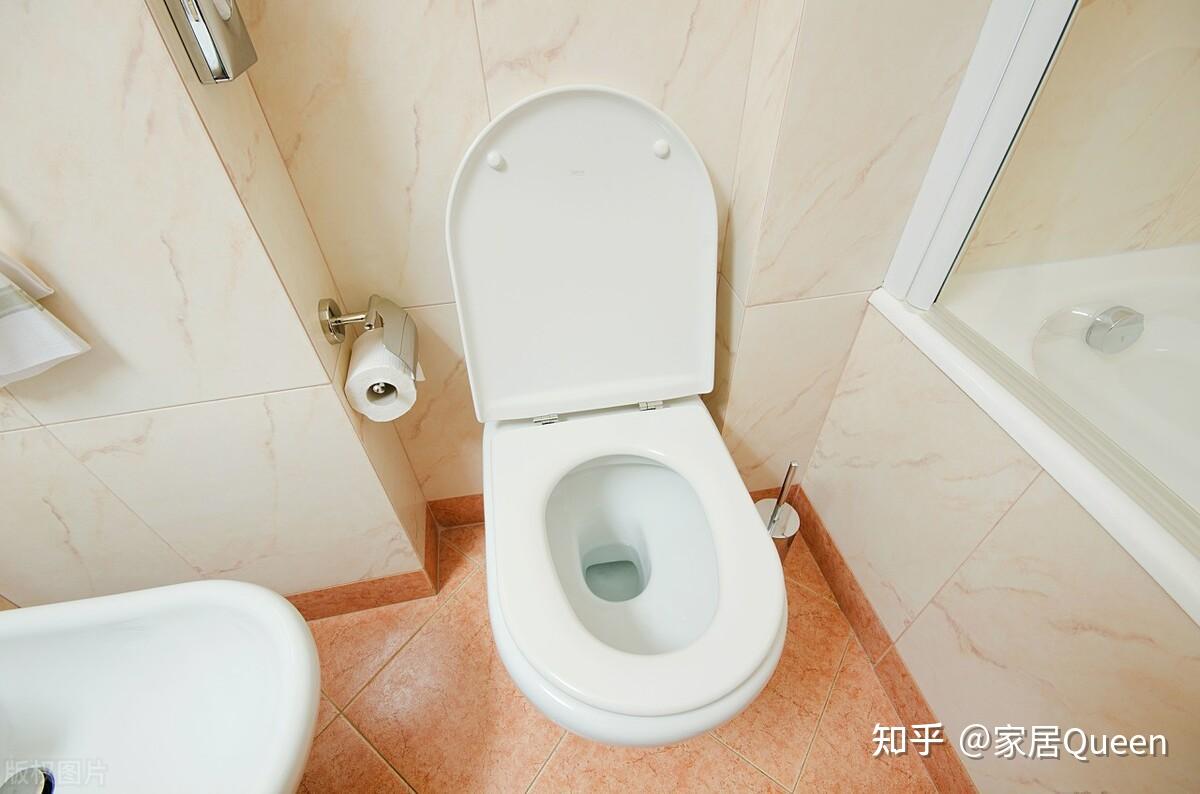
Some toilets develop yellowing on the seat after a short time, while others crack in half when sat on after prolonged use.
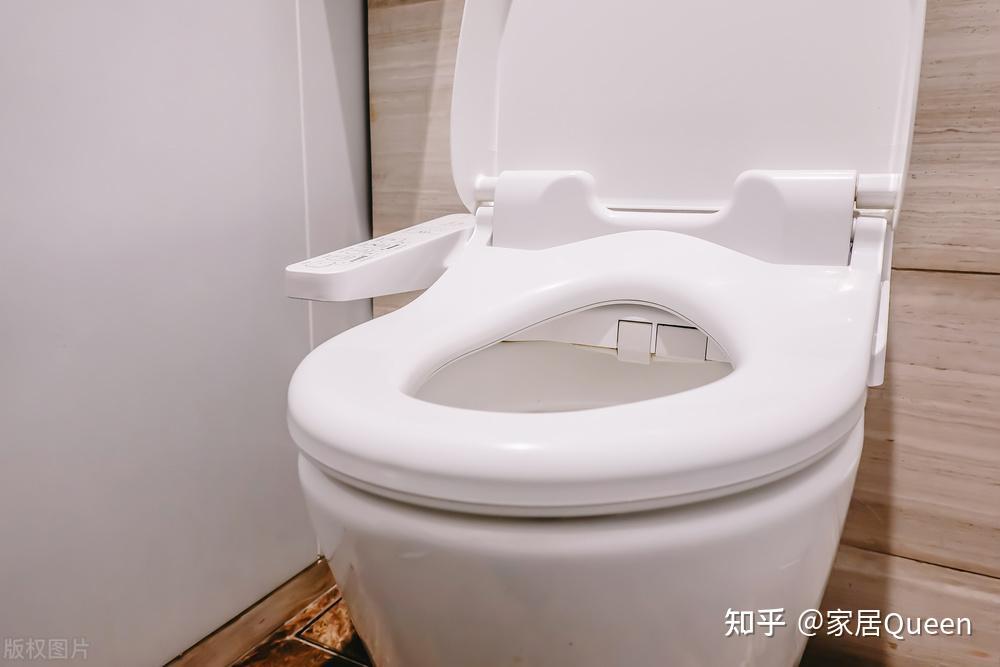
Many households have similar toilet styles, but beyond common designs, there are many variations. Toilets around 3000 RMB not only have sleek, advanced appearances but also superior functionality.
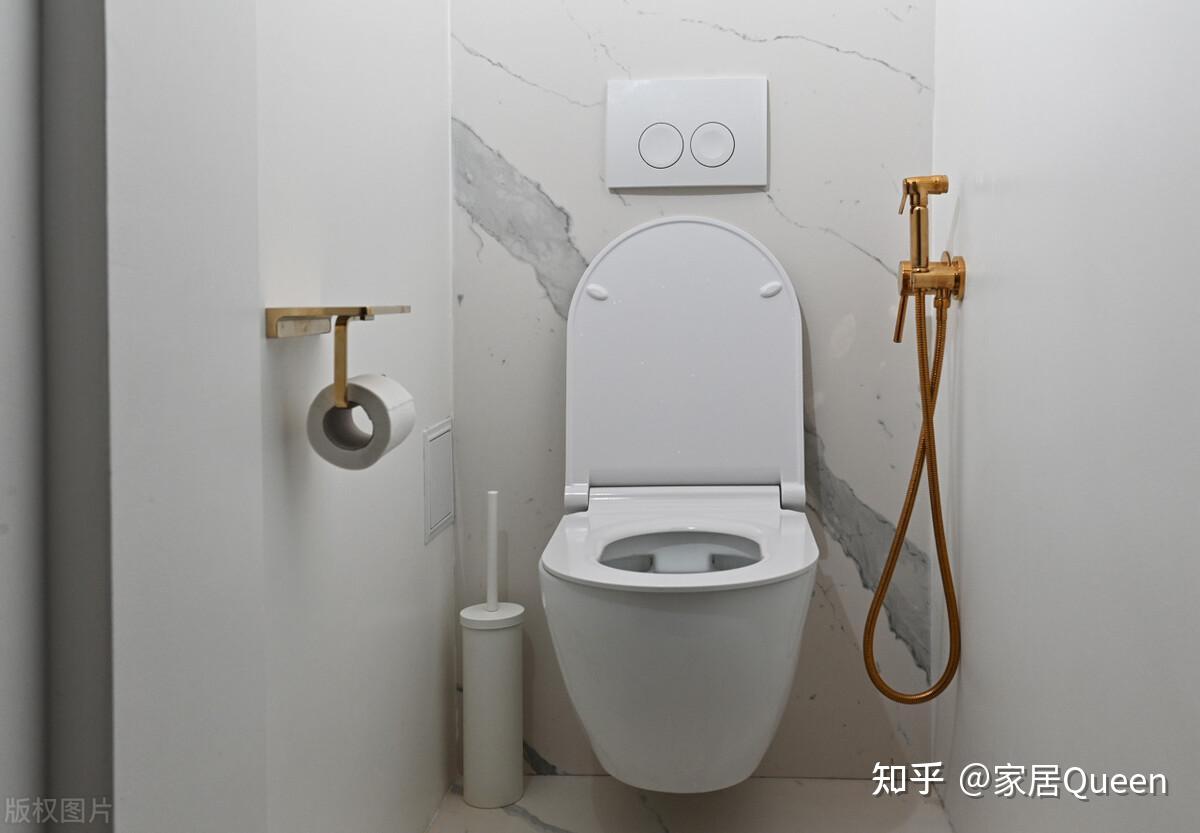
When purchasing a toilet, cheaper options often use direct flush systems, which have strong flushing power initially.
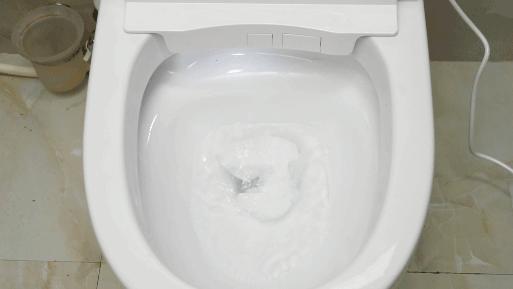
However, direct flush toilets can cause water to splash out during flushing, and over time, the flushing power decreases, leading to clogging issues.
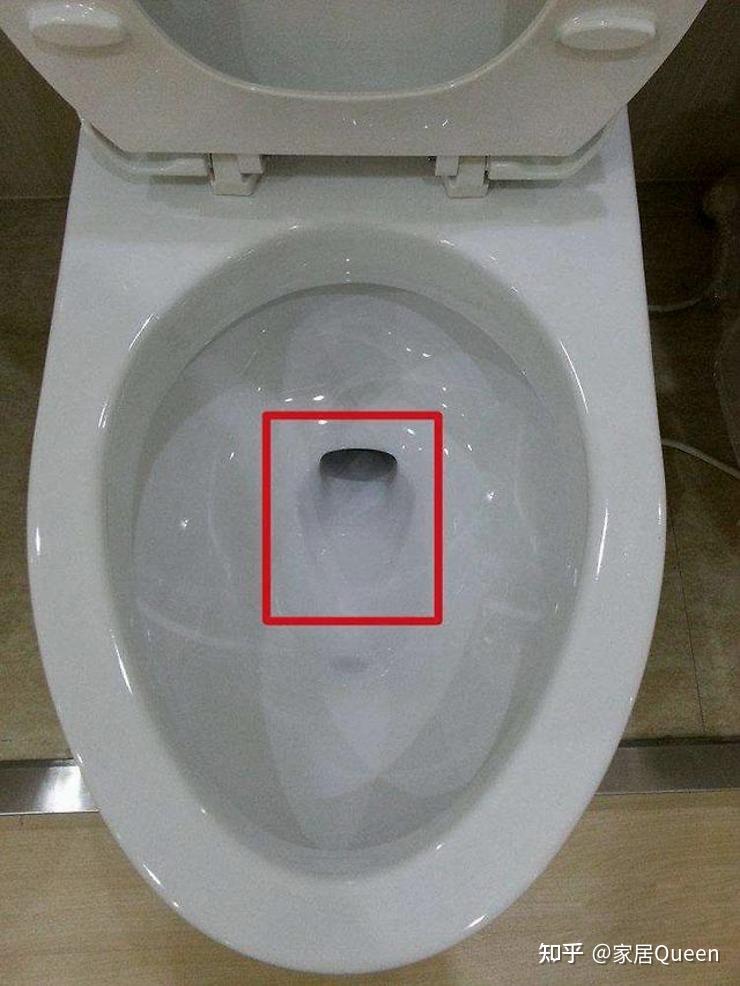
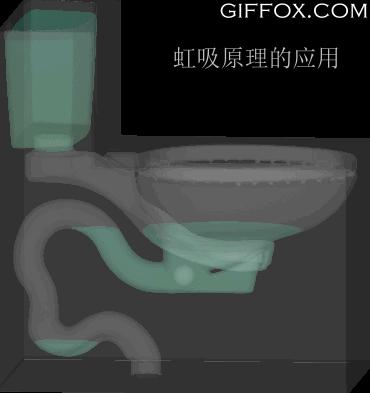
In contrast, more expensive toilets typically use siphon flush systems, which prevent water splashing, reduce clogging, clean more thoroughly without residue, and offer a quieter operation.
When buying a toilet, many people don’t inspect the glaze surface. While it may look smooth visually, it’s advisable to crouch down and touch the surface manually.
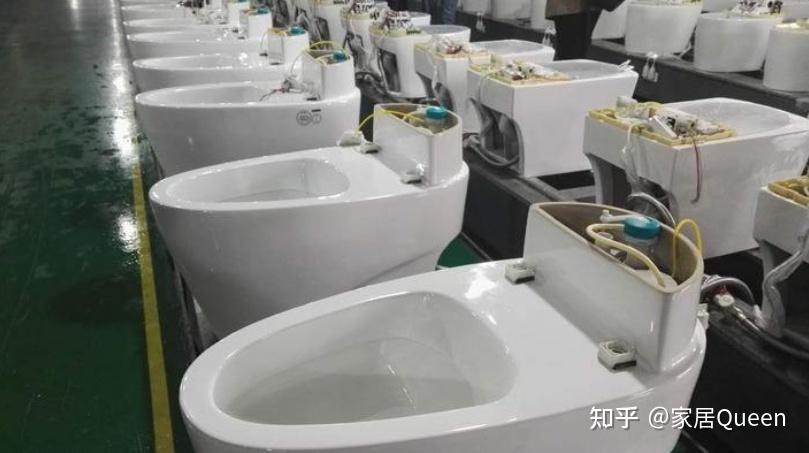
You’ll notice a clear difference between 1000 RMB and 3000 RMB toilets: cheaper ones have rougher glaze with pores that trap dirt and emit odors, while pricier models have smoother, pore-free surfaces that simplify cleaning.
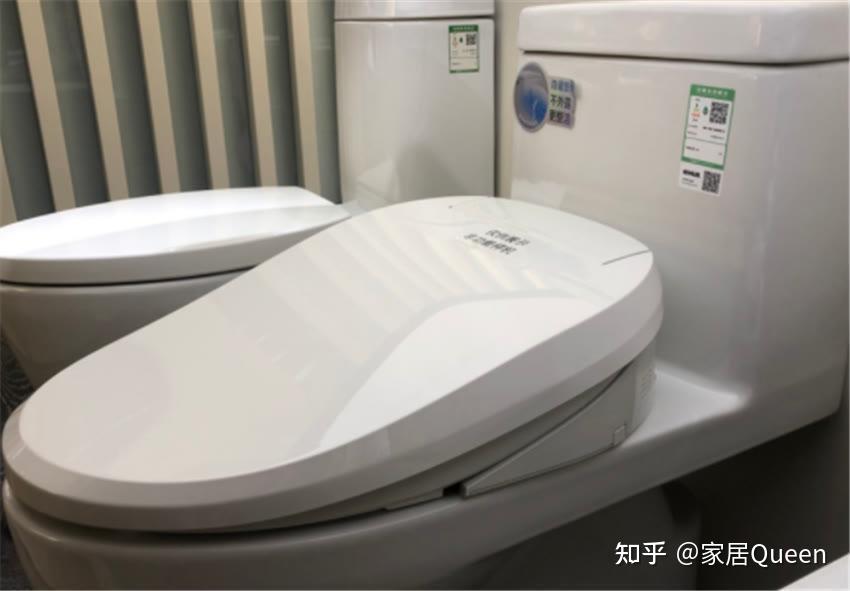
Additionally, 3000 RMB toilets feature a more refined glaze that minimizes maintenance hassles.
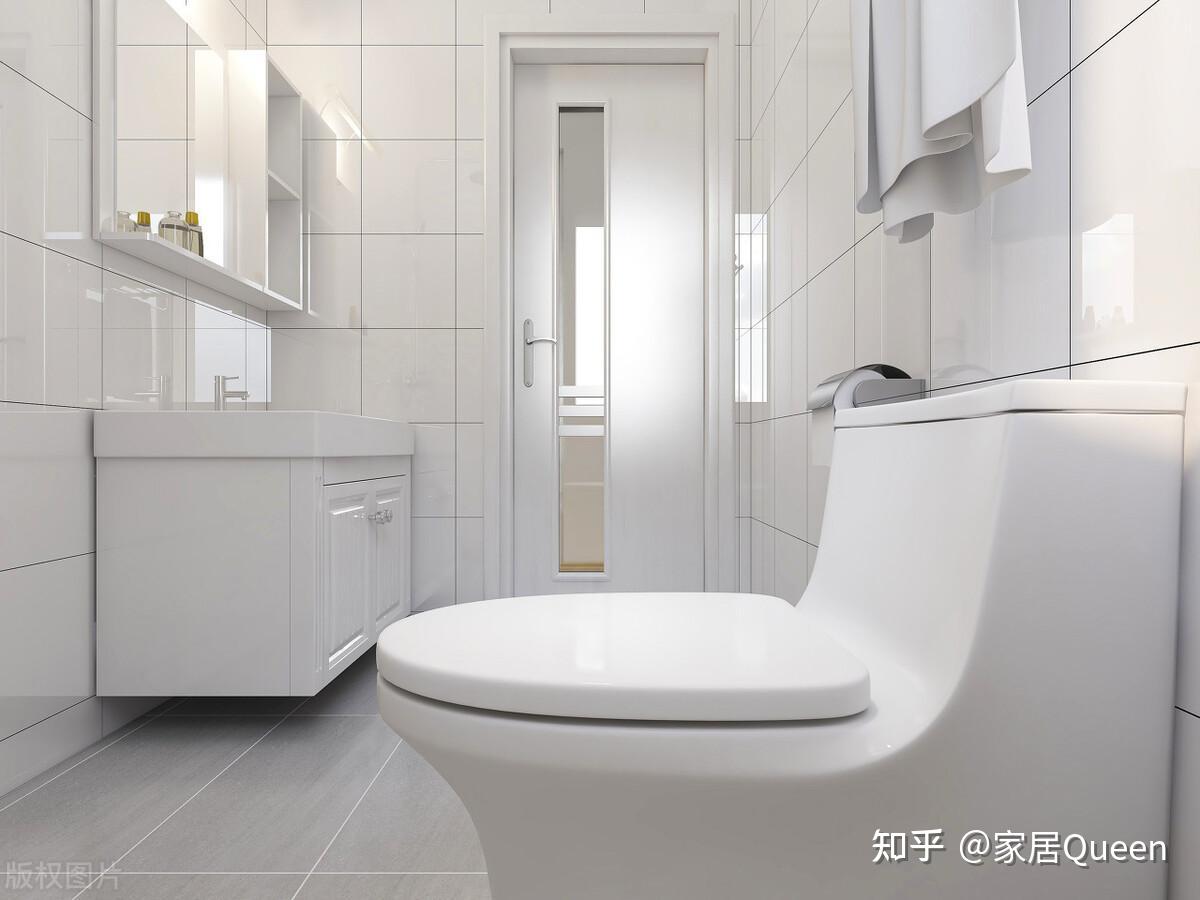
It’s recommended to avoid small-brand toilets, as after-sales service is crucial. Small brands often lack reliable support and poor service attitudes after purchase.
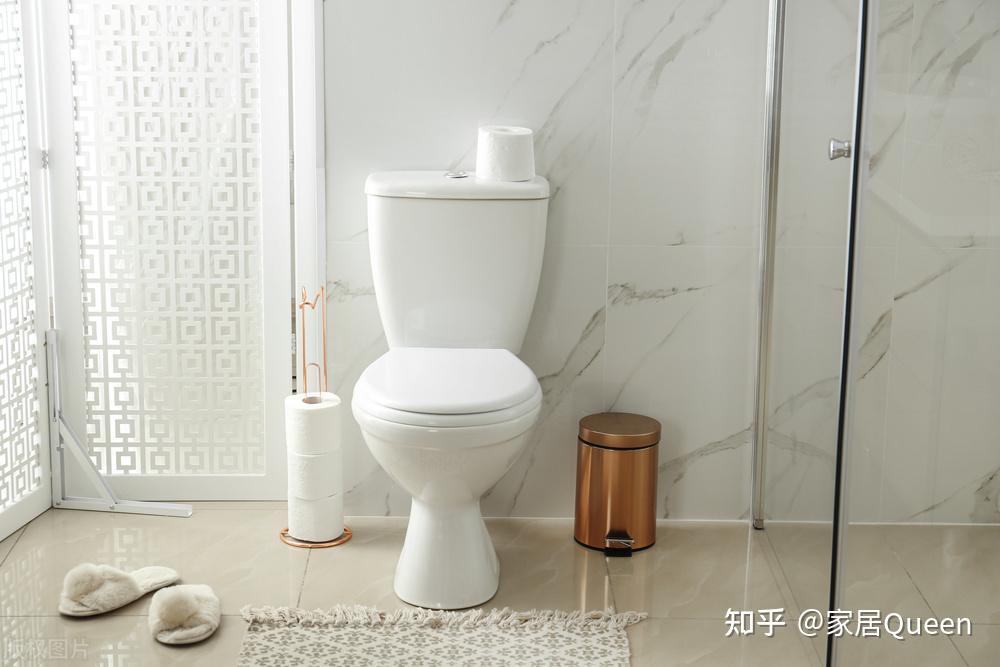
In contrast, major brands provide dedicated after-sales service for any issues that arise.
Toilets around 1000 RMB are generally basic models with only flushing functions, but 3000 RMB options can include smart toilets with features like feminine wash, bidet washing, and drying capabilities.
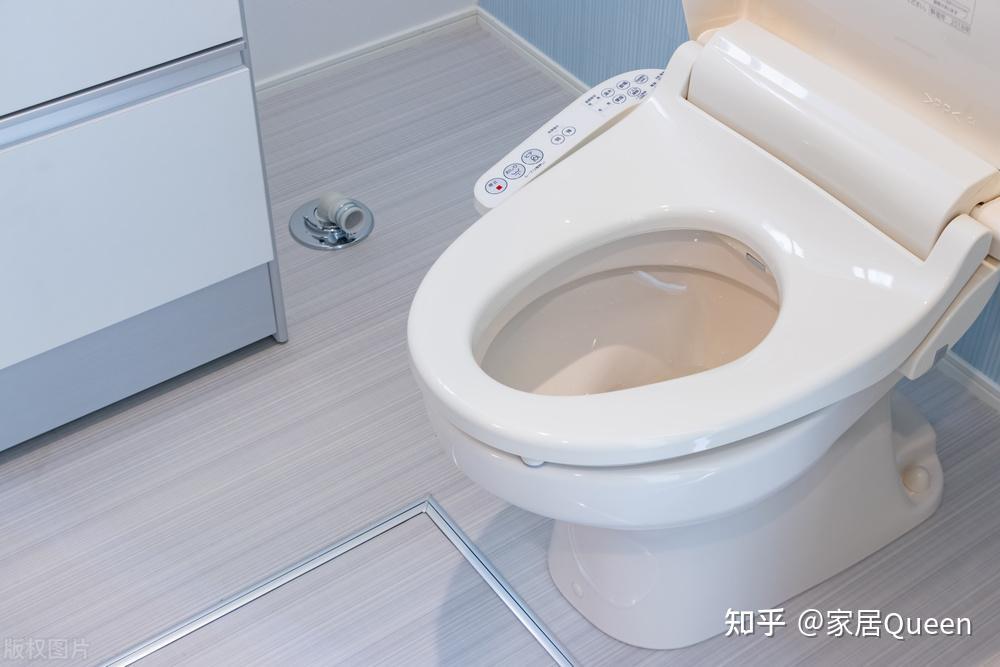
Smart toilets offer seat heating for comfort, avoiding cold surfaces, and many have automatic sensors that trigger flushing when you leave, providing hands-free convenience.
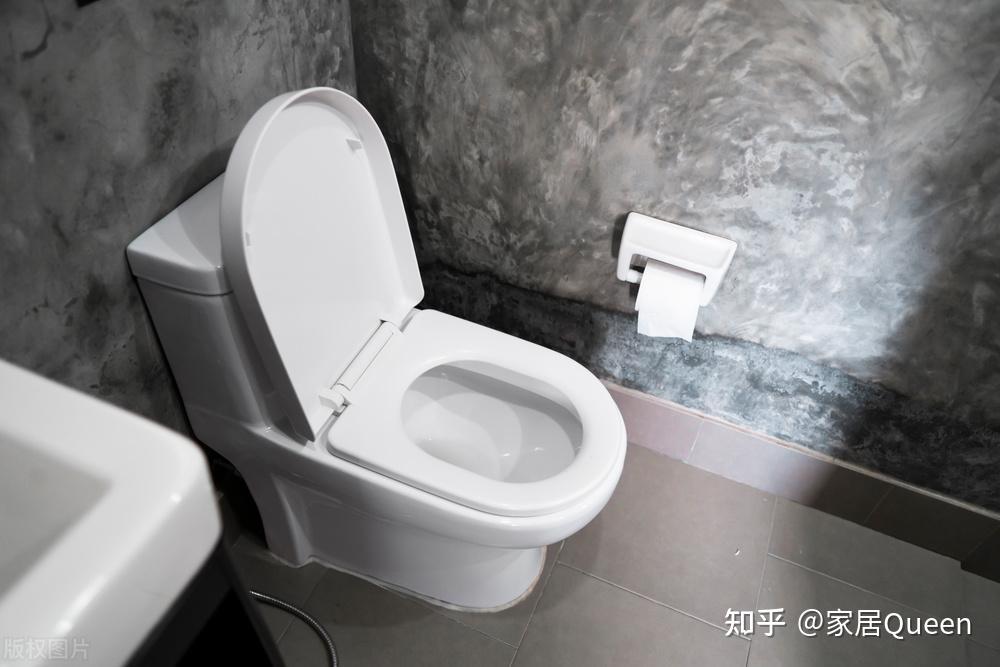
Cleaning differences are also notable: cheaper toilets accumulate stains quickly, with yellow grime penetrating the interior, while higher-end models resist such issues. For effective cleaning, using a toilet bubble cleaning mousse is suggested.
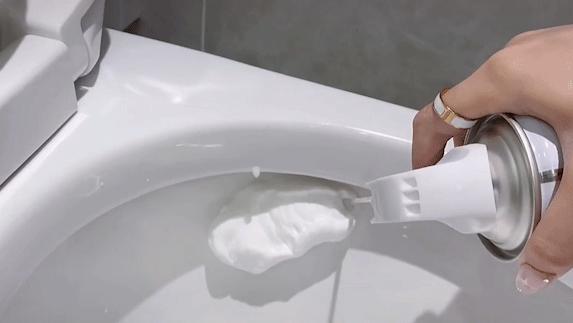
If regular toilet brushes don’t clean thoroughly, the toilet bubble cleaning mousse can help. It’s a foam-based cleaner with excellent coverage, forming dense bubbles that float and don’t dissolve quickly.
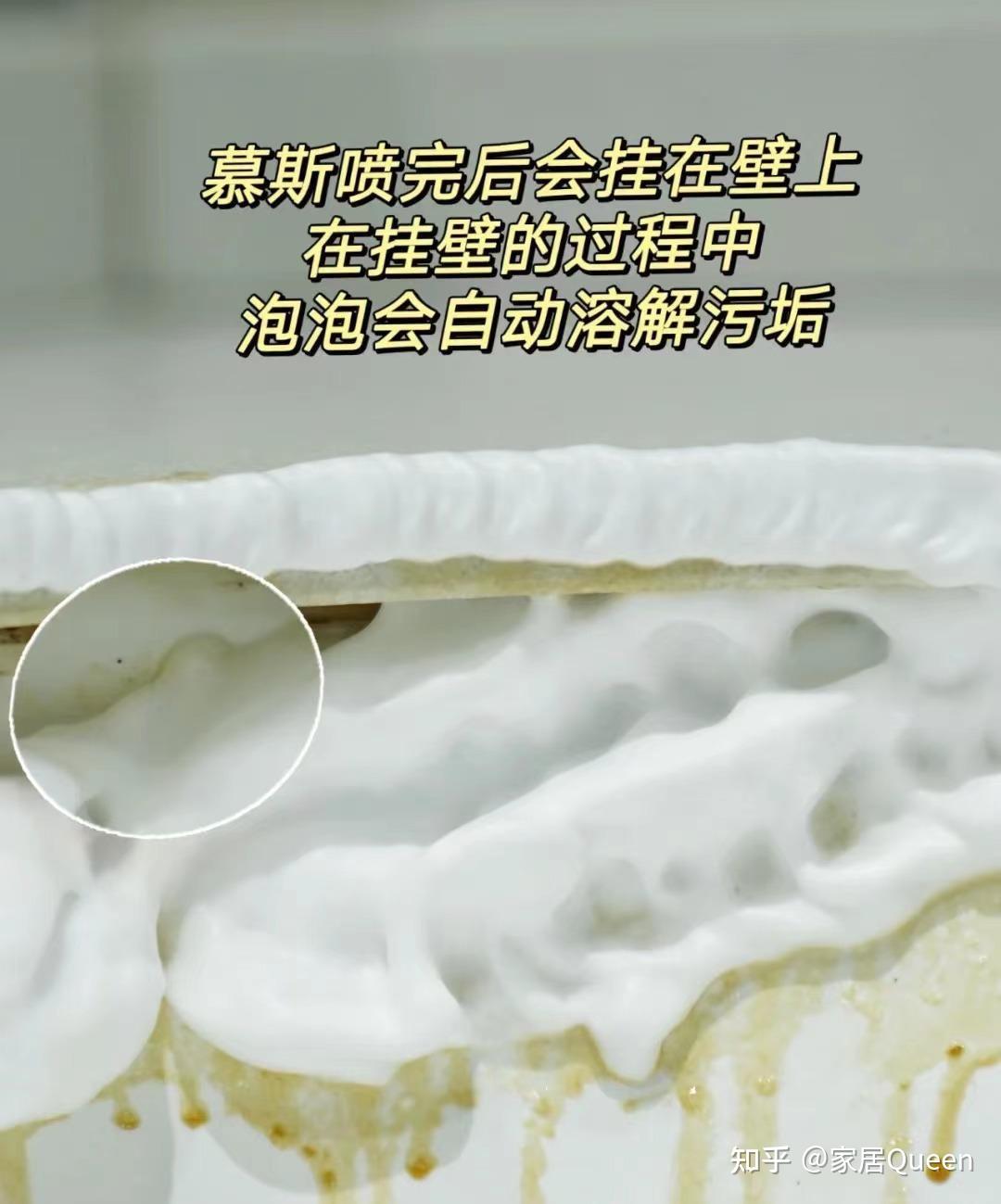
The foam envelops and breaks down stains on the toilet surface, making it easy to clean toilets of any material.
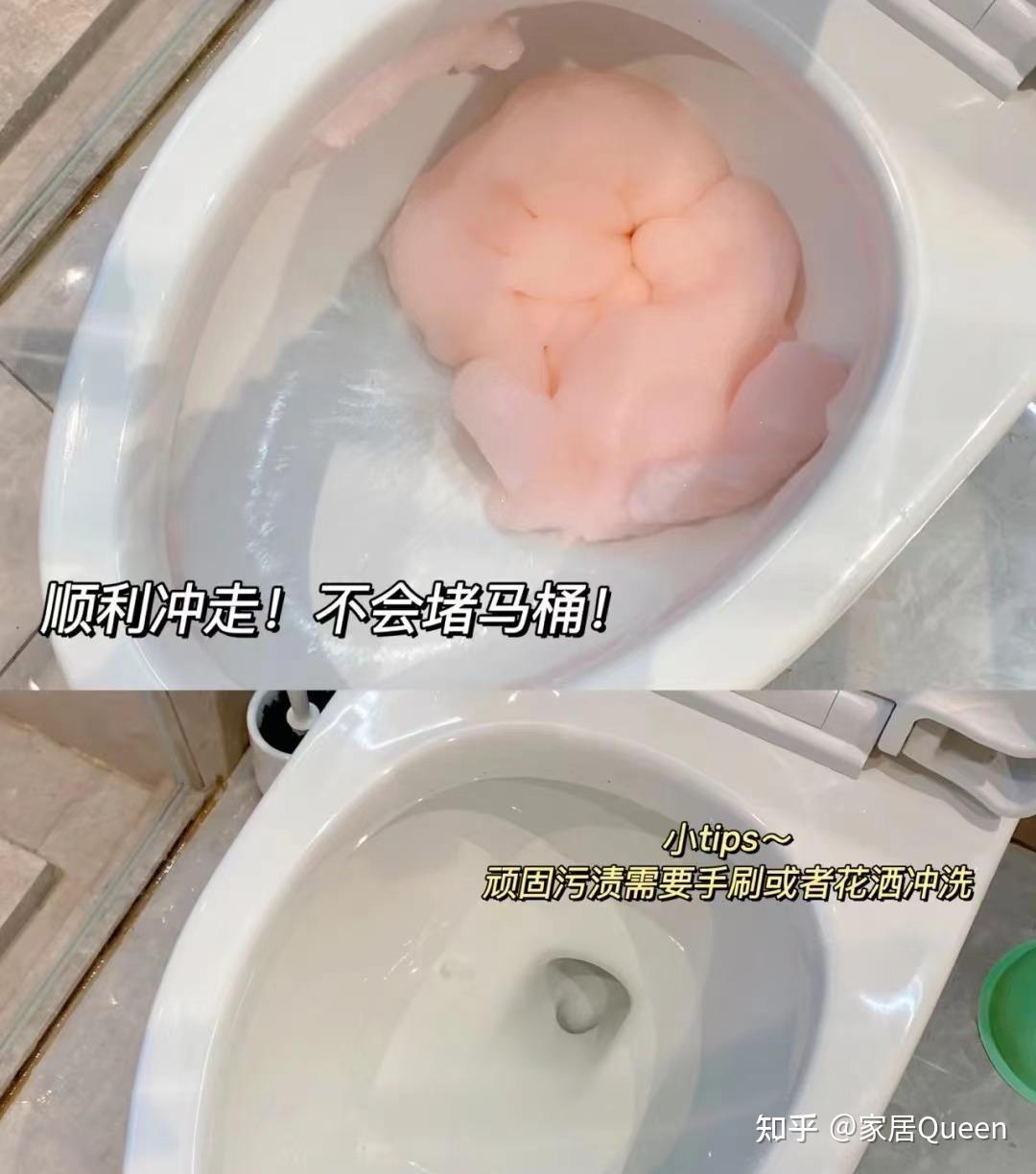
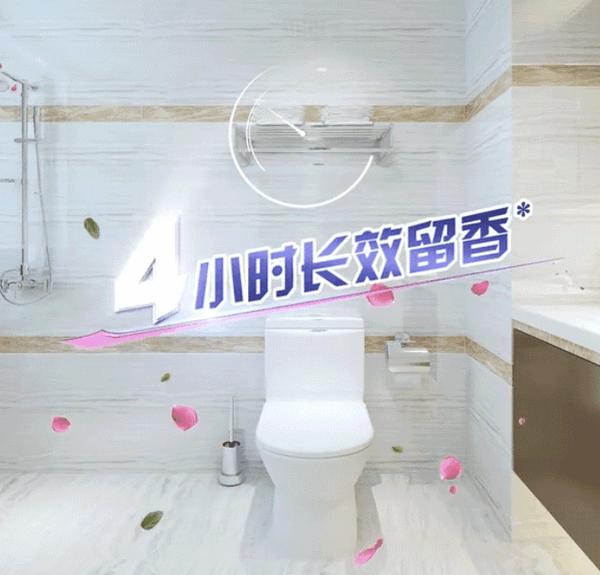
This cleaning mousse also deodorizes, eliminating unpleasant odors from stains.
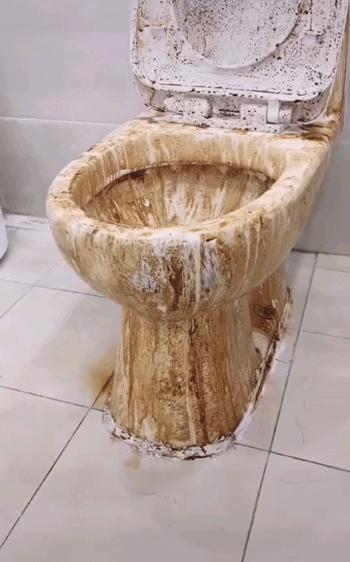
Its formula is gentle, derived from natural plant extracts, allowing safe hand contact without skin irritation.
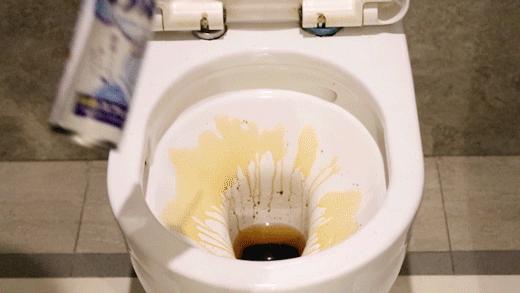
After three toilet replacements, I’ve grasped the key differences between 1000 RMB and 3000 RMB toilets, realizing my earlier choices were misguided—it’s a sobering insight.
 WhatsApp contact me online