

Ultimate Guide to Choosing High-Quality Tiles: Surface Gloss, Water Absorption, Sound Test, Weight, Dimensions, and Flatness Evaluation for Durability
1. Check the tile surface and water absorption.
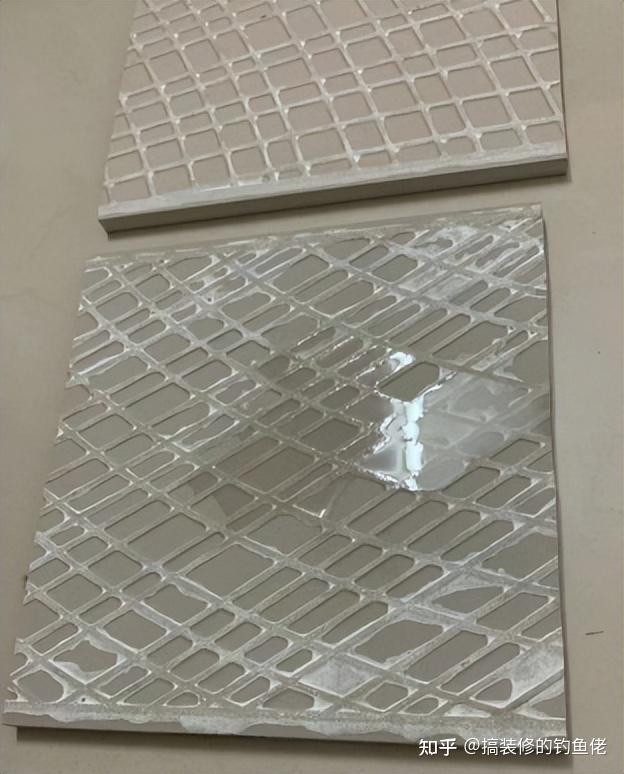
High-quality tiles feature a crystal-clear glaze with high gloss under light and no impurities. In contrast, lower-quality tiles have a dull glaze. Test water absorption by dripping water on the back; a smaller diffusion area and longer drying time indicate lower water absorption and better quality.
2. Listen to the tile sound.
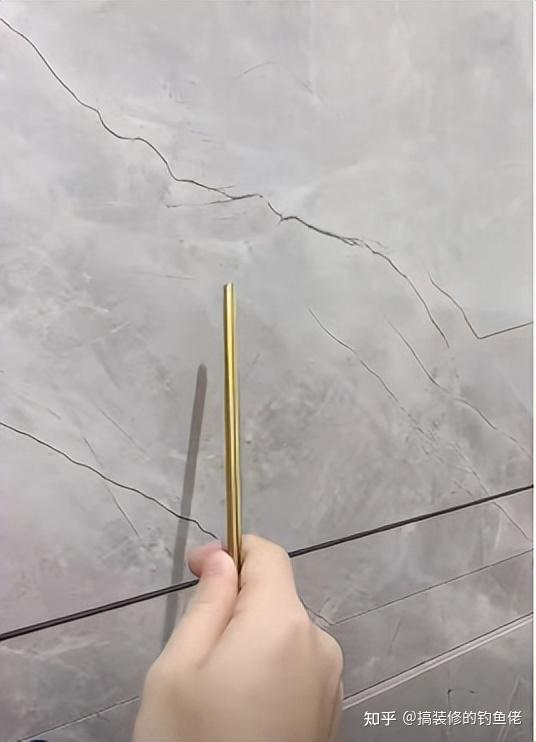
Hold the tile with one hand and tap the surface with the other; a clear, metallic sound indicates high density and quality. Poor-quality tiles produce a dull sound due to lower density.
3. Weigh the tile.
High-quality tiles have greater density and feel heavier. Compare similar products by hand; heavier tiles generally indicate better quality.
4. Measure the tile dimensions.
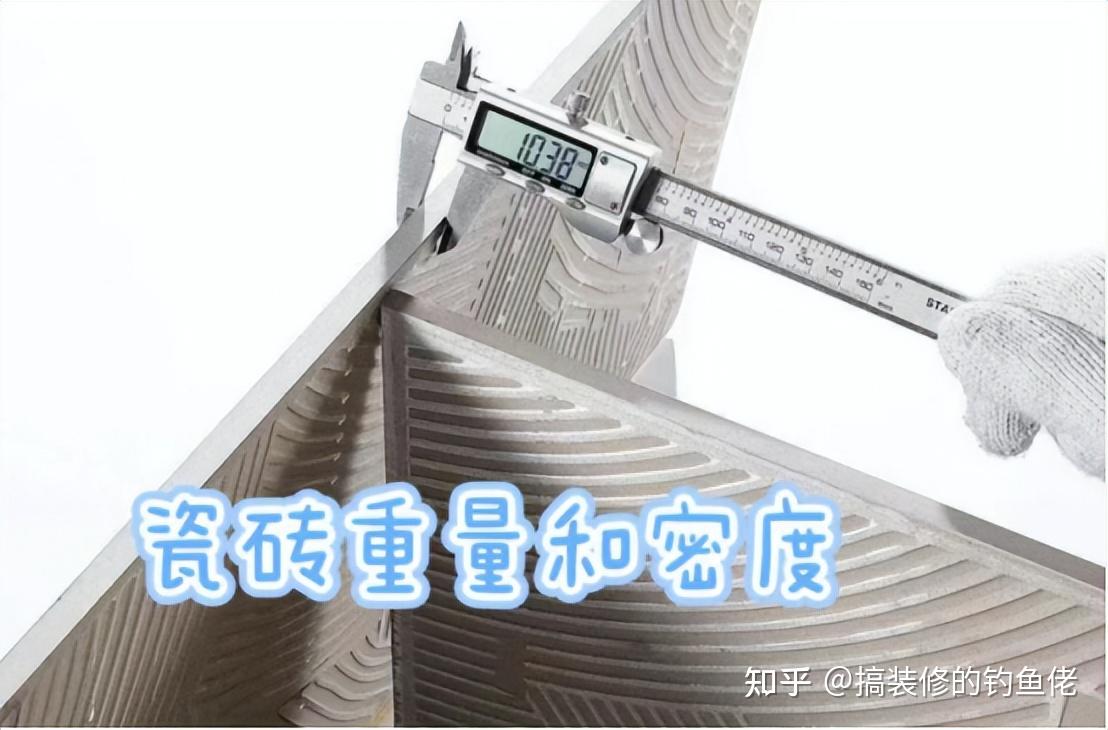
Tiles with precise edges ensure easier installation and save materials. Use a tape measure to check for variations in size; higher accuracy signifies superior quality.
5. Feel the tile flatness.
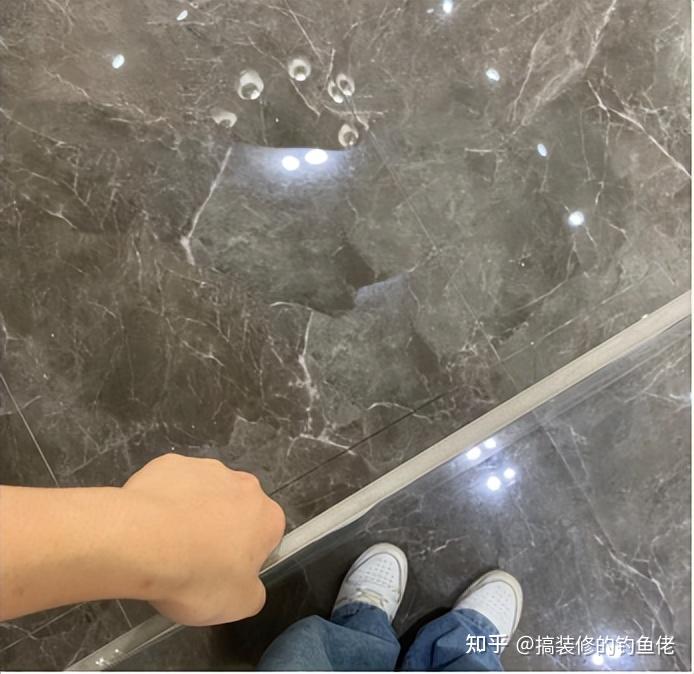
Arrange four identical tiles with matching patterns on a flat surface and run your hand over the seams. No noticeable unevenness indicates good flatness, which is crucial for a smooth finish and safety, as uneven tiles can cause tripping hazards.
 WhatsApp contact me online