• 0

    No products in the cart.

Archives November 2025

Top 10 Essential DIY Renovation Materials: Avoid Common Home Decoration Pitfalls by Purchasing Quality Items Yourself for Long-Term Satisfaction

When renovating your home, even with full-package services, it’s crucial to purchase certain materials yourself to avoid quality issues and common pitfalls. Decoration companies often prioritize profits, which can lead to the use of substandard products. This guide highlights 10 essential renovation materials that homeowners should buy to ensure durability, safety, and a better living experience.

Silicone Sealant

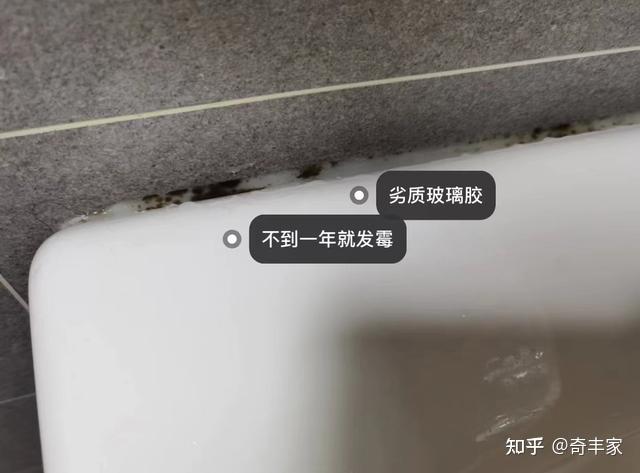
1. Silicone Sealant: Used in areas like sinks, toilets, and cabinets, it must be mildew-resistant and durable. Low-quality sealants can cause mold growth and require costly repairs.

Electrical Junction Box

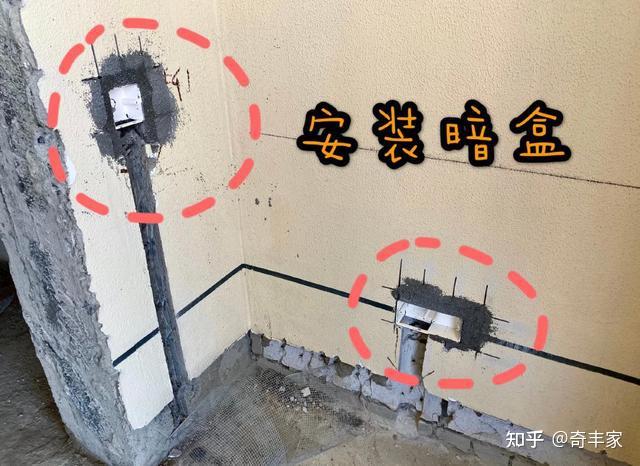
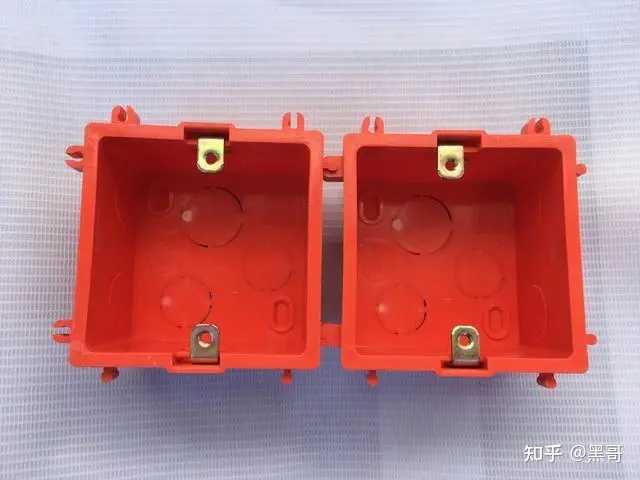
2. Electrical Junction Box: Hidden in walls, it’s essential for safety and longevity. Ensure it’s made of high-quality materials to prevent electrical hazards.

Wall Putty

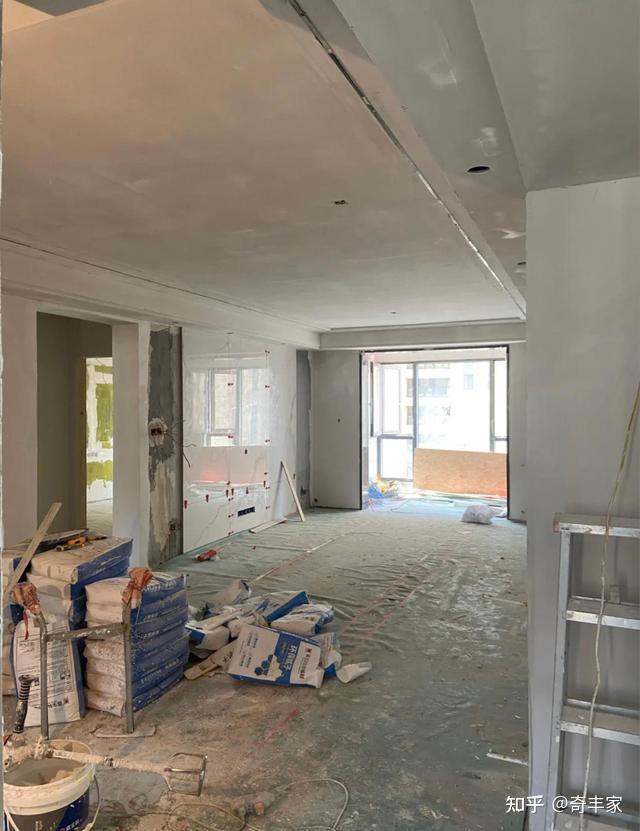
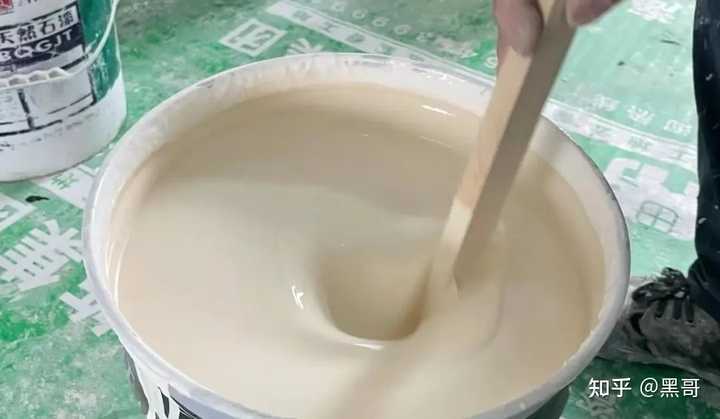
3. Wall Putty: Critical for smooth surfaces, it should be eco-certified and waterproof. Avoid products with added glue to reduce formaldehyde risks.

Angle Valve

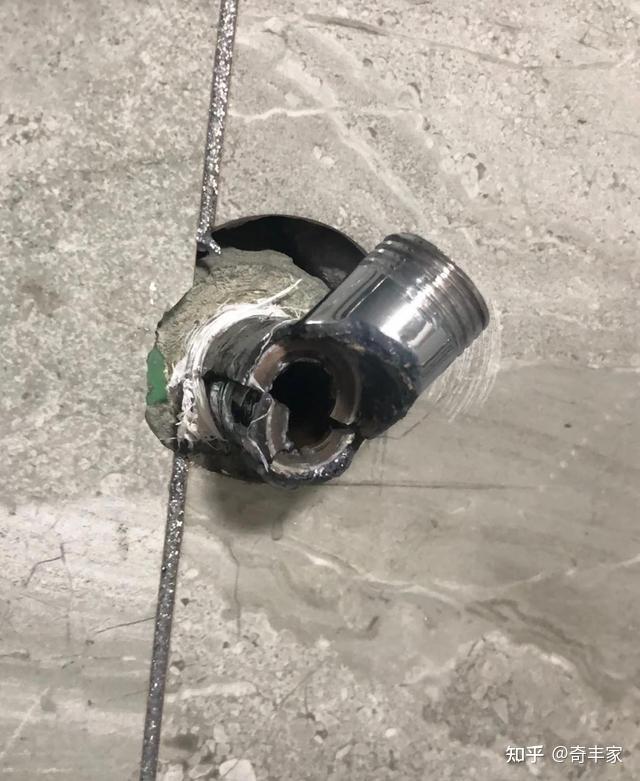
4. Angle Valve: Installed in walls for faucets, it must be corrosion-resistant. Poor-quality valves can break and cause leaks.

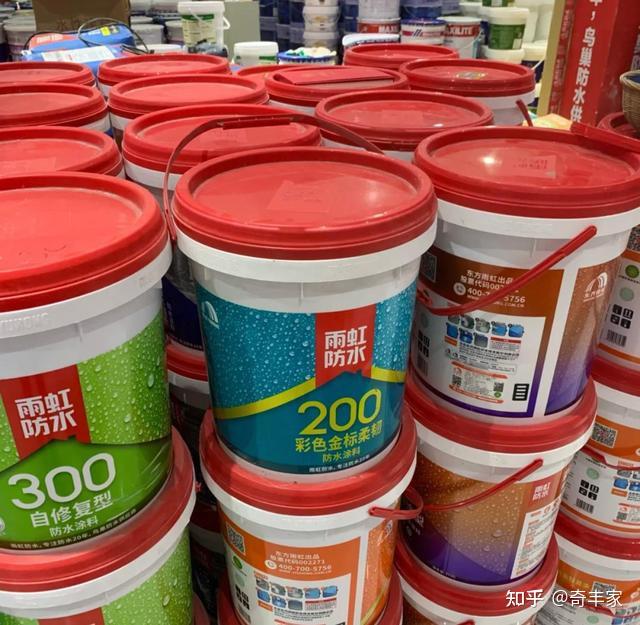
Waterproof Coating

5. Waterproof Coating: Vital for wet areas, it should be applied correctly with proper drying time. Substandard coatings lead to moisture damage and leaks.

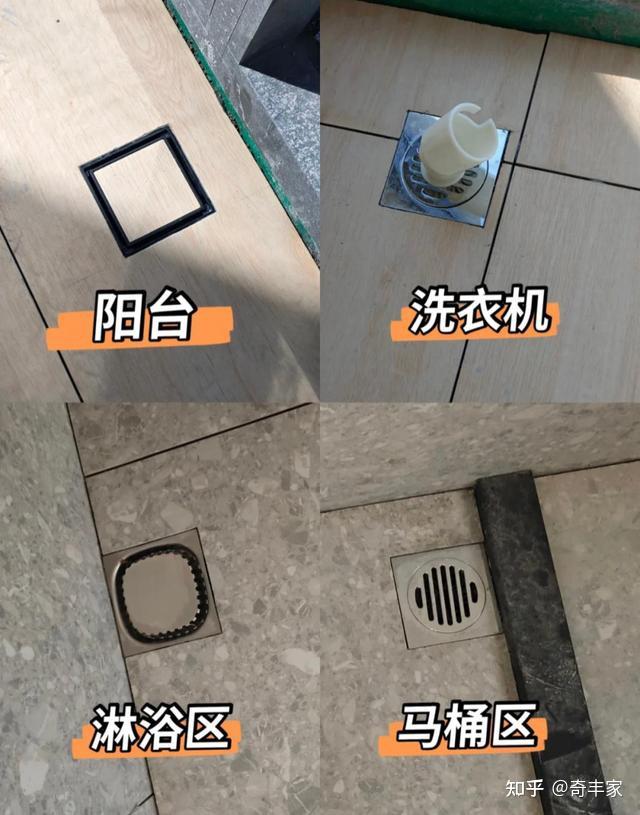
Drain

6. Drain: Choose rust-proof and anti-odor models for bathrooms and balconies. Low-quality drains cause slow drainage and unpleasant smells.

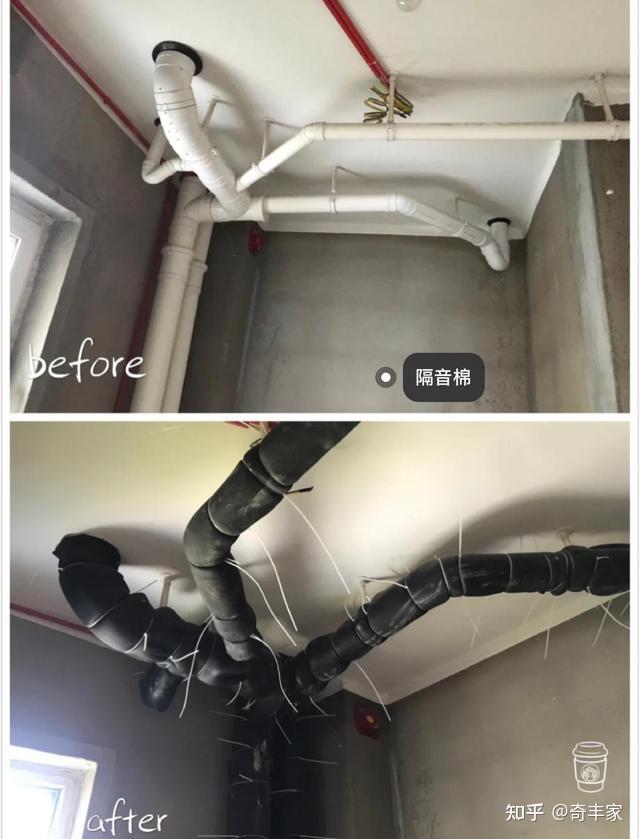
Soundproof Cotton

7. Soundproof Cotton: Used on pipes to reduce noise, it should be thick and effective. Combine with damping sheets for better performance in bathrooms.

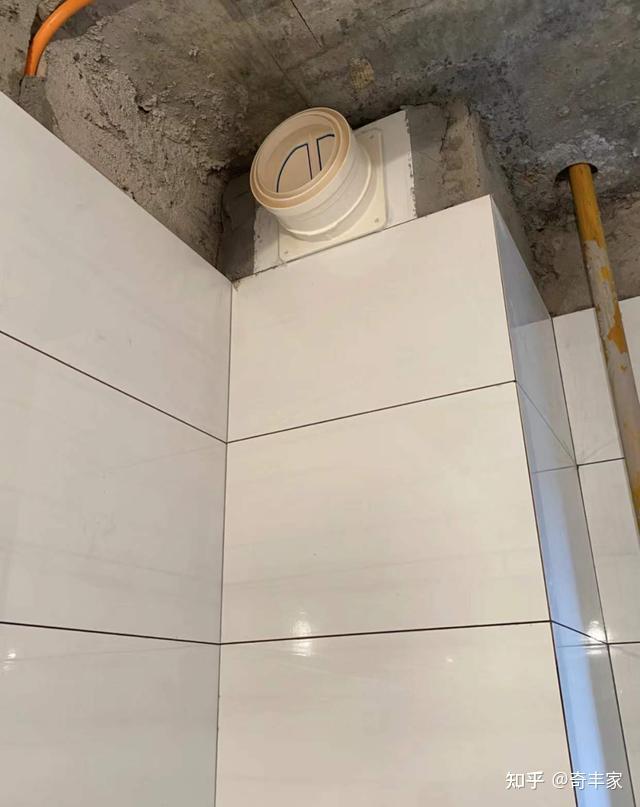
Range Hood Damper

8. Range Hood Damper: Prevents cooking odors from entering your kitchen. Install a high-quality damper to avoid cross-contamination from neighbors.

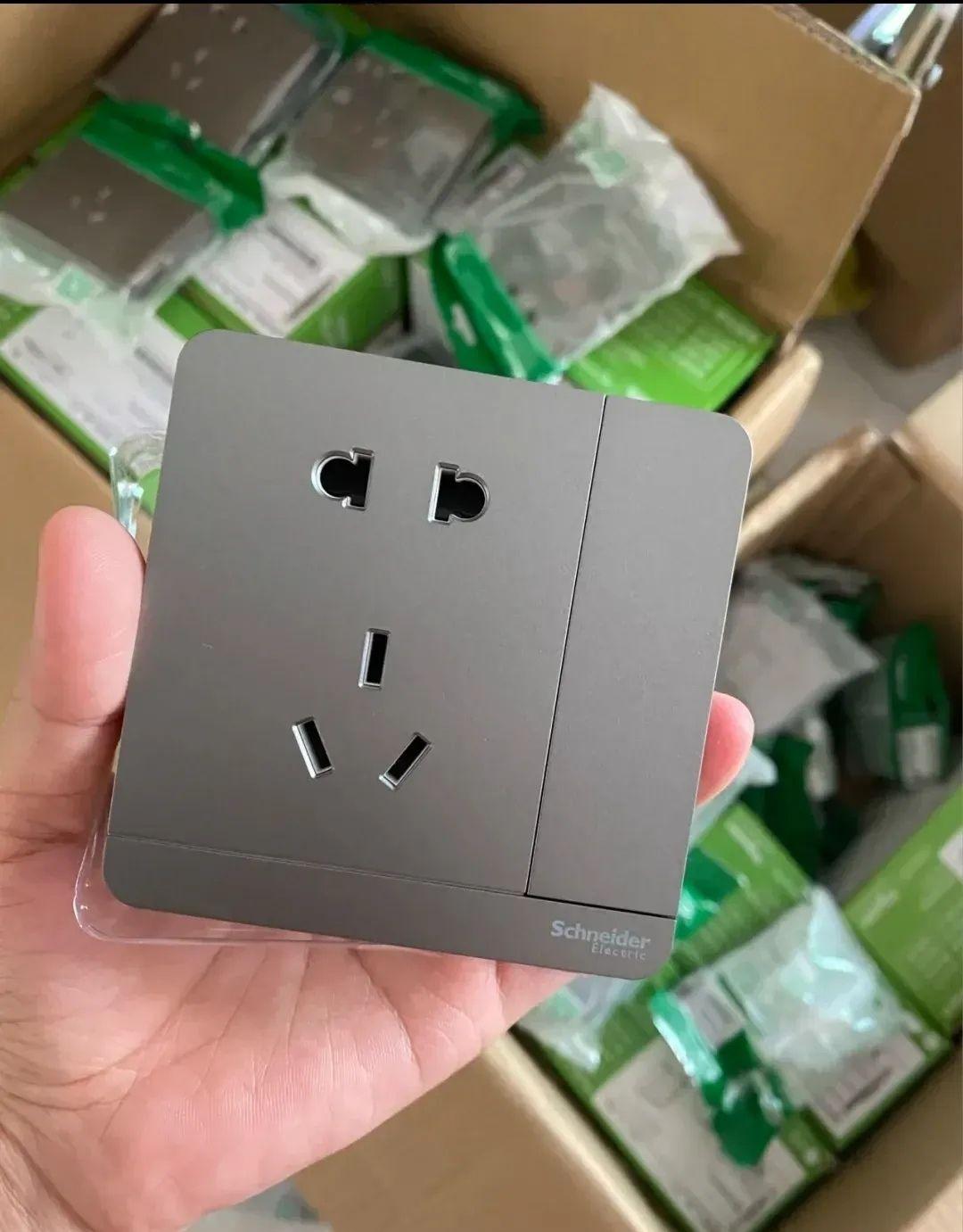
Switches and Sockets

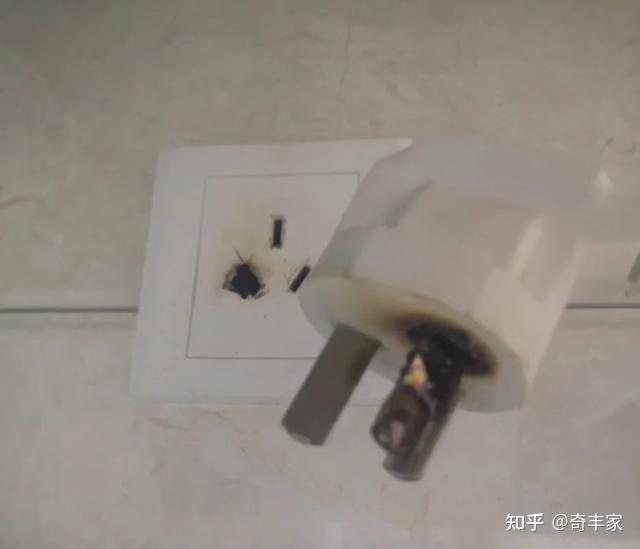
9. Switches and Sockets: Essential for safety, they must meet quality standards to prevent electrical fires and ensure reliability.

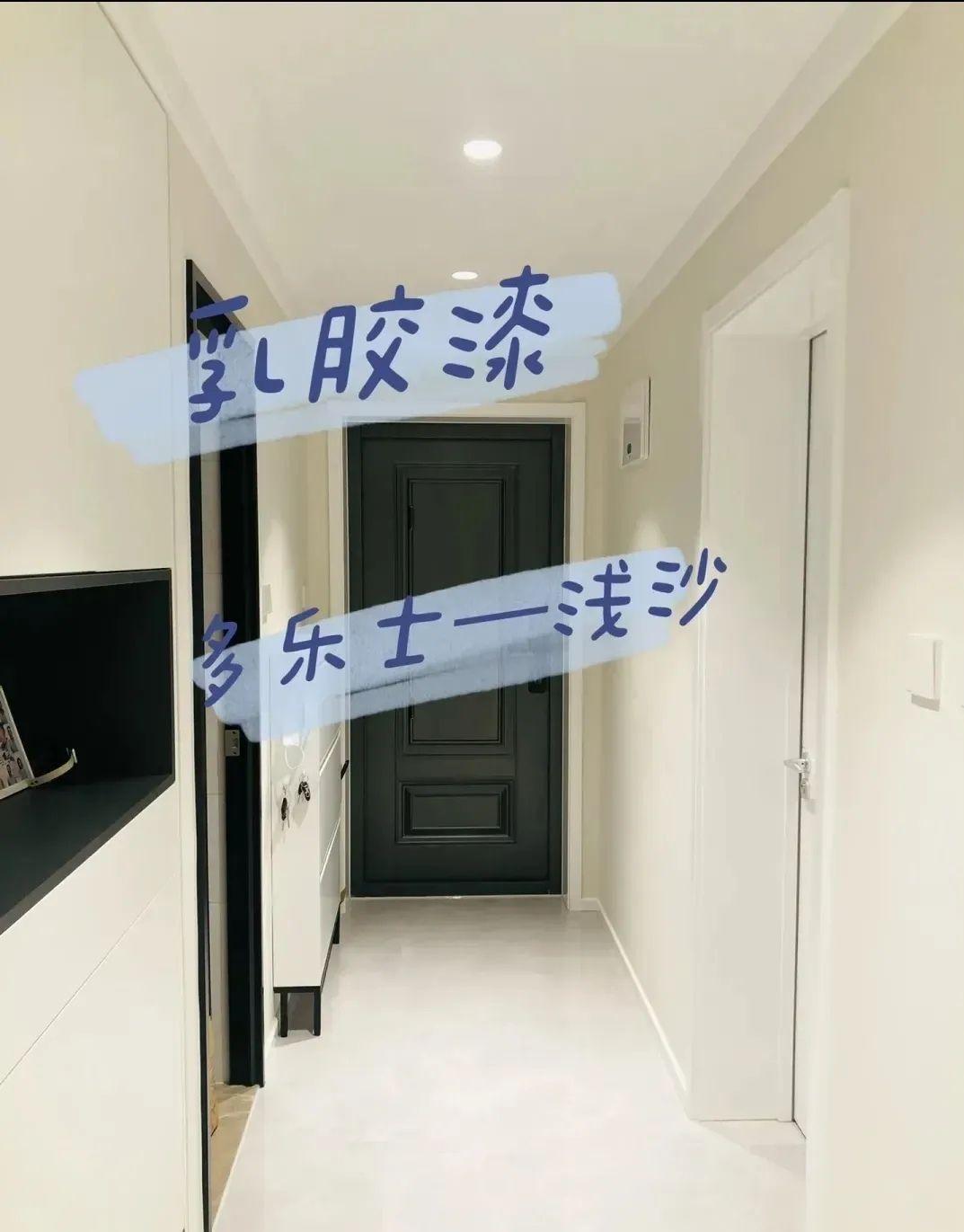
Latex Paint

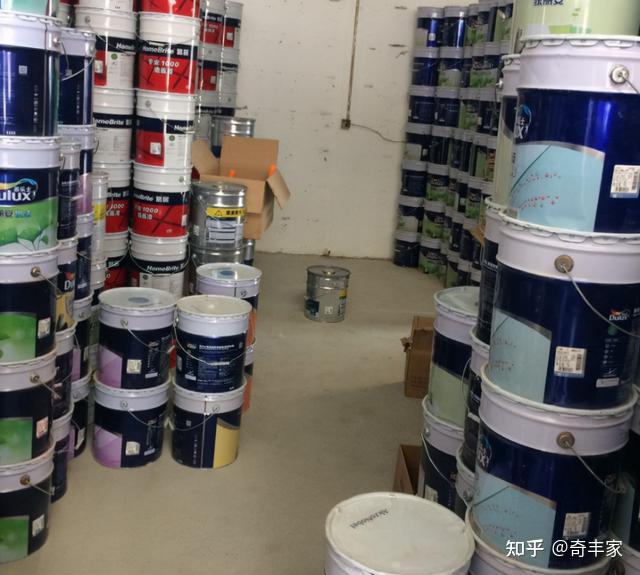
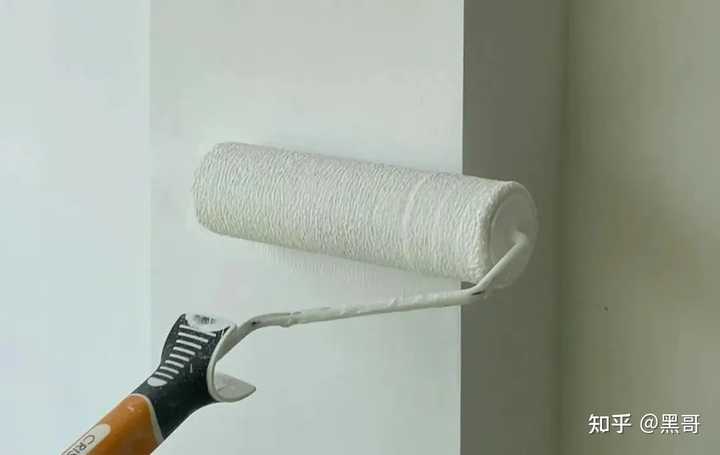
10. Latex Paint: Opt for eco-friendly, mold-resistant, and smooth-finish options. Avoid counterfeit products to maintain air quality and aesthetics.

Trusted Home Renovation Material Brands: PPR Pipes, PVC Conduits, Waterproofing, and Wires | Expert Guide for DIY and Professional Use

Renovation might seem straightforward—installing materials in their proper places—but it can be overwhelming with dozens of types of materials, making it easy to fall for scams. This guide recommends reliable brands for various renovation materials to help you make safe choices, whether you’re opting for a semi-packaged renovation or self-installation.

Image

For water supply pipes, trusted brands include: Weixing, Rifeng, Liansu, Jinniu, Zhongcai, and Baoli. Use PPR pipes with a diameter of 25 for optimal flow, as they are corrosion-resistant and prevent scale and bacteria buildup. Avoid gimmicks like nano-antibacterial pipes. Hot water pipes are recommended for stronger welding. Weixing is pricier but offers higher quality.

For drainage pipes, Liansu is the top choice due to its affordability and reliability in PVC materials.

Pipe materials should arrive with the electrician or by the second day of work.

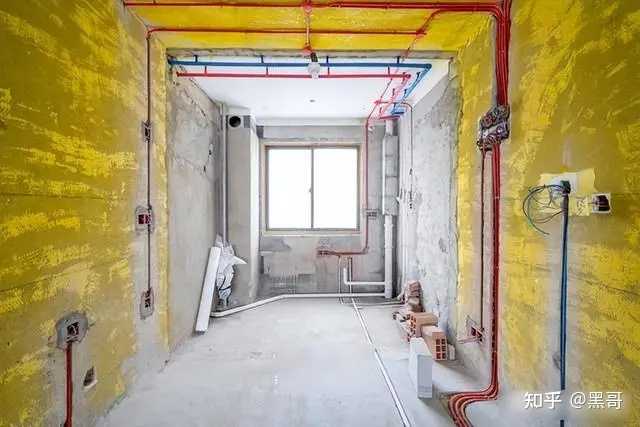
For conduit pipes and junction boxes, reliable brands are: Liansu, Rifeng, Jinniu, Zhongcai, Jinde, Weixing, Gongyuan, Baoli, Hongyan, and Longsheng. Use PVC conduits, typically 16mm diameter, with red for power and blue for weak current. Spliced base boxes ensure consistent gaps for switches and sockets. Weixing conduits are preferred for visibility during inspections.

Image

Choose PVC materials with good flexibility and flame retardancy. Conduits should be purchased along with water pipes.

For bathroom waterproofing, trusted brands include: Kale, Yuhong, Degao, Keshen, Skshu, Zhuoba Xika, and Mabe. Use flexible waterproofing for floors and rigid for walls, applying up to 1.8m height in shower areas. The process involves two coats of waterproof paint, extra layers at drains and pipes, and a polypropylene layer for protection. Waterproofing must be completed before tiling, with a 24-hour water test to ensure no leaks.

For electrical wires, brands vary by region, such as Lvdu and Zhengzhou Sanchang. Others include Yuandong, Panda, Shangshang, Tebian Dian Gong, and Jiangnan. Ensure CCC certification and use flame-retardant wires: 4 sq mm for kitchens, bathrooms, and ACs, 2.5 sq mm for other areas, and 1.5 sq mm for ground wires. Follow manufacturer guidelines for special appliances like central AC or instant water heaters.

Comprehensive Guide to Selecting Home Decoration Materials: Key Considerations for Environmental Safety, Material Harmony, and Fire Resistance

Home renovation, as a delicate project that combines art and practicality, often has a complexity and meticulousness that exceeds imagination. Every detail is carefully considered to sculpt the quality of future life. While pursuing individuality and aesthetics, many families tend to overlook seemingly insignificant but crucial details during the renovation process. Let’s take a look at what to pay attention to when purchasing home decoration materials.

ImageImage

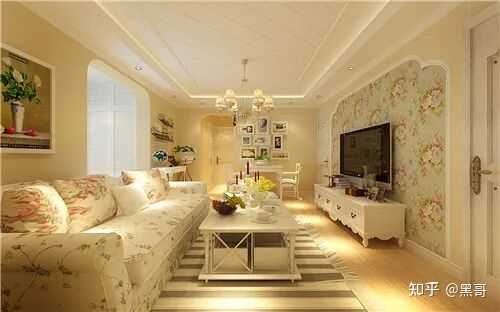
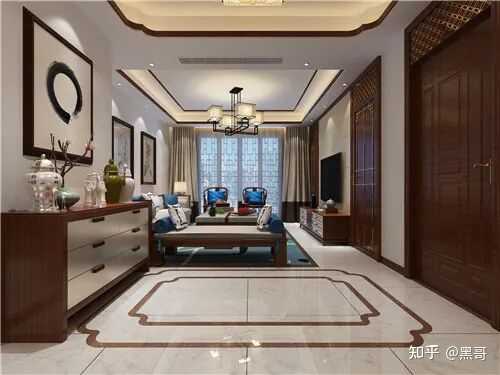
When selecting home decoration materials, it is essential to choose eco-friendly types and pay attention to whether the materials will affect our health. Because there are many decoration materials on the market that contain a large amount of polymers, which can release gases that pollute the air, and some wallpapers even emit unpleasant odors. Therefore, it is important to keep this in mind when selecting materials.

ImageImage

When purchasing home decoration materials, pay attention to whether the materials will conflict with each other. For example, if lime mortar is applied to the wall, it is best not to paste wallpaper on it. Because this material can absorb moisture at high temperatures and release moisture at low temperatures, regulating indoor humidity. If wallpaper is laid on top, the effect of its breathing function will be reduced.

When purchasing home decoration materials, also pay attention to the fire resistance of the materials, especially when choosing ceiling materials. It is important to select decoration materials with good fire resistance, and the kitchen is also an area where fire is frequently used.

Essential Guide to Home Decoration Material Selection: Prioritizing Eco-Friendly, Compatible, and Fire-Resistant Options for a Healthy Living Environment

Home decoration, as a fine engineering discipline that blends art and practicality, often involves complexities and meticulous details beyond initial expectations. Every consideration of subtle aspects contributes to the careful crafting of future living quality. While pursuing individuality and aesthetics, many households tend to overlook seemingly minor yet critical details during the renovation process. Let’s explore key points to consider when purchasing home decoration materials.

imageimage

When selecting home decoration materials, it is crucial to opt for environmentally friendly varieties and assess whether the materials could impact health. Many products on the market contain high levels of polymers that release air-polluting gases, and some wallpapers emit unpleasant odors. Thus, this aspect must be carefully evaluated during material choice.

imageimage

Select home decoration materials with attention to potential conflicts between them. For instance, if lime mortar is applied to walls, avoid covering it with wallpaper. This material absorbs moisture at high temperatures and releases it at lower temperatures, helping regulate indoor humidity. Adding wallpaper can diminish this breathing effect.

Additionally, consider the fire resistance of materials, particularly for ceiling selections. Choose products with strong fire-resistant properties, as the kitchen is a high-risk area for fire incidents.

Home Decoration Materials Buying Guide: Essential Tips for Eco-Friendly, Compatible, and Fire-Resistant Choices in Interior Design

Home decoration is a fine art that combines aesthetics and practicality, with complexity and attention to detail often beyond imagination. Every small consideration is a careful carving of future quality of life. While pursuing individuality and beauty, many families overlook seemingly insignificant but crucial details during the decoration process. Let’s explore what to pay attention to when purchasing home decoration materials.

Image

When selecting home decoration materials, it is essential to choose eco-friendly types and pay attention to whether the materials will affect our health. Because there are many decoration materials on the market that contain a large amount of polymers, which can pollute the air, and some wallpapers even emit unpleasant odors. Therefore, this point must be noted during material selection.

Image

When choosing home decoration materials, pay attention to whether the materials conflict with each other. For example, if lime mortar is applied on the wall, it is best not to paste wallpaper on it. Because this material can absorb moisture at high temperatures and release moisture at low temperatures, regulating indoor humidity. If wallpaper is laid on top, the effect of its breathing function will be reduced.

When selecting home decoration materials, also note the fire resistance of the materials, especially when choosing ceiling materials. Be sure to choose decoration materials with good fire resistance, and the kitchen is the area where fire is most commonly used.

Expert Guide to Home Renovation Materials: Selecting Auxiliary and Main Construction Materials for Optimal Results

Let’s Start with Auxiliary Materials.

When it comes to home renovation materials, I’ve written about them many times, but never systematically. Today, let’s dive in and explore the essentials.

Renovation materials can be broadly divided into two types: those used in the basic construction phase to ensure fundamental needs like water and electricity, such as pipes, wires, waterproof coatings, cement, sand, ceiling joists, etc. These materials are hidden behind decorative layers after homeowners move in, so we call them auxiliary materials.

The other type is used on the surface after basic construction, ensuring comfort and aesthetics, materials that homeowners can directly feel, use, and experience, such as flooring, tiles, paint, toilets, showers, range hoods, and more.

Although both are renovation materials, general homeowners’ awareness and market prices for them are vastly different, so they need to be discussed separately.

Auxiliary materials often seem mysterious to ordinary homeowners. As the question goes, we know to choose good ones, but what defines “good”? On various renovation platforms, including Zhihu, auxiliary materials are rarely emphasized—not because they’re unimportant, but because homeowners are less likely to encounter issues with them (especially compared to main materials). I analyze three reasons for this.

1. The auxiliary materials market is simple and healthy.

Have you noticed that common auxiliary material brands are often large, near-monopoly enterprises? For example, Saint-Gobain for gypsum boards, Oriental Yuhong for waterproofing, and Golden Bull for pipes.

Even without these brands, other common ones typically have regional monopoly status, like Chuanlu for conduit pipes or Tapai for wires in Sichuan.

I estimate that for any given type of auxiliary material, homeowners generally encounter no more than five well-known brands. This limited choice is actually beneficial, as these brands offer reliable quality—whether for wires or pipes, picking a familiar brand can last over a decade without issues. This simple, healthy market contrasts sharply with main materials.

I often compare auxiliary materials to daily necessities like soap,纸巾, or instant noodles—produced by major companies but with low unit prices and small price differences between brands.

For instance, in electrical wiring renovations, cheaper options like Tapai cost around 122 yuan per roll (100 meters), while better ones like Golden Mink flame-retardant wires sell for only 152 yuan per roll—a mere 30 yuan difference. For a full-house renovation, the total cost difference might only be a few hundred yuan.

Compared to main materials, if auxiliary materials are daily necessities, then main materials are like women’s skincare products. We might spend a minute choosing soap based on scent and brand, but skincare requires extensive testing and research, largely due to the stark price differences and the time invested in selection.

3. Construction often combines with auxiliary materials.

As you might know, renovation generally comes in three models: labor-only (qingbao), labor plus auxiliary materials (banbao), and full package (labor, auxiliary, and main materials).

In my experience, I’ve rarely met homeowners who handle qingbao themselves. One reason is that auxiliary materials have low unit prices and profit margins—running around markets for months saves little money. Another is that labor-only projects offer low profits, so contractors avoid them unless management fees are paid separately.

Thus, the market is dominated by banbao and full package options, which bundle auxiliary materials, leaving homeowners little choice (many companies don’t even offer options). Combined with the previous factors, auxiliary materials receive less attention, and there’s no need to spend excessive time on them.

Finally, for convenience, I’ve compiled a list of auxiliary material brands based on my experience. While I can’t vouch for nationwide, in Chengdu at least, using these brands and ensuring they’re genuine minimizes the risk of failure. Now, let’s focus on the main points of interest.

Main materials account for the largest portion of the renovation budget, with numerous brands, models, and greater homeowner autonomy, making the market hundreds of times more complex than auxiliary materials. Based on purchasing characteristics, I’ve divided main materials into four parts.
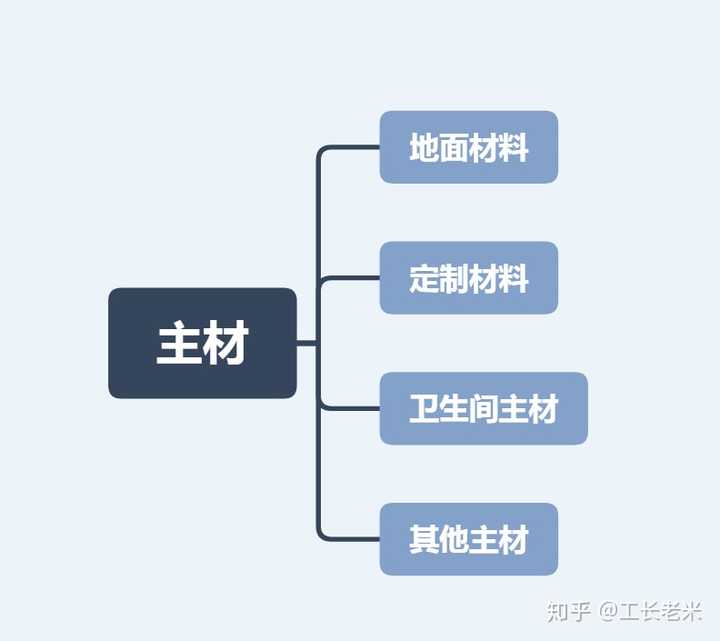
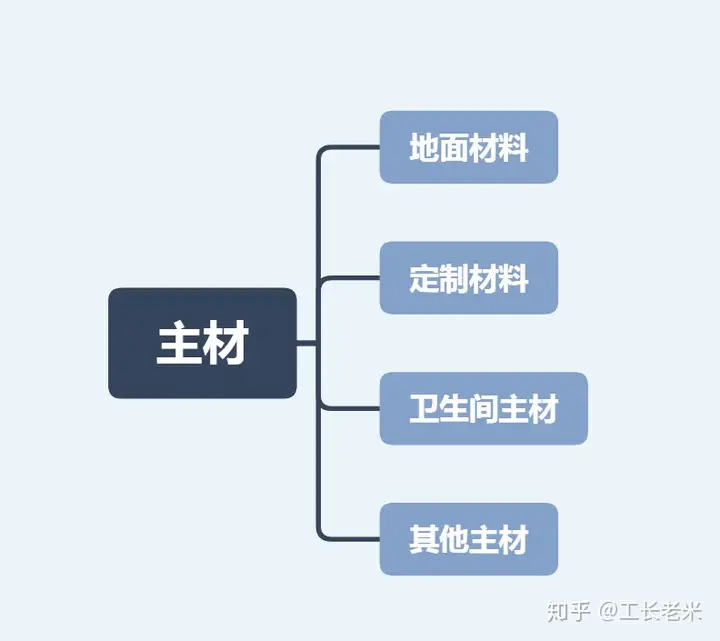
Image of construction materialsImage of flooring options

Currently, main materials for floors are typically tiles or flooring, with occasional use of terrazzo or self-leveling techniques, but these are less common. We’ll focus on how to choose tiles and flooring.

For tile selection, I’ll discuss two aspects: quality and price.

The first question many face is: Should I buy Guangdong tiles?

In the tile market, especially among sellers, Guangdong tiles are often synonymous with quality, leading some homeowners to insist on them. In reality, it’s unnecessary—it’s more of a marketing gimmick, and you’re unlikely to get genuine ones.

Take Chengdu’s tile market as an example: 90% of so-called “Guangdong tiles” are actually from Jiajiang, just sold under the Guangdong name. If the market were flooded with real Guangdong tiles, Guangdong would probably be excavated empty!

In terms of quality, Guangdong tiles do have a slight edge due to soil quality, but the cost isn’t worth it. The biggest expense for shipping real Guangdong tiles to Sichuan isn’t the tiles themselves but transportation. In Chengdu, you can’t buy genuine Guangdong tiles for under 200 yuan/㎡; with that budget, you can already get big-brand tiles.

Setting aside origin, how should we choose tiles? I’ve summarized some tips from my experience.

Good tiles have a gray or off-white body color.

Check the body for impurities—poor soil quality results in tiles with black spots, for instance, from excess iron. Many cheap tiles at 20-30 yuan/㎡ have impure bodies with impurities, making them brittle and best avoided.

The glaze on tiles should ideally be thicker; if too thin, the tile wears easily.

Brand markup for tiles is extremely severe, even among main materials where markup is common.

You can gauge markup by looking at sales commissions. I recall four or five years ago, a well-known tile brand offered 50% commissions to salespeople (though competition has reduced this now). That’s just sales commissions, excluding ads, venue costs, shipping, etc.—imagine how scary the markup is.

Since tile manufacturing isn’t overly complex, and they’re hard to damage if installed without hollow spots, the quality gap between large and small factories isn’t huge. If your renovation budget isn’t generous, there’s no need to pursue brands. For example, 800×800 living room tiles at 120–150 yuan/㎡ are perfectly usable, and 300×300 bathroom and kitchen tiles at 70–80 yuan/㎡ are decent.

Of course, expensive tiles have their reasons—the differences lie in patterns and texture for aesthetics, not practicality.

Flooring markup is less severe than tiles, and the market is relatively mature. While not entirely “you get what you pay for,” flooring prices are heavily influenced by materials.

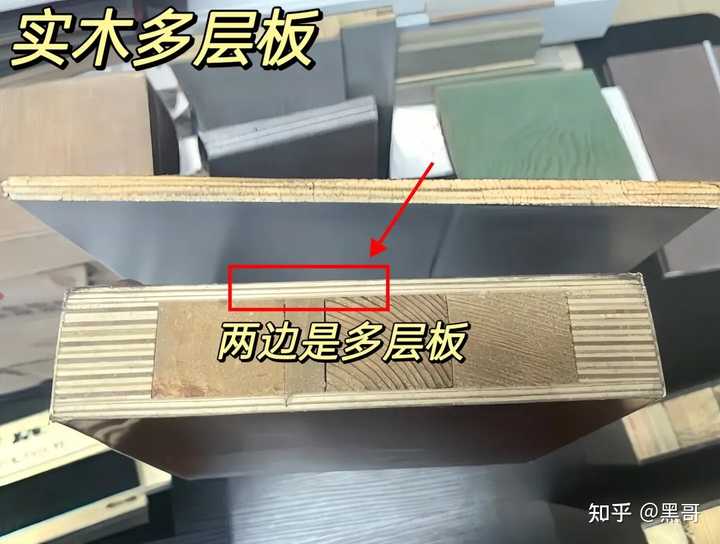
For instance, solid wood flooring is famously expensive—regardless of usability, the high cost is principled because solid wood materials are inherently more expensive than composite or multi-layer boards.

Similarly, multi-layer composite boards are generally priced higher than laminate flooring (though some branded laminates are also pricey), again due to higher costs.

Lastly, on environmental concerns: flooring has higher formaldehyde levels than tiles, but don’t worry too much. Modern manufacturing processes are mature, and as long as you buy正规 flooring, environmental standards are usually met.

Custom-type main materials mainly refer to three categories: custom cabinets, custom kitchen cabinets, and custom doors and windows. Let’s discuss them in detail.

Custom cabinets are probably the biggest expense among main materials. For two bedrooms, customizing two wardrobes plus a shoe cabinet and laundry cabinet can easily cost 10,000–20,000 yuan.

Price differences for custom cabinets are large, primarily based on business scale. Branded custom options, like索菲亚 or欧派, average around 1300 yuan/㎡, while non-branded small businesses are cheaper, averaging 600–800 yuan/㎡. Most budget-conscious families opt for small businesses.

The price gap between branded and non-branded is significant, but I don’t feel the quality difference is that big. Although called custom, cabinet manufacturing isn’t complex—businesses use finished boards (e.g., Kronospan, Egger,兔宝宝,露水河), with differences mainly in design and installation details like edging.

The large price difference doesn’t mean expensive options are scams or cheap ones are poor—it depends on your消费观. If money isn’t an issue and you seek质感, choose big brands with better service and details. For刚需 families, go for small businesses with better性价比.

Wardrobe and kitchen cabinet markets are similar, with many businesses handling both.

Kitchen cabinet customization also splits into big brands and small businesses, with about half the price difference. But kitchen cabinets differ from wardrobes in one key aspect, which is why I’m discussing them separately.

The most unique thing about kitchen cabinets is their pricing method, which can be tricky for renovation newbies to navigate.

Wardrobes are usually priced by投影面积, but kitchen cabinets aren’t—they’re itemized: countertops at one price, cabinets at another, pull-out baskets and racks sold separately, holes drilled for extra fees, etc. It’s very complicated. Often, homeowners mistake a single item’s price for the total, get忽悠ed by sales, and find the final cost far exceeds expectations after paying a deposit.

I’ve thought about this: businesses make pricing complex mainly because quoting a total price upfront seems too expensive and scares customers away.

Of course, kitchen cabinet sellers offer套餐报价, like a package with so many meters of cabinets, base cabinets, countertops, and maybe a free range hood. It looks great, but in reality, these packages have limited options and often exclude pull-outs, dish racks, drawers, etc., potentially costing more than itemized pricing in the end.

Doors, especially wooden ones, have a complex market, though not as bad as tiles, with serious brand markup. For刚需, a 1000+ yuan painted door is more than sufficient for daily use. If you want better, spend more on good locks and hardware, or upgrade the soundproofing strips.

For刚需 families, I don’t think doors costing 4000–5000 yuan or even 10,000 are necessary.

Brands boast about materials,环保, high-tech, etc., but think about it: a door’s main function is separation. Our key needs are that it doesn’t warp, opens and closes smoothly, and has good sound insulation. As for环保, how much area does a door cover? How much formaldehyde can it emit? And high-tech—even if real, it’s still just a door.

Nowadays, homeowners also care about颜值, but the entire door industry copies designs. Non-branded doors can look great too, so if budget is tight, no need to overspend on doors.

Window customization is more complicated and hard to summarize briefly. I’ve written a dedicated piece on it; interested friends can check it out here.
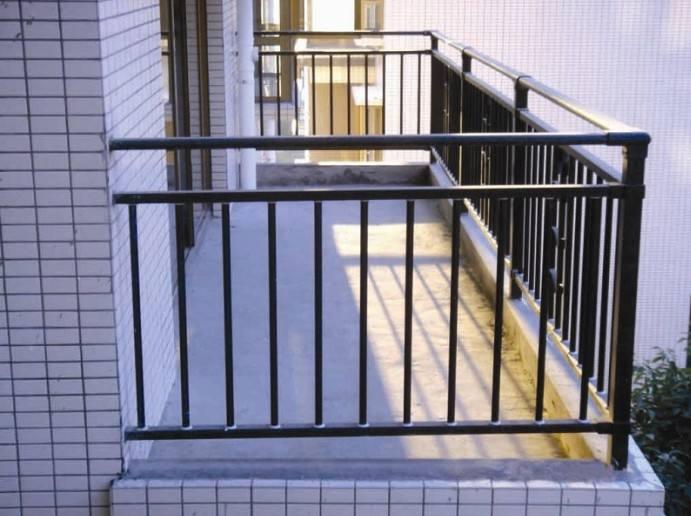
Image of window customization

Bathroom main materials are essentially bathroom fixtures, including toilets, vanity cabinets, showers, and五金 like drains.

Compared to other main materials, the bathroom fixture market is mature and straightforward.

Brands aren’t without markup, but it’s mostly you get what you pay for. If you’re interested, visit markets and compare—unlike branded tiles or cabinets, branded bathroom fixtures rarely have big discounts. If you see a major brand with huge markdowns, it’s likely counterfeit.

So, if you want to save on bathroom fixtures, buy non-branded—they’re much cheaper. But personally, I think bathroom fixtures are worth investing in more than tiles or flooring, because they’re used frequently. Long-term, better ones last longer and offer a better experience.

Also, for bathroom五金 like drains, angle valves, and faucets, I recommend buying the best within your budget. Though price differences are large, unit costs are low—upgrading all to brands might only cost a few hundred to a thousand yuan more, offering great性价比.

Other main materials主要指墙面装饰 like paint,硅藻泥, and wallpaper. Different companies classify these as main or auxiliary; I categorize them as main. Let’s take a closer look.

Paint is worth discussing—in earlier years, brand markup was severe. Sellers just marketed against formaldehyde, labeling products as odor-free, non-toxic, formaldehyde-absorbing, etc., and they sold easily. But now, homeowners are more rational, less fearful of paint’s甲醛 issues, so the market is normalizing. For price and buying tips, I won’t elaborate here; interested readers can follow the link below.
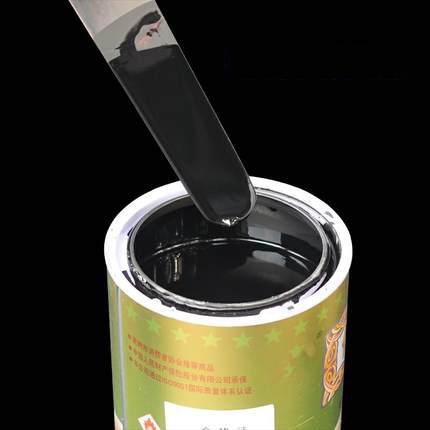
Image of paint options

硅藻泥 as a wall decoration was niche three years ago, but not anymore. On Zhihu, I often get questions like: Is硅藻泥 a智商税?

My view on whether it’s a智商税 depends on your purpose for buying it.

Wallpaper has lower性价比 than paint and doesn’t suit the popular “minimalist” style well, but for cozy or质感-focused styles, it’s suitable, though good wallpaper isn’t cheap.

Above are some of my suggestions for renovation material choices—I hope they’re helpful.

Ultimate Guide to Choosing Home Renovation Materials: Expert Tips for Tiles, Paint, Doors, Flooring, and Lighting Selection

Young people today often have good economic conditions for home renovation and seek advice on selecting main materials. Actually, it’s not difficult; it depends on the consumer’s needs and budget.

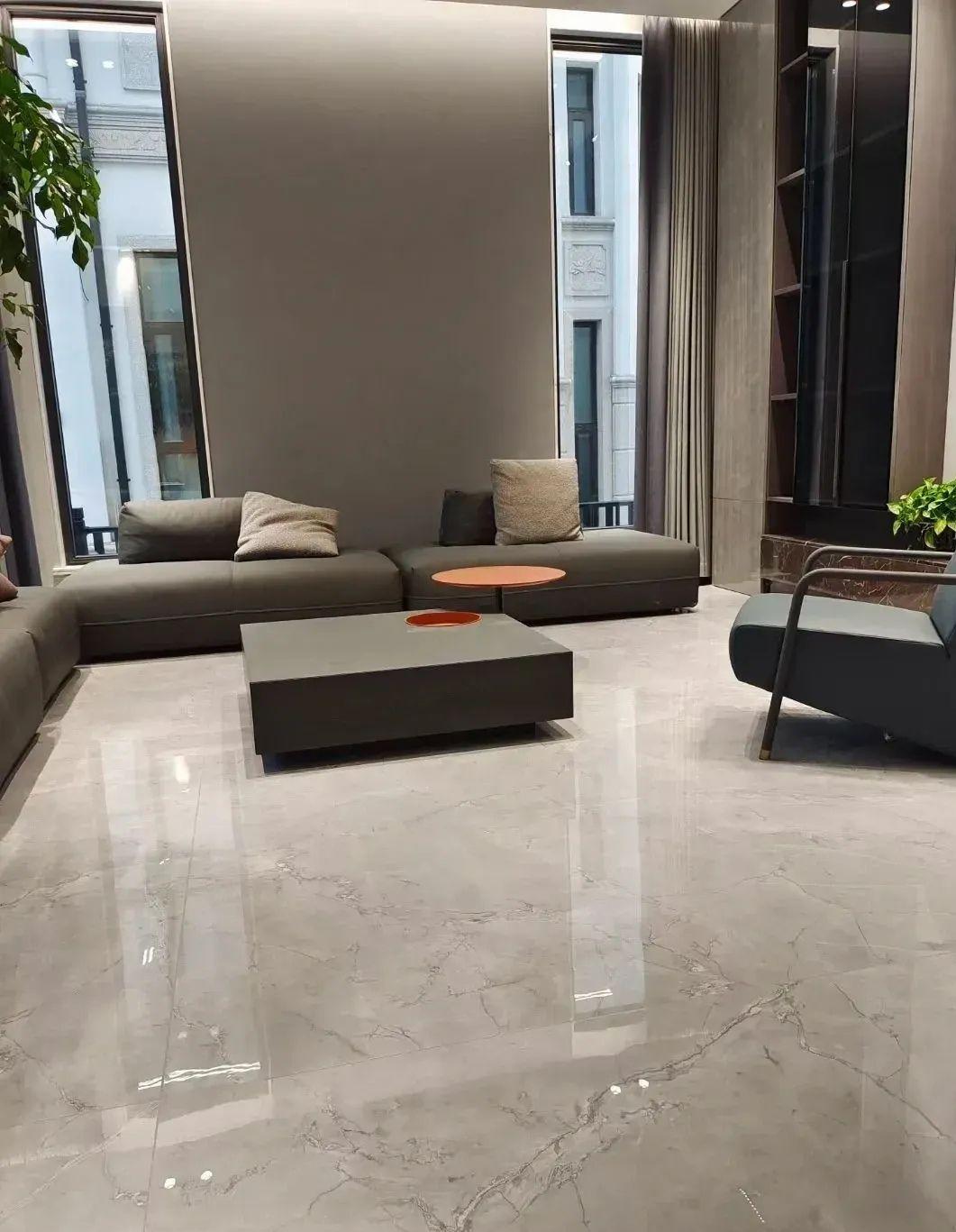
For those with ample budget, choose plain matte tiles with matching grout for a seamless look. For limited budget, choose glossy tiles as they are affordable and easy to clean. Avoid matte tiles as they are too hard to clean.

In terms of size, 800×800 is standard. If funds are sufficient, 150×75 is better with fewer seams, making it more grand. But avoid 120×60 for floors as it looks ugly no matter how laid; it’s more suitable for kitchen and bathroom walls.

The quality and eco-friendliness of domestic latex paint already far meet the needs of home renovation, so there’s no need to choose so-called imported latex paint. If you don’t believe it, you can look into it and find that imported latex paint is also produced domestically, using domestic raw materials, and some are even less eco-friendly than domestic ones.

Image

Additionally, any claims such as children’s bamboo charcoal, odor-free anti-mold, Blue Angel certification, or A+ certification are marketing tactics for laypeople; more selling points mean more money spent.

When choosing latex paint, only focus on two points: for eco-friendliness, look for the Ten-ring certification; for quality grade, prefer premium grade, then first-grade.

Image

Lastly, the purchase channel should be online official flagship stores.

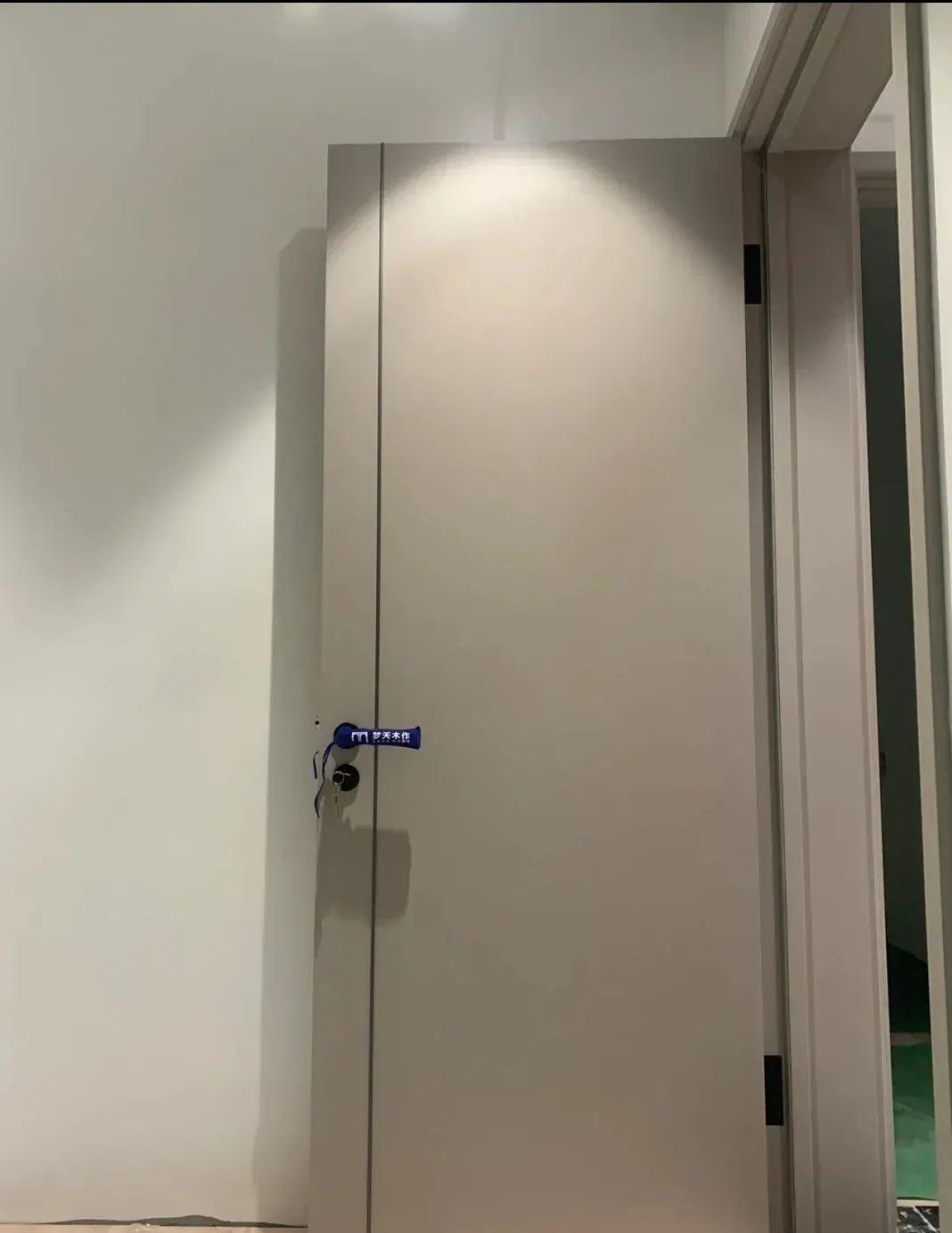
For those who prioritize appearance, choose painted doors; for practicality, lacquer-free doors are a good choice. Whether choosing painted or lacquer-free, solid wood composite doors are correct.

Image

Pure solid wood doors are more eco-friendly but expensive and have risks of cracking and deformation, not as stable as solid wood composite doors. Door core prefer wood block filling, then bridge structure; honeycomb paper filling should not be taken even if free.

For door hinges, choose flat-opening over mother-child as they have better load-bearing.

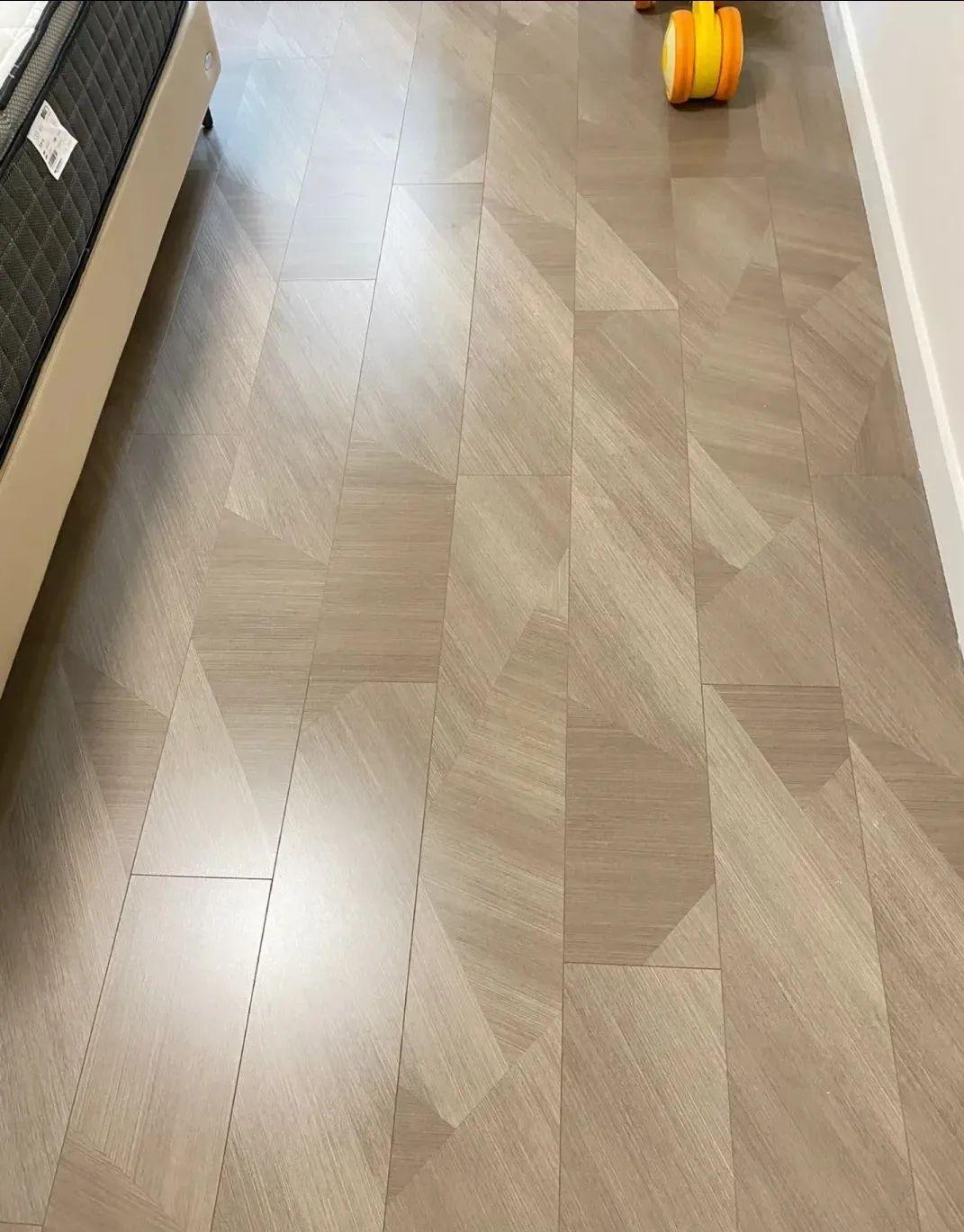
Ordinary families are not recommended to use pure solid wood flooring because it is not only expensive but also difficult to maintain and prone to problems later. If you are in a villa or large flat, pure solid wood flooring is the best choice.

For ordinary residences, multi-layer solid wood is recommended. If there is underfloor heating, choose 7 or 9 layers for high stability; the disadvantage is that the surface is thin and not very wear-resistant. If no underfloor heating, three-layer solid wood is better, more eco-friendly, and the surface is thick enough.

If using laminate flooring, eco-friendliness must be prioritized, and be sure to choose big brands.

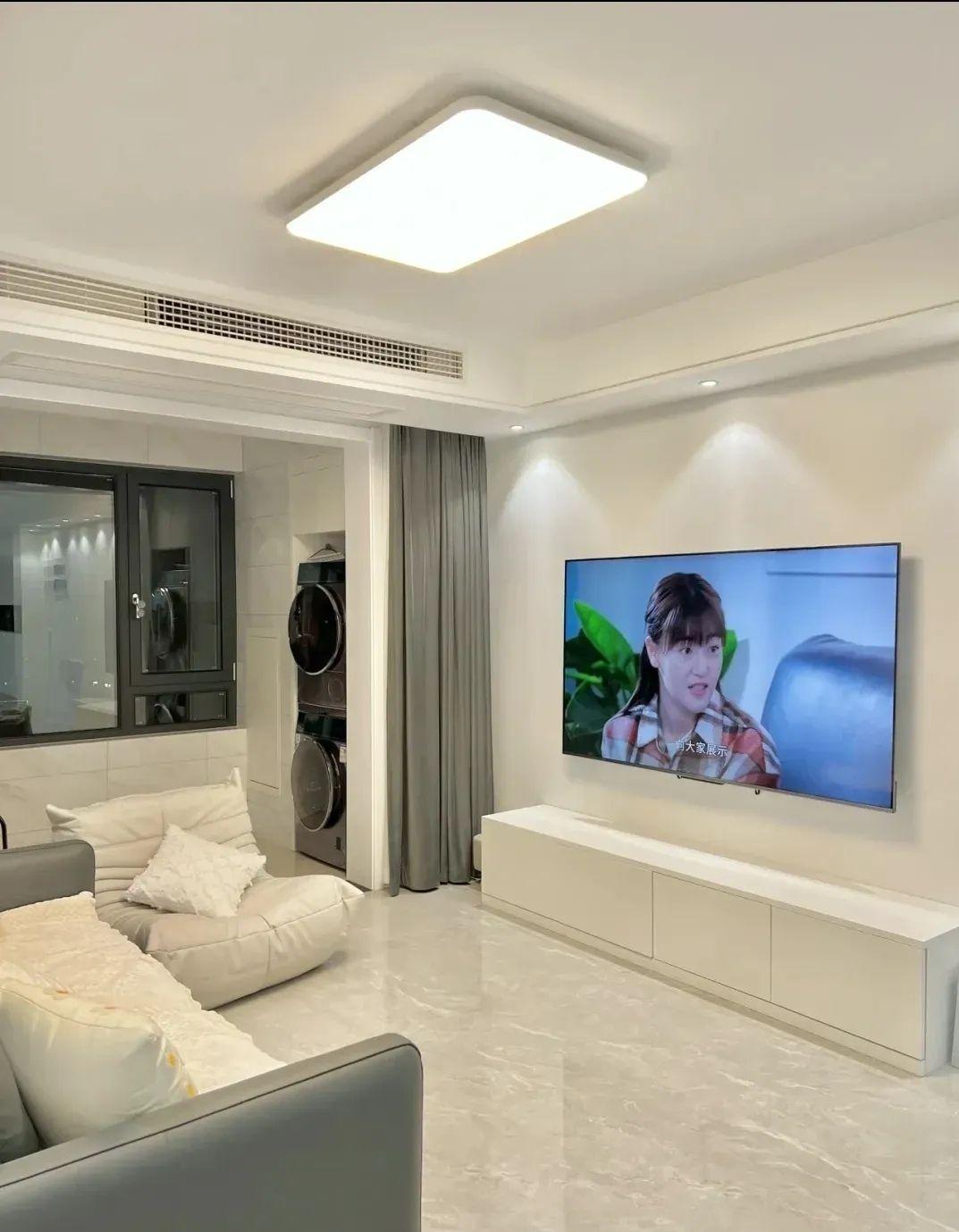
Actually, for lighting, it can be completely purchased online. Choose shipment from Zhongshan, Guangdong for quality assurance, and the price will be much cheaper. Merchants will include delivery, installation, and after-sales, so no worries at all.

For size, don’t guess blindly. There’s a simple method: add the room length and width, divide by 12, and you can pick the most suitable size.

For living room, choose 4000 to 4500K color temperature; for dining room, choose 3000 to 3500K soft light; for bedroom, choose 3000K to help sleep well. As for brightness, it’s simpler: room area multiplied by 3 to 5 watts, e.g., for a 10 sqm bedroom, choose about 30 watts.

These 5 main materials are used in every home renovation, so do enough homework, understand clearly, to avoid being cheated.

Expert Guide to Choosing High-Quality Panels for Home Furniture: Wardrobes, Bathroom Cabinets, Kitchen Cabinets, and Shoe Cabinets with Anti-Deformation, Moisture Resistance, and Hygiene Features

Today, let’s discuss how to choose the right panels for your home decoration projects.

For floor-to-ceiling wardrobes: Select Schattdecor Purple Coral panels, Egger panels, or Forest Dove panels. Forest Dove and Schattdecor Purple Coral cost around 1000 per projection for a 2.8-meter door without needing straighteners, while Egger starts at 1300+ for similar quality.

For regular wardrobes: Use OSB or Schattdecor Purple Coral LSB Xiangshan boards for doors to resist deformation. For the cabinet body, particle board or multi-layer board from brands like Wanhua, Tu Bao Bao, or Forest Dove are suitable, with comparable prices and numerous options.

For bathroom cabinets: Choose panels with low water absorption expansion rates to prevent deformation in humid environments. Consider Schattdecor Purple Coral 6F Pure Board or Forest Dove 6s Pure Board, which have a 2-hour water absorption expansion rate of ≤2%, exceeding national standards and ensuring long-term durability.

For kitchen cabinets: Focus on panel surfaces that are easy to clean, as kitchens are high-grease areas. Schattdecor Purple Coral double-sided Xiangshan board or Oak Pure Board are recommended, featuring German Schattdecor surfaces that resist cleaning agents, repeated wiping without fading, and offer耐磨,耐刮, and easy maintenance.

For shoe cabinets: Besides anti-deformation and moisture resistance, prioritize antibacterial properties. Schattdecor Purple Coral Xiangshan board is ideal, with a zinc ion coating on the surface and xiangshan alcohol inside, emitting a pleasant wood fragrance that kills bacteria and reduces shoe odor.

Comprehensive Guide to Top Home Improvement Brands: Expert Recommendations for Tiles, Wood Doors, Paints, Switches, Sanitary Ware, and Lighting Solutions

Tiles

There are over 1500 tile brands in the current market, with more than 150 major brands from Guangdong. Honestly, the quality and control are not bad.

Image

In terms of reputation and sales, Marco Polo is the first choice, with its antique tiles being unique and services reliable. Dongpeng and Guangzhou are secondary choices; the former has balanced products with sales second only to Marco, and Guangzhou is more affordable.

Image

Another option is Philiger, a German joint venture with better quality and higher standards, but the only drawback is the slightly higher price.

Image

Wood Doors

For high-end wood doors, Mengtian is the first choice; for quiet and fashionable doors, TATA is preferred; for healthy and environmentally friendly options, 3D paintless wood doors are recommended.

Image

Paints

Brands with large scale, advanced equipment, technology and quality not losing to imported brands. Dulux is the first choice, Nippon is secondary. The reason is that Dulux is more focused on home decoration with higher environmental protection. Of course, Sanikeshu and Carpoly are also good, but less well-known.

Image

Switches and Sockets

Siemens is household, but the disadvantage is many counterfeits in the market. Domestically, Bull is the first choice, a leading domestic brand with good reputation and high safety. Delixi and Chint are secondary choices, with good quality and more affordable prices.

Image

Sanitary Ware

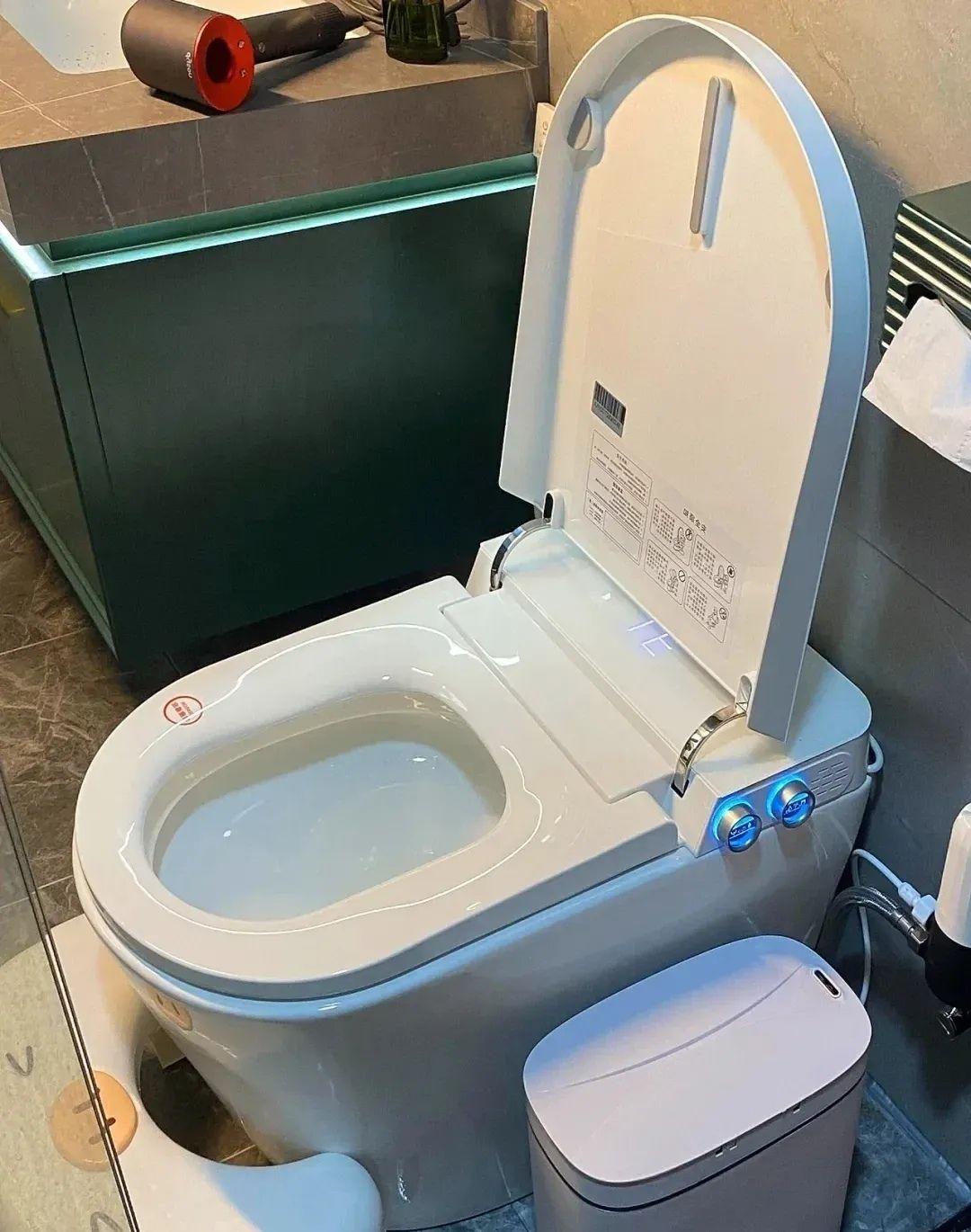
For smart toilets, TOTO is the first choice with advanced smart technology. For domestic brands, for sanitary products, Hegii is preferred; for hardware, Jomoo is preferred. For comprehensive products and cost-effective brands, Huid and Arrow can be chosen.

Image

Lighting

Secondary choices are NVC Lighting and Philips. NVC Lighting’s flagship product is LED lights, with years of foundation in the commercial field, and it is also a powerful player. Philips is the earliest company to produce light bulbs and is still a leading brand in the lighting field, with strength not to be underestimated.

Ultimate Guide to Choosing High-Quality Tiles: Expert Tips for Durability, Aesthetics, and Avoiding Common Pitfalls in Home Renovation

Tiles are an essential decorative material in home renovation, used in various parts of the house. However, the market offers numerous types and brands of tiles, making it challenging for homeowners to select high-quality, cost-effective options without falling for scams.

Poor tile selection can lead to unsatisfactory decoration effects and compromised quality. Many homeowners encounter issues like cracks near kitchen stoves, widening gaps between tiles, black spots on surfaces, and a fishy odor after mopping floors.

These problems often stem from tile quality issues. For example, insufficient sintering and low hardness can cause cracks due to temperature fluctuations; uneven tile edges result in large gaps after installation; high iron content during firing leads to black spots; and low density allows water absorption, causing persistent odors.

So, how can you choose tiles and assess their quality? Here is a comprehensive guide to help you avoid pitfalls and make informed decisions.

For tiles of the same specification, heavier weight typically indicates better quality, as higher density enhances pressure resistance and wear performance.

High-quality tiles feature clear patterns, minimal color variation, uniform color, gloss, and fine craftsmanship, without black spots, cracks, or scratches.

When purchasing tiles, always check the quality inspection report, prioritizing those with reports issued within the last six months and certified as qualified.

Perform a water absorption test by dropping water on the tile’s back. Quick absorption suggests low density and poor quality, while slow absorption indicates high density and superior quality.

Gently tap the tile with your finger. A clear, crisp sound signifies no cracks and low water absorption, denoting good quality; a dull, muffled sound points to poor sintering, potential cracks, and low strength.

Place tiles from the same batch on a flat surface to check for unevenness. Also, examine the joint effect of two tiles; high-quality tiles maintain straight lines, minimal deformation, and a smooth, aesthetic surface after installation.

We are a very complete car parts, 95% of the basic accessories can be found

×
WhatsApp WhatsApp contact me online