• 0

    No products in the cart.

Archives 2025

Comprehensive Comparison: Key Differences Between 1000 RMB and 3000 RMB Toilets in Material Quality, Flushing Systems, and Smart Features for Better Home Choices

What is the Difference Between 1000 RMB and 3000 RMB Toilets?

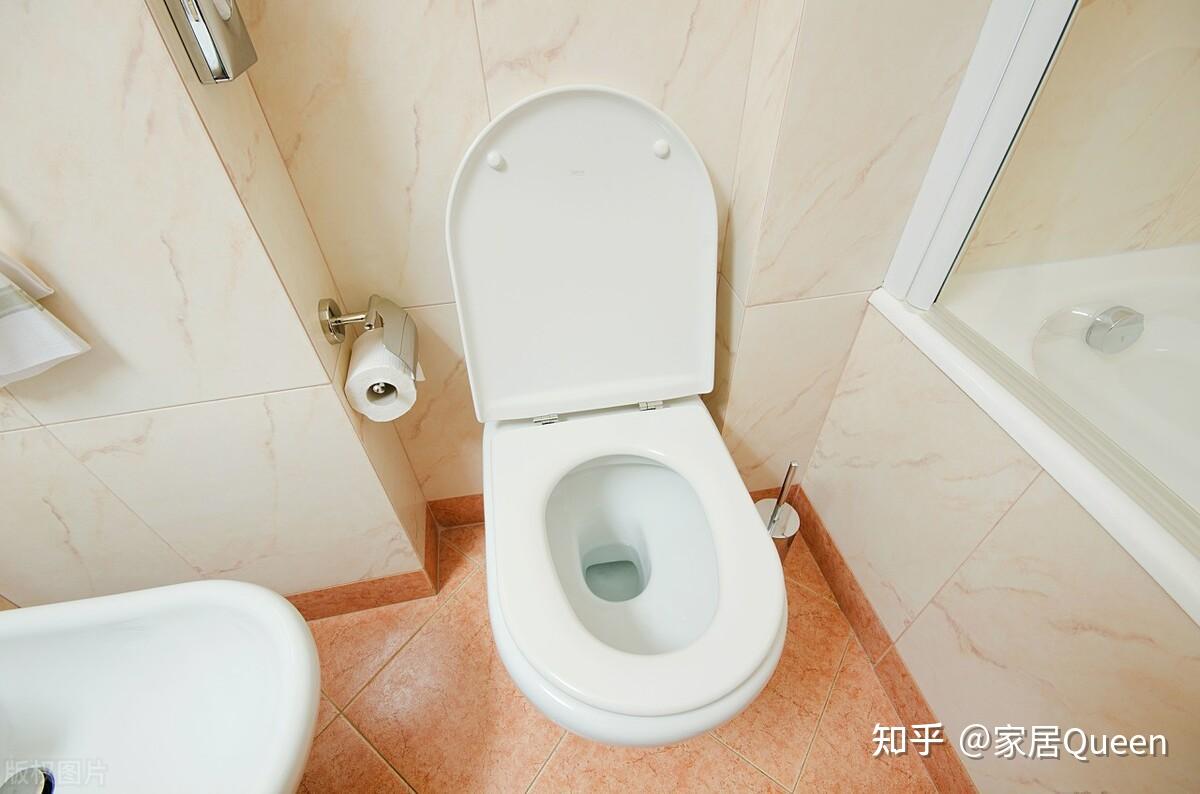
When buying a toilet for the first time without experience, I purchased one recommended by the salesperson as cheap and cost-effective, but it broke down soon after. That’s when I realized the importance of understanding toilet materials.

Image

Toilets priced at a few hundred RMB may seem functional, but they have a shorter lifespan and are made from rougher materials. However, toilets above 1000 RMB show a significant improvement in quality.

Image

After replacing my toilet three times, I finally understood the distinctions between 1000 RMB and 3000 RMB toilets, and the results were eye-opening.

Image

Initially, I didn’t realize how big the differences were between toilets, but after learning more, the most obvious distinction is quality, which can be seen from the weight.

Image

Many toilets around 1000 RMB or below do not meet weight standards, making them lighter and more prone to damage, especially with thin toilet seats.

Image

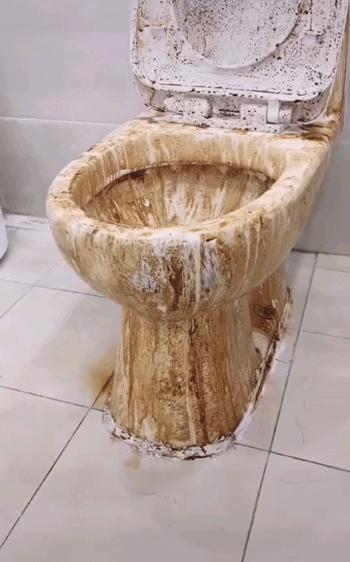
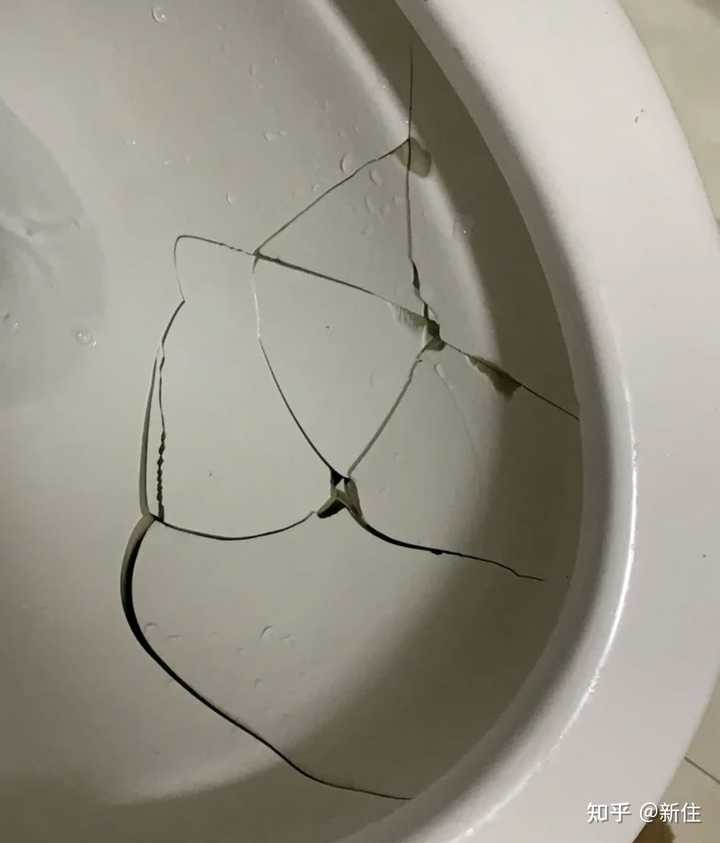
Some toilets develop yellowing on the seat after a short time, while others crack in half when sat on after prolonged use.

Image

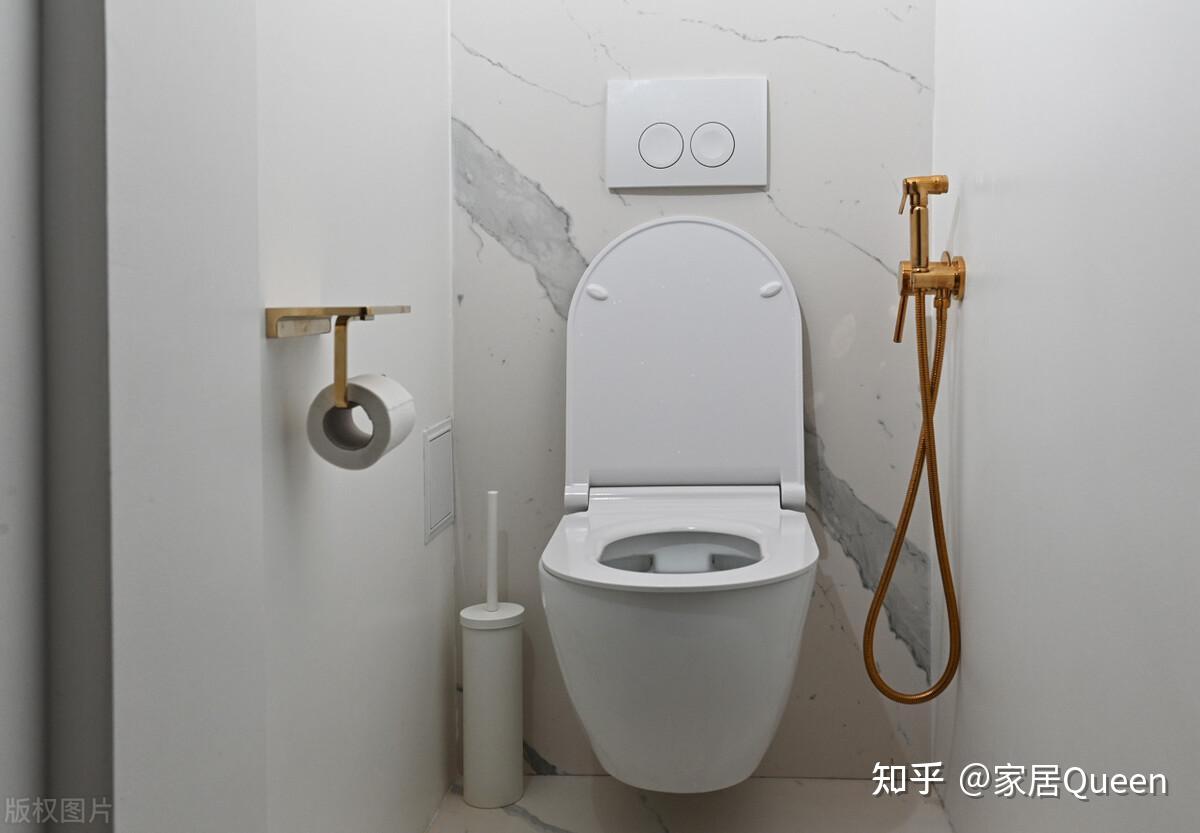
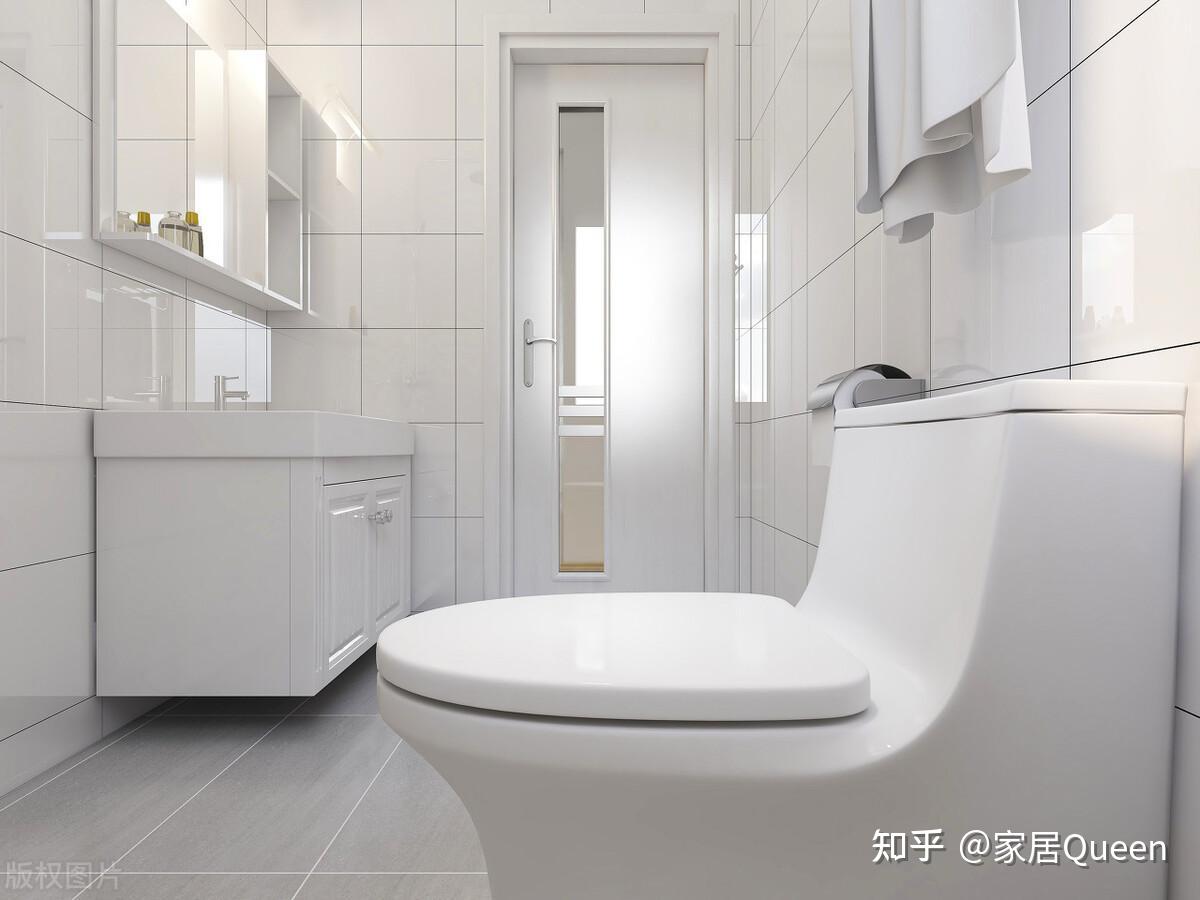
Many households have similar toilet styles, but beyond common designs, there are many variations. Toilets around 3000 RMB not only have sleek, advanced appearances but also superior functionality.

Image

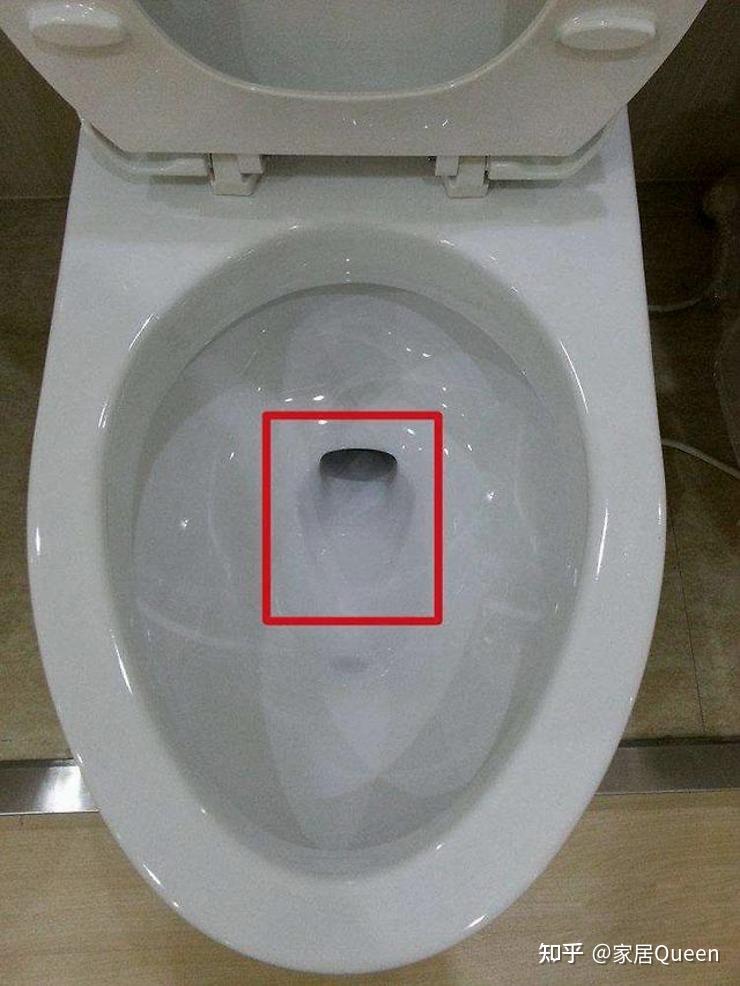
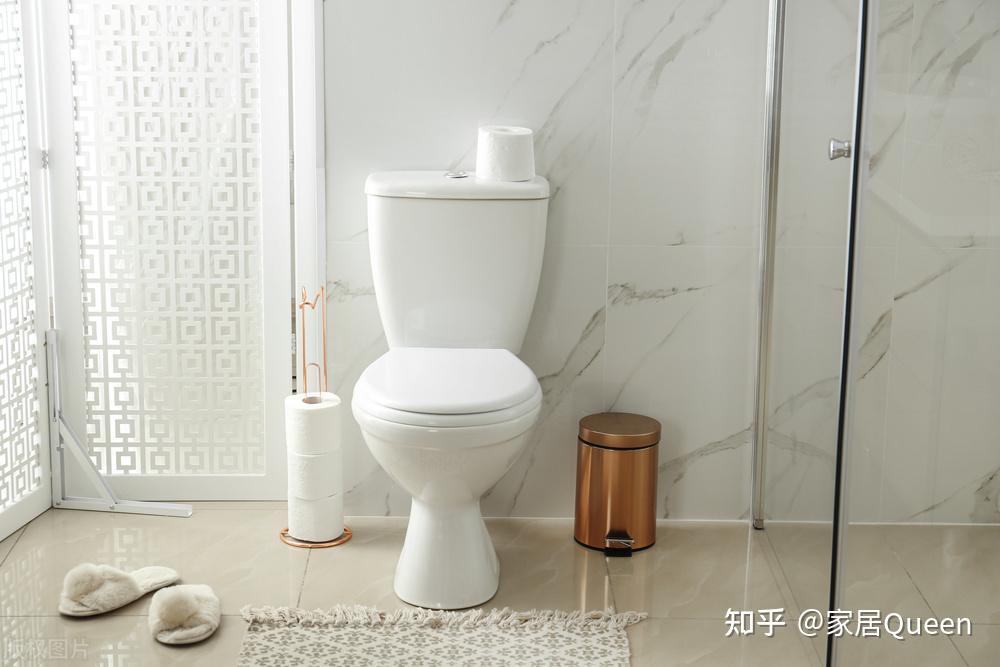
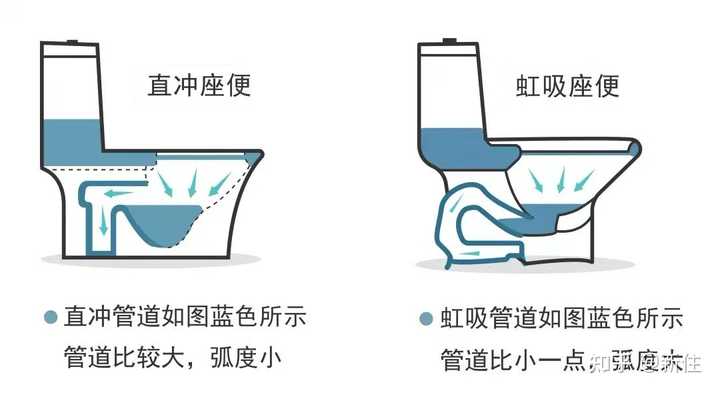
When purchasing a toilet, cheaper options often use direct flush systems, which have strong flushing power initially.

GIF Cover

However, direct flush toilets can cause water to splash out during flushing, and over time, the flushing power decreases, leading to clogging issues.

Image

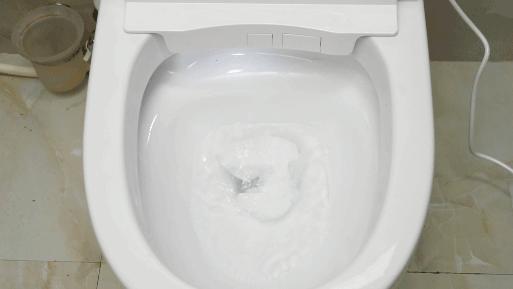
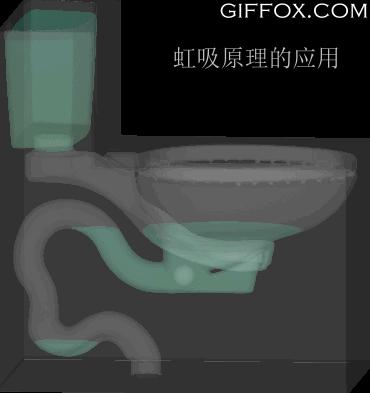
In contrast, more expensive toilets typically use siphon flush systems, which prevent water splashing, reduce clogging, clean more thoroughly without residue, and offer a quieter operation.

GIF Cover

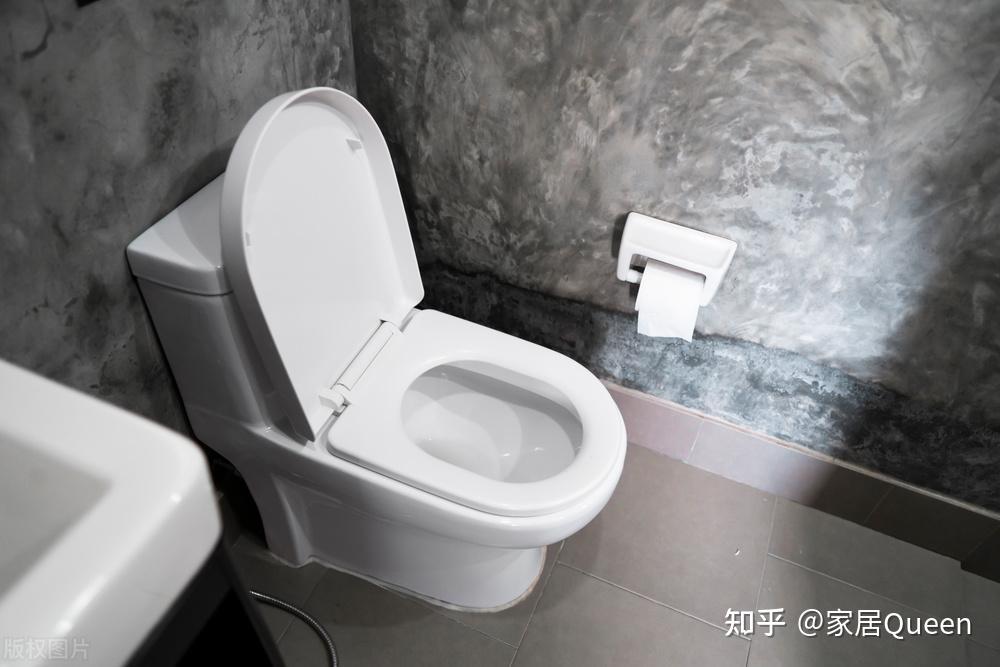
When buying a toilet, many people don’t inspect the glaze surface. While it may look smooth visually, it’s advisable to crouch down and touch the surface manually.

Image

You’ll notice a clear difference between 1000 RMB and 3000 RMB toilets: cheaper ones have rougher glaze with pores that trap dirt and emit odors, while pricier models have smoother, pore-free surfaces that simplify cleaning.

Image

Additionally, 3000 RMB toilets feature a more refined glaze that minimizes maintenance hassles.

Image

It’s recommended to avoid small-brand toilets, as after-sales service is crucial. Small brands often lack reliable support and poor service attitudes after purchase.

Image

In contrast, major brands provide dedicated after-sales service for any issues that arise.

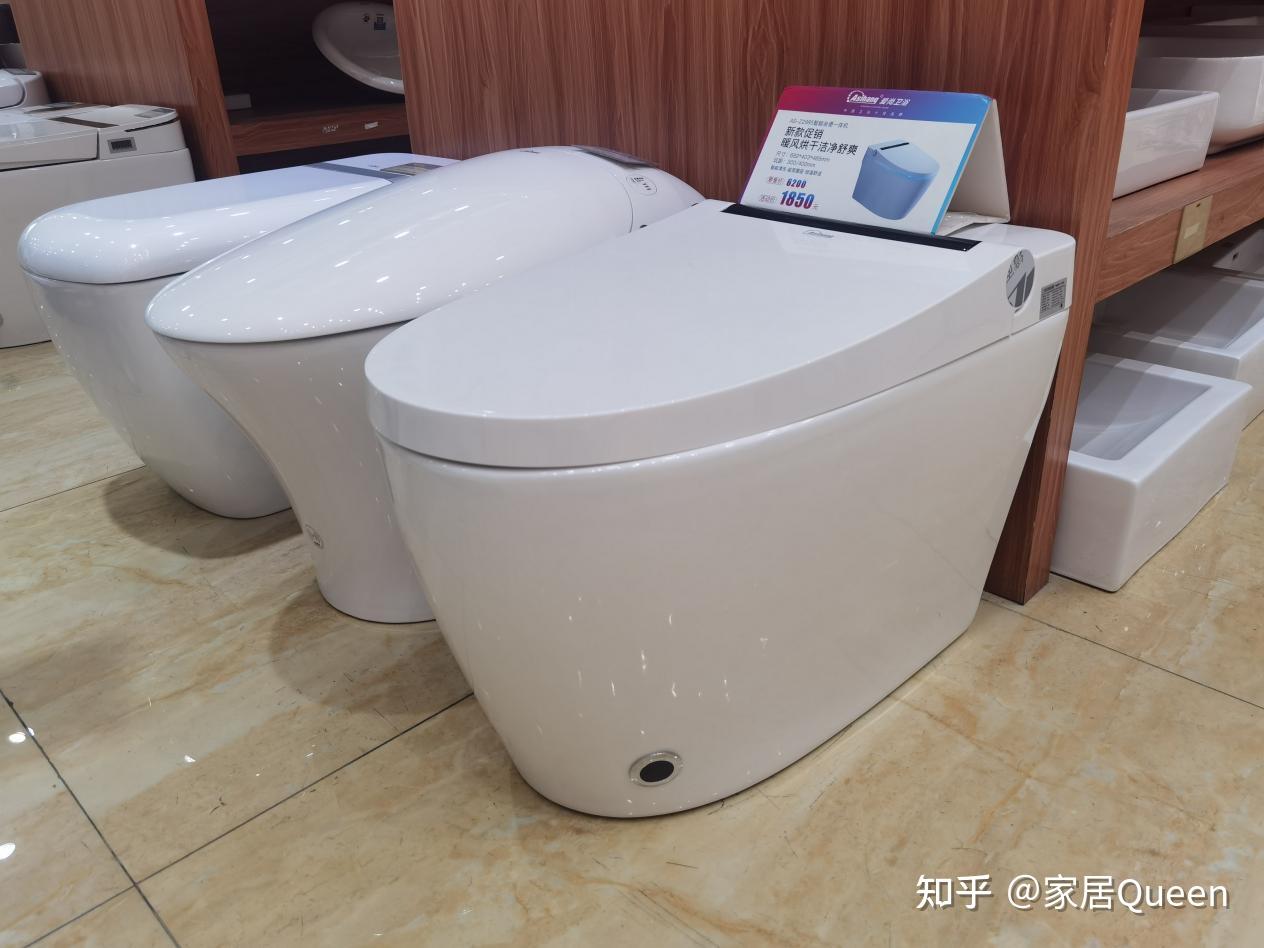
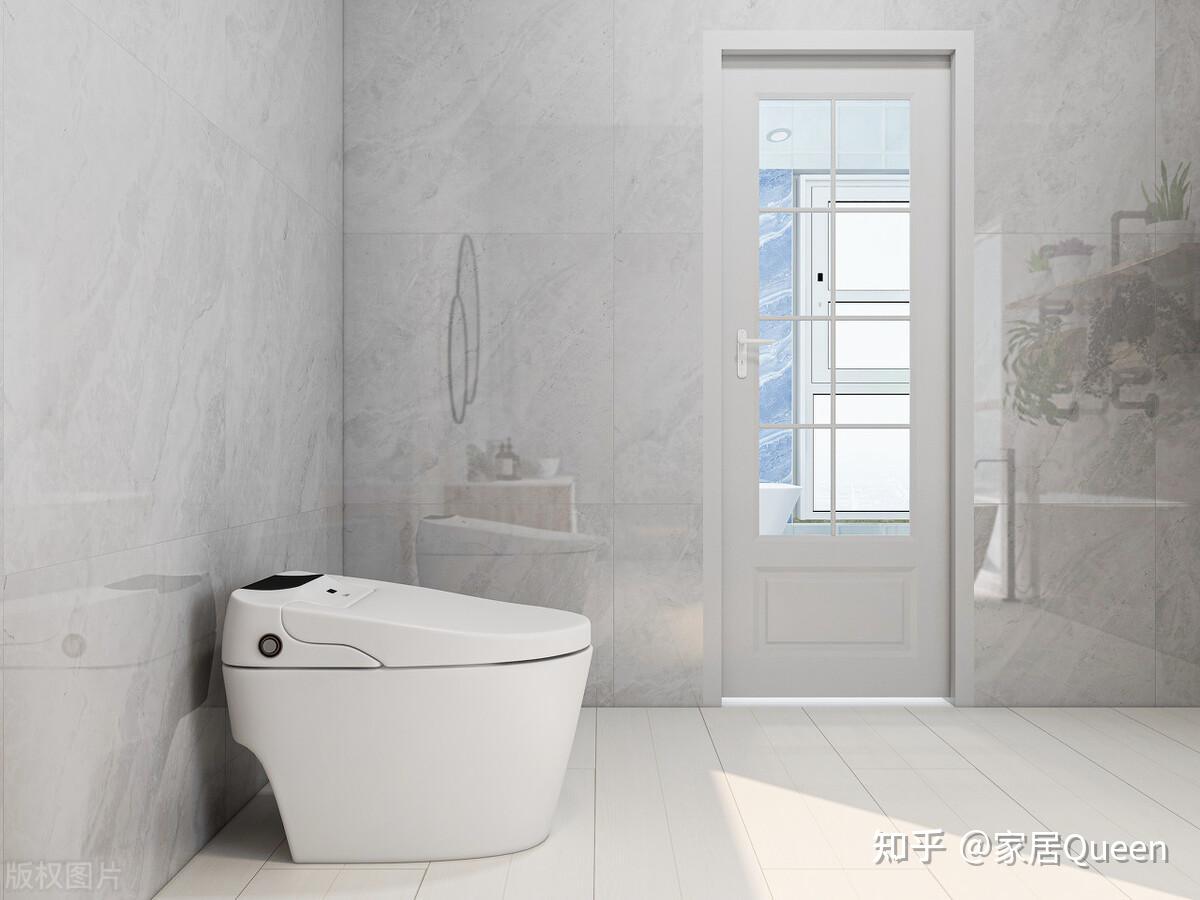
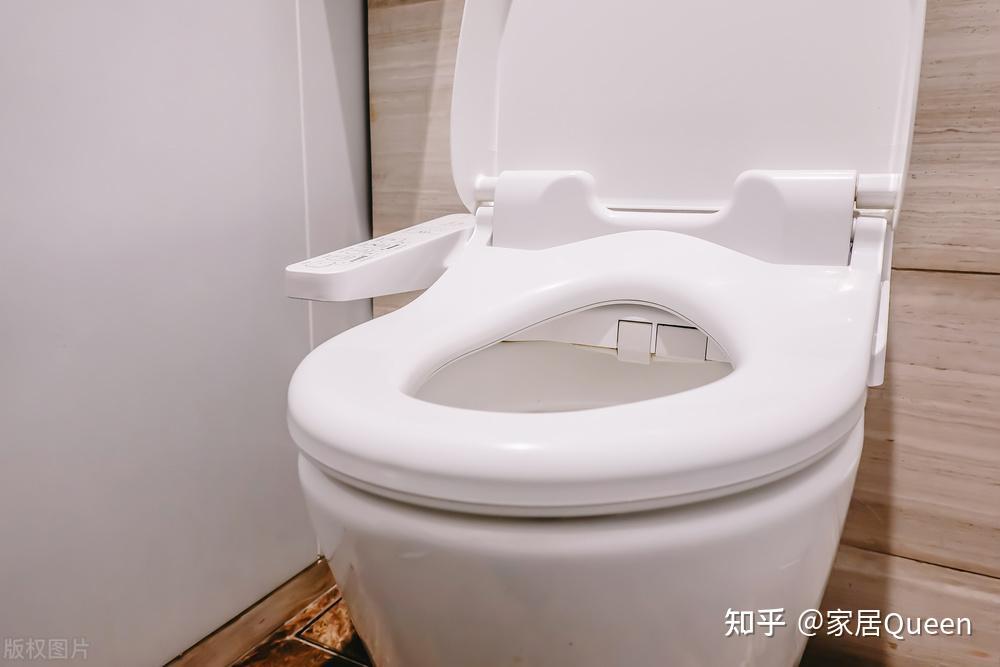
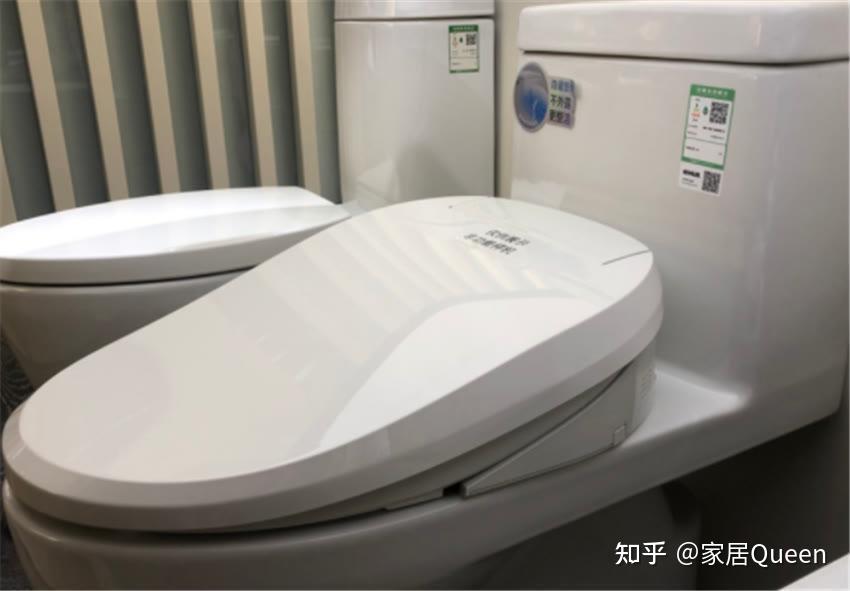
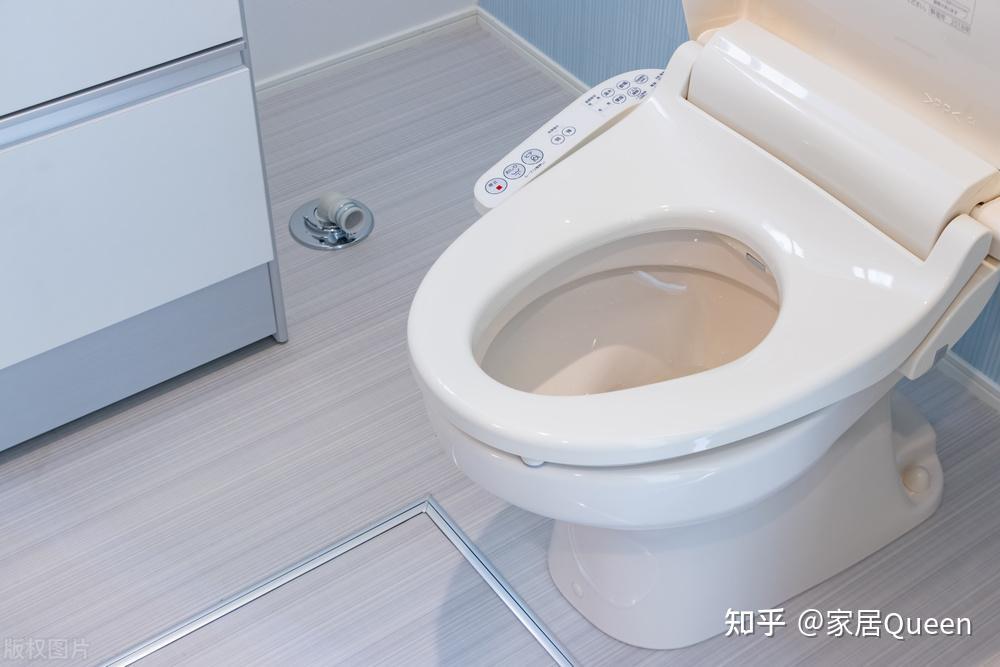
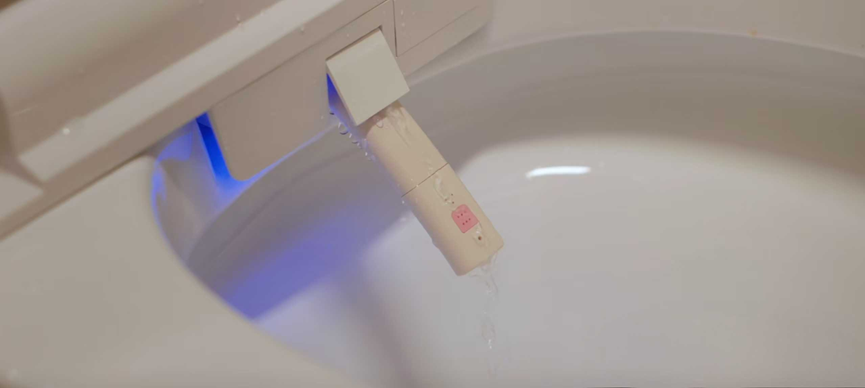
Toilets around 1000 RMB are generally basic models with only flushing functions, but 3000 RMB options can include smart toilets with features like feminine wash, bidet washing, and drying capabilities.

Image

Smart toilets offer seat heating for comfort, avoiding cold surfaces, and many have automatic sensors that trigger flushing when you leave, providing hands-free convenience.

Image

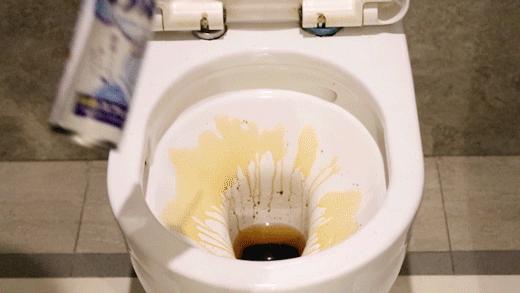
Cleaning differences are also notable: cheaper toilets accumulate stains quickly, with yellow grime penetrating the interior, while higher-end models resist such issues. For effective cleaning, using a toilet bubble cleaning mousse is suggested.

GIF Cover

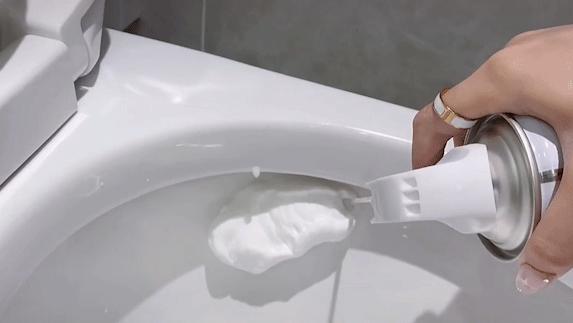
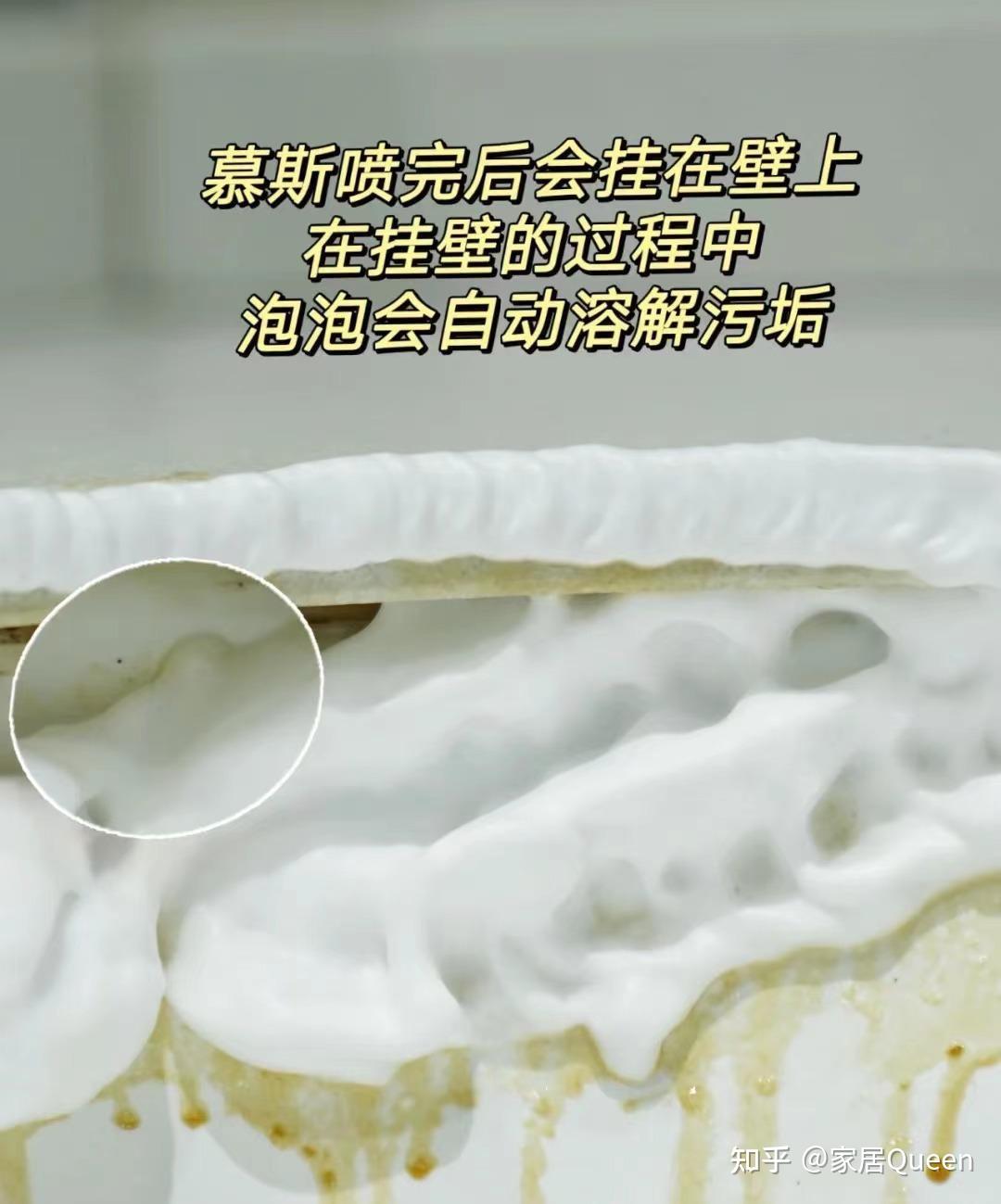
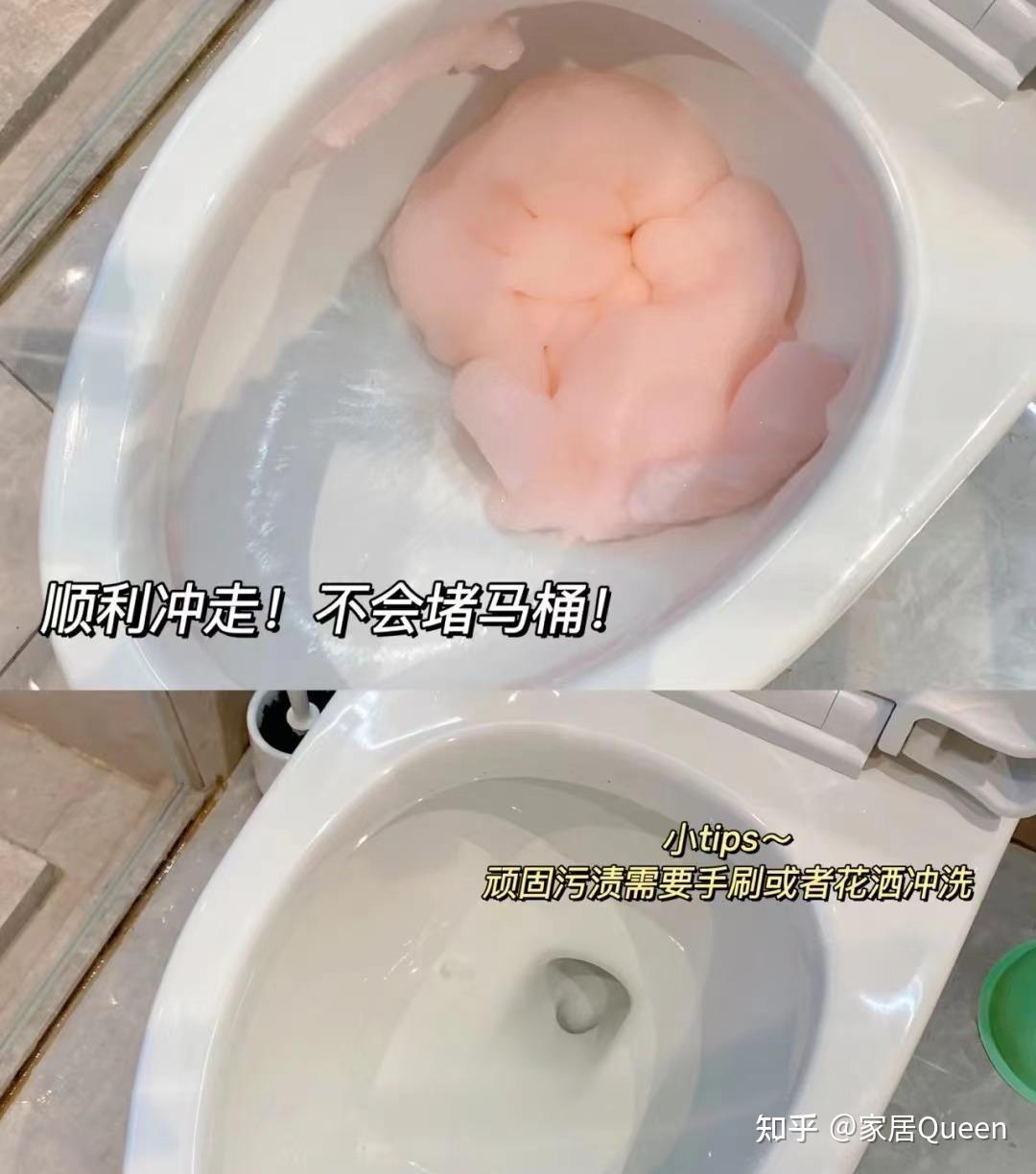
If regular toilet brushes don’t clean thoroughly, the toilet bubble cleaning mousse can help. It’s a foam-based cleaner with excellent coverage, forming dense bubbles that float and don’t dissolve quickly.

Image

The foam envelops and breaks down stains on the toilet surface, making it easy to clean toilets of any material.

ImageGIF Cover

This cleaning mousse also deodorizes, eliminating unpleasant odors from stains.

GIF Cover

Its formula is gentle, derived from natural plant extracts, allowing safe hand contact without skin irritation.

GIF Cover

After three toilet replacements, I’ve grasped the key differences between 1000 RMB and 3000 RMB toilets, realizing my earlier choices were misguided—it’s a sobering insight.

Ultimate Toilet Buying Guide: 9 Expert Tips to Avoid Scams and Select the Perfect Toilet for Your Home

Beginner’s Guide to Choosing a Toilet: 9 Key Points to Avoid Pitfalls

Selecting the wrong toilet can lead to water waste, flushing noise, and stained surfaces, but the most frustrating issues are frequent clogging, part replacements, and bad odors.

This guide covers two parts: toilet selection tips and cleaning methods, explained in detail.

Follow these 9 points to become an expert and avoid being misled.

Clogging isn’t just about drainage—it’s directly affected by pipe material. Rough pipes trap waste and build up scale, gradually narrowing the passage and slowing flow.

When choosing a toilet, opt for one with fully glazed pipes.

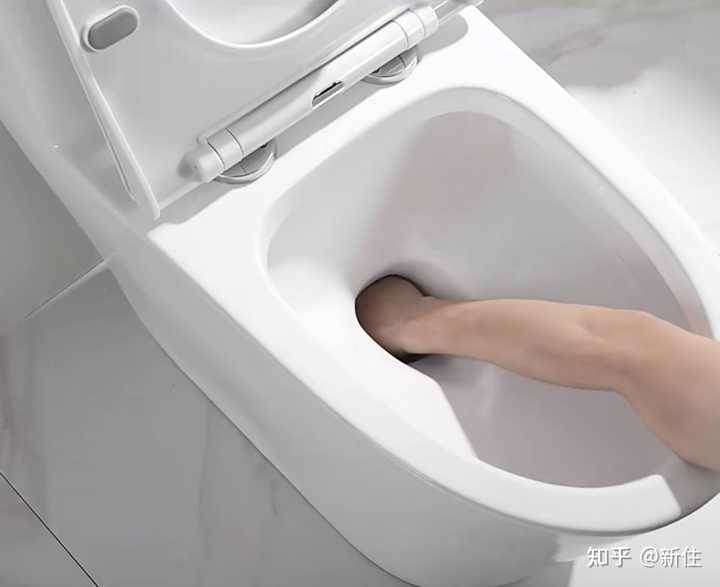
Method: Insert your hand to feel the trapway’s smoothness. If it feels gritty, the S-bend isn’t glazed—avoid it.

image

The glaze material is crucial. Choose self-cleaning glaze for smooth, non-absorbent, and stain-resistant surfaces.

Test method: Draw with a marker, wait three minutes for it to dry, then wipe. If it comes off easily, it’s self-cleaning glaze.

Toilets fired at 800°C don’t fully vitrify, leading to yellowing and cracks.

image

Choose those fired at 1280°C for complete vitrification, smoothness, color resistance, and longer lifespan.

Check method: Shine a flashlight on the glaze—if you see snowflake patterns, it’s high-quality snowflake glaze.

Avoid water seal depths of 70mm to prevent splashing. Too little affects flushing power.

image

Opt for around 50mm depth to prevent splashing, odors, and backflow.

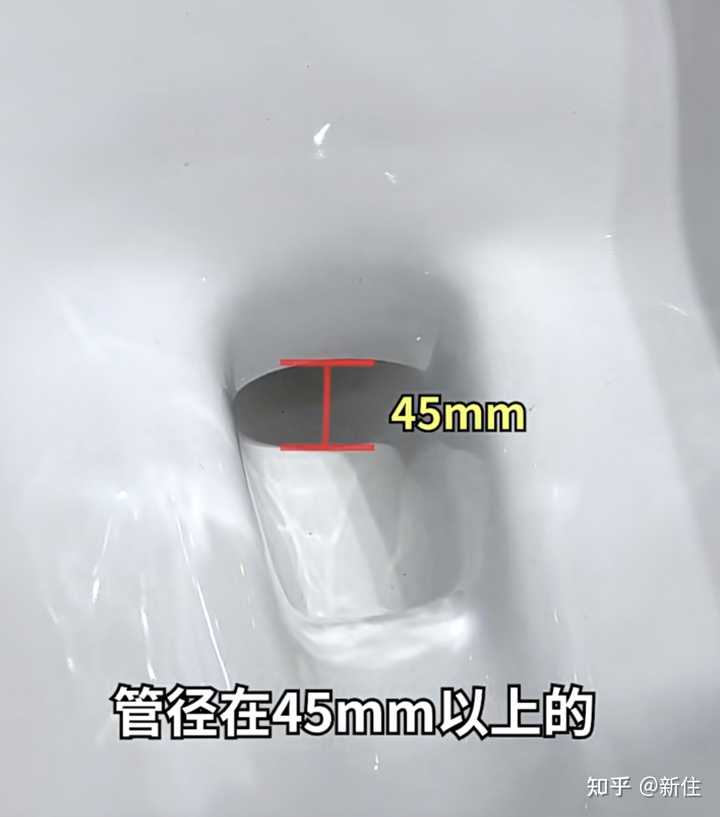
Check the front discharge diameter and rear S-pipe width. Wider diameters ease waste removal.

image

But not too wide—45mm to 60mm is ideal, as overly wide pipes reduce suction.

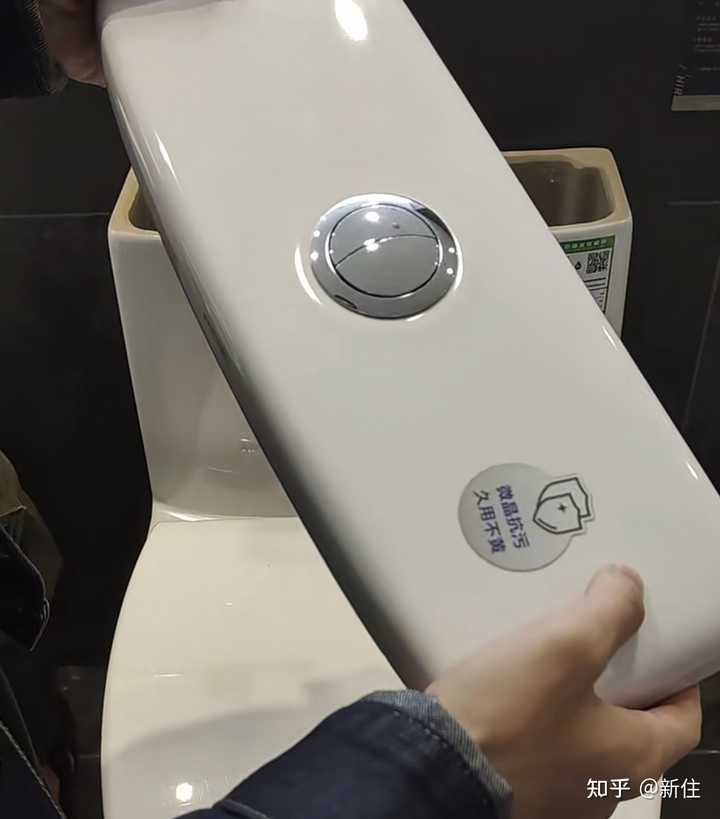
Heavier toilets indicate denser, finer porcelain. Choose over 100 pounds, not under 80.

Weight method: Lift from a suitable angle or test the lid weight.

image

Also, check the lid’s inner color—lighter shades mean purer material. Tap it; a clear sound indicates quality.

For lid material, choose urea formaldehyde for premium, fade-resistant feel, or PP for temperature resilience, cost-effectiveness, and durability, especially in cold climates or for heavier users.

image

Additionally, select lids with dampers for slow, quiet closing to avoid disturbing sleep.

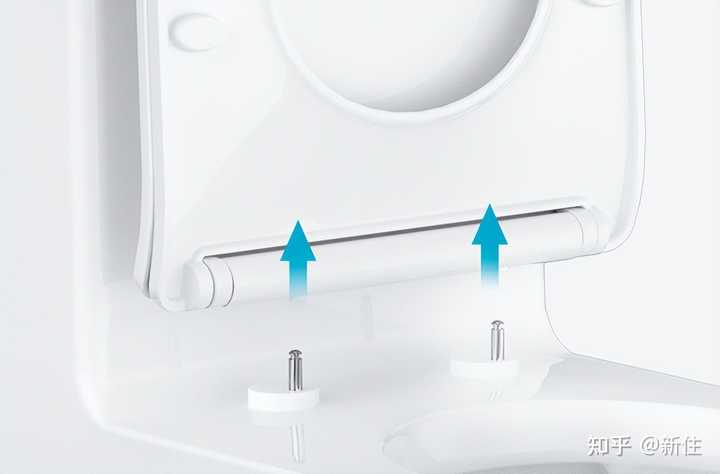
Choose one-touch removable lids for easy replacement.

Flushing type: Opt for siphon vortex for powerful, thorough cleaning.

Avoid direct flush (noisy, poor odor control) and jet siphon (multiple holes, hard to clean).

image

If the toilet has been relocated, direct flush may be the only option.

Look for water efficiency labels: Grade 1 saves water (3.5L small flush, 5L large), Grade 2 uses about 1L more.

Flushing noise should be under 60 dB per standards; good toilets are 40–50 dB.

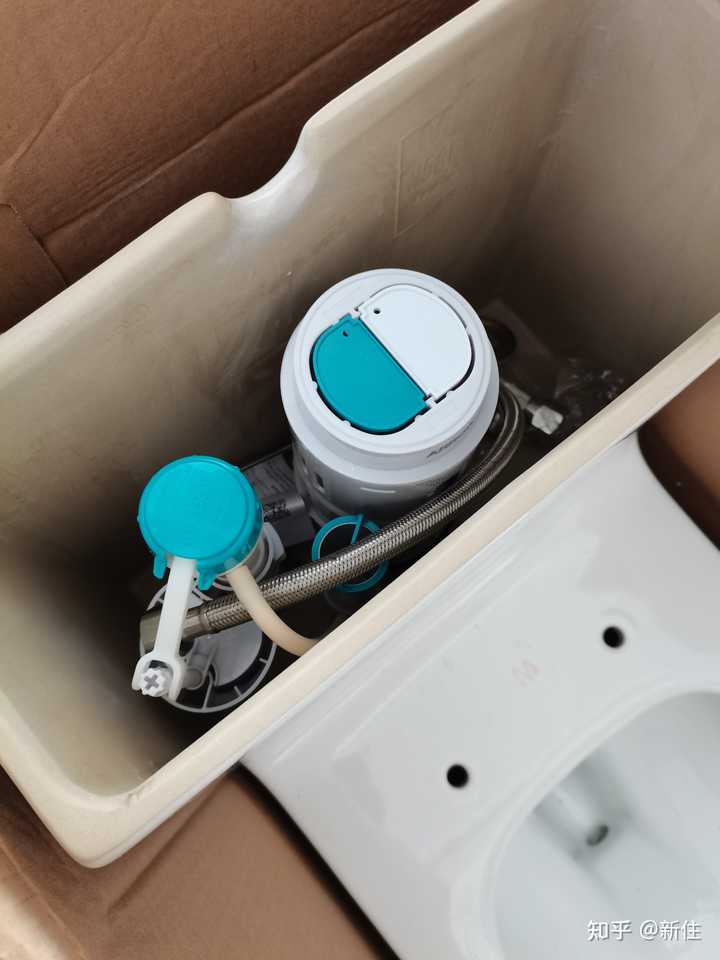
For water components, check brand, edges for burrs, and ask about warranty.

Method: Press the mechanism—crisp sound, smooth rebound, and good springback indicate durability.

image

Brand parts often have 3-year warranties; shorter terms may indicate poor quality.

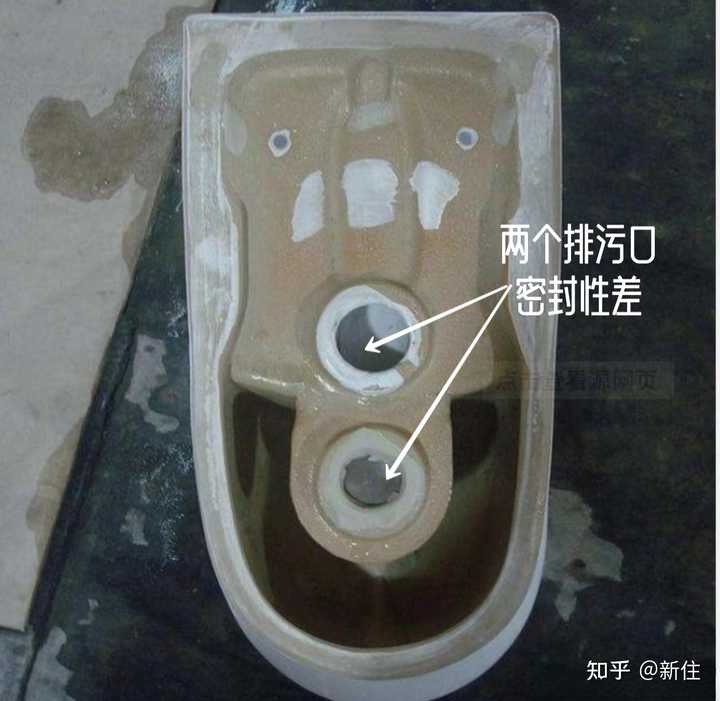
Choose one discharge outlet for better seal and odor prevention, not two (prone to leaks).

Dual outlets are for fitting different distances, a small-factory tactic—don’t be fooled.

image

Beyond selection, cleaning is key. Focus on severe stains, daily upkeep, clogs, and crevices to maintain like-new condition.

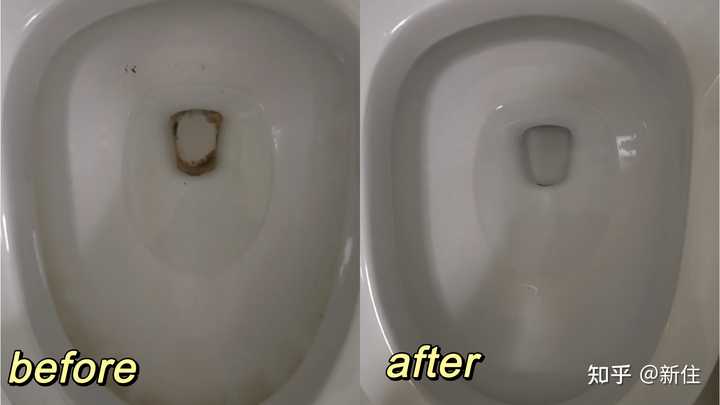
Severe stains, like yellow scale, often form in discharge and water outlets.

image

Clean every three months: Apply urine scale dissolver at night, and it dissolves by morning without scrubbing.

For hard-to-reach spots, use wet wipes with powder to cover stains for reaction.

With good glaze, weekly cleaning suffices—no daily need.

image

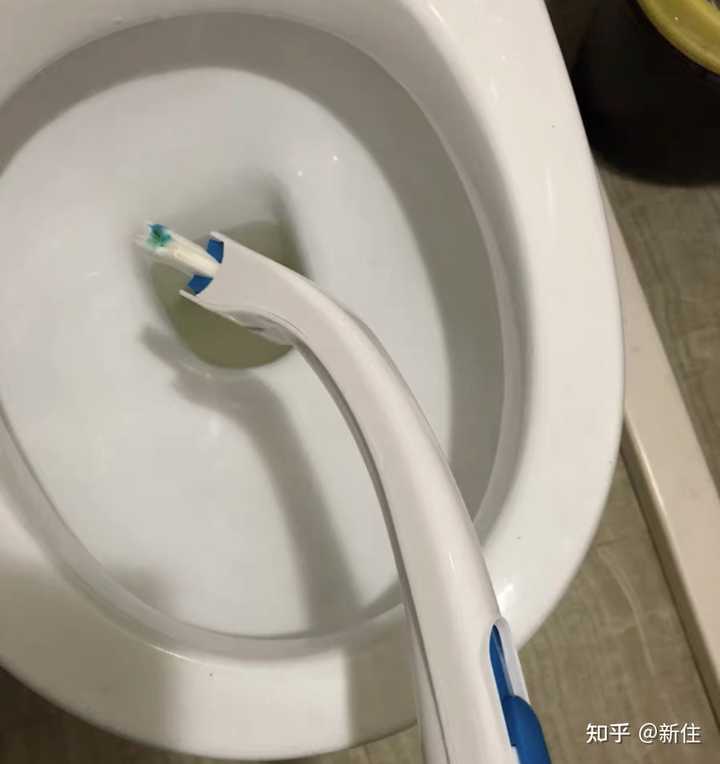
Use disposable toilet brushes with built-in cleaner; heads dissolve and flush away.

image

This ensures hygiene—just hang the handle, no odor or mold.

For minor clogs, a plunger works; severe cases need gel疏通剂 (safe for pipes).

Clean hard-to-reach areas under the lid with nano-fiber crevice brushes for easy, thorough cleaning.

image

Avoid replaceable heads to prevent contamination after cleaning.

Benefits of Full Smart Toilets: Bidet Wash, Heated Seat, Auto Flush for Hygiene & Comfort

Based on personal experience, I highly recommend investing in a full smart toilet for an enhanced bathroom experience. When renovating my home, I opted for a full smart toilet in the master bathroom and a regular one in the guest bathroom to balance budget and functionality.

Smart toilets differ from regular toilets in their built-in components, such as water tanks, pumps, heating elements, and multifunctional cleaning systems. While regular toilets only provide basic flushing and odor control, full smart toilets offer advanced features like bidet wash (including feminine and posterior wash), warm air drying, sterilization, remote control, heated seat, automatic lid operation, auto flush, and night lights. Light smart toilets, which lack core washing and drying functions, are a more affordable alternative but miss key benefits.

Smart Toilet vs Regular Toilet

The key advantages of full smart toilets include:

  • Bidet wash function: Provides thorough cleaning with adjustable water streams (e.g., wide column, spiral, columnar, and fan-shaped), ideal for women and individuals with hemorrhoids, offering a hygienic alternative to toilet paper.
  • Bidet Wash Feature

  • Heated seat: Eliminates the discomfort of cold seats in winter, providing warmth and comfort, especially beneficial for those with conditions like cold legs or during women’s special periods.
  • Automated features: Includes auto lid opening/closing and flushing, reducing manual effort and preventing forgotten flushes, which improves hygiene in small or poorly ventilated bathrooms.

I strongly advise choosing a full smart toilet if budget and space allow, as it significantly enhances comfort and hygiene. Light smart toilets are a cost-effective option but lack essential functions. Concerns about hygiene are addressed through antibacterial materials, self-cleaning mechanisms, UV sterilization, foam shields, and replaceable nozzles, ensuring safety and cleanliness.

Full Smart Toilet Overview

Smart Toilet Buying Guide 2023: Compare Top Brands HEGII, R&T, ARROW, JOMOO with Key Features like Auto-Flush, Heated Seat, and Installation Tips for Pit Distance and Water Pressure

Smart Toilet Buying Guide

When traditional toilets meet modern technology, a revolution in hygiene, comfort, and quality of life quietly occurs—smart toilets emerge. So what are the advantages of smart toilets? First, cleaner cleaning: Smart toilets are equipped with automatic flushing functions, using warm water instead of paper for cleaning, which is not only more environmentally friendly but also provides deeper cleaning effects, reducing bacterial growth.

Secondly, smart toilets allow for personalized settings, such as seat heating, warm water washing, automatic sensor lid opening, etc., meeting different needs while enhancing the comfort of use. Although the price of smart toilets is indeed higher than traditional toilets, the investment is undoubtedly worth it for the improved quality of life.

Today, I have compiled this smart toilet buying guide, hoping to explain the process of choosing a smart toilet clearly and simply from the perspective of ordinary consumers, helping everyone easily select the most suitable smart toilet, making every use an enjoyment.

In the smart toilet market, there are only a few popular brands, but the more recommended ones are HEGII and R&T. HEGII is excellent in the toilet field, with very high sales; R&T can be said to be a brand specialized in bathroom products, also OEM for other brands, which is also very good.
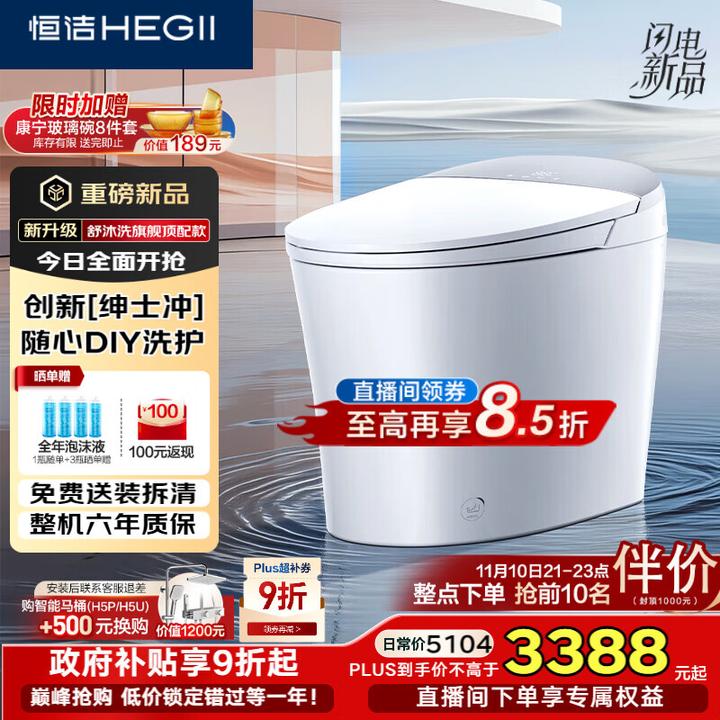
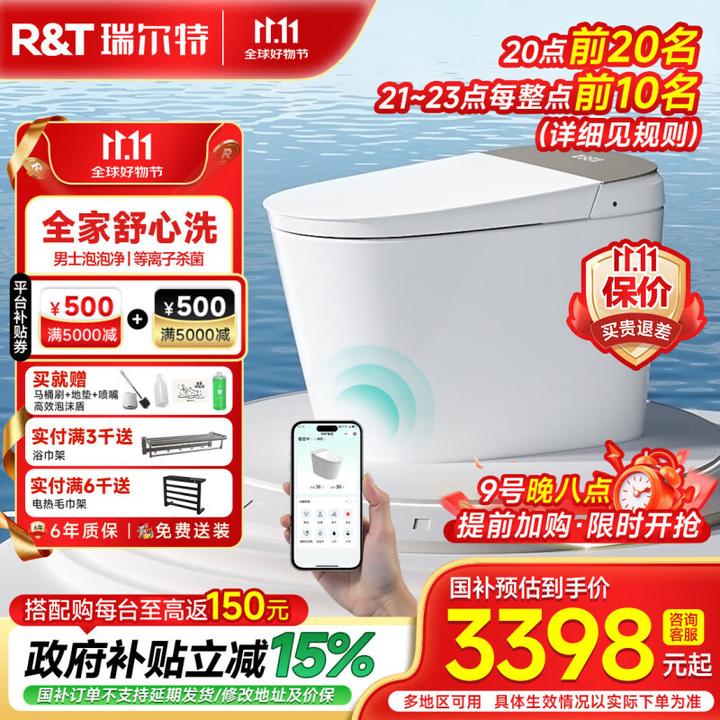
Smart toilet overviewSmart toilet features

Brand: Choosing a well-known and reputable brand is crucial. HEGII is a specialist in smart toilets, with deep R&D background and technical accumulation in the field. ARROW has sufficient brand recognition and high cost-effectiveness, while R&T offers a wide range of product lines, providing different choices for everyone. It is recommended to choose brands with good知名度.

Pit Distance: Pit distance refers to the distance from the wall to the center of the drain outlet, which is an important parameter to confirm before installing a smart toilet. Currently, standard pit distances on the market are generally 305mm and 400mm. When purchasing, ensure that the pit distance of the new smart toilet matches the existing bathroom pipes to avoid installation issues due to size mismatch.
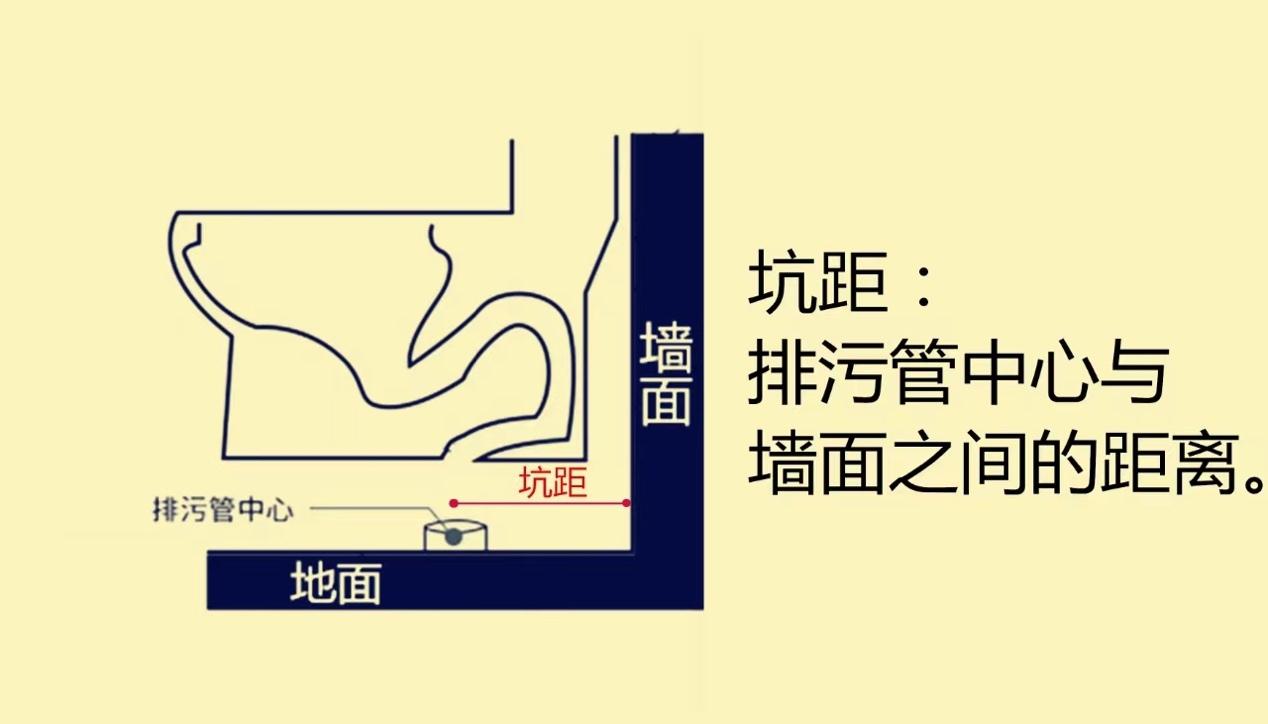
Pit distance diagram

Water Pressure: The flushing and cleaning functions of smart toilets require stable water pressure support. If you live in an area with low water pressure, it is advisable to choose a smart toilet model with a booster pump or strong self-suction to ensure normal operation even in low water pressure environments. At the same time, check the product’s minimum operating water pressure requirements to ensure compatibility with your home’s water supply conditions.

Intelligent Choices: With technological advancements, smart toilet functions have become more diverse, from basic seat heating and warm air drying to advanced features like motion-sensing lid opening, night light mode, deodorizing foam shield, and even health data analysis. Evaluate the actual needs and preferences of family members to determine which intelligent functions are essential, thus avoiding unnecessary expenses.
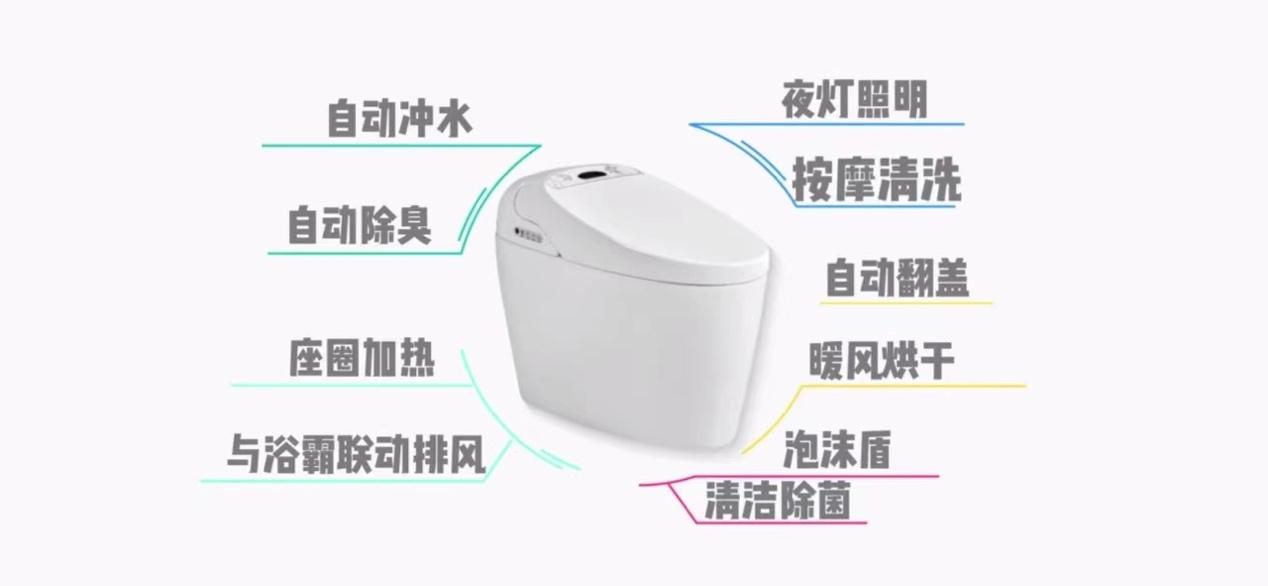
Intelligent features

The ARROW Whirlwind Flush J1 Pro smart toilet has recently gained attention in the bathroom industry. As the brand’s flagship model, its most standout feature is the innovative “Clean Whirlwind Flush” system. This toilet has powerful flushing force, with 138° wide-angle spraying and dual S-shaped siphon pipes, ensuring even sticky paper balls are flushed away in one go without worrying about clogging. The water flow spirals to cover the entire inner wall during flushing, combined with a 5-layer foam technology that forms a foam layer to effectively isolate odors and bacterial residues, which is very practical for hygiene-conscious families.

In terms of cleaning and maintenance, the J1 Pro’s details are well-designed. A pre-filter intercepts scale and impurities to avoid nozzle clogging, and with UV sterilization, the cleanliness of the water outlet is guaranteed. Additionally, it features a self-cleaning system where the nozzle automatically extends for 360° cleaning after each flush, combined with a high-temperature wash function to effectively inhibit bacterial growth.
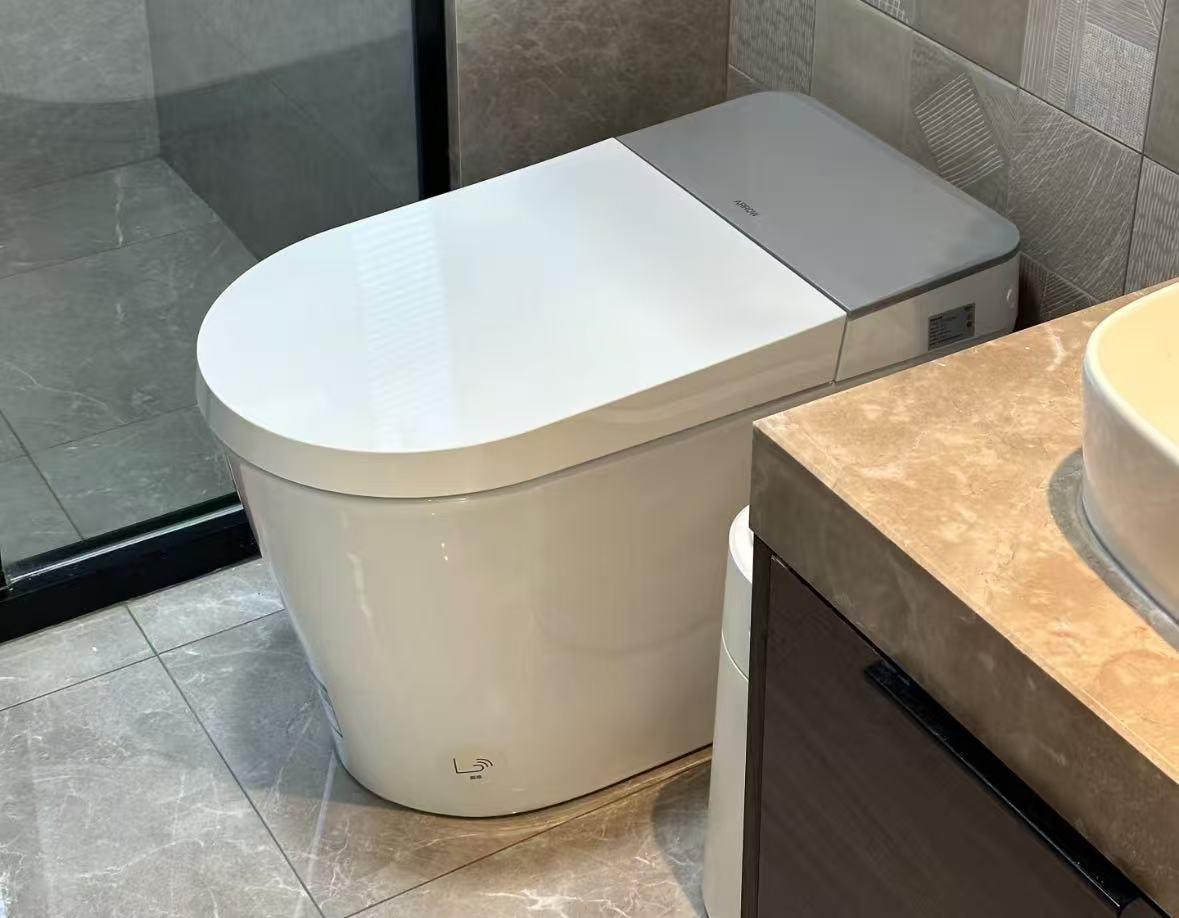
ARROW J1 Pro features

The seat ring is made of antibacterial glaze, with a smooth and stain-resistant touch, while both the seat ring and inner wall use easy-clean glaze, allowing quick restoration of shine with a light brush. Its foot-sensing lid opening and automatic flushing upon leaving functions are responsive, especially for elderly users, eliminating the need to bend over and enhancing convenience.

The details are also very well handled: the seat heating temperature has three adjustable levels, with fast warming in winter, reaching the preset temperature in about 30 seconds. The night light function provides soft, non-dazzling light, so you don’t have to fumble for switches at night. Overall, this product offers very high cost-effectiveness in the 2000 yuan price range.
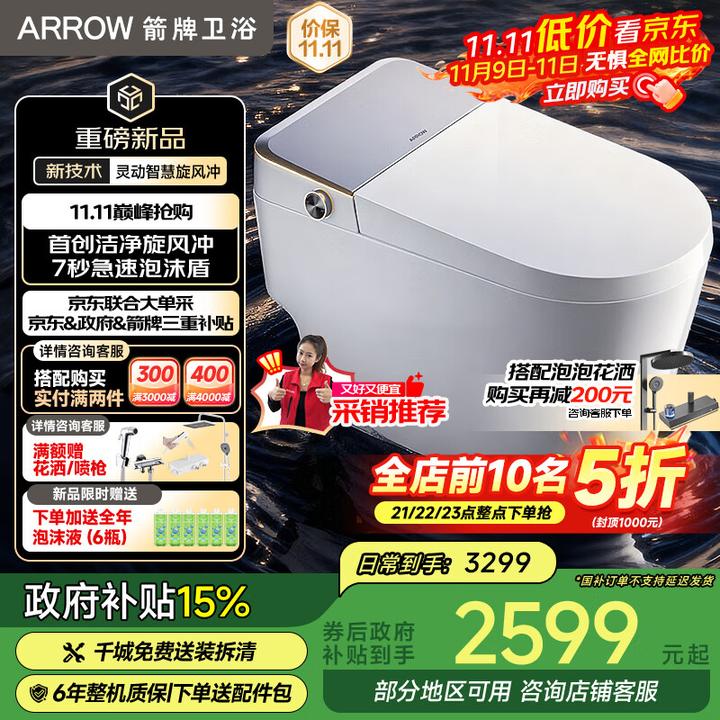
ARROW J1 Pro details

R&T, as a leading brand in the smart toilet industry, has gained a large loyal fan base over the years with its exquisite craftsmanship. Its product line is extensive and highly recognized and favored by domestic and international markets.

Today, I recommend its A6MAX model. As their high-end flagship model, it pays more attention to intelligent control and health cleaning. It uses advanced smart sensing technology, including proximity sensing for lid opening and automatic closing upon leaving, making toilet use hands-free, clean, and hygienic. Many people may have experienced being awakened by the sound of flushing at night, but a major advantage of this model is its intelligent quiet flushing, with very low noise during night flushing, yet its three-waterway flushing design ensures thorough cleaning without compromise—truly small sound, big power!
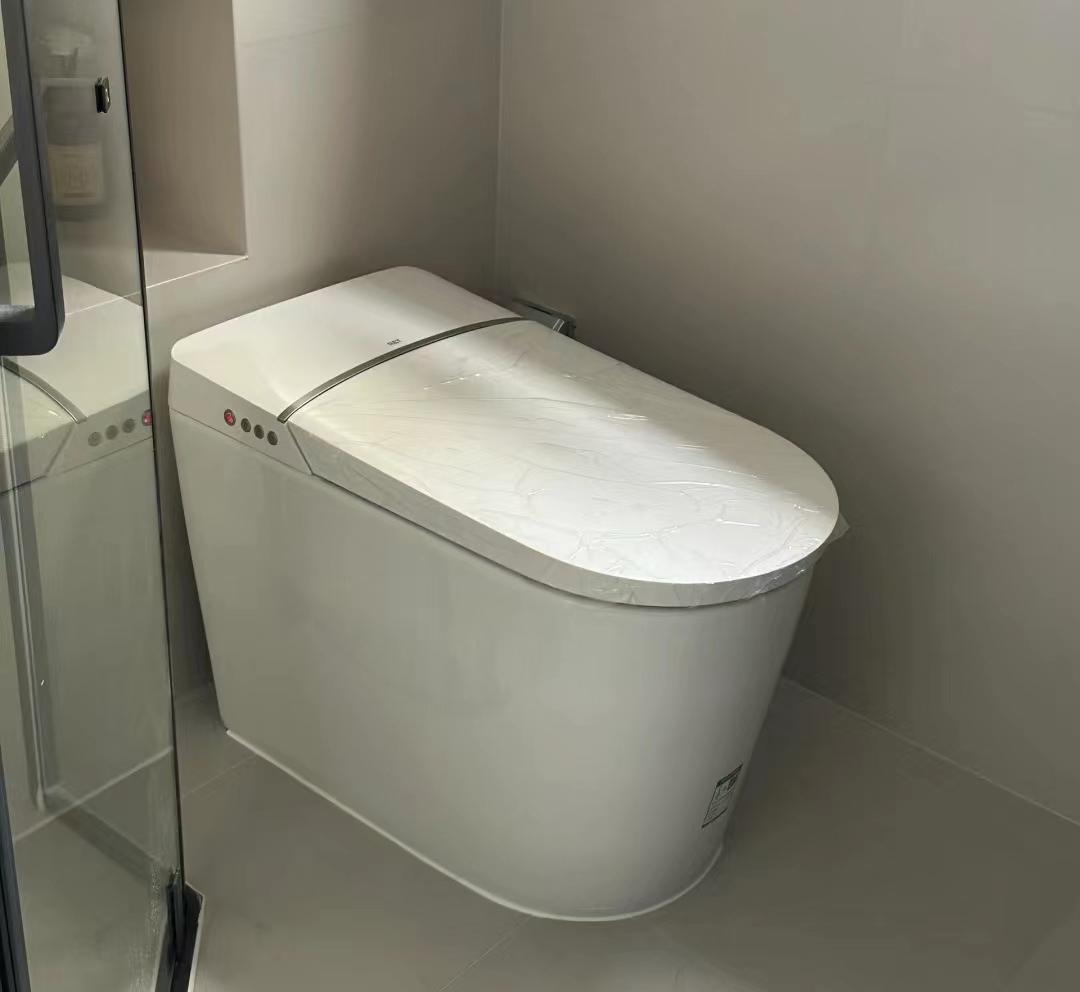
R&T A6MAX features

I believe most people have the habit of using their phones while on the toilet, which can prolong the time spent. Prolonged toilet use is not good for our health, so this toilet thoughtfully includes a time beep reminder, emitting a sound to alert us if the set time is exceeded—consideration that couldn’t be more thorough.
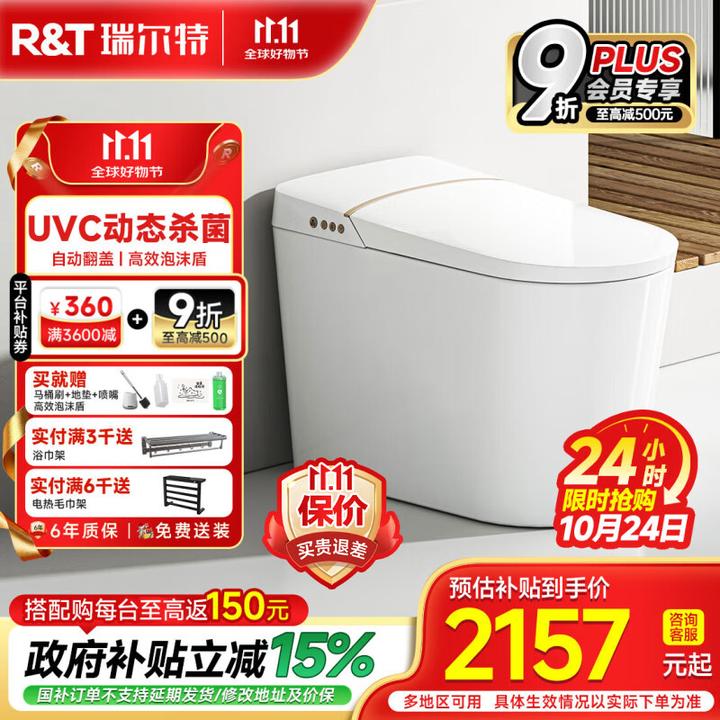
R&T A6MAX details

Another popular model from them, the UX80, is also very hot and considered top-tier.

It supports mobile Bluetooth app control, foot-sensing lid/circle opening, and automatic flushing upon leaving, completely freeing your hands. In terms of hygiene, it features UVC waterway sterilization, CIAA antibacterial glaze, plasma sterilization, and photocatalyst-free deodorization technology, achieving full-chain cleaning protection from the waterway to the seat. For comfort, it offers instant hot water washing (with moving massage, female-specific washing modes, etc.), seat heating, warm air drying, and seasonal temperature adjustment, meeting the diverse needs of different family members.

It is equipped with an arc-shaped antibacterial spray rod and nozzle self-cleaning function for safer use. A high-definition digital display and light-sensing night light enhance operational intuitiveness, while child wash mode and prolonged sitting reminder functions cater to family usage scenarios.
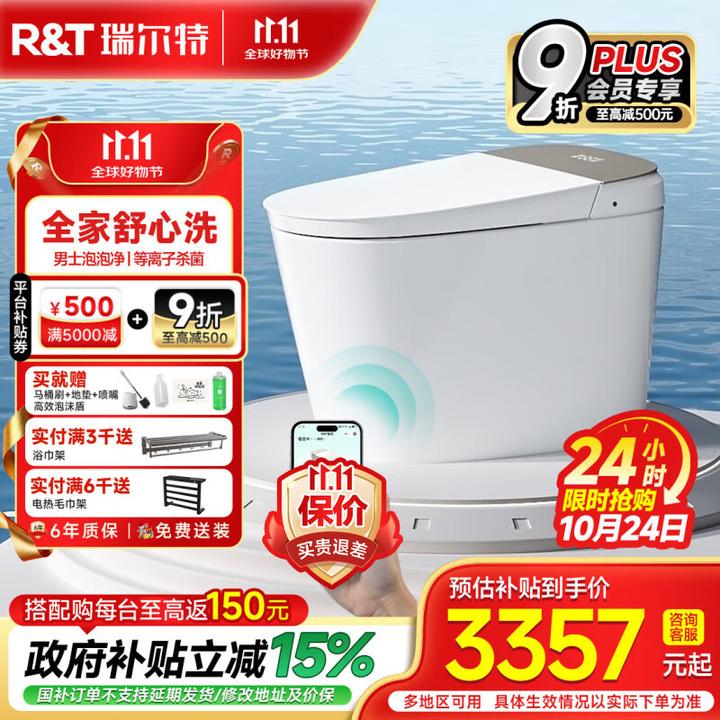
R&T UX80 features

When it comes to HEGII Sanitary Ware, many people’s first impression is “old brand,” but this is no ordinary “old.” Founded in 1998, HEGII Sanitary Ware has over 20 years of industry experience and is one of the leading companies in China’s bathroom industry. Its smart toilets have received consistent praise from consumers.

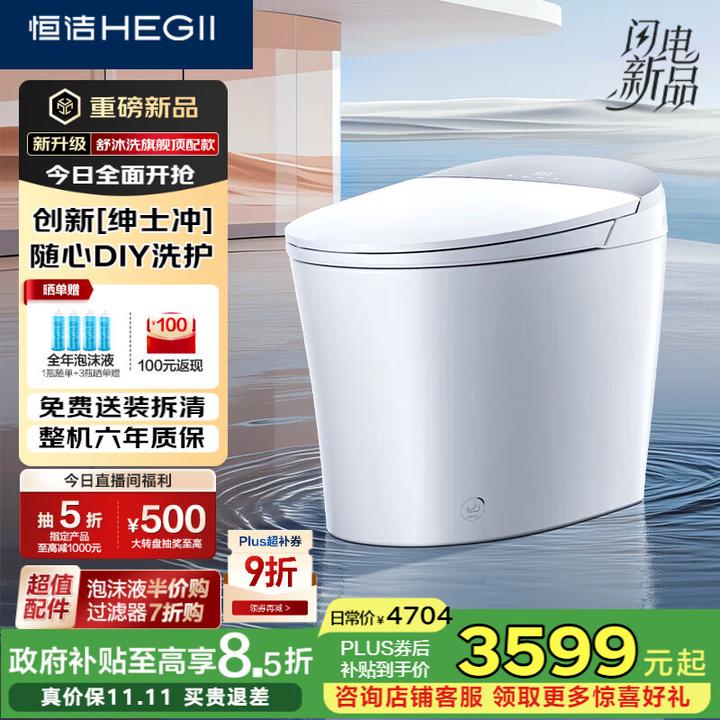
The more recommended model is the H5Ultra (Max), equipped with a dual-engine instant flush system that uses dual pumps working together to maintain strong flushing power even in low water pressure environments, with flushing noise controlled below 38 decibels, causing no significant disturbance at night. Compared to the previous H5 model, this one upgrades the star glaze 2.0 technology, further improving the density of the ceramic surface.
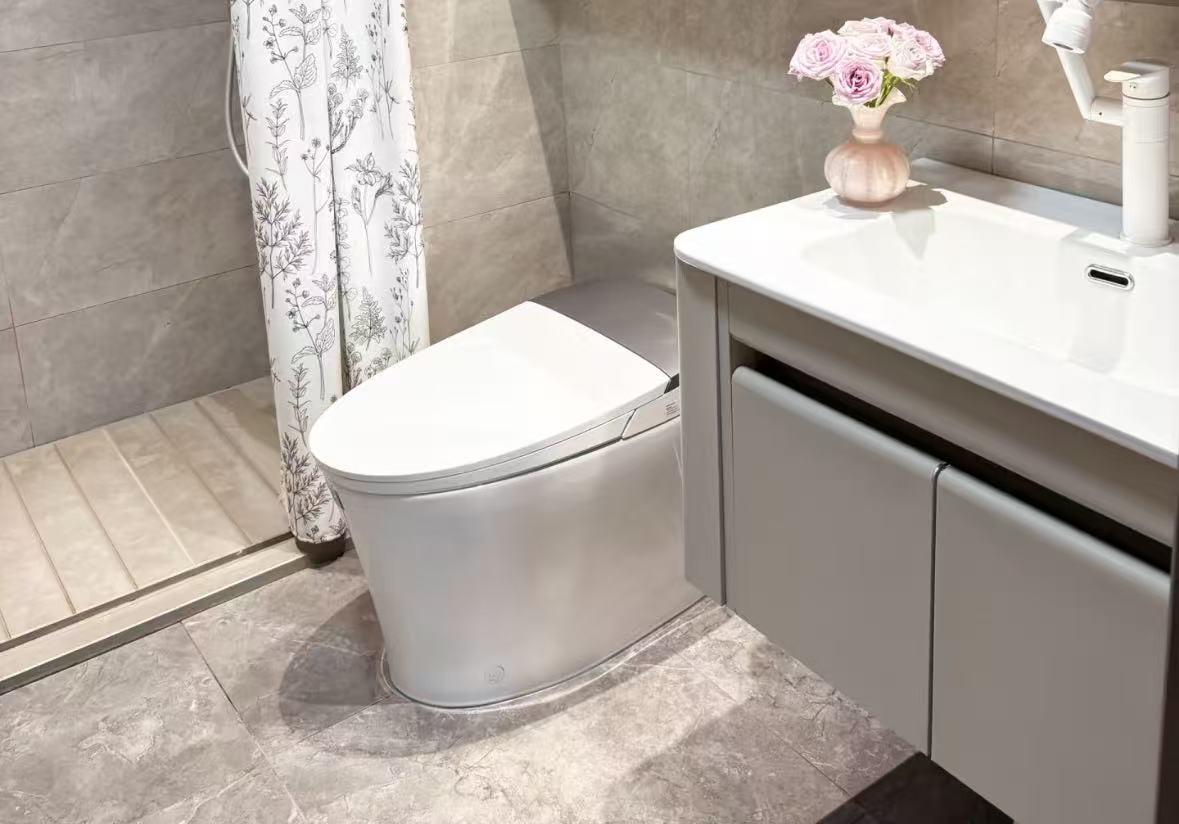
HEGII H5Ultra features

In terms of cleaning functions, the dual-waterway instant hot water system separates washing water from flushing water completely, while the newly added 3D立体漩涡洗 technology uses dual-swirl water flow to cover a 120°扇形 area of the inner wall, with an anti-backflow design combined with a UV sterilization base, effectively inhibiting odor generation.
HEGII H5Ultra details

JOMOO is also a well-known brand in the bathroom industry. As a leading high-end bathroom brand in China, JOMOO’s smart toilets are not only famous for their excellent product quality and design but also firm and rapid in technological innovation and internationalization.

JOMOO’s ZS770P features a seamless design, which not only looks pleasing but is also easy to clean—just a wipe and it’s spotless. The ZS770P is equipped with smart sensing technology; as soon as you approach, the lid automatically opens, and after leaving, it automatically closes and initiates flushing, truly freeing your hands. It offers multiple washing modes, such as warm water cleaning and massage washing, allowing users to switch freely according to personal preferences. Especially its warm air drying and seat heating functions make sitting on it in winter warm and comfortable—simply blissful!
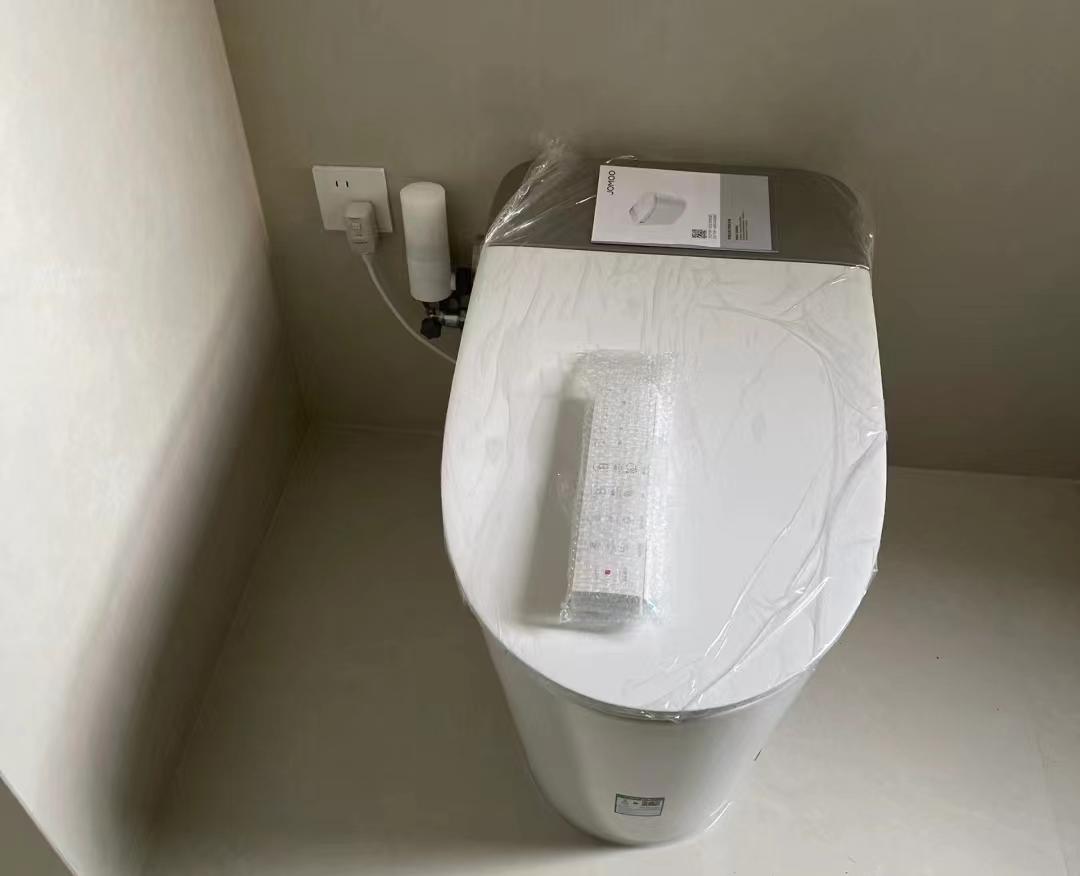
JOMOO ZS770P features

Another thoughtful feature that must be mentioned is the night lighting. The ZS770P has a built-in soft LED light, so you don’t have to fumble for switches at night; the faint light illuminates the path just enough without being dazzling, ensuring it doesn’t disturb family members’ rest. Finally, regarding hygiene, the ZS770P doesn’t disappoint. It uses ultraviolet sterilization technology, automatically cleaning and disinfecting the nozzle after each use, ensuring every contact is clean and sterile, providing comprehensive protection for the whole family. If you want to experience the convenience and enjoyment brought by smart technology, consider bringing it home!
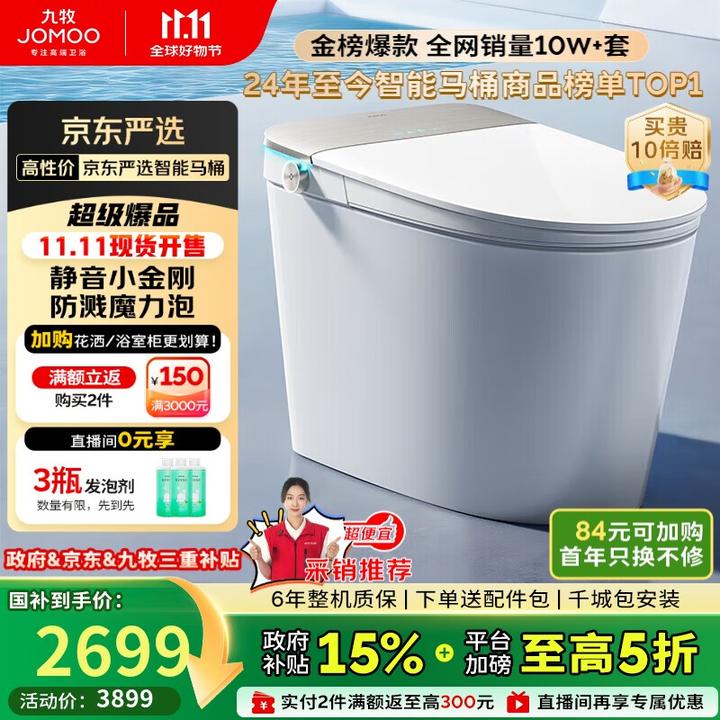
JOMOO ZS770P details

Its entry-level model, the ZS360J, is no less impressive in its price range. Its operation is simple, with one-knob control that is easy to understand, making it accessible for the elderly and children. Different washing modes, such as posterior wash, feminine wash, and moving wash, are very sufficient for daily use. Many people worry about leakage issues with smart toilets, and the ZS360J handles this well. It has multiple leakage protection measures and an intelligent power-saving mode, so even if not used for a long time, there’s no worry about power consumption—safe and eco-friendly. Although it’s a basic model, it excels in hygiene. Its nozzle self-cleaning design ensures that the nozzle cleans itself before each use, guaranteeing cleanliness every time. If you’re planning to add a smart toilet to your home or replace an old traditional toilet, the ZS360J is definitely worth a try.
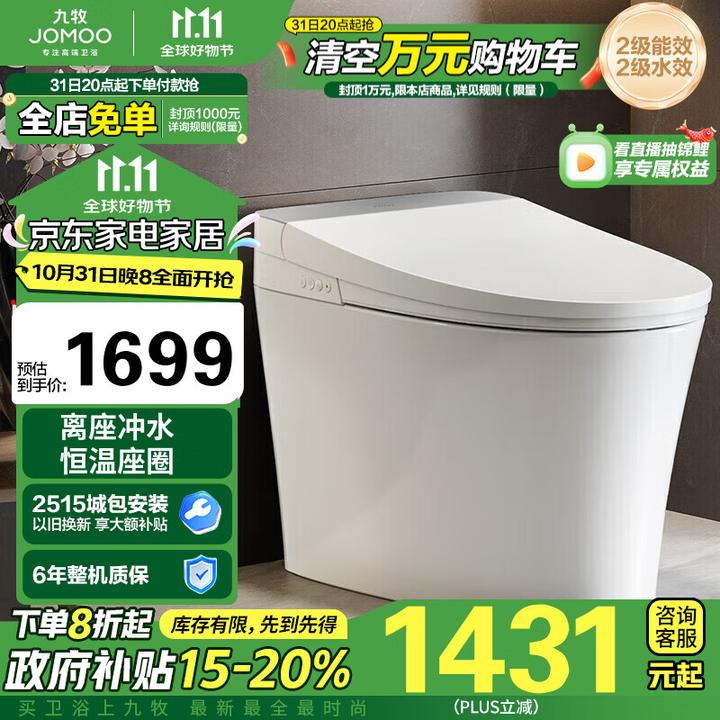

JOMOO ZS360J features

Step-by-Step DIY Waterproofing Guide: Essential Materials, Tools, and Procedures for Effective Home Leak Prevention and Protection

Materials

Waterproof coating (recommended flexible waterproofing for good elasticity), non-woven fabric, roller, brush, masking tape, gloves, mask

Tools

Scraper, tape measure, level (for leveling)

Site Preparation

Thoroughly clean the construction area and repair any cracks or uneven spots on the ground and walls with cement mortar.

  1. Base Treatment: Use a broom and vacuum to remove all dust and debris. Dry any wet areas completely. This step is critical for waterproofing effectiveness.
  2. Apply Masking Tape: Place masking tape along corners and pipe edges to prevent coating from spreading. It removes easily later for a clean finish.
  3. Apply First Coat: Use a brush for corners and pipe roots, then a roller for large areas. Apply thinly to avoid sagging. Allow to dry for 4-6 hours.
  4. Lay Non-Woven Fabric: While the coating is still tacky, lay non-woven fabric and press with a roller to ensure full adhesion, enhancing waterproofing.
  5. Apply Second Coat: After the first coat is completely dry, apply the second coat in a perpendicular direction. Maintain a thickness of 1.5-2mm.
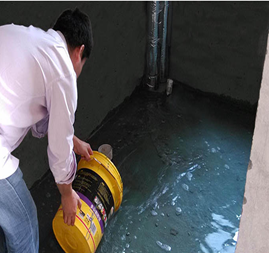
  6. Water Test: After full curing (usually 48 hours), block drains and fill with 5-10cm of water. Check for leaks in the area below. Ensure adequate testing time.

Important Don’ts

  • Avoid waterproofing on rainy days, as high humidity slows drying and can cause peeling.
  • Do not skip base treatment; improper cleaning may require rework.
  • Do not shorten the water test time; insufficient testing could lead to leaks.

Save this guide! DIY waterproofing is simpler than expected and helps save money for other needs.

Comprehensive Guide to Waterproofing in Construction: Structural Integrity and Polymer Cement Coating Techniques for Leak Prevention in Buildings

Waterproofing is generally divided into structural waterproofing in civil engineering and coating waterproofing during decoration.

Structural waterproofing refers to the waterproofing of floor slabs. Most of the waterproofing effectiveness relies on structural integrity. Before applying waterproof coatings, it is essential to conduct a water tightness test on the original structure, focusing on critical areas like wall roots, thresholds, floor drains, slab joints, and drainage pipe roots. Minor leaks can be repaired with sealing agents, while severe cases may require polyurethane injection.

Coating waterproofing involves polymer cement-based materials, which are flexible, corrosion-resistant, and crack-resistant. The key construction steps include:

  1. Base treatment
  2. Additional waterproof layer for details
  3. Applying the second coat
  4. Waterproof layer repair
  5. Water accumulation test
  6. Laying cement mortar protection layer
  7. Final acceptance

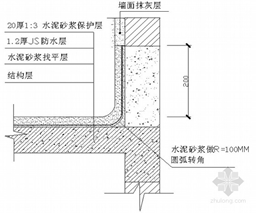
1. Before waterproofing, level and slope the ground. Repair gaps, cracks, or uneven surfaces with cement mortar. The base must be solid, flat, clean, and free of dust, oil, or debris. Internal and external corners should be rounded and smooth.

Base Treatment ImageSurface Preparation Image

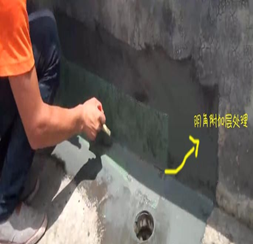
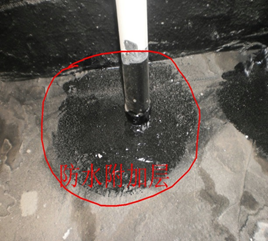
2. Apply additional waterproof layers to high-risk areas like wall roots, pipe roots, and floor drains. The coverage should be 300mm in diameter around pipes and 250mm horizontally and vertically at corners.

Detail Waterproofing ImagePipe Sealing Image

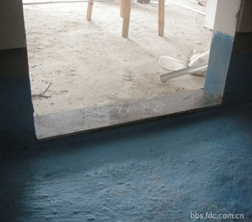
3. Install threshold water barriers using cement mortar mixed with waterproofing material. The barrier should be slightly narrower than the door frame and 2.5–3cm below the finished surface. After installation, apply waterproofing over a 200mm width around the barrier. Threshold stones must be wet-laid, with ends sealed using specialized mortar to form an L-shaped waterproof layer.

Threshold Barrier Image

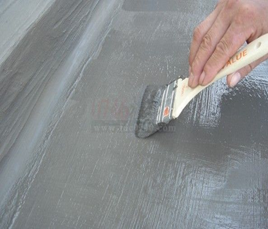
4. Apply waterproof coatings in layers, divided into two or more coats depending on design thickness. Each layer should be 0.5–0.6mm thick (first coat 0.6mm, subsequent coats 0.5mm). Ensure even application, and allow each layer to dry completely before applying the next. Coats should be applied perpendicularly, starting from walls to floors, moving inward to outward.

Coating Application Image

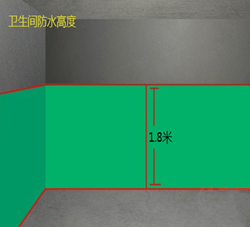
5. Standard wall waterproofing height must be 300mm, while shower areas require a minimum height of 1800mm.

Wall Waterproofing Image

6. Conduct a 24-hour water accumulation test on the waterproof layer. After approval, lay a cement mortar protection layer to prevent damage during subsequent construction.

Water Test ImageProtection Layer Image

Common issues and solutions include: Failure to perform pre-construction water tests on structural surfaces can lead to leaks. Always conduct a 24-hour test, document issues, and ensure repairs before proceeding. Additionally, improper threshold barriers or unrounded corners may cause water seepage. Use rounded corners and multi-layer coating applications to enhance durability.

Complete Guide to Popular Interior Design Styles: Modern Minimalist, Chinese, European, French, American, Light Luxury, and IKEA for Home Decoration and SEO Optimization

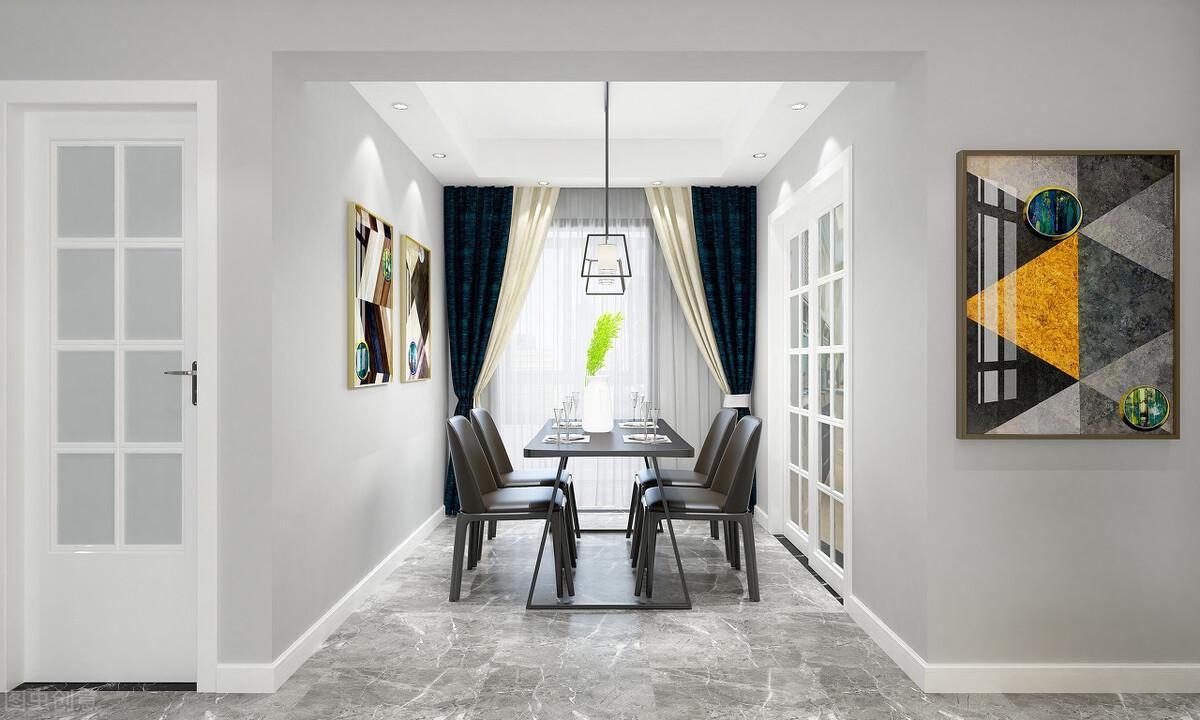
Modern simplicity can be divided into modern style and minimalist style.

Modern style pursues trends and emphasizes the combination of interior space layout and practicality.

Minimalist style focuses on minimalism, attention to detail, and simple taste.

image

These two styles have many similarities, and their combination results in the popular modern minimalist style.

It prioritizes simplicity, functionality, and practicality.

With clean shapes and a primary color scheme of black, white, and gray, it creates a trendy and avant-garde fashion sense.

image

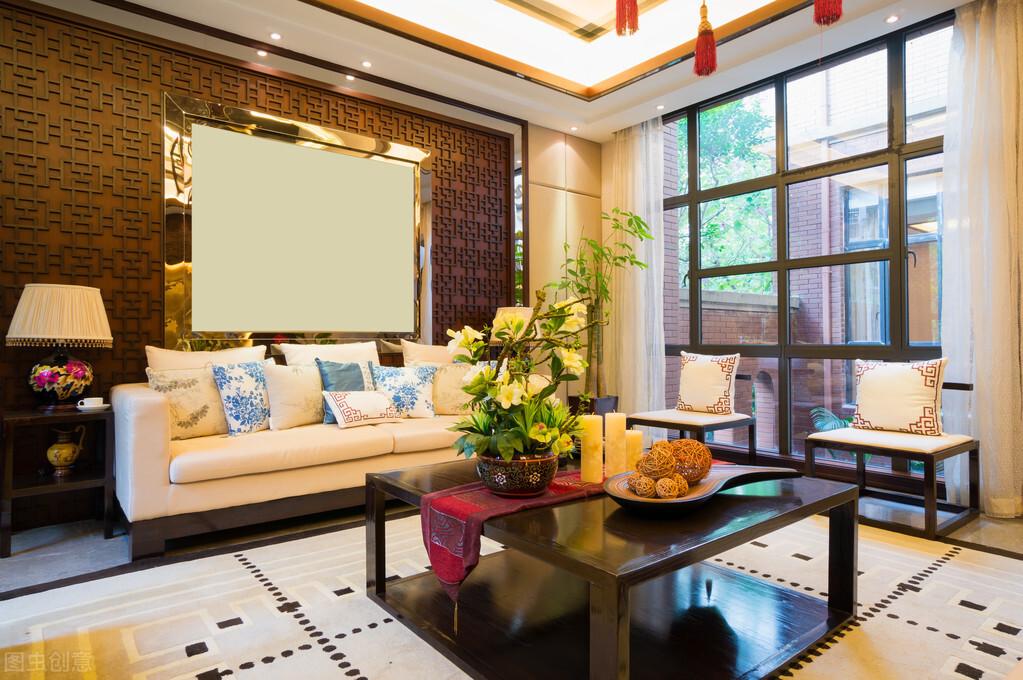
Chinese culture has continued for over five thousand years, with a rich traditional architectural atmosphere that emphasizes details like windows, scenery, mountains, and water.

It blends traditional elements with contemporary society.

Based on modern aesthetic needs, it creates interior spaces with traditional charm, allowing traditional art to be appropriately represented in today’s society.

image

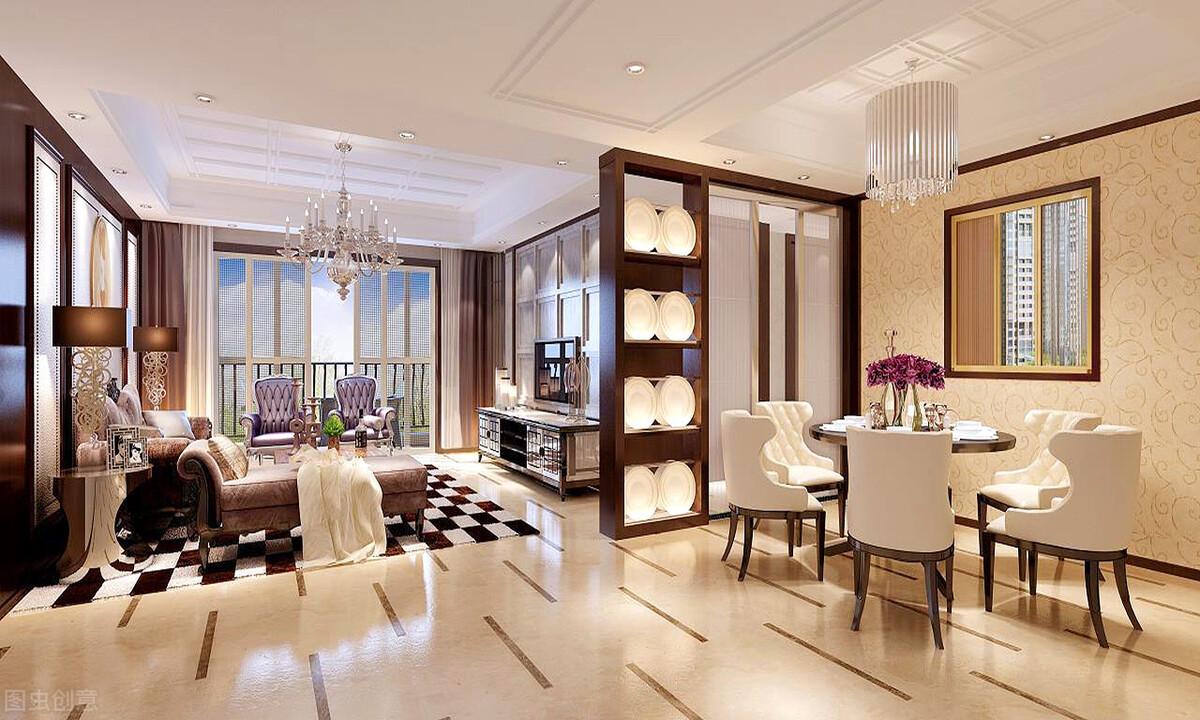
European style represents the entire European civilization, including French, Italian, Spanish, English, Mediterranean, and Nordic styles.

It originated in Egypt and evolved through Greek, Roman, Byzantine, Romanesque, and Gothic art, forming early European artistic styles.

It gives an overall impression of nobility, luxury, and grandeur, reflecting an elegant气质 and romantic quality of life.

In China, due to cost and personal preferences, many pure European styles have been refined into the popular simplified European style.

image

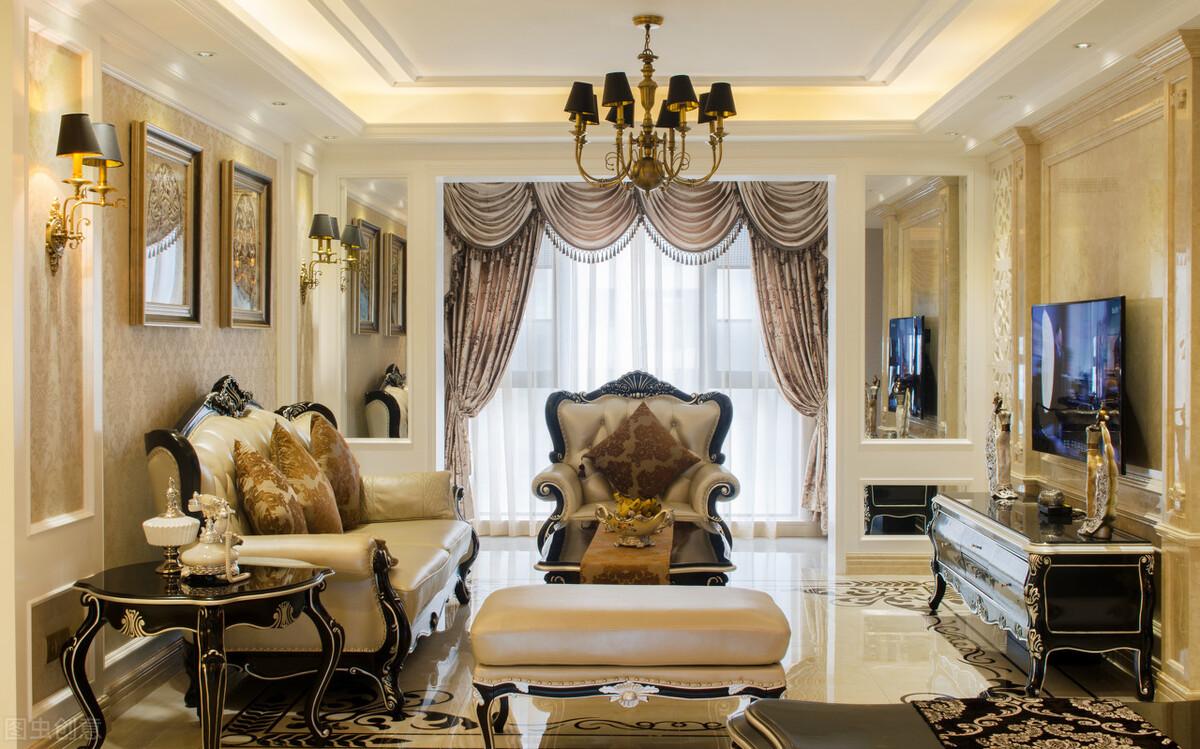
French style refers to the architectural and furniture styles of France.

It mainly includes French Baroque, Rococo, Neoclassical, and Empire styles.

French style is characterized by exquisite craftsmanship, intricate carvings, lines, and striking classical details, presenting a royal and aristocratic feel.

Typical pairing principles include gray-white dining tables and chairs with slight carvings, curved armrests and legs for elegance and expense, combined with white curtains with scroll patterns, crystal chandeliers, floor lamps, and lily vases for a romantic and fresh atmosphere.

image

American style emerged in the colonial Americas, with the U.S. as an immigrant nation, bringing diverse cultures from around the world, resulting in a broad, comfortable, and mixed American style.

It is generally rustic and bold, symbolizing American freedom.

American style represents a free, casual, and uninhibited lifestyle, achieving effortless romance without excessive decoration or constraints.

These elements reflect a lifestyle need, showing that the decoration gives the home a sense of culture and nobility while maintaining freedom and sentiment.

image

The term ‘light’ in light luxury means simplicity and conciseness, essentially minimalism.

Representative styles include industrial, Nordic, modern minimalist, minimalism, and new Chinese styles. Industrial style, for example, lacks luxury, so elements like lines, metal, and furniture are added to enhance luxury and texture.

Luxury is representative of modern style, and to stand out, a small amount of classical elements is incorporated.

Luxury can be seen as a fusion of modern and classical.

Light luxury is also known as modern light luxury style, blending simplicity and luxury.
This style is now very popular among young people.

image

The above six styles are the most popular decoration styles.

There is another style—IKEA style.

image

IKEA is located in major cities, with furniture products designed to be simple, fresh, and natural; strong storage capacity; easy to move and assemble; affordable, fashionable, and straightforward without complexity, highly practical, meeting young people’s taste requirements for life.

Complete Bathroom Waterproofing Guide for Unfilled, Post-Backfilling, and Renovation Scenarios with Flexible and Rigid Materials and Leak Prevention Tips

Waterproofing the bathroom is a critical task in home renovation projects.

However, bathroom waterproofing methods vary depending on the specific situation: unfilled bathrooms, post-backfilling bathrooms, and bathroom renovations in old houses.

For unfilled bathrooms, waterproofing must be applied before backfilling. The waterproofing materials used can be either rigid or flexible types. Before application, it is essential to apply a leak-sealing compound around drain pipes and to treat wall roots and corners thoroughly.
After waterproofing, conduct a 48-hour water test to ensure effectiveness. Once passed, use ceramic particles for backfilling—avoid construction debris to prevent damage to the waterproofing layer and simplify future repairs.
After backfilling, apply another layer of waterproofing during the tiling phase by masons. This means unfilled bathrooms require two rounds of waterproofing. If underfloor heating is installed, use flexible waterproofing on the ground during the mason stage.

For bathrooms with underfloor heating, apply flexible waterproofing before installing the heating system, and again use leak-sealing compound around drain pipes beforehand.

During the mason phase, another round of waterproofing is needed, with the ground requiring flexible waterproofing. If no underfloor heating is present, a single layer of waterproofing suffices, and rigid waterproofing can be used.

For old house bathroom renovations, the process is unique because removing old tiles often damages the walls. Before waterproofing, the walls must be leveled with cement and sand mortar.

After leveling, the waterproofing process follows the standard steps for bathroom waterproofing.

Comprehensive Guide to Top Interior Design Styles: Nordic, Modern, Japanese, Industrial, and Minimalist for Home Decoration and Renovation Ideas

Have you ever found it challenging to define your interior design style clearly?

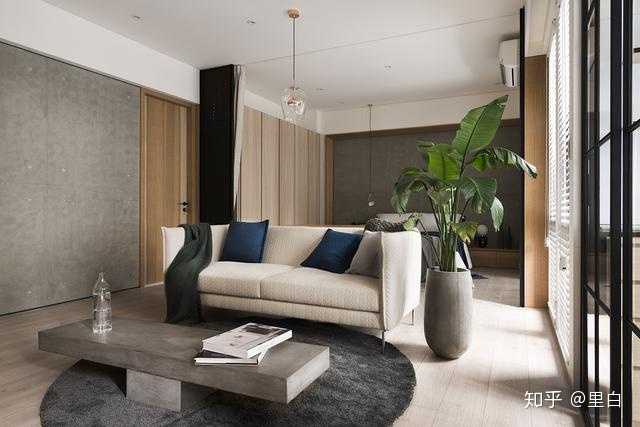
Overhyped ‘styles’ are often difficult to achieve in practical design and renovation due to differences in house structures, furniture choices, and budgets. Most homeowners don’t simply copy a specific style but use elements as references to create a personalized home. For instance, a bachelor apartment in Sichuan blends industrial elements with Nordic influences, showcasing a mixed design approach.

ImageImage

This case from two years ago remains timeless, reflecting the owner’s personality. Common styles include Nordic, modern, Japanese, minimalist, industrial, Chinese, and American, with the top five being Nordic, modern, Japanese, minimalist, and industrial.

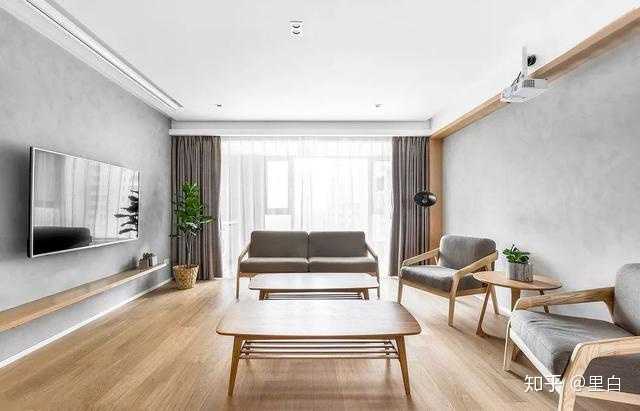
1. Nordic Style: Nordic design embraces decoration but prioritizes economy and practicality. For example, chairs and lamps are valued only where needed, not for decorative corners. Common color schemes include wood tones, neutrals, neutrals with cool colors, neutrals with bright accents, and cool shades. Natural light and ventilation are crucial for comfort.

ImageImage

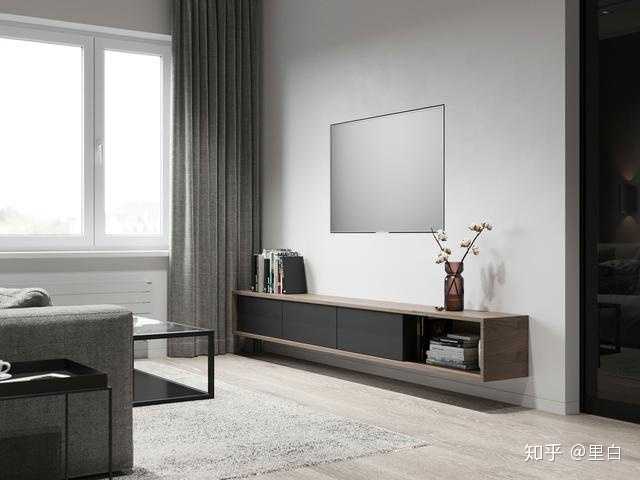
2. Modern Style: Also known as functionalism, modern design focuses on space utility. It features clean lines, minimal decor, and essential items, with materials ranging from simple to versatile. Visual comfort and unity are key, often using fabric sofas and streamlined furniture.

ImageImage

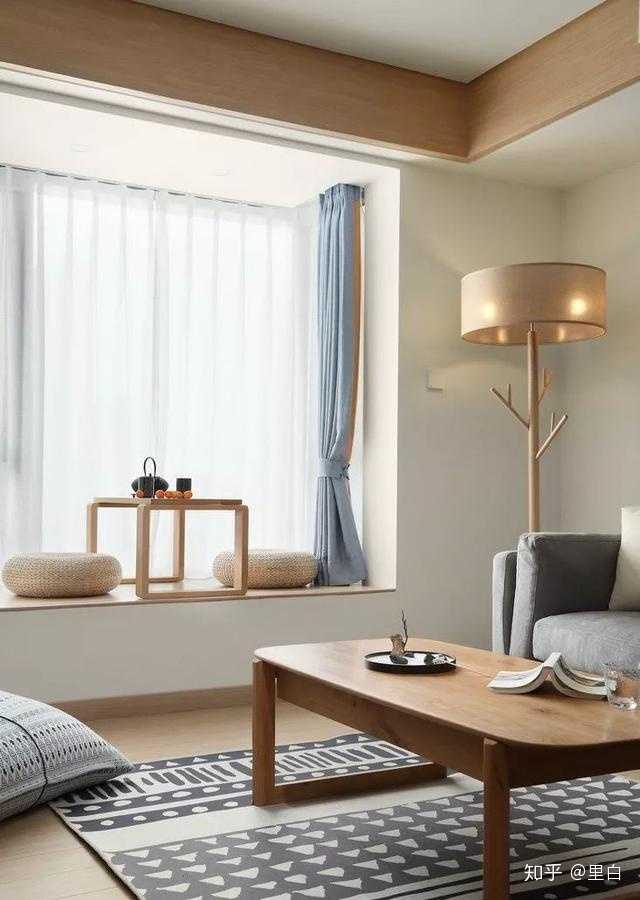
3. Japanese Style: Pure Japanese style is rare; most prefer modern interpretations like MUJI. Emphasis is on privacy, ventilation, light, and layout, with strong spatial order and storage solutions. Furniture is low, wooden, and devoid of excess decor, using natural materials like rattan, cotton, and linen. Tatami mats are common for multifunctional use.

ImageImage

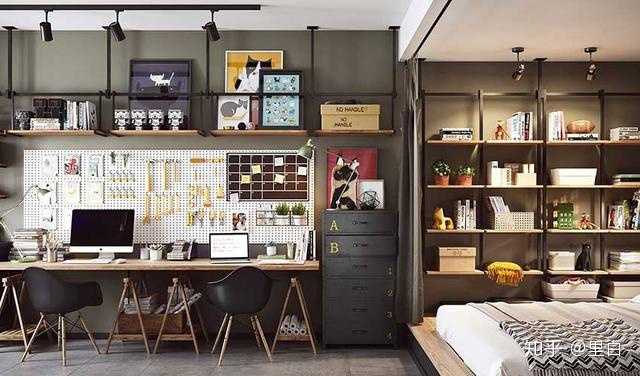
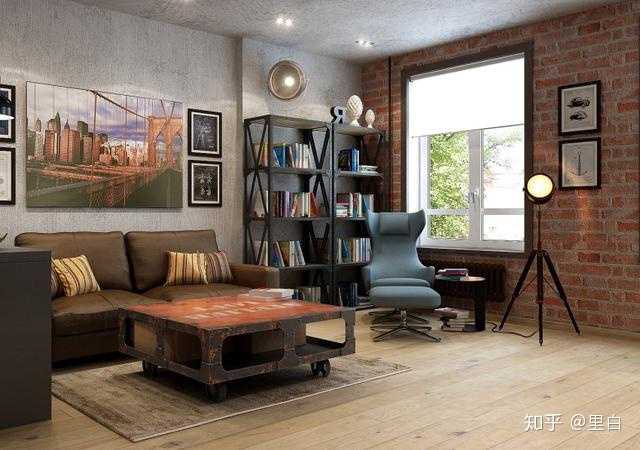
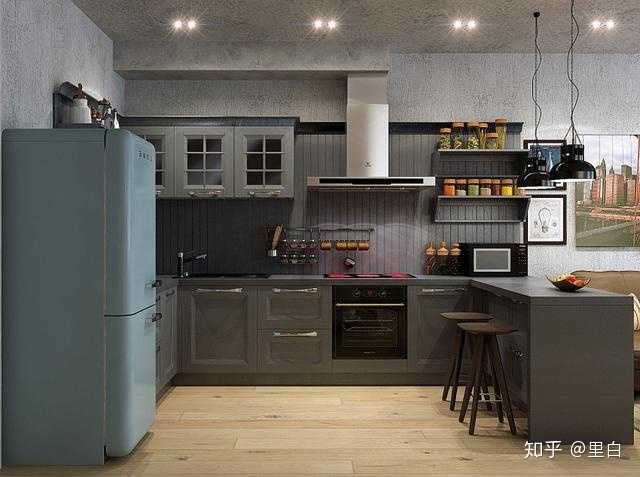
4. Industrial Style: Key points include retro elements, industrial materials, and adaptability beyond lofts. A Russian small-space example features cement textures, brick walls, metal tables, leather sofas, and black iron furniture, with glass partitions for light and openness.

ImageImage

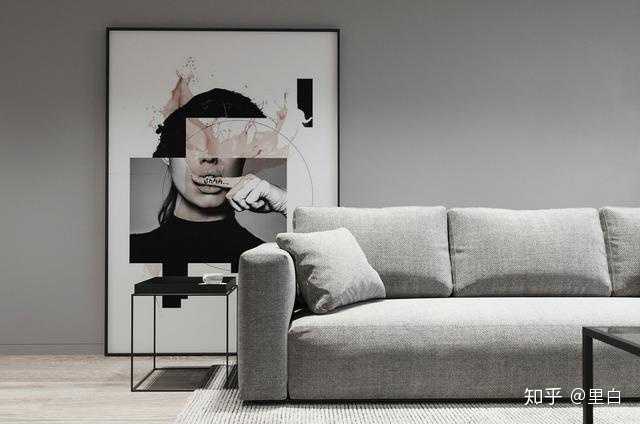
5. Minimalist Style: Originating in mid-20th century America, minimalism removes unnecessary decor, using clean lines and geometric shapes. Colors are coordinated to enhance space perception. Hard elements are simple, with concealed wiring and fixtures for a clutter-free look, emphasizing functionality and visual purity.

ImageImage

Expert Guide to Waterproofing Top-Floor Terraces: Step-by-Step Process for 20-Year Leak Protection and Durability in Apartment Renovations

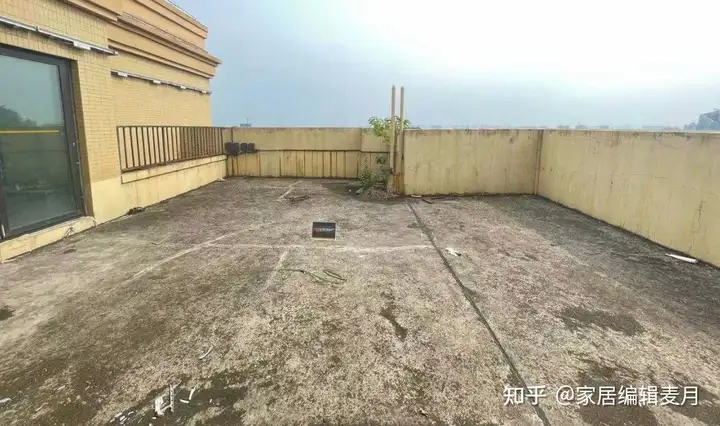
I purchased a top-floor apartment primarily for its affordability and the inclusion of a 100-square-meter terrace, with a total cost of 2.6 million, comparable to non-top-floor units without such a bonus.

image

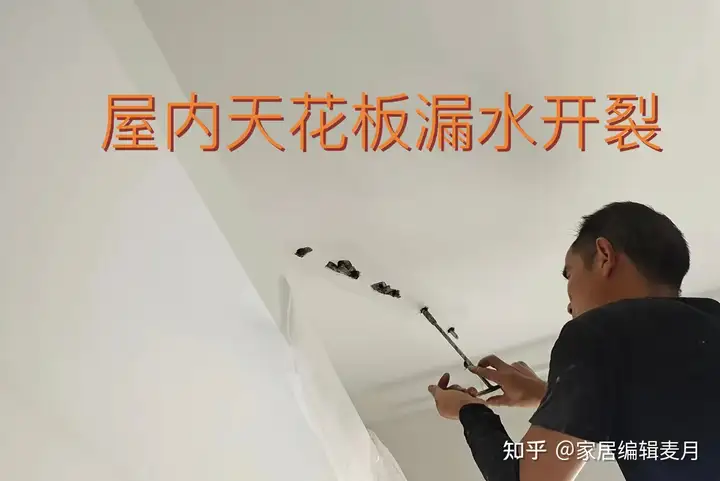
Initially, my family opposed the decision due to concerns about heat and potential leaks, but I insisted, as I wanted to avoid noise from upper floors after experiencing disturbances in lower-level living. However, just two years after moving in, the terrace began leaking, necessitating a comprehensive waterproofing renovation.

image

With guidance from a recommended professional, I followed a method that promises leak-free performance for up to 20 years. The process involved multiple steps: First, remove any existing waterproofing and insulation to expose the concrete structure. If there are pipes or electrical conduits, apply a leveling layer with a slope toward the drainage outlet to protect them during construction.

image

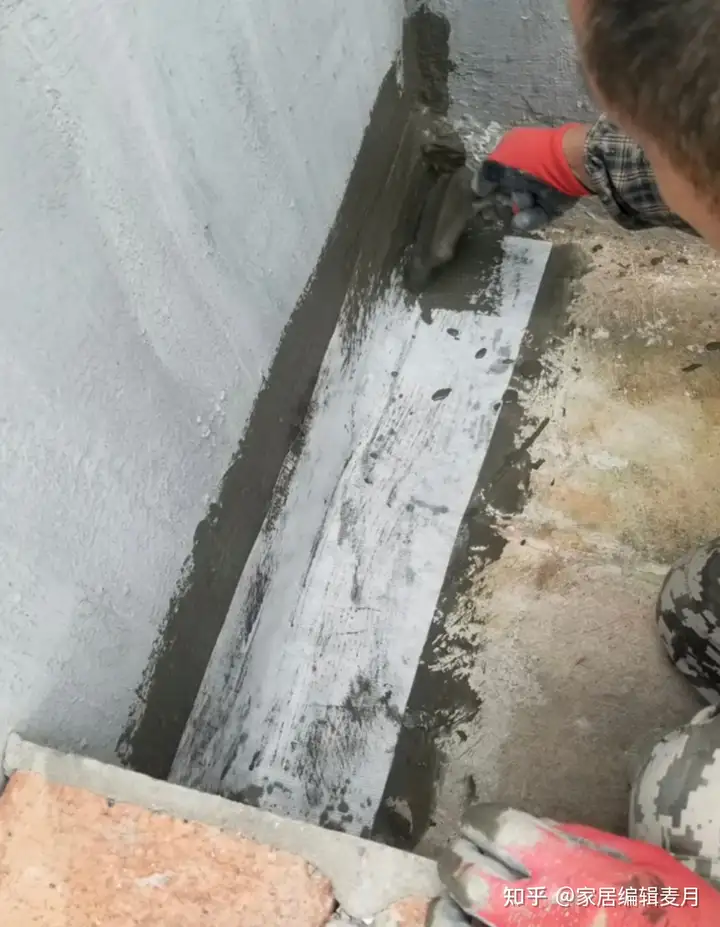
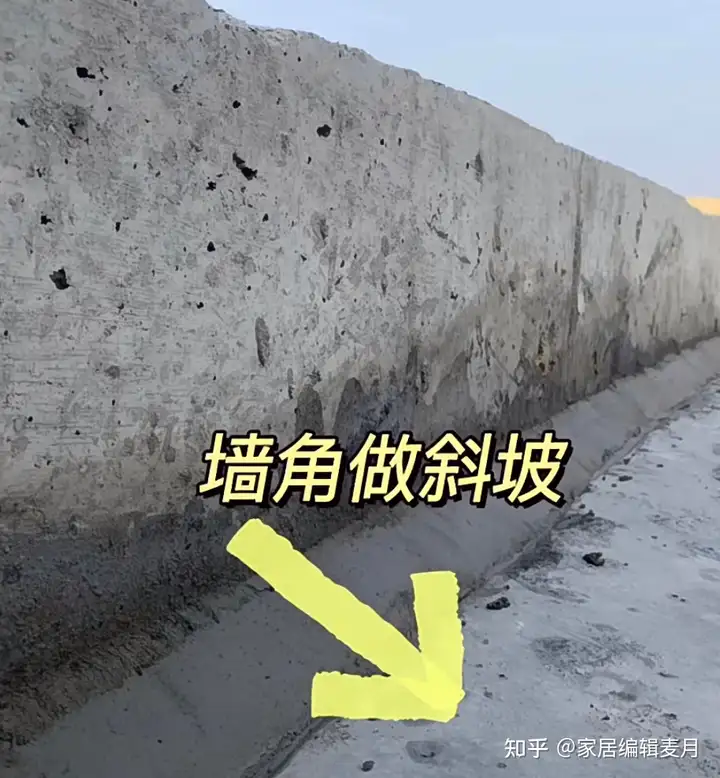
Next, address细节 at wall corners using polyester fabric and white waterproof mortar for a three-coat application to prevent cracking. Create slopes in corners to avoid water accumulation.

imageimage

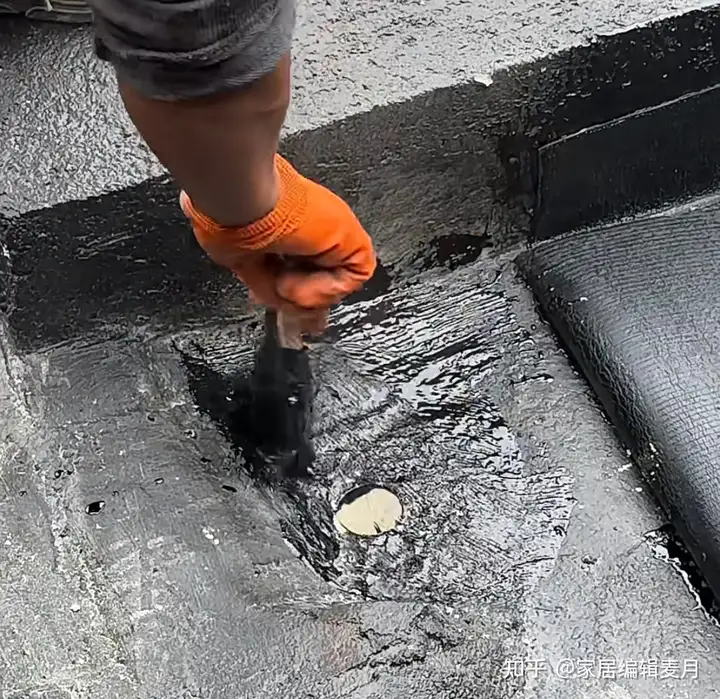
Then, apply a cold primer evenly and let it dry for at least 4 hours before using rubberized asphalt coating on high-risk areas like wall roots and corners for enhanced protection.

image

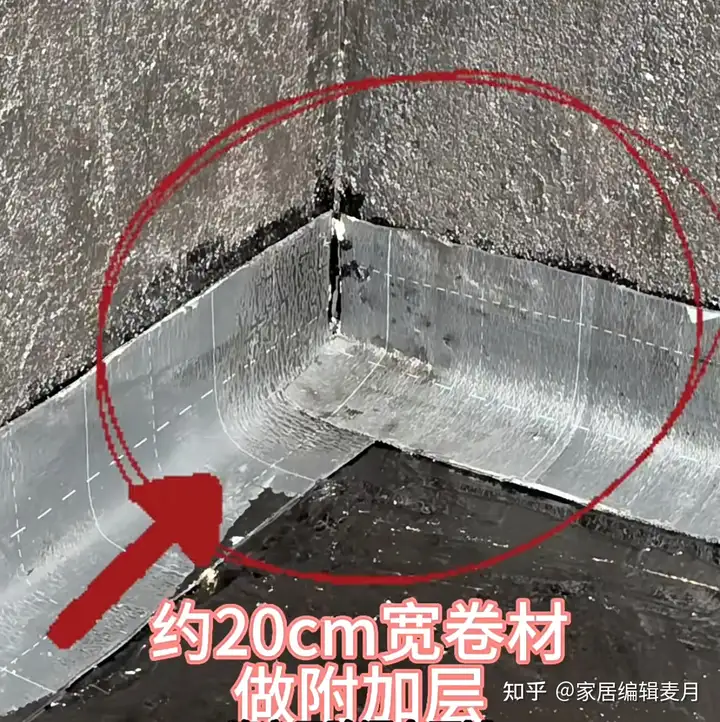
For waterproof membrane installation, start with an additional layer in critical zones using a heat-welding method with over 20cm width to meet standards. Fully adhere and weld the membrane with 10cm overlaps, followed by a 24-hour water test for leaks.

image

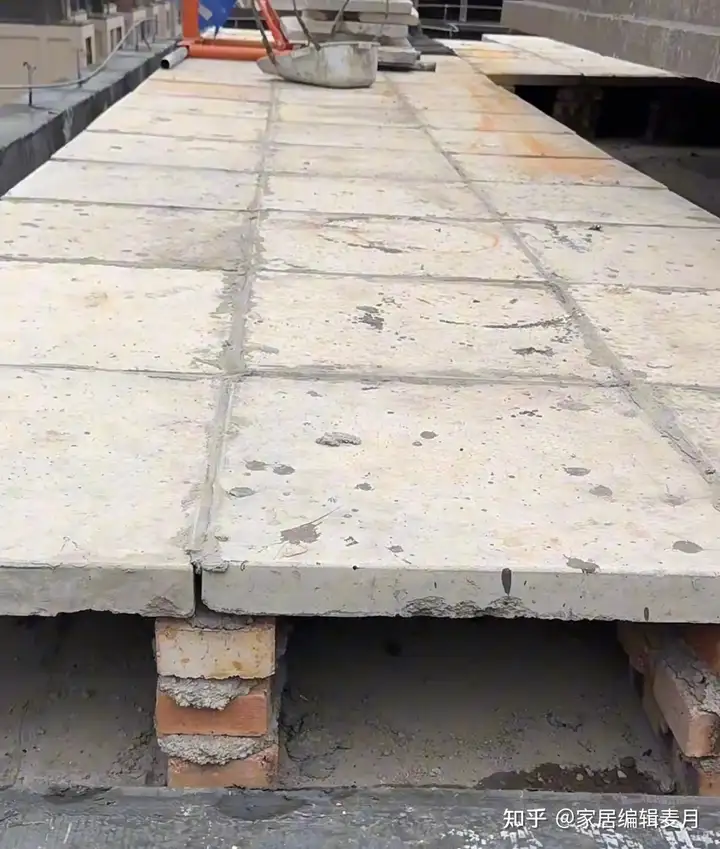
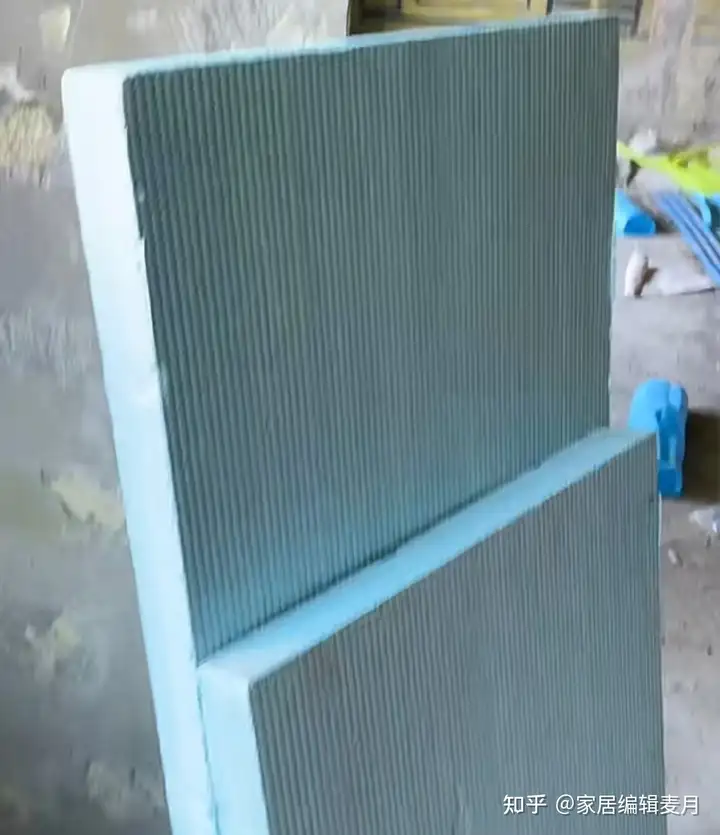
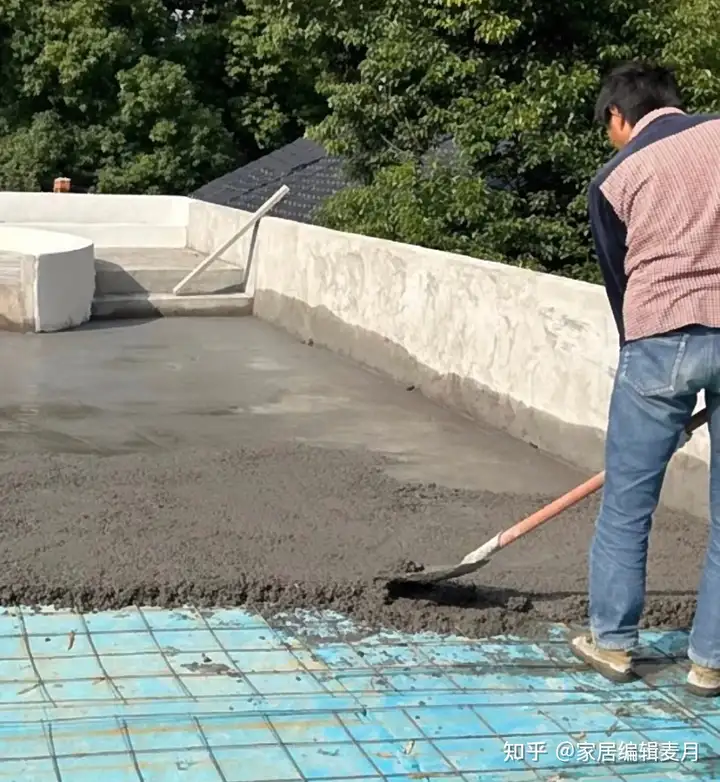
Add insulation: use an air gap for non-walkable areas and 5cm thick extruded polystyrene boards for terraces. Finish with a cement mortar protective layer, leveling with a slope, and install tiles or wooden flooring.

imageimageimage

This approach has proven reliable over five years, with expectations of lasting two decades, and costs around 110 per square meter, making it a cost-effective solution.

We are a very complete car parts, 95% of the basic accessories can be found

×
WhatsApp WhatsApp contact me online