• 0

    No products in the cart.

Ultimate Tile Selection Guide: Expert Tips on Choosing Ceramic Tiles for Home Decor, Including Types, Sizes, Water Absorption, and Room-Specific Recommendations

Tile products offer a wide variety in materials, colors, and specifications, making it challenging for homeowners to select the right ones. This guide provides essential insights into how to choose tiles based on your actual needs and room conditions.

Part 1: Five Steps to Select Tiles

Before choosing tiles, evaluate the room’s design style, natural light, and area size to determine color, pattern, and size preferences. Narrow rooms typically suit single-color floor tiles for a cohesive look.

Visit building material markets to gather brochures and compare prices. Take advantage of promotions for free consultations and discounts, ensuring a wide selection and quality options.

Consult with store guides or designers; many branded tile stores offer free home measurement and full-house design services. Learn from others’ experiences to identify reliable brands and avoid common pitfalls.

Opt for brands with strong reputations and high credibility, as they reflect comprehensive capabilities in technology, quality, and service. Purchasing from reputable建材 markets enhances quality assurance.

Larger companies generally provide robust pre-sales, in-sales, and after-sales support, including technical assistance and on-site services for any issues.

Part 2: Tile Categories and Selection Techniques

Tiles are broadly classified into glazed and vitrified types based on appearance. Glazed tiles are ideal for kitchens and bathrooms, while vitrified tiles suit living rooms and bedrooms.

From a professional perspective, tiles are categorized by water absorption into five types: porcelain tiles (E≤0.5%), ceramic tiles (E>9% to 0.5% to ≤3%), fine stoneware tiles (E>3% to ≤6%), and earthenware tiles (E>6% to ≤10%).

Generally, lower water absorption correlates with higher wear resistance and better slip resistance, resulting in superior quality, enhanced decoration, and improved comfort.

For kitchens, bathrooms, and balconies, use matte anti-slip tiles to prevent accidents; common sizes include 600x600mm or 600x900mm anti-slip antique tiles. Living rooms, kitchens, and dining areas often feature 800x800mm or larger tiles. TV walls are trending with 900x1800mm or 1200x2400mm continuous-pattern ceramic slabs. Bedrooms can utilize 150x900mm or 200x1200mm wood-look tile floors. Indoor walls work well with 600x1200mm or 900x1800mm thin slabs or larger panels for minimal seams and a premium appearance. Material selection depends on budget and room dimensions.

It is advisable to invest in higher-quality tiles initially, as redecoration is complex; aim for a one-time, proper installation to avoid future issues.

Ultimate Bathroom Tile Selection Guide: Expert Tips on 5 Must-Have Features and 5 Common Mistakes to Avoid for Safety and Style

Part 1: 5 Principles for Buying Bathroom Tiles

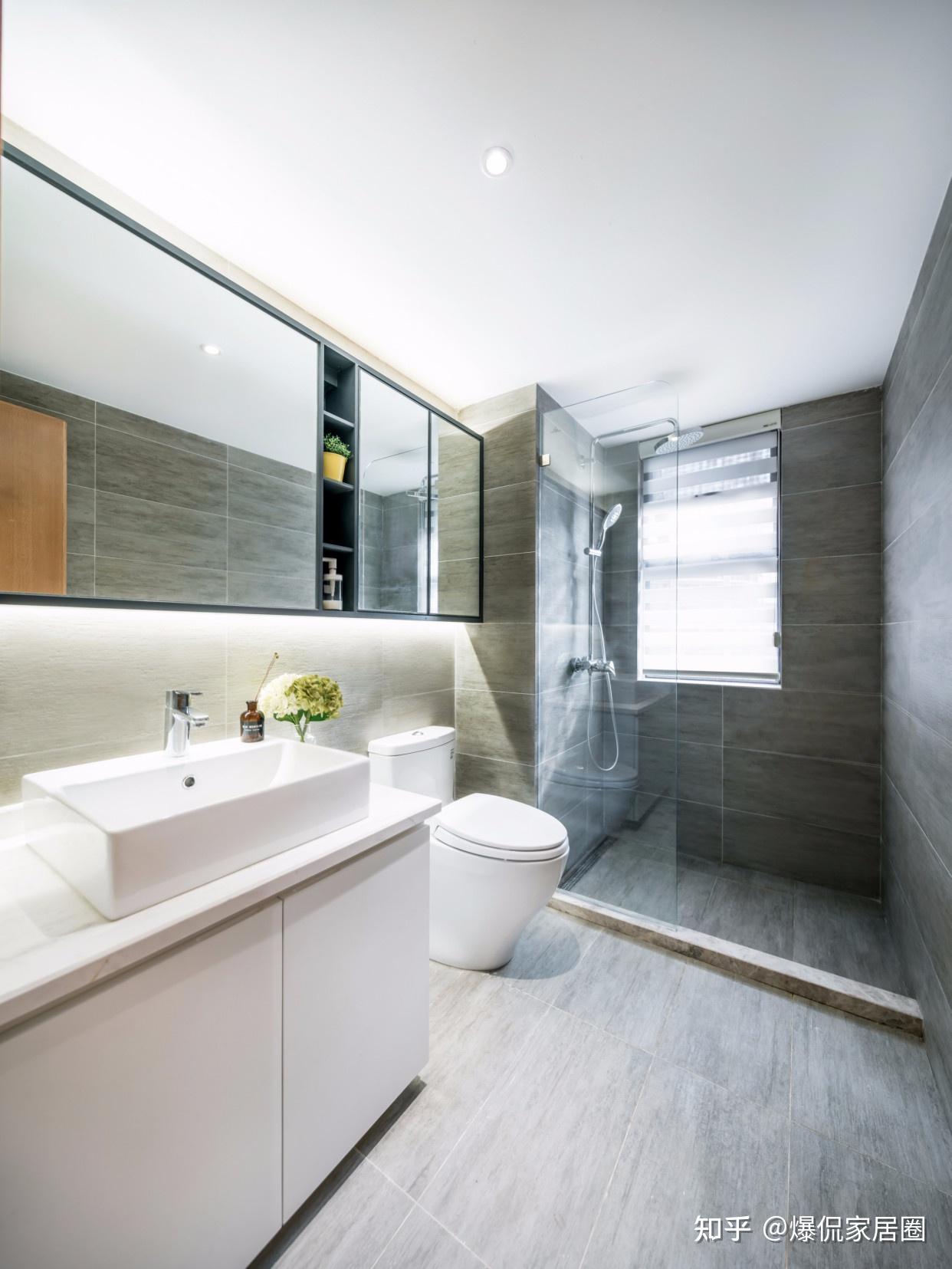
When decorating a bathroom, selecting the right tiles is a crucial step. As a high-traffic and humid area, bathroom tiles must be both aesthetically pleasing and functional, offering features like anti-slip properties, water resistance, and durability.

So, how do you choose the best bathroom tiles?

Image

Experienced renovation experts have compiled “5 buy and 5 don’t buy” tips to help you avoid pitfalls and make informed decisions. These insights can streamline your renovation process and prevent future regrets.

1. Buy tiles with excellent anti-slip performance

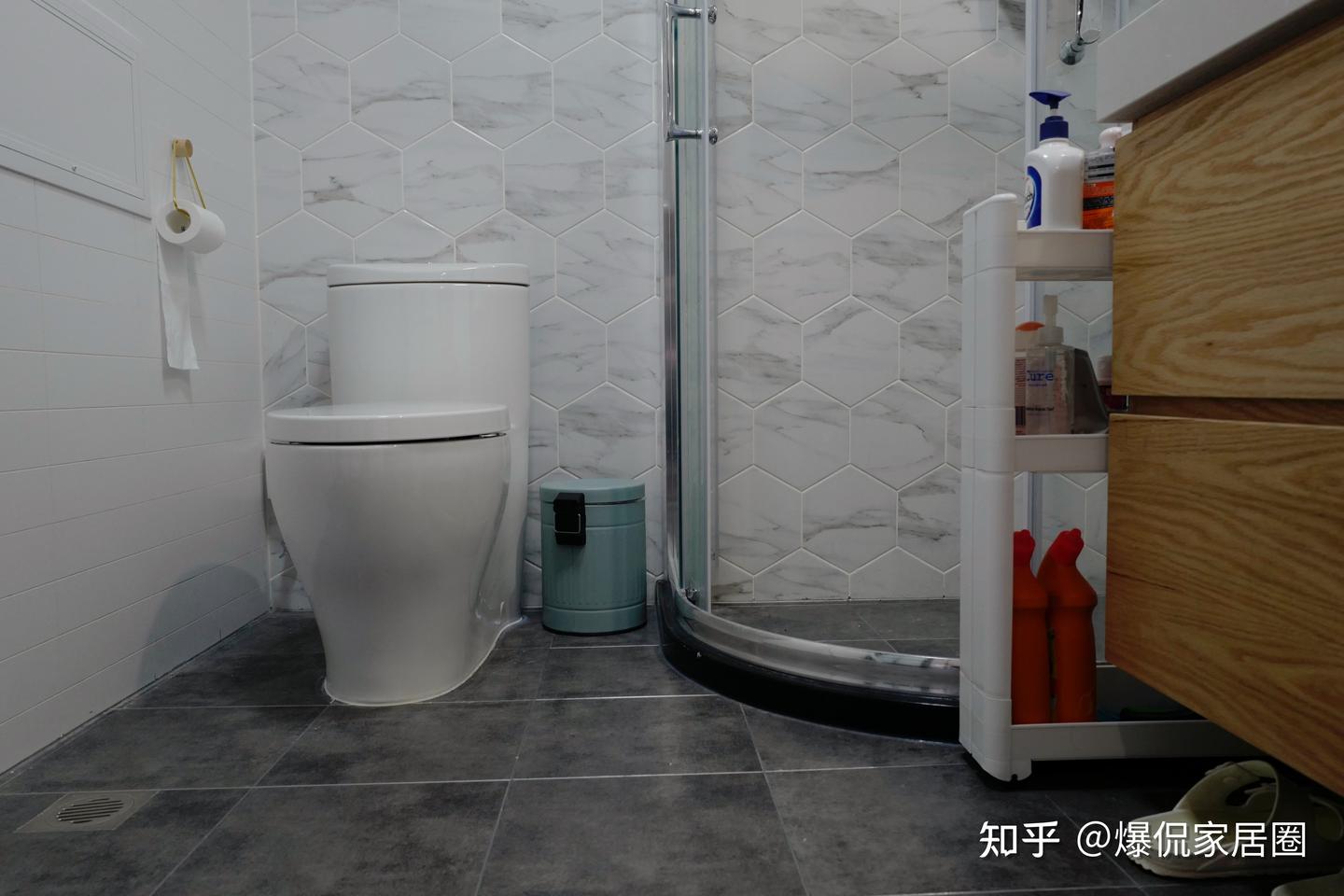
Bathroom floors are frequently wet, making slip resistance a top priority. For households with children or seniors, this is especially important. Tile slip resistance ratings range from R9 (lower resistance) to R13 (high resistance). Choose tiles rated R11 or higher for safety. Anti-slip tiles often feature textured or matte surfaces to increase friction and reduce accidents.

Image

2. Buy tiles with low water absorption

High humidity in bathrooms can lead to mold and deterioration, so low water absorption is key. According to standards, tiles with absorption below 0.5% are considered high-quality. Test by dripping water on the tile back—slow absorption indicates better performance. Low-absorption tiles enhance moisture resistance and longevity.

3. Buy tiles with strong wear resistance

Bathrooms endure heavy use, so tiles must be durable. Glazed and polished tiles are excellent choices due to their hard surfaces and scratch resistance. Durable tiles maintain their appearance and reduce cleaning efforts.

Image

When selecting, scratch the surface with a hard object to check for marks and assess durability.

4. Buy tiles that are easy to clean

Bathrooms accumulate dirt, so easy-cleaning tiles are essential. Glazed tiles are ideal—they come in varied colors and patterns, with dense surfaces that resist stains. Regular cleaners suffice for maintenance. For walls, glossy tiles simplify wiping and prevent residue buildup.

Image

Consult retailers on cleaning methods or opt for smooth-surfaced tiles to minimize upkeep.

5. Buy tiles that match your home’s style

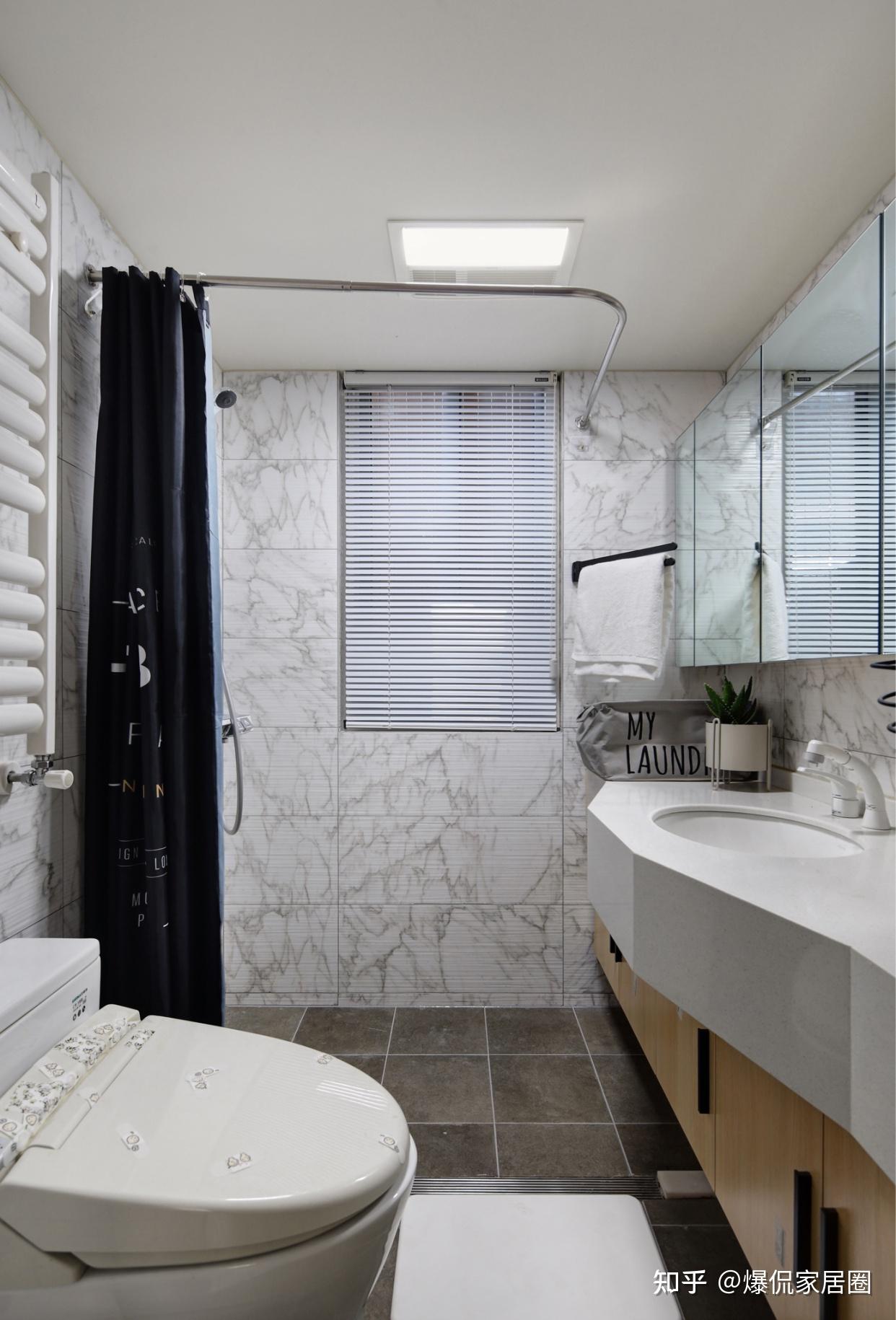
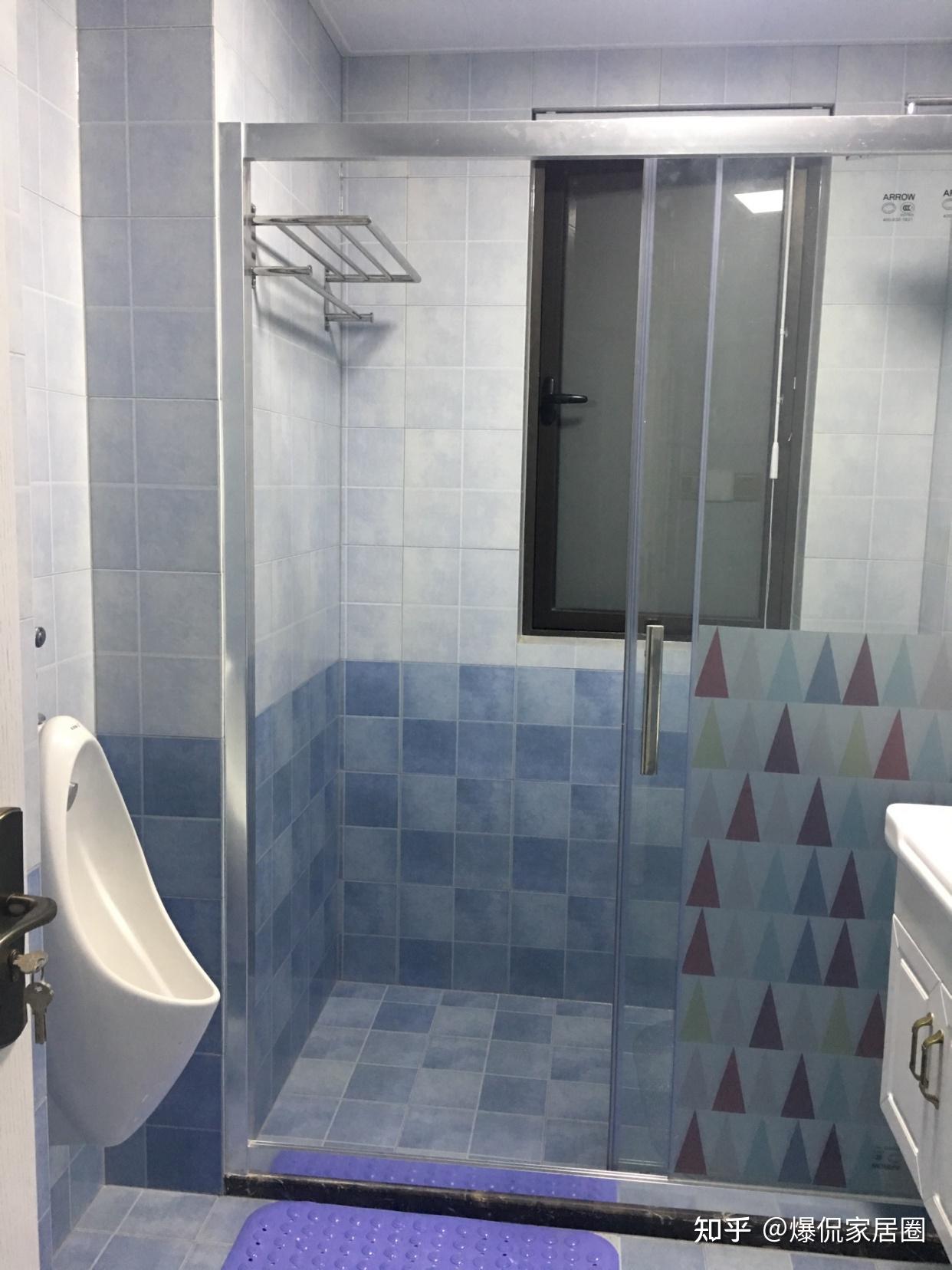
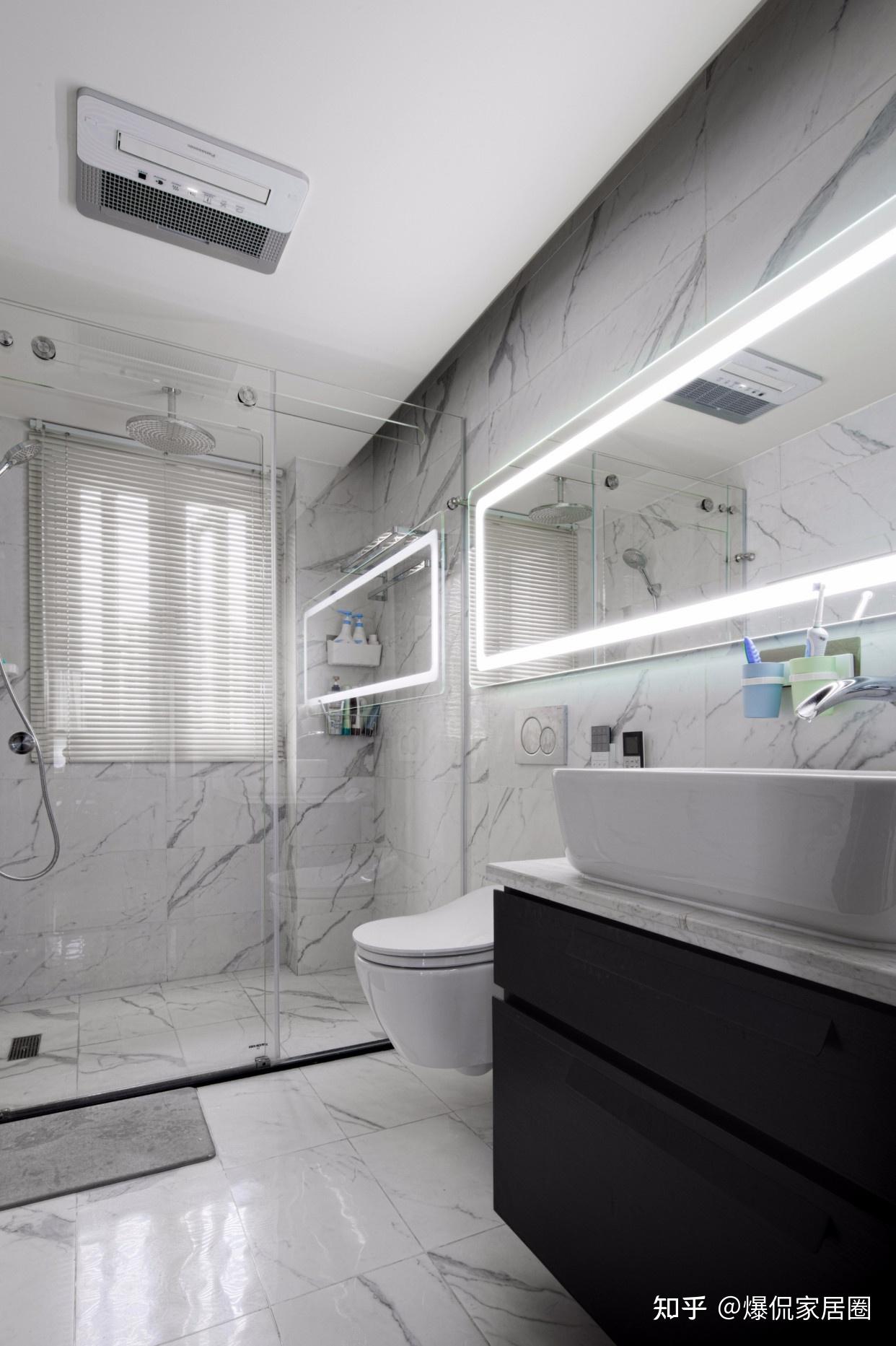
Tiles should blend functionality with aesthetics. Consider your overall decor to ensure colors and patterns harmonize. For small bathrooms, light-colored tiles create an illusion of space. Medium-sized bathrooms benefit from warm tones for coziness, while large bathrooms can use dark hues or large-format tiles for a bold look. Experiment with unique layouts to add depth.

Image

Part 2: 5 Things to Avoid When Choosing Bathroom Tiles

1. Don’t buy overly smooth tiles

Smooth tiles may look appealing but become slippery when wet, posing safety risks. In humid bathrooms, opt for matte or textured tiles instead.

2. Don’t buy tiles with high water absorption

High-absorption tiles allow moisture penetration, leading to mold and reduced lifespan. Avoid tiles where water spreads quickly on the back.

Image

3. Don’t buy tiles with deep pits

Textured tiles might improve grip but trap dirt over time, making cleaning difficult. Choose smooth, stain-resistant tiles like glazed varieties to ease maintenance.

Image

4. Don’t buy low-quality tiles

Tile quality impacts durability and appearance. Select reputable brands and verify authenticity through packaging. Inspect samples for cracks or color inconsistencies to avoid safety issues and premature wear.

5. Don’t buy tiles that clash with your home’s style

Ensure tiles complement your decor to maintain visual harmony. Mismatched colors or patterns can disrupt the overall ambiance, so prioritize coordination.

Image

Additional Tips for Bathroom Tile Selection

Plan your budget wisely and compare brands for value. Consider long-term costs like cleaning. Reputable brands offer reliability, but affordable options can suffice if they meet standards. Check quality reports and user reviews. Assess tile size and installation methods—larger tiles with fewer seams enhance spaciousness, while layouts like straight or herringbone add personality. Lastly, prioritize eco-friendly tiles with low emissions for health and environmental benefits.

Image

In summary, bathroom tile selection involves balancing safety, functionality, and style. By focusing on slip resistance, water absorption, durability, cleanability, and design coherence, you can create a beautiful and practical space. Use these tips to make smart choices and avoid common errors.

We are a very complete car parts, 95% of the basic accessories can be found

×
WhatsApp WhatsApp contact me online