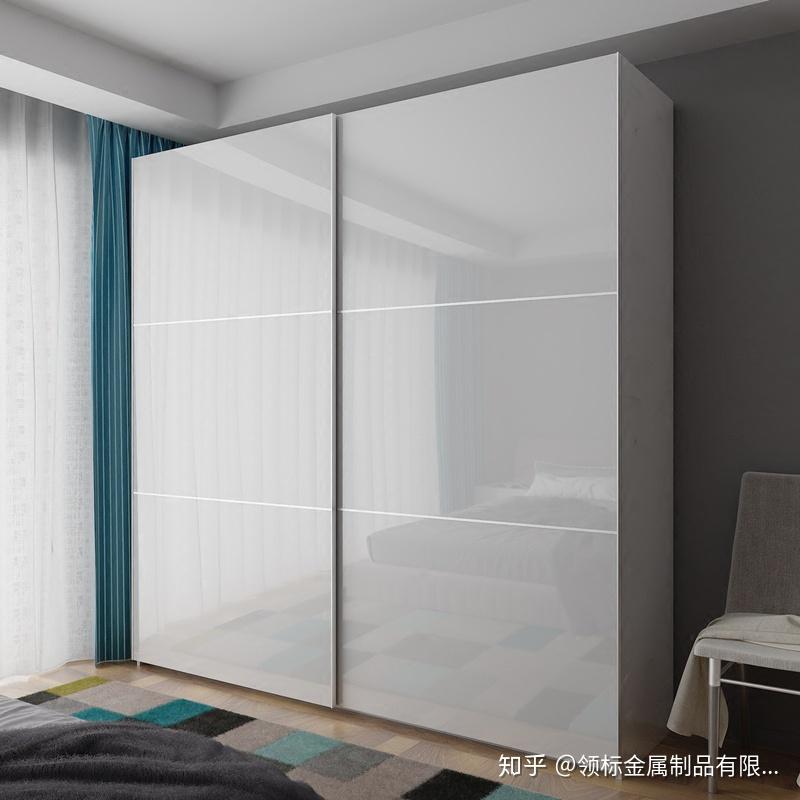
Stainless steel wardrobes provide exceptional benefits such as corrosion resistance, rust prevention, easy cleaning, acid and alkali resistance, oil stain resistance, and no dead corners, complying with GMP standards. The steel body features different surface finishes: a smooth mirror-like surface offers a striking three-dimensional effect and spacious visual appeal, while a matte finish delivers a high-quality appearance with a comfortable, natural texture. Stainless steel allows diverse contours and custom designs, thanks to its excellent toughness and strength, enabling complex and high-demand design outcomes. These wardrobes come with luxurious and aesthetic patterns, exuding an elegant and robust presence that rivals other materials.
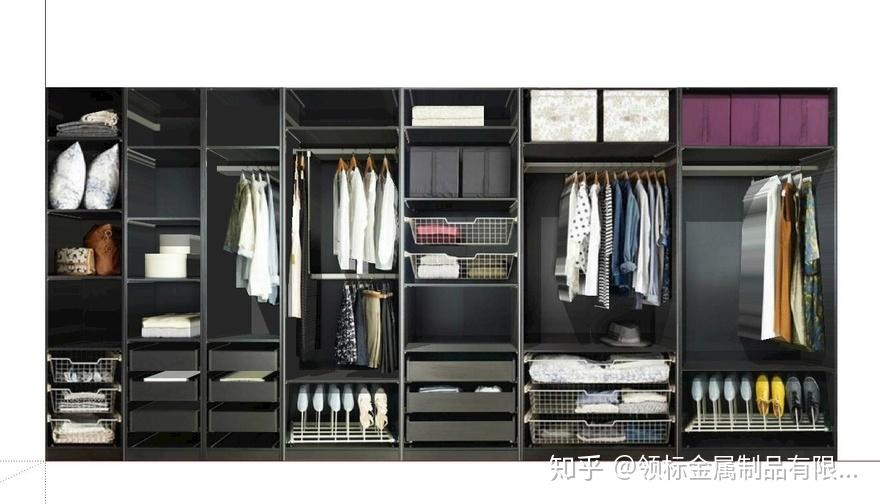
Stainless steel contains no toxic organic compounds, involves no construction pollution, and requires no glue or paint application. The manufacturing process includes cutting, opening, bending, welding, polishing, grinding, and film removal, all without chemical additives, making it an eco-friendly, non-toxic material ideal for sustainable development. It is versatile and can be used for wardrobes, TV background walls, stair railings, dining tables, chairs, and cabinets.
In terms of aesthetics, stainless steel matches or surpasses other decorative materials, while outperforming in functionality with fire and theft resistance, excellent durability, corrosion resistance, high toughness, strong plasticity, and environmental benefits. Incorporating it into home decor adds a touch of elegance and sophistication, with a natural metal texture and brilliant visual appeal that enhances any space.
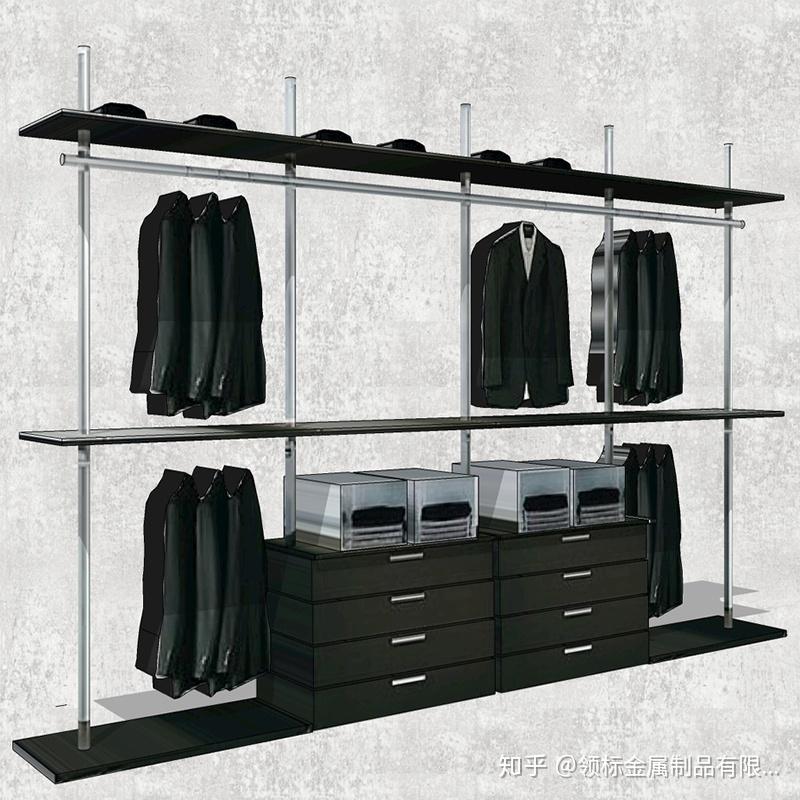
Design styles include ‘Comfortable Living’ with harmonious white tones for a cozy home feel, ‘Gentle as Water’ featuring warm color schemes and dark wallpapers for comfort and elegance, and ‘Quiet Taste’ with yellow backgrounds evoking warmth and simplicity. Korean pastoral themes offer a fresh, integrated look with coordinated furniture arrangements for a tidy and aesthetically pleasing bedroom environment.
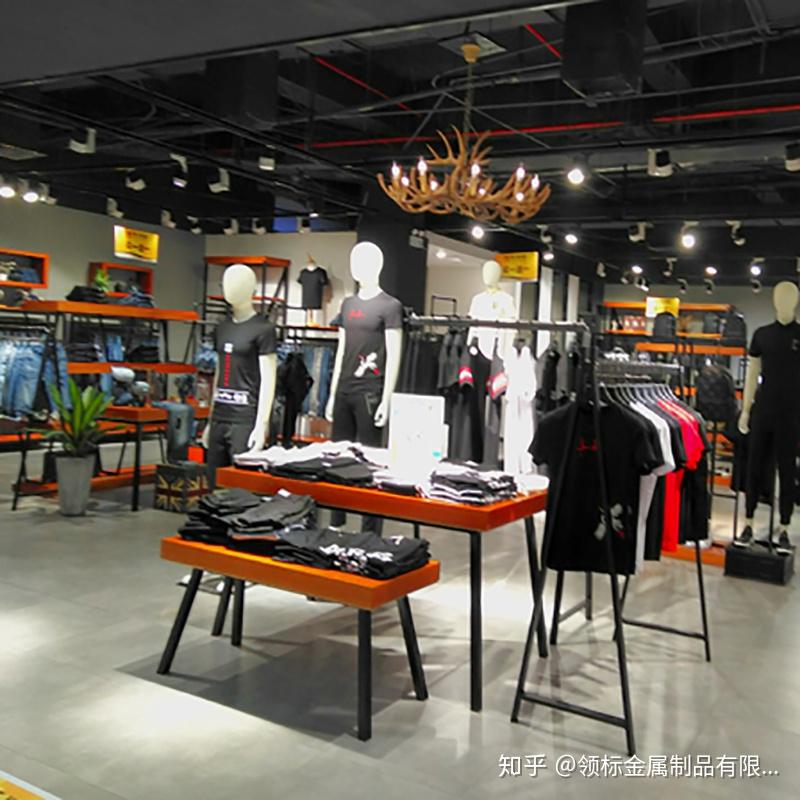
Key characteristics include a beautiful and rational design, resistance to acids, alkalis, and oil stains, GMP compliance, no dead angles, easy cleaning, superior hygiene and environmental performance, absence of methanol and radiation, fire safety, metallic gloss and hardness, scratch resistance, and good corrosion protection, though it may have poor breathability and higher costs.
Advantages encompass excellent waterproof performance, longevity, eco-friendliness, moisture and mildew resistance, rust prevention, diverse styles, and unique designs. Disadvantages include potential thin cabinet construction, reduced practicality, susceptibility to marks from soaps or shampoos, and gradual darkening or loss of original luster.
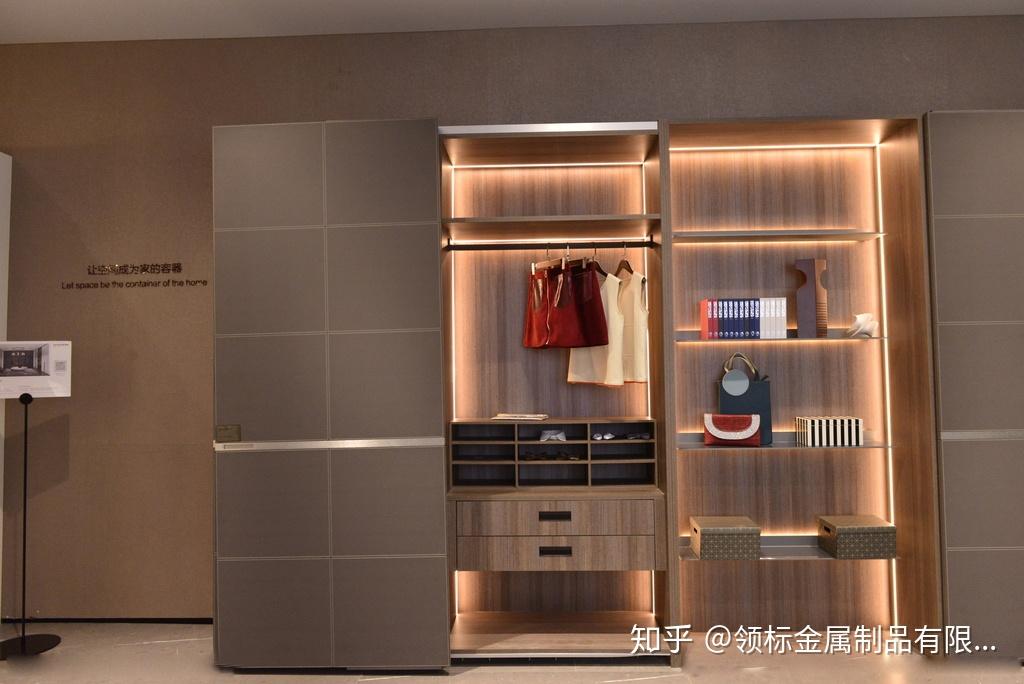
Maintenance guidelines: Handle with care during moving, avoid dragging; ensure even placement on leveled surfaces; keep away from direct sunlight and excessive dryness, opting for ventilated areas; address cracks with matching paint and pigments; for burn marks, use a cloth-wrapped toothpick with vinegar; for white scorch marks, clean with alcohol, perfume, or kerosene; for water stains, apply a damp cloth and iron gently; and for scratches, use matching crayons or paints.
Regular dusting with a soft cloth and cleaner is recommended, avoiding dry wiping. Apply paste wax every 6 to 12 months for protection; remove water marks with absorbent paper and an iron or toothpaste, and address white marks with a mixture of ash and lemon juice before waxing.




 WhatsApp contact me online