
Full-Height Cabinet Doors: Ultimate Guide to Design, Benefits, Drawbacks, Installation Tips, and Modern Alternatives for Home Renovation
What Are Full-Height Cabinet Doors?
Are full-height cabinet doors aesthetically pleasing? The answer is unequivocally yes! With their sleek, minimalist lines and elegant appearance, it’s no wonder designers and home influencers have praised them, quickly elevating them to a must-have in modern interior design.
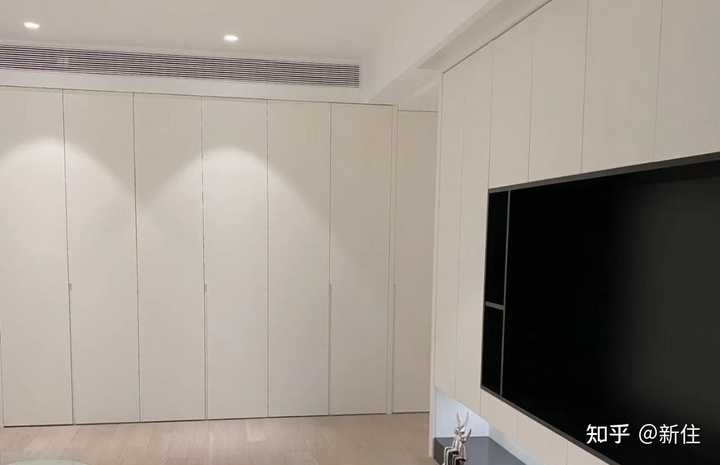
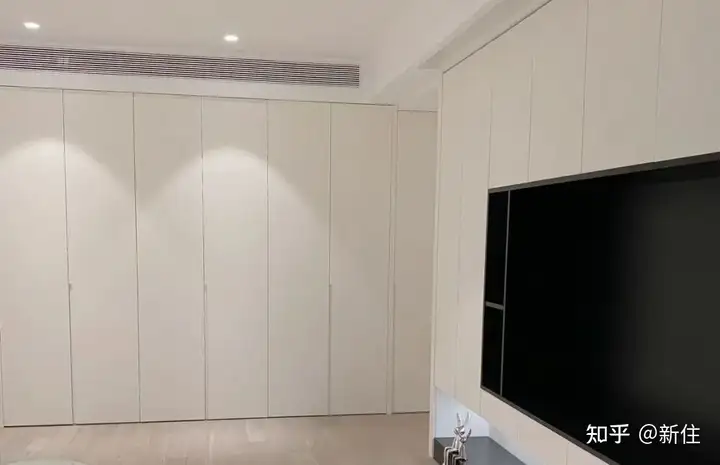
But why are full-height doors less common in real-life homes, and why do some people who have installed them express dissatisfaction? This guide delves into the details of full-height cabinet doors, addressing these questions and helping you avoid common pitfalls during renovation.
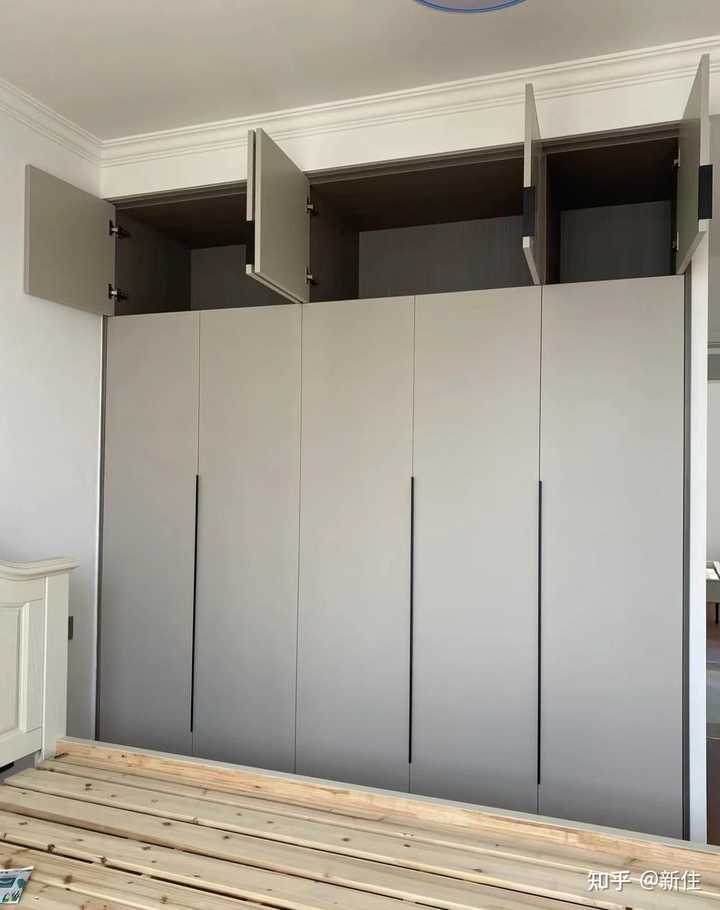
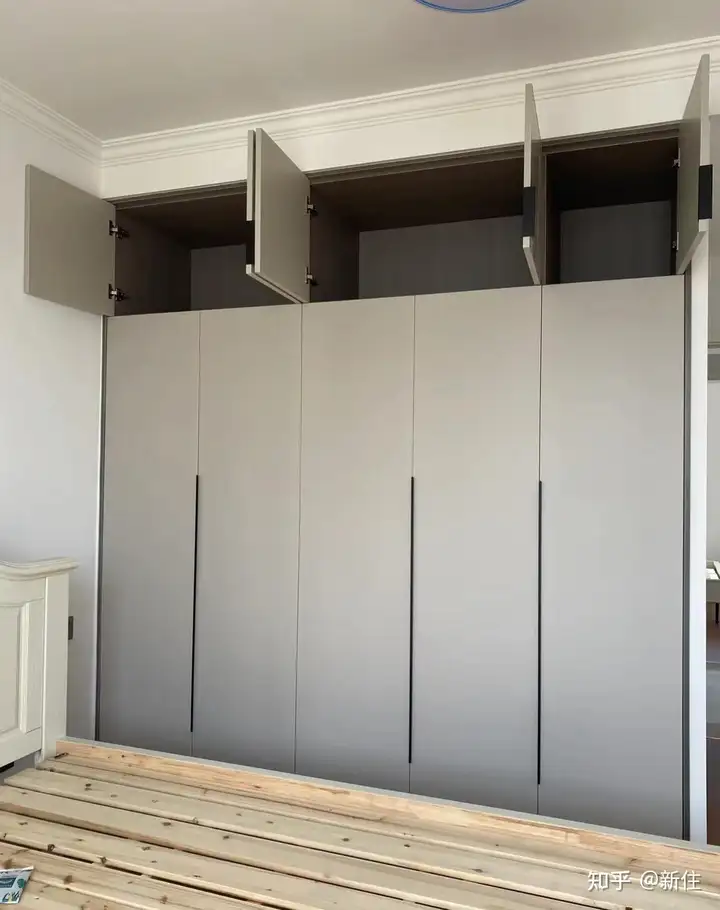
Simply put, full-height doors extend from the floor to the ceiling without分段, unlike traditional two-section doors. When executed well, with attention to details like handles, top panels, kickboards, side trims, and light panels, they create a seamless look. However, poor implementation can lead to design failures.
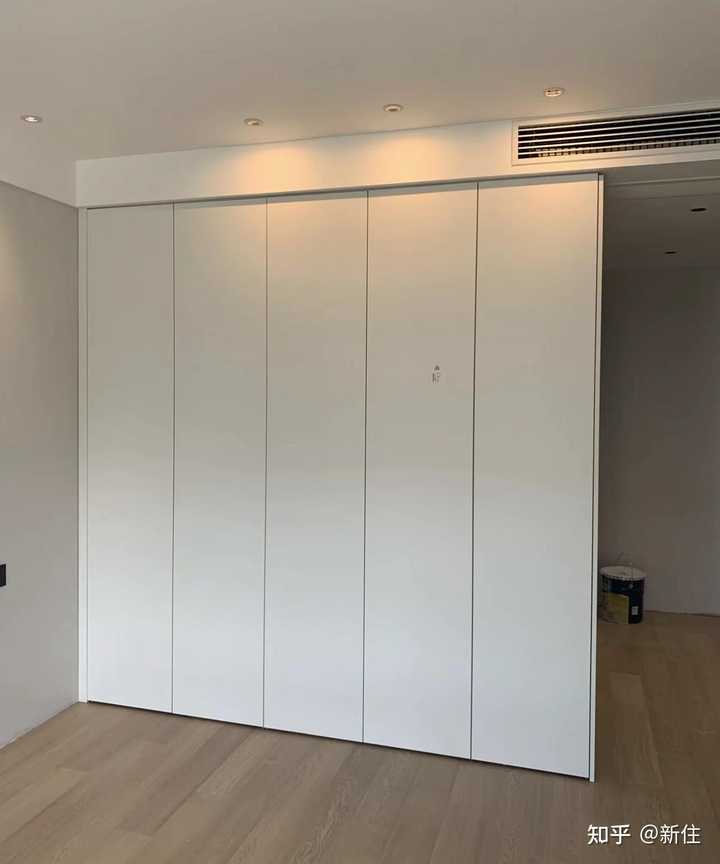
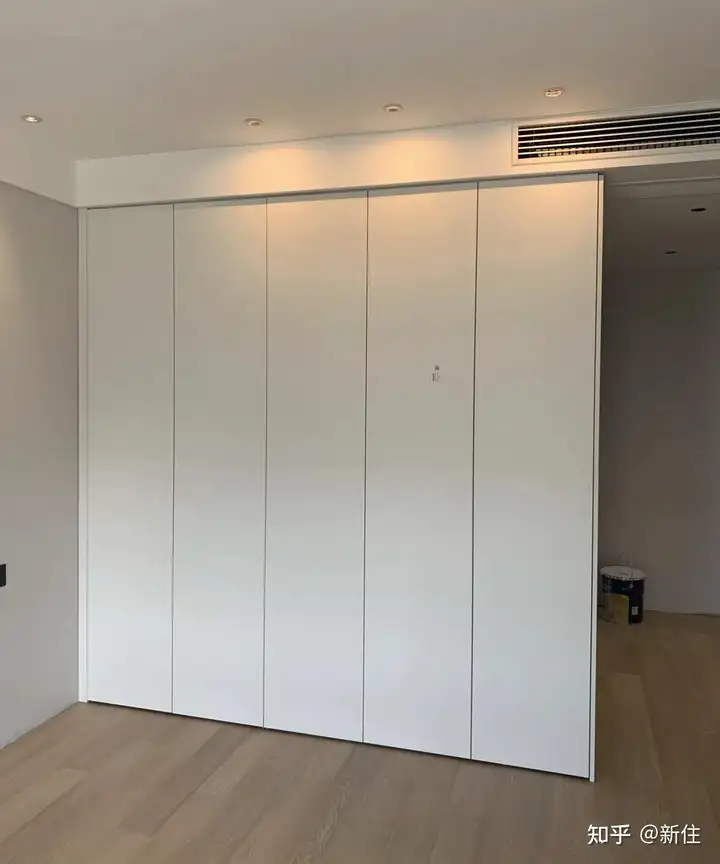
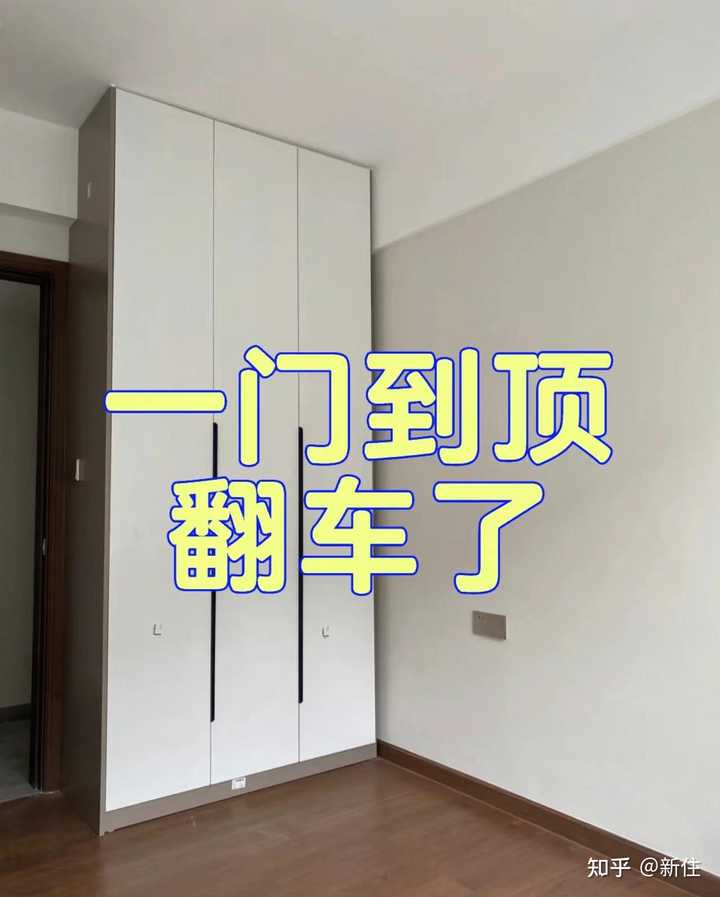
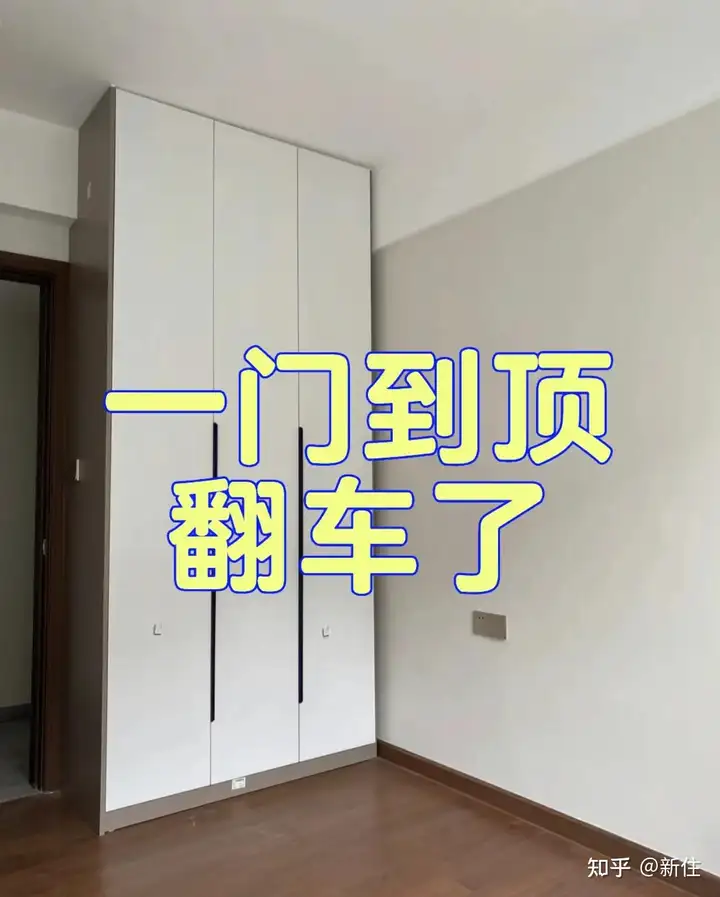
This design isn’t limited to wardrobes; it can be applied to entryway cabinets, TV consoles, and balcony storage. To achieve the best results, focus on five key aspects: handle treatment, top panel integration, kickboard concealment, side trim alignment, and light panel uniformity.
For handles, the most seamless options include push-to-open mechanisms or groove handles, which maintain a clean look. Alternatively, subtle or隐形 handles can work, but bulky ones may detract from the design.
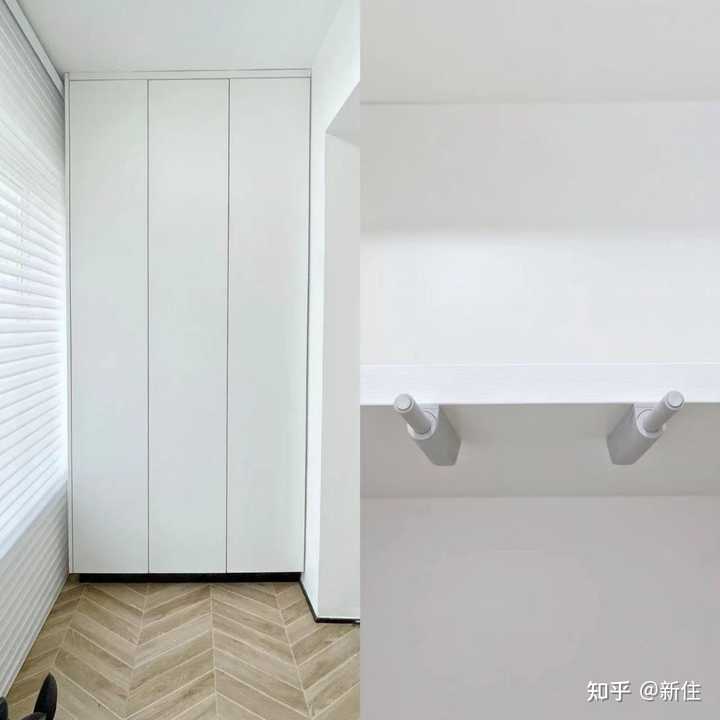
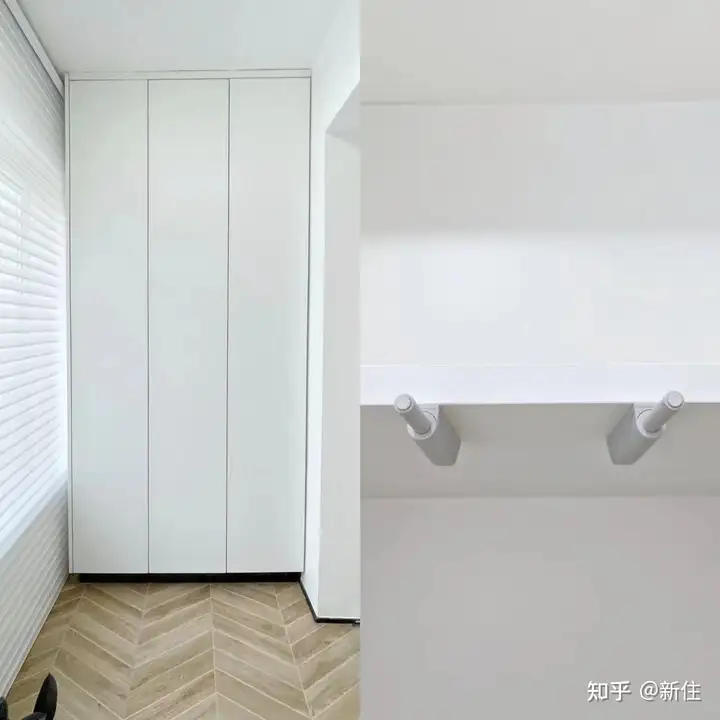
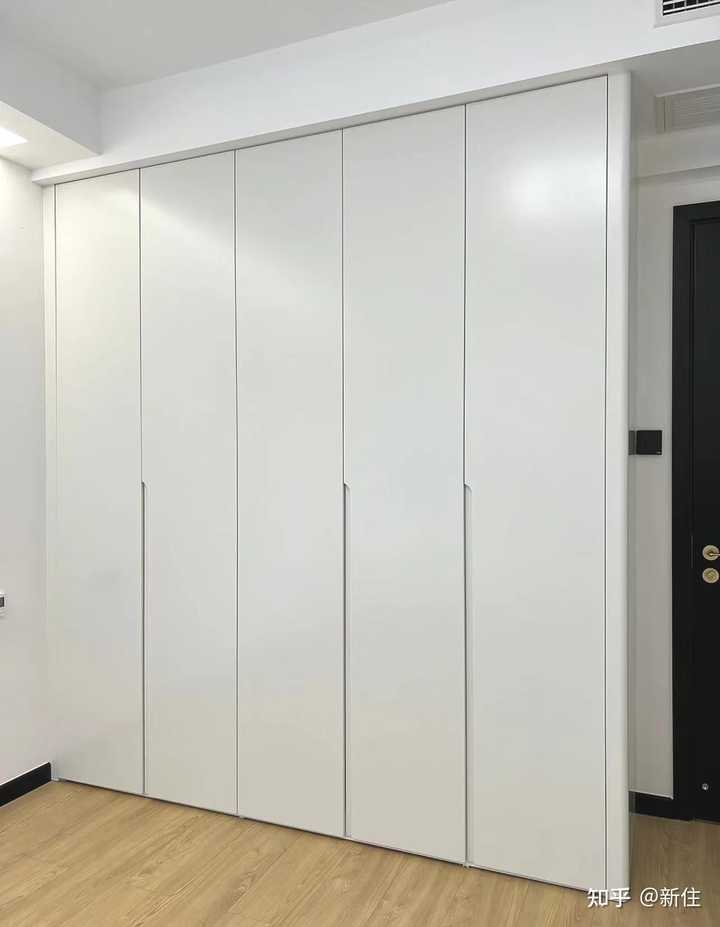
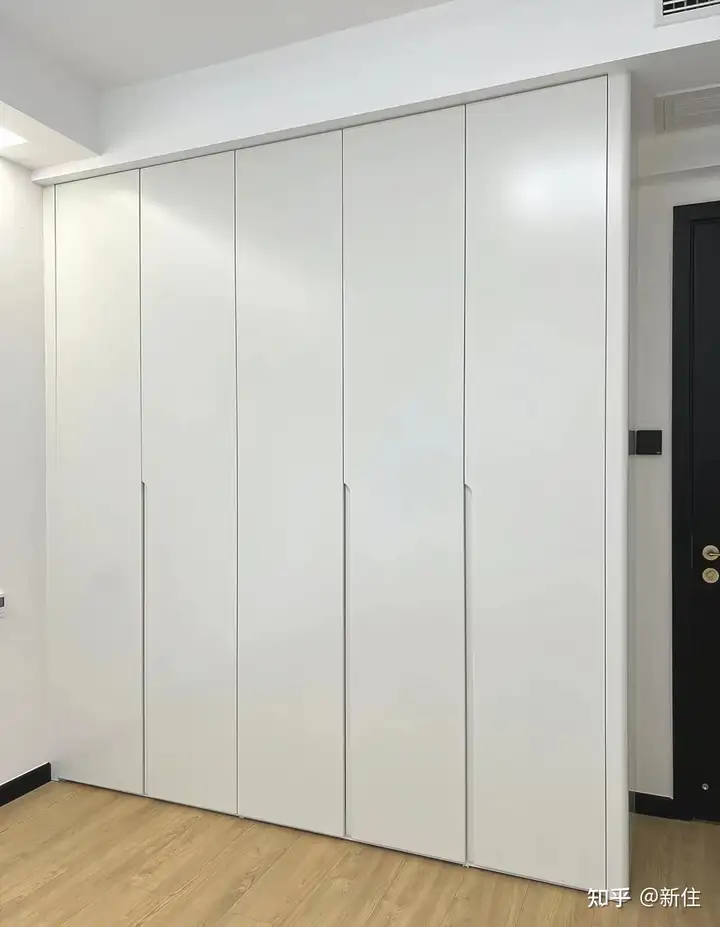
Top panels should be hidden by integrating ceiling work or using concealed designs to avoid visual breaks. Similarly, kickboards are best tucked under the door for a flush appearance, though exposed versions are less ideal.
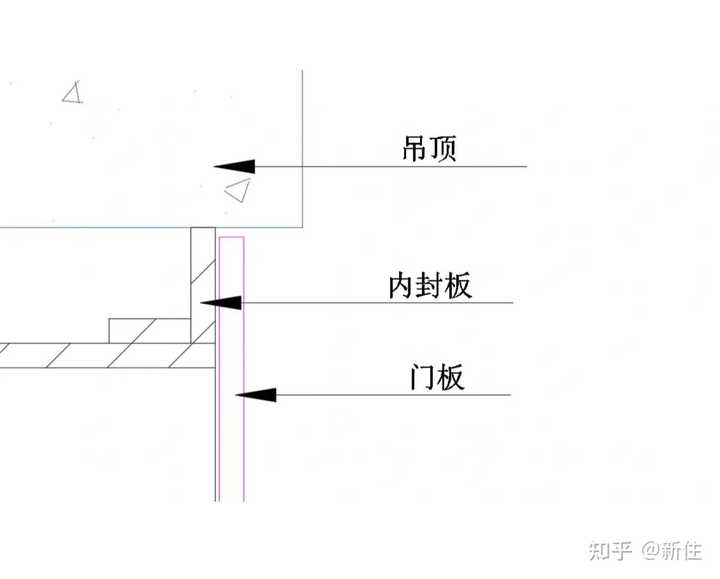
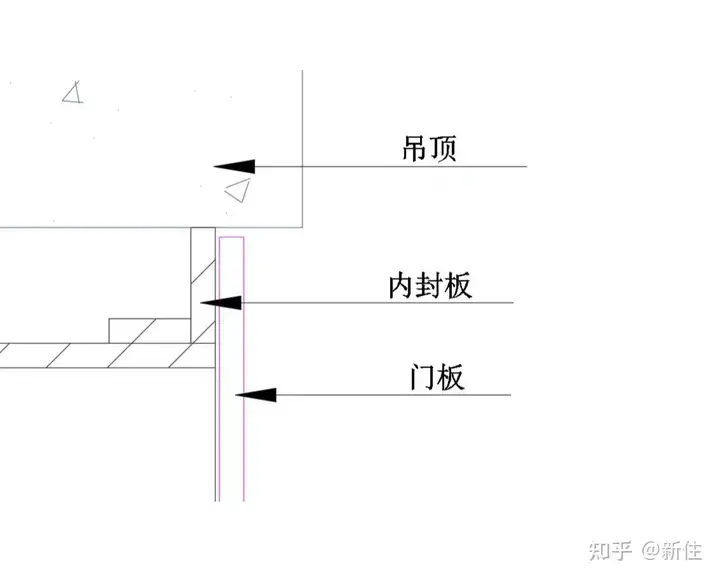
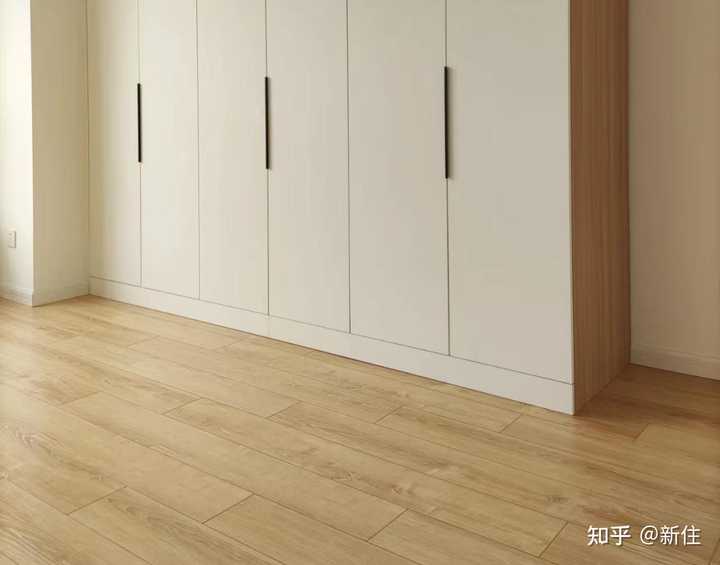
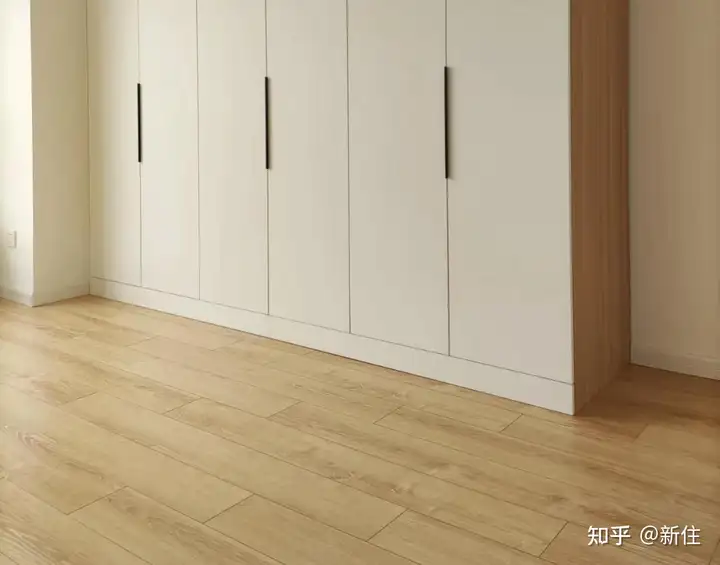
Side trims require wall leveling for narrow, vertical installation, while light panels ensure material consistency on exposed sides. Neglecting these can result in uneven gaps or mismatched colors.
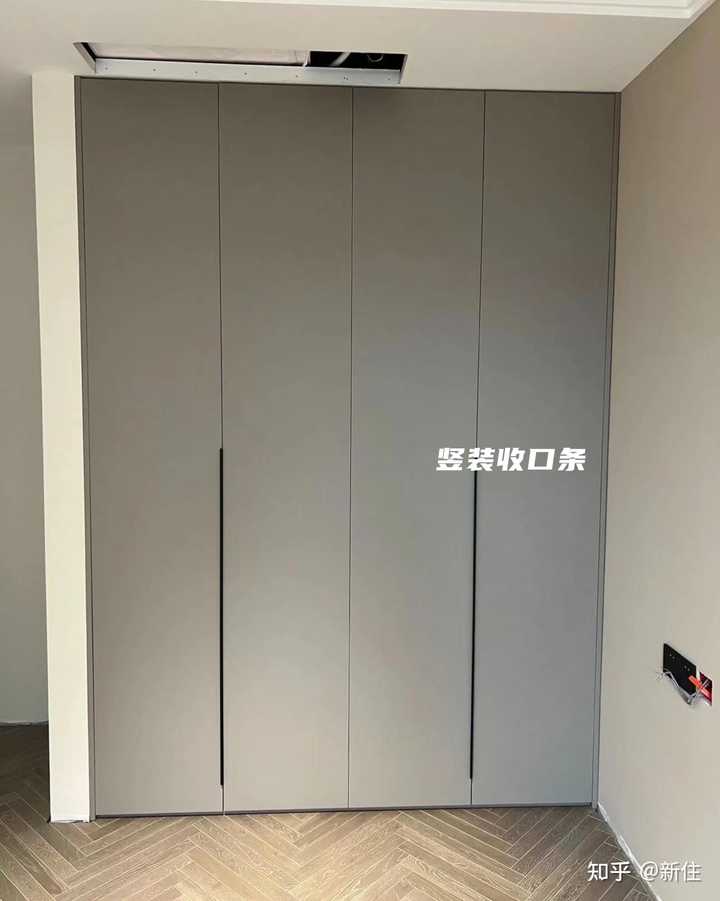
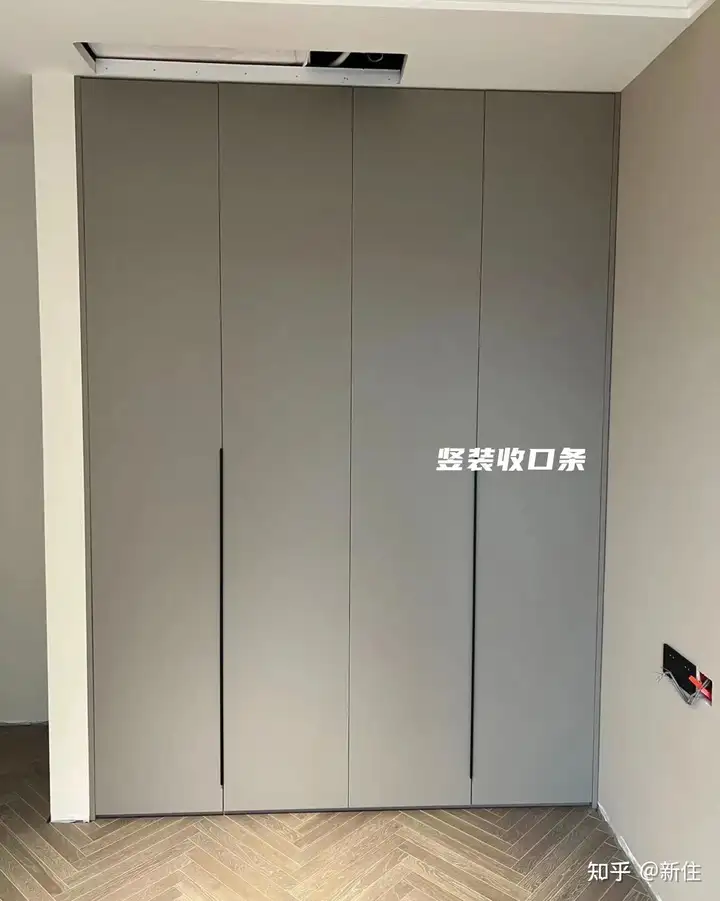
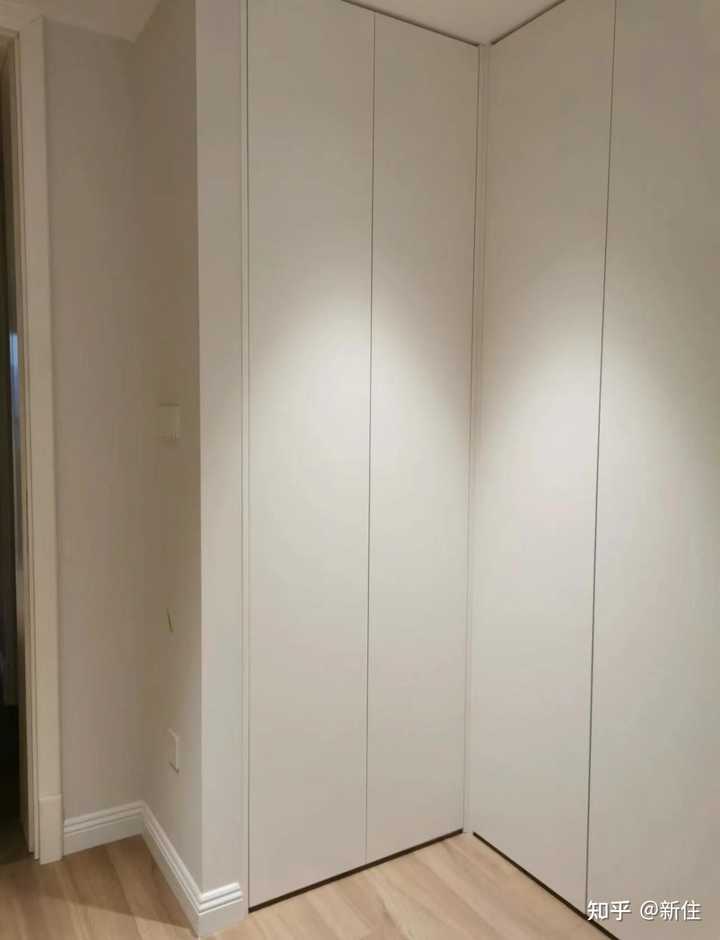
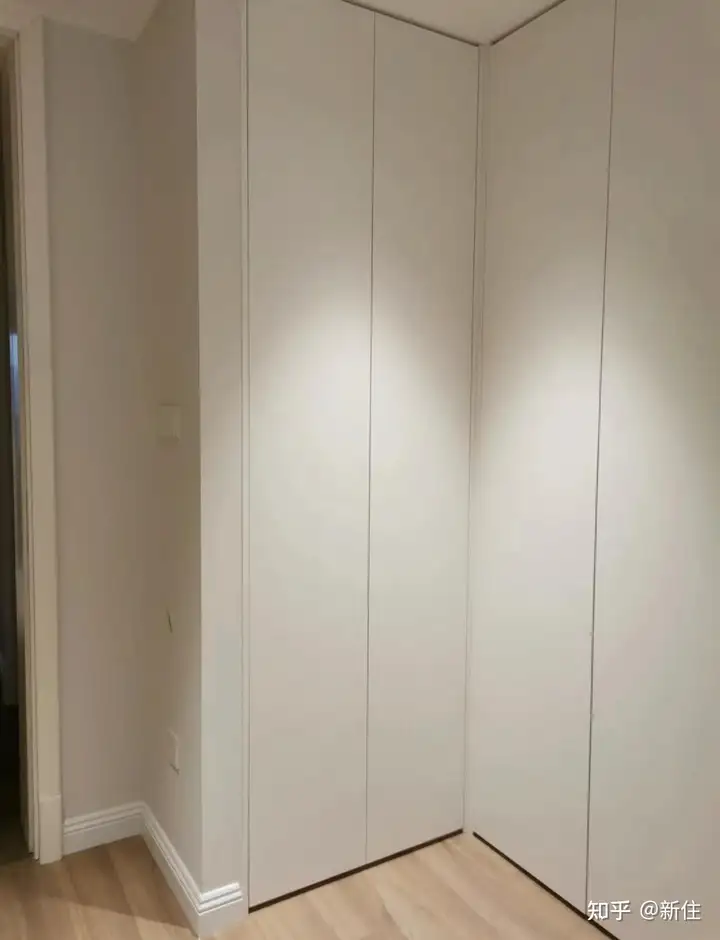
The primary advantage of full-height doors is their aesthetic appeal, as they create a sense of height and spaciousness. Practically, they are easier to clean due to the absence of handles. However, drawbacks include a high risk of installation errors, such as doors being too short or color mismatches, and increased costs for materials like reinforced panels, straighteners, and high-quality mechanisms.
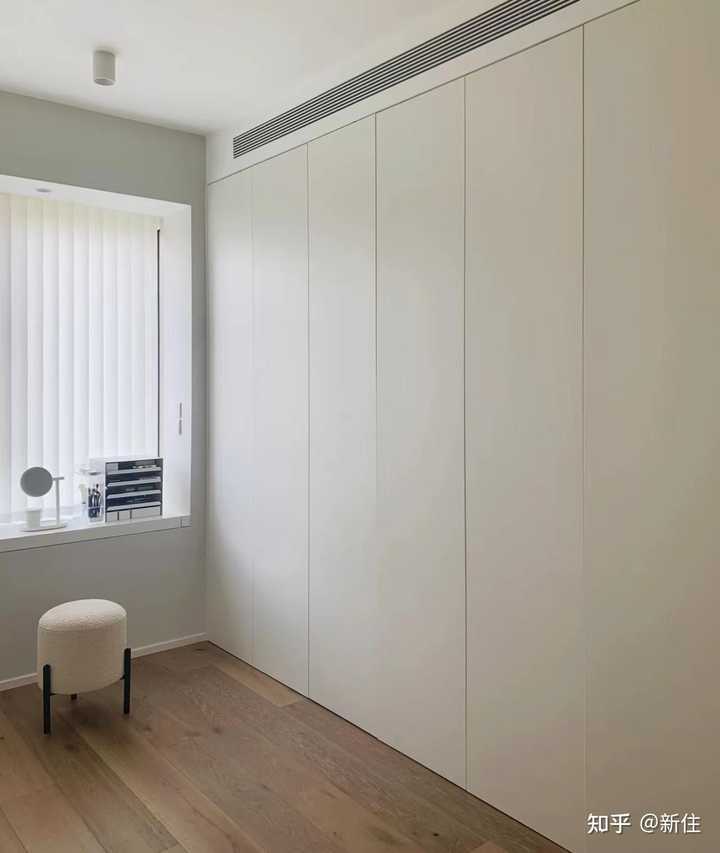
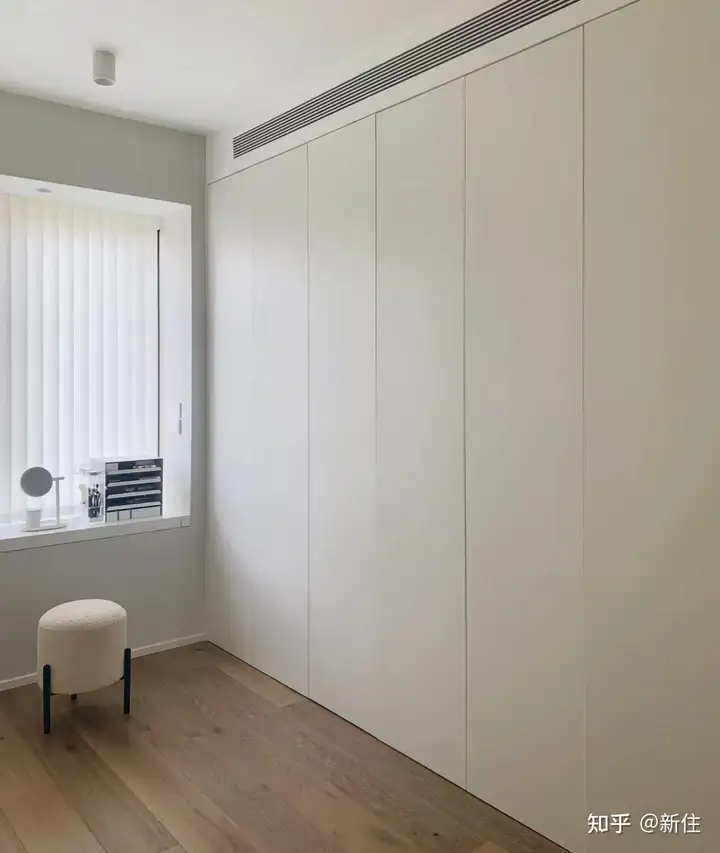
Common issues involve doors rubbing against surfaces over time, mechanisms like push-to-open becoming cumbersome, and difficulties in cleaning under suspended doors. Alternatives include split-style cabinets with finger grooves, ready-made cabinets integrated with custom finishes, traditional designs with optimized details, and closet-style setups with folding doors and modular storage for flexibility and cost-effectiveness.
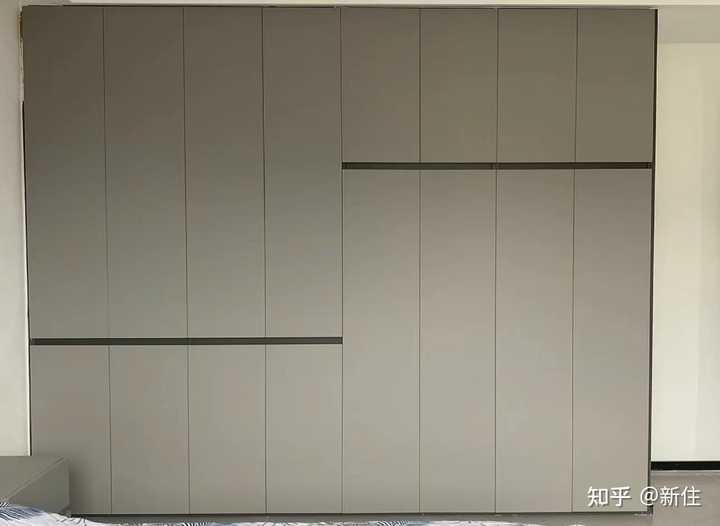
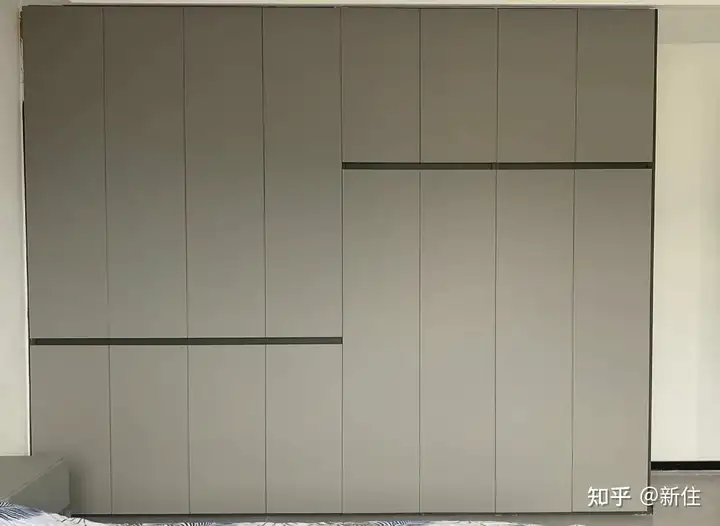
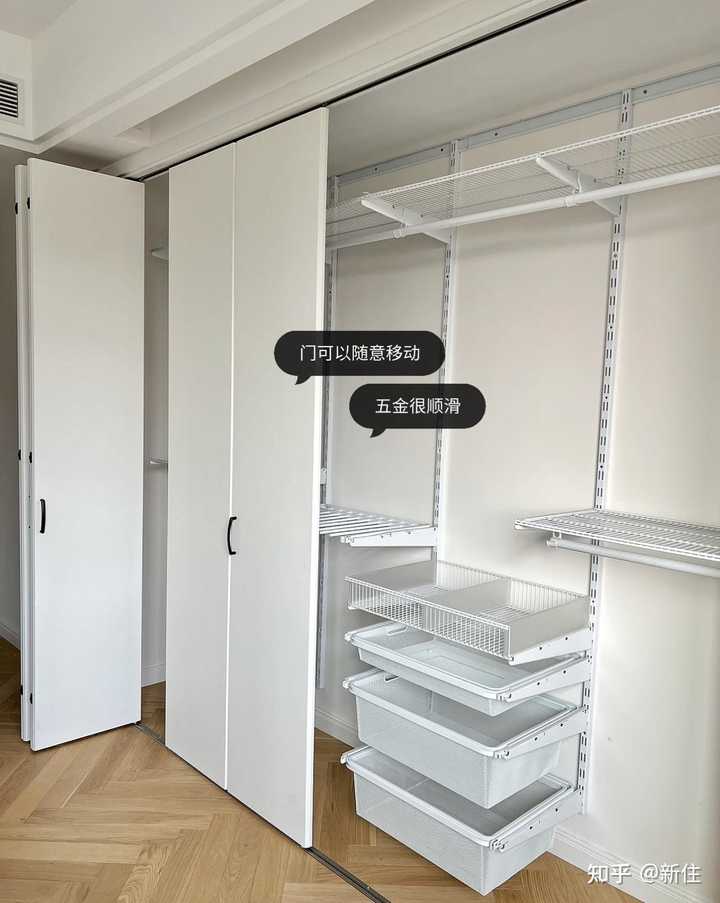
In summary, while full-height cabinet doors offer a modern look, they require careful planning, higher budgets, and ongoing maintenance. Exploring other options can provide similar benefits with greater practicality and affordability.
 WhatsApp contact me online