
Expert Guide to Tile Selection: Types, Room-Specific Tips, and Key Factors for Choosing the Best Tiles for Home Decoration
Choosing tiles for home decoration can be overwhelming due to the wide variety of styles and colors available. This guide provides essential secrets to help you select the perfect tiles effortlessly.
Tiles come in many types, including polished tiles, glazed tiles, antique tiles, vitrified tiles, and full-body tiles, each with distinct characteristics and suitable applications for different spaces.


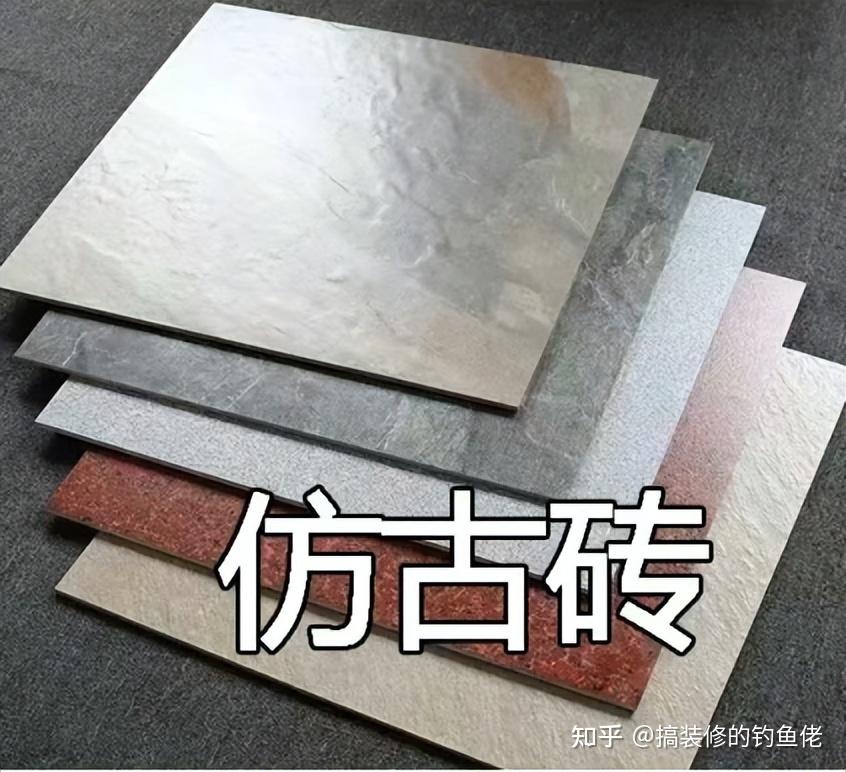
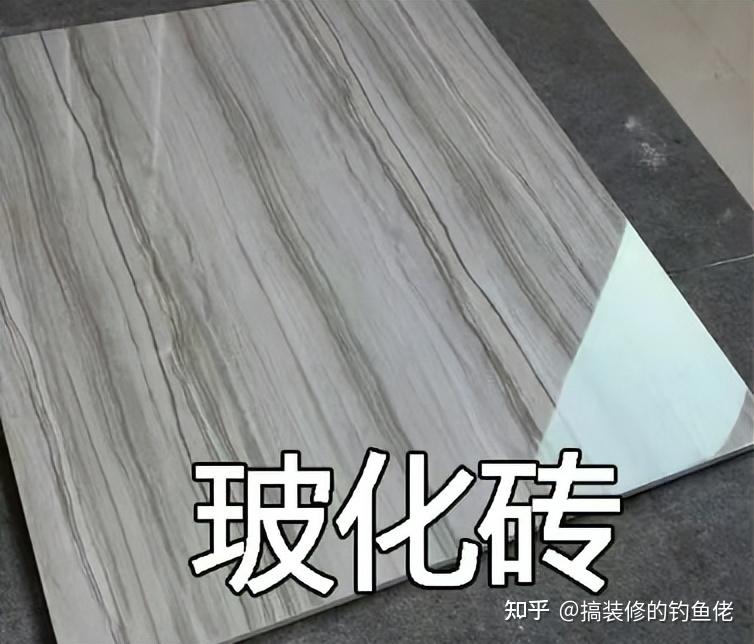
How to choose tiles for different areas of your home:
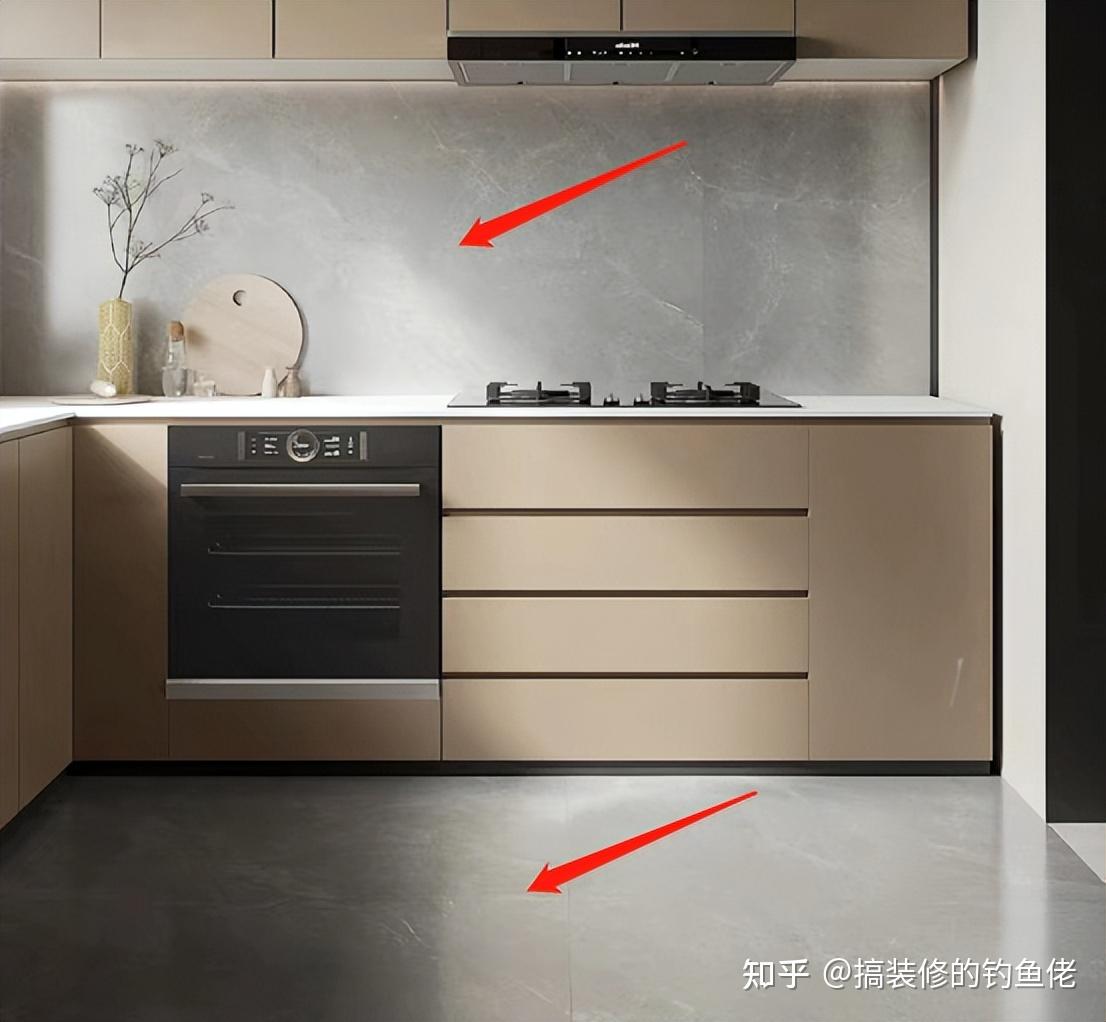
Bathroom tiles: Recommended sizes include 600*600mm and 300*300mm. Glazed tiles offer stain resistance and a matte texture, with light colors making the space appear larger, while dark colors may require attention to water stain issues.

Bedroom tiles: The common size is 600*600mm, but for wood-look tiles, 200*1200mm is ideal for an aesthetic and spacious feel. Matte glazed tiles and wood-look tiles are top choices for bedrooms, providing a stylish appearance and excellent slip resistance.

Balcony tiles: Recommended sizes are 330*330mm, 300*600mm, or 300*300mm. Opt for tiles with high water absorption, such as antique tiles or matte anti-slip tiles, which are durable and offer radiation resistance.

Key factors to consider when selecting tiles:
1. Environmental safety: Check the product’s radiation level to ensure it meets standards.
2. Gloss level: Not all tiles need to be highly glossy; the glaze and polish determine brightness, with below 20 degrees considered matte and darker in tone.
3. Slip resistance: Unpolished full-body tiles > antique tiles > full-glaze tiles. Generally, a slip coefficient above 0.5 is acceptable for safety.
4. Water resistance: Water absorption is a crucial quality indicator, but it’s not absolute. For humid areas like bathrooms and kitchens, low absorption tiles are recommended to prevent issues.
5. Quality check: Test the tile surface by scratching it with a hard object; if marks remain, it indicates poor耐磨性 and inferior quality.
With these insights, tile selection becomes straightforward. Master these techniques to easily find the ideal tiles for your home.

 WhatsApp contact me online