
Comprehensive Guide to Popular Interior Design Styles: Nordic, Modern, Japanese, Industrial, and Minimalist Approaches for Home Decoration
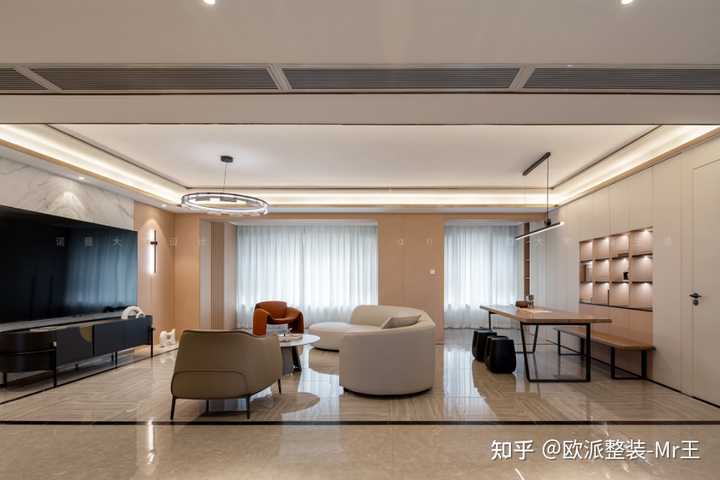
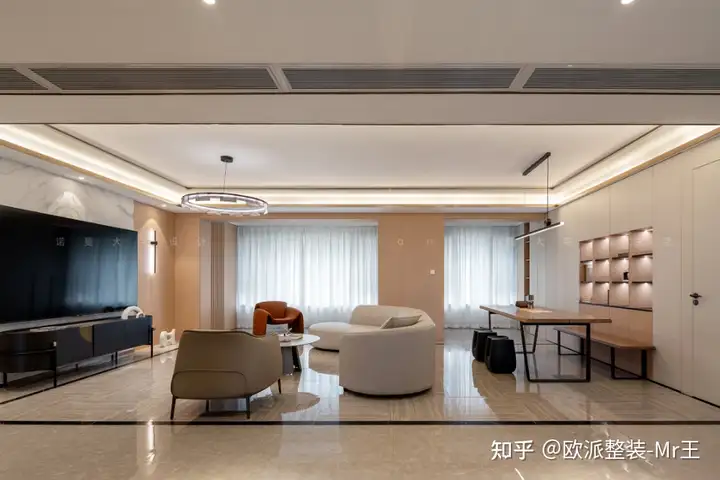
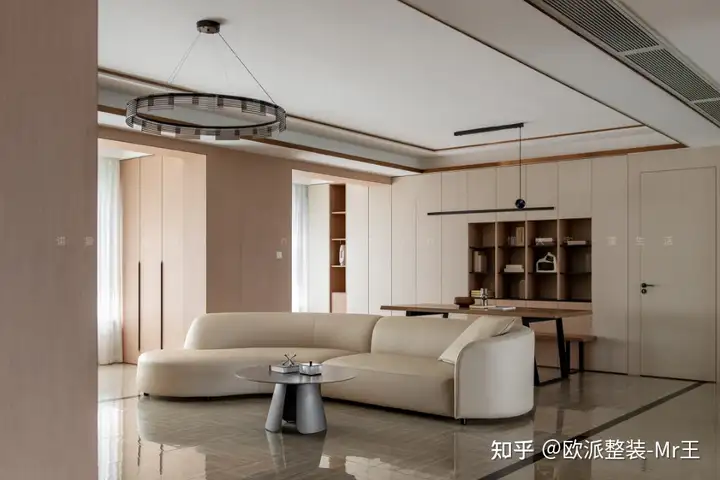
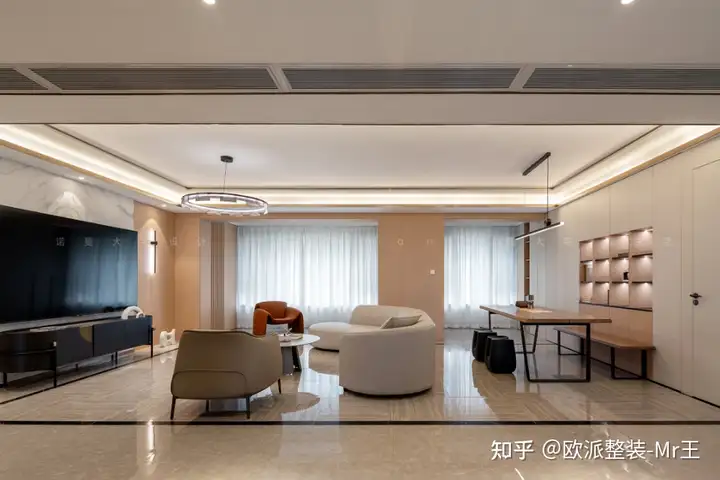
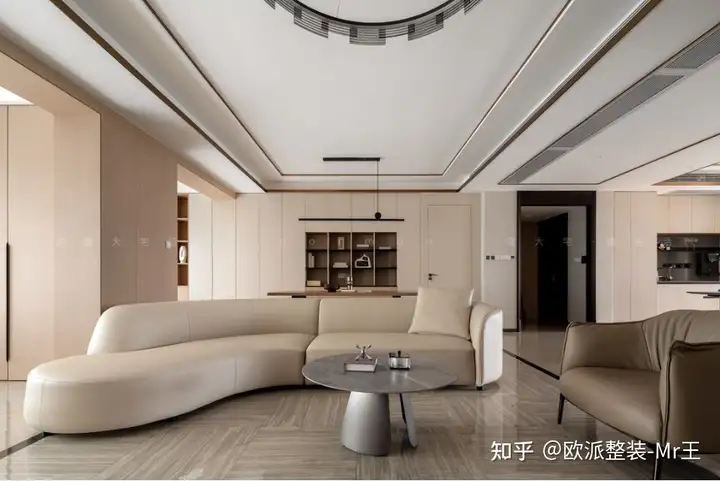
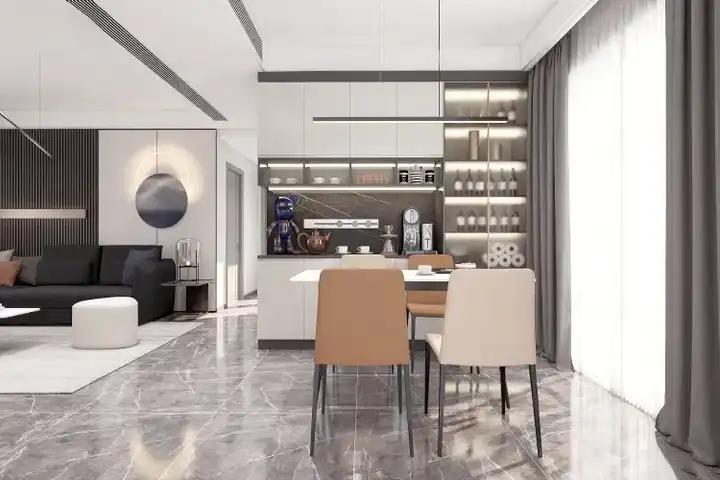
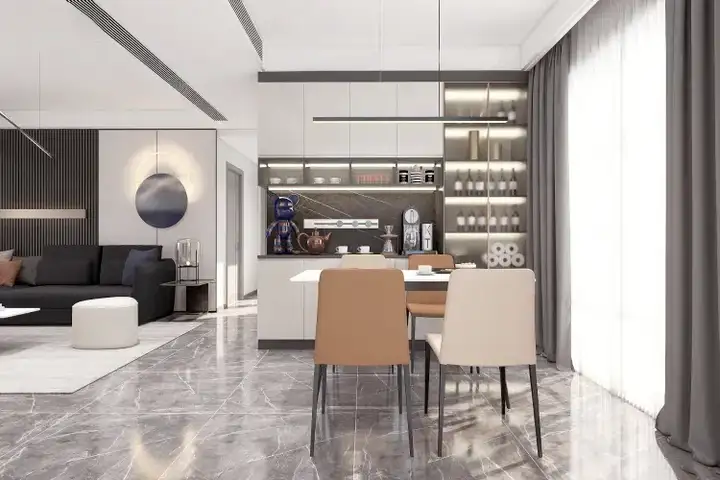
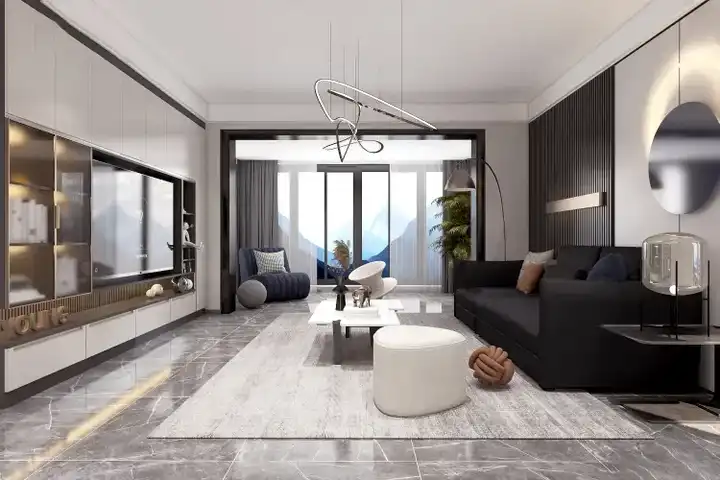
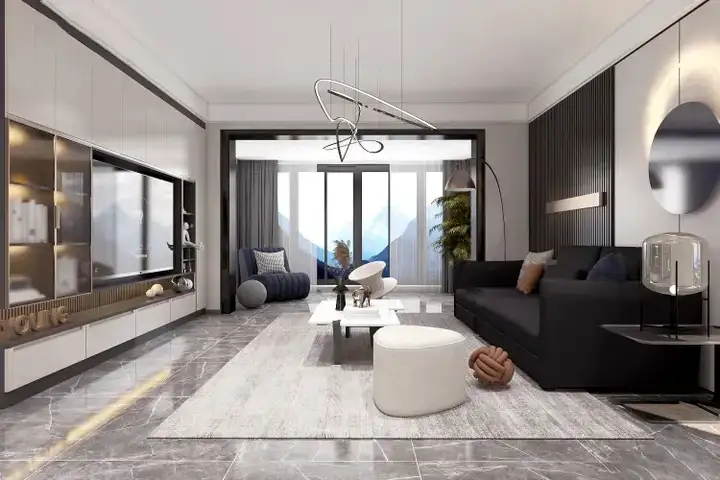
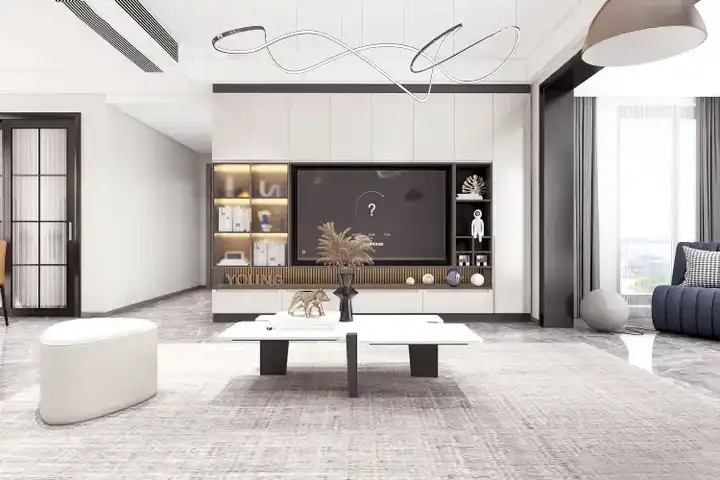
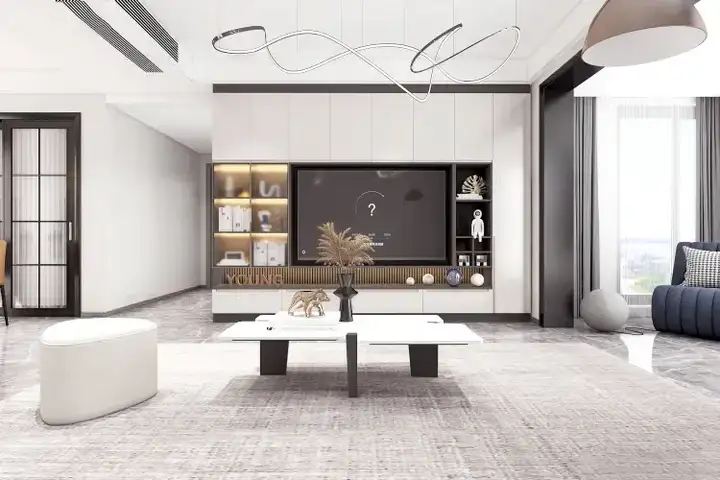
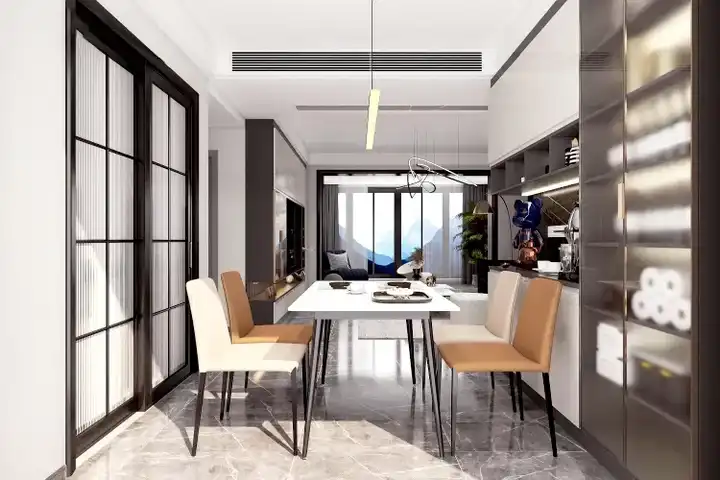
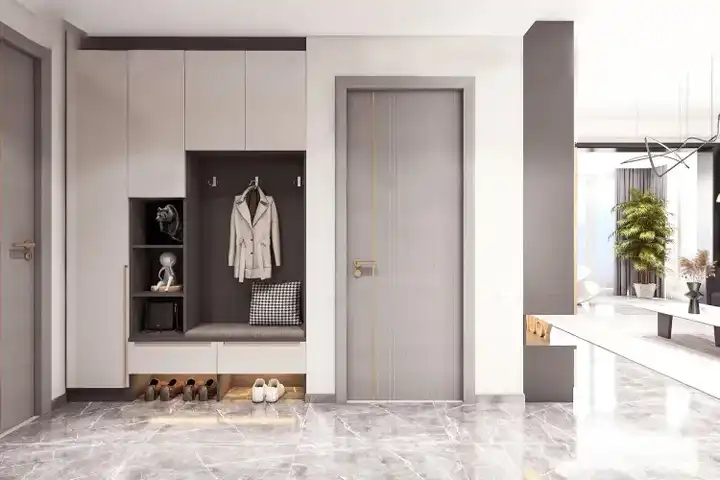
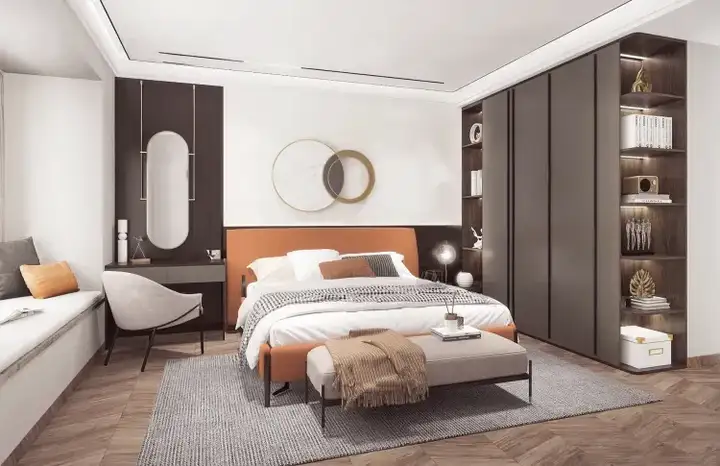
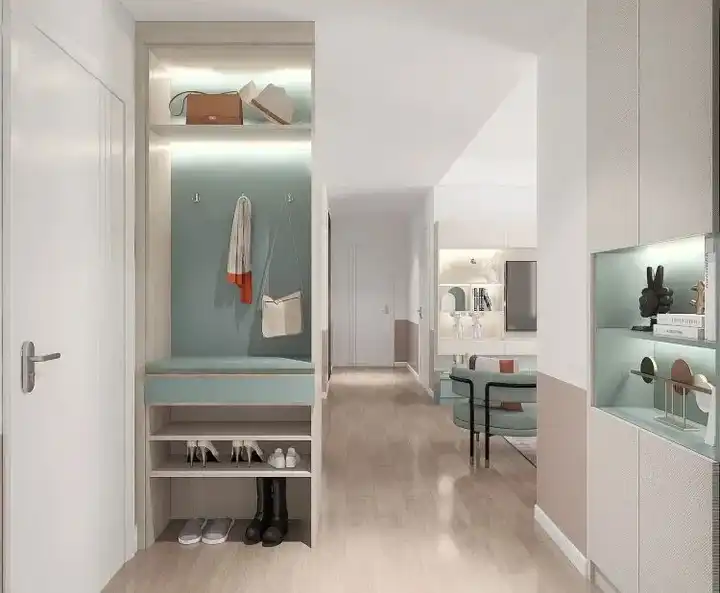
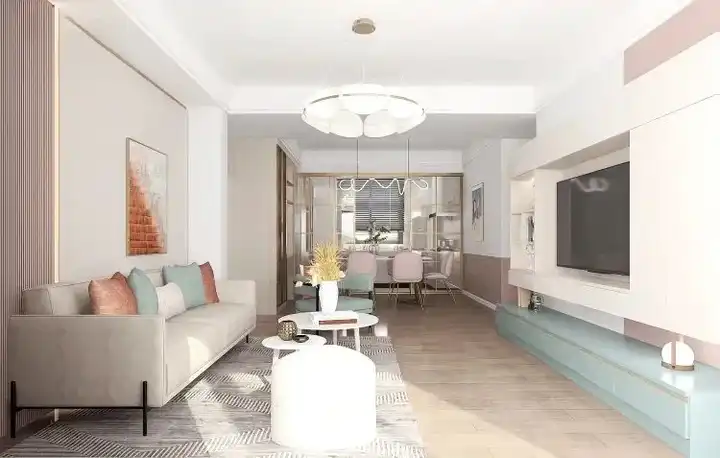
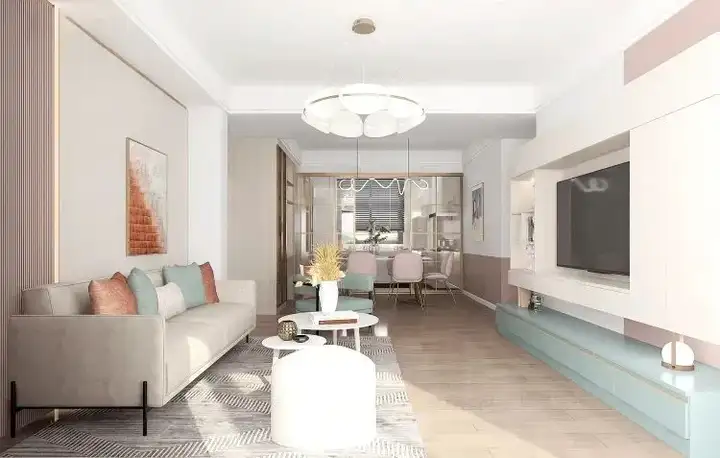
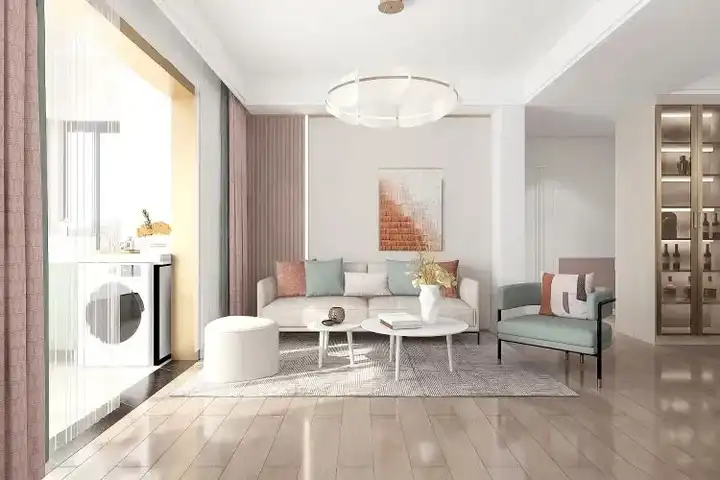
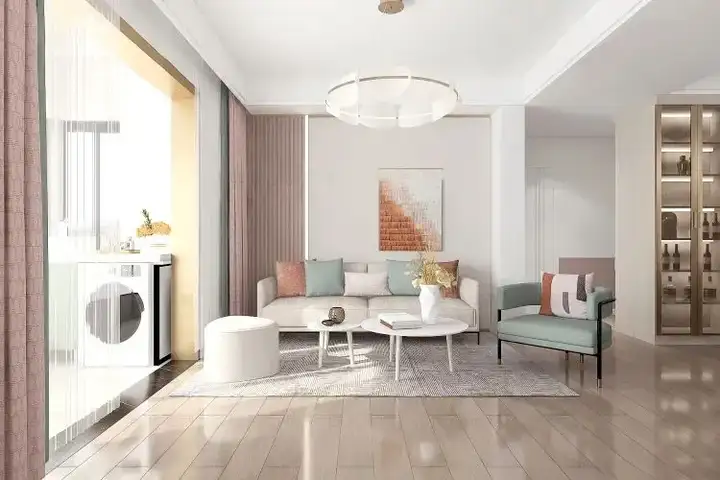
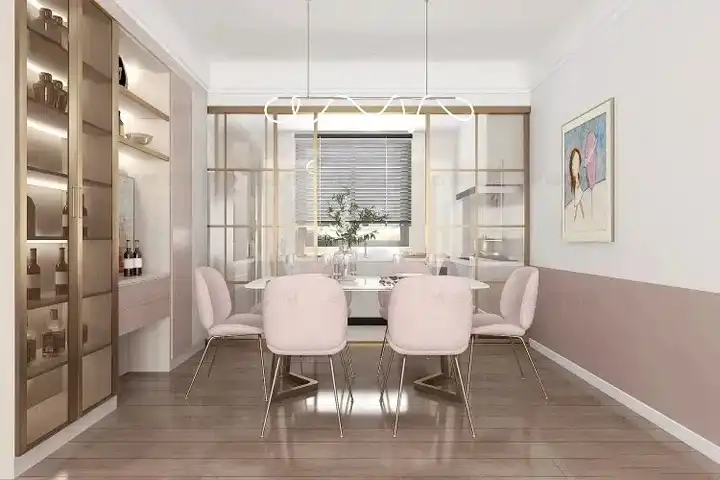
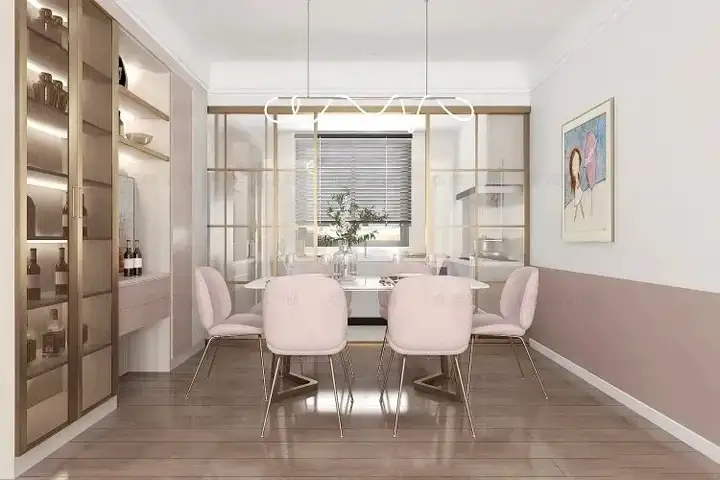
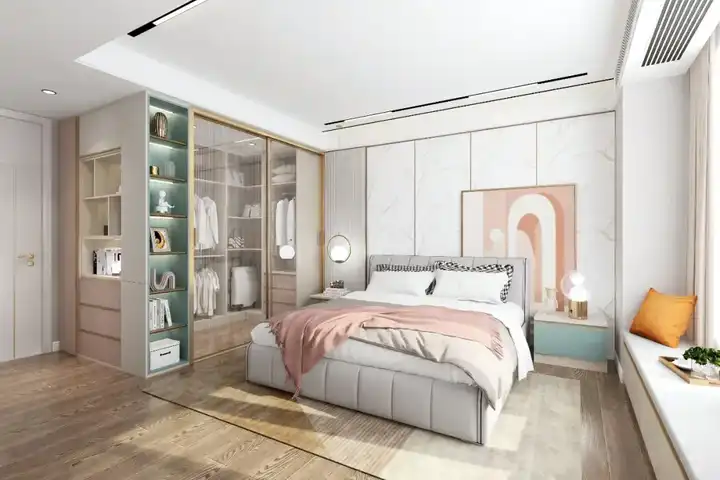
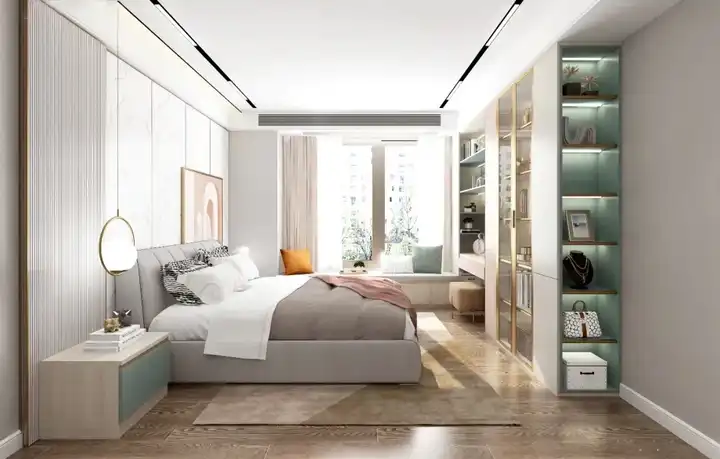
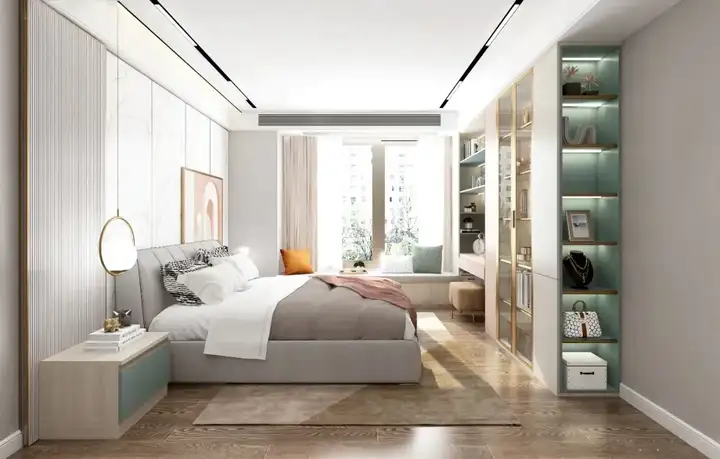
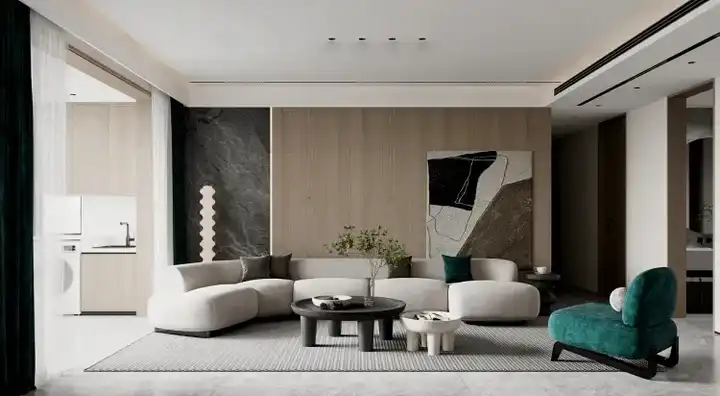
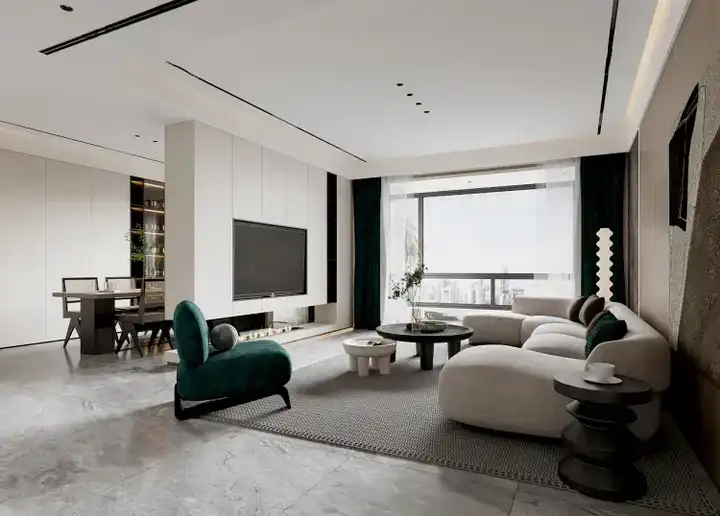
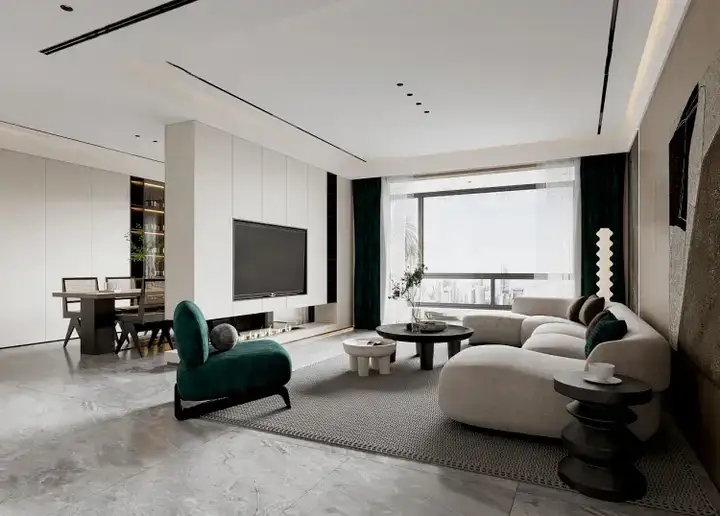
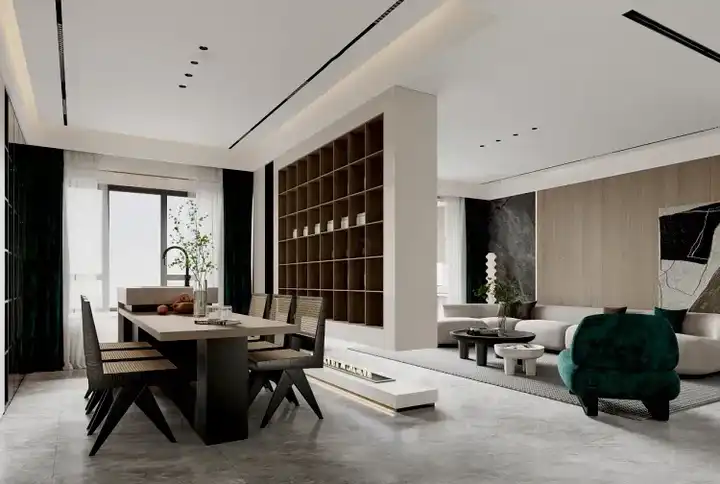
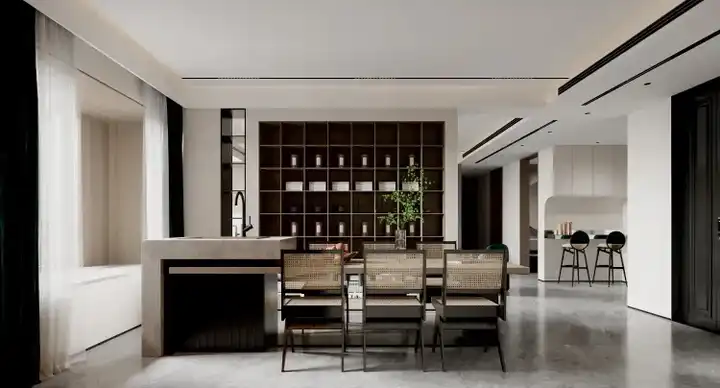
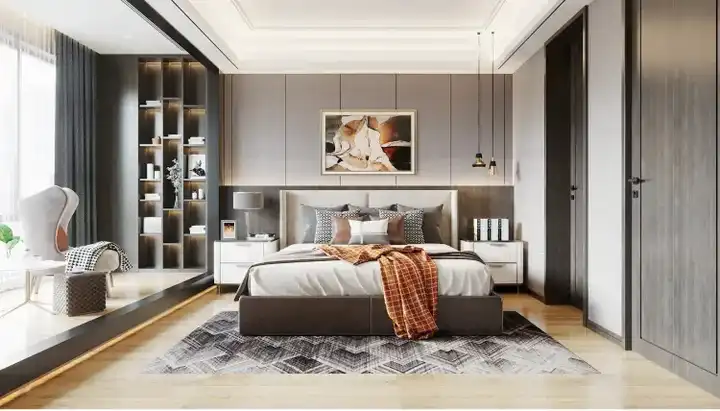
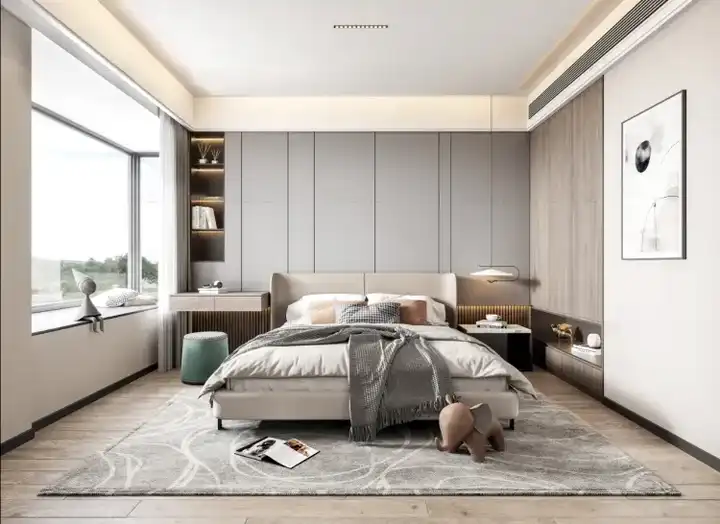
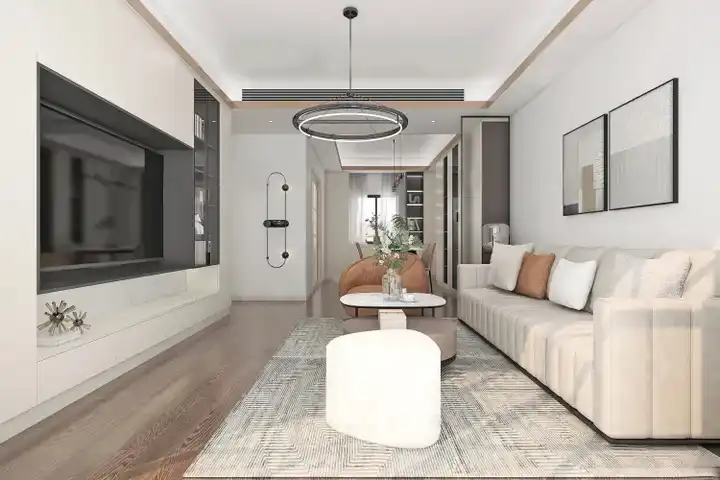
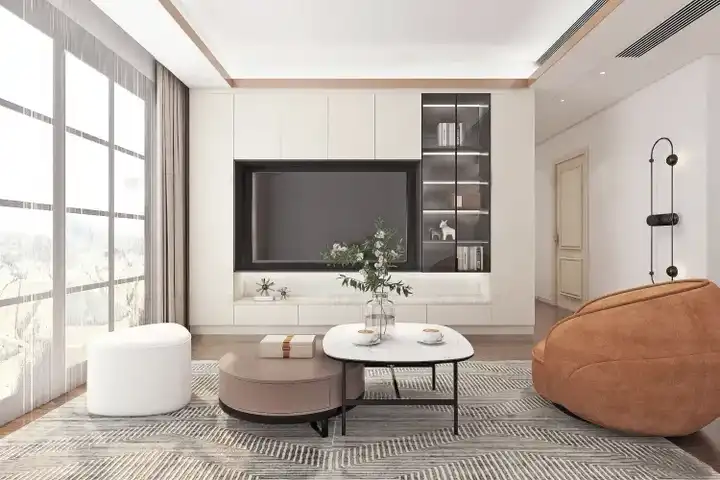
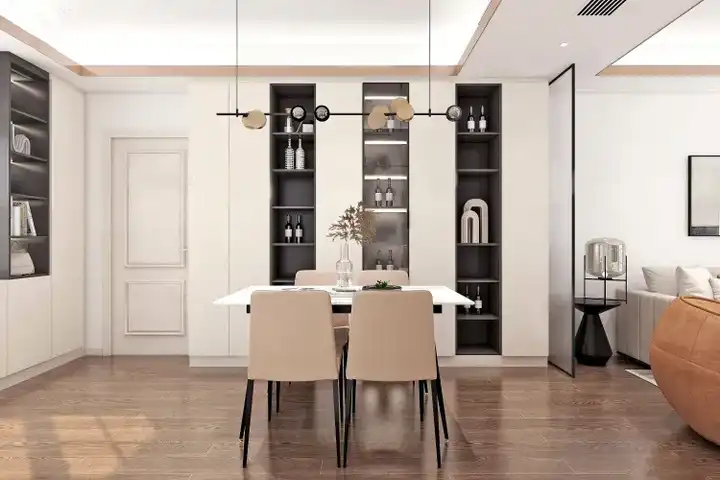
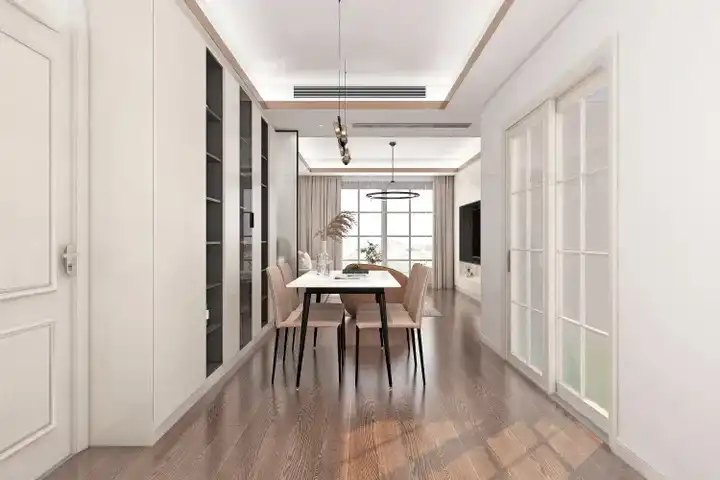
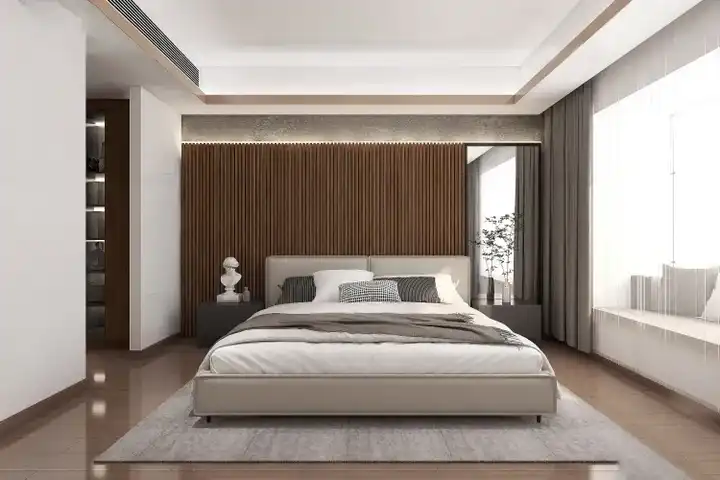
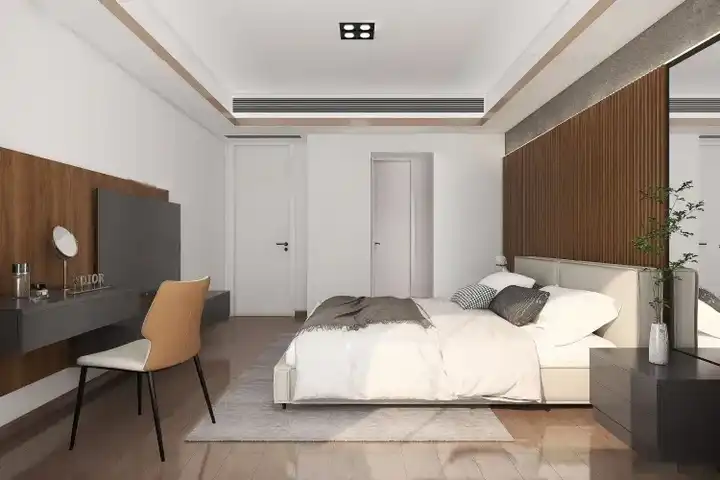
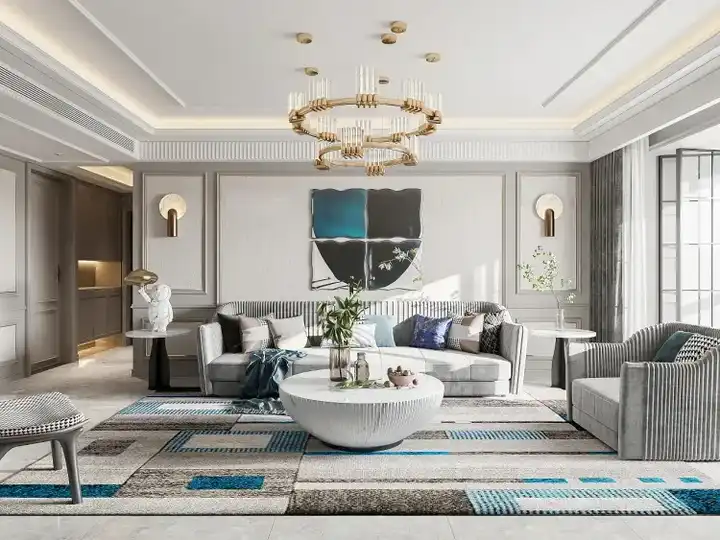
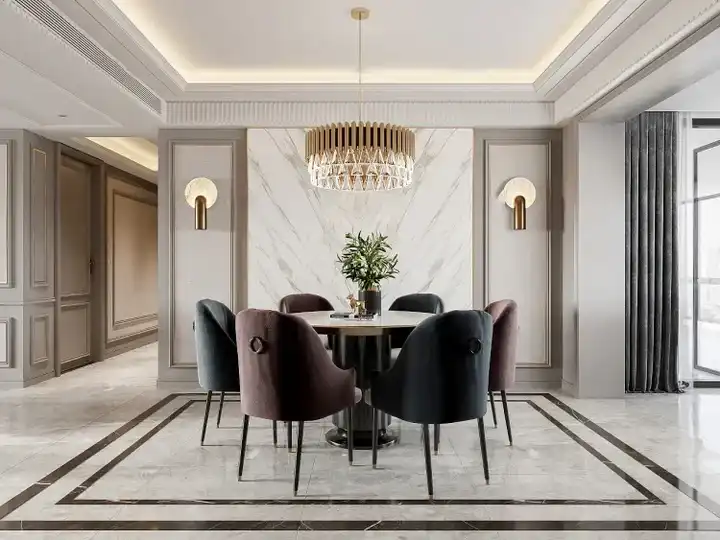
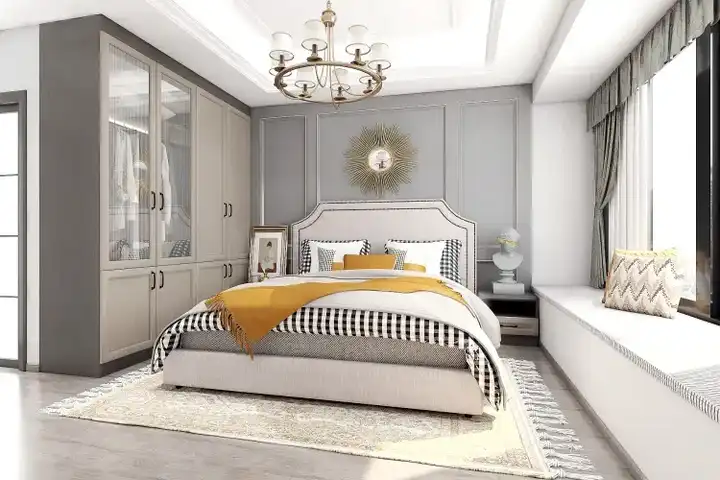
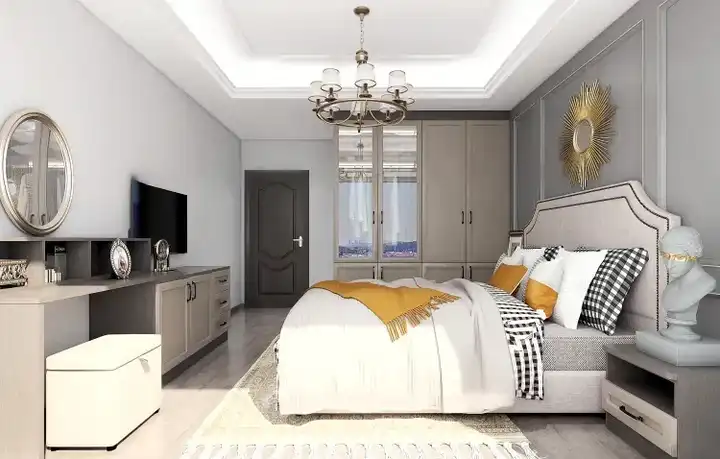
Have you ever found it difficult to define a specific interior design style? Overhyped ‘styles’ are challenging to implement in real-world design and renovation due to variations in house structure, soft furnishings, and budget constraints. In practice, few people replicate a style exactly; instead, homeowners draw inspiration from preferred styles, blending elements to create a personalized space. For instance, this single apartment in Sichuan combines industrial touches with Nordic influences, exemplifying a mixed design approach.
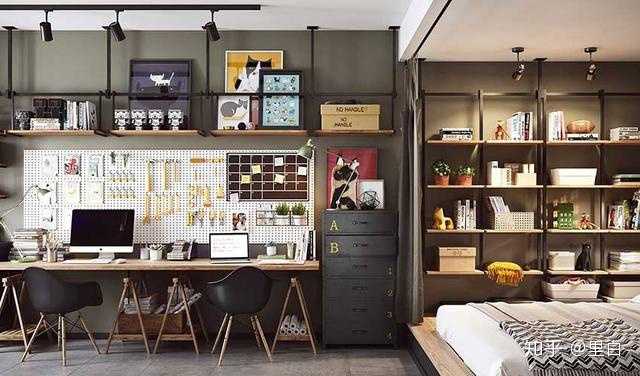
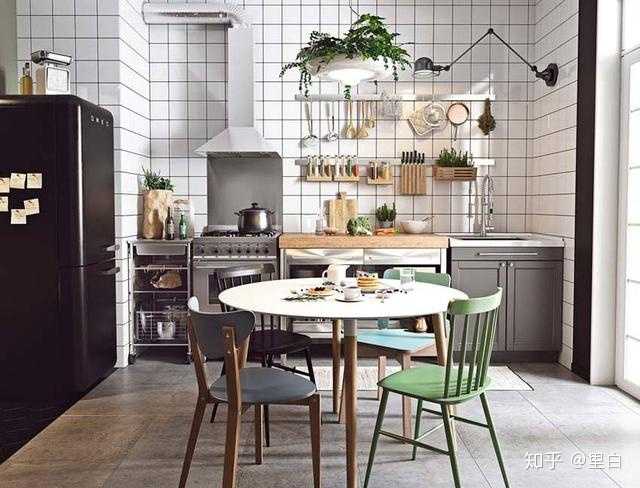
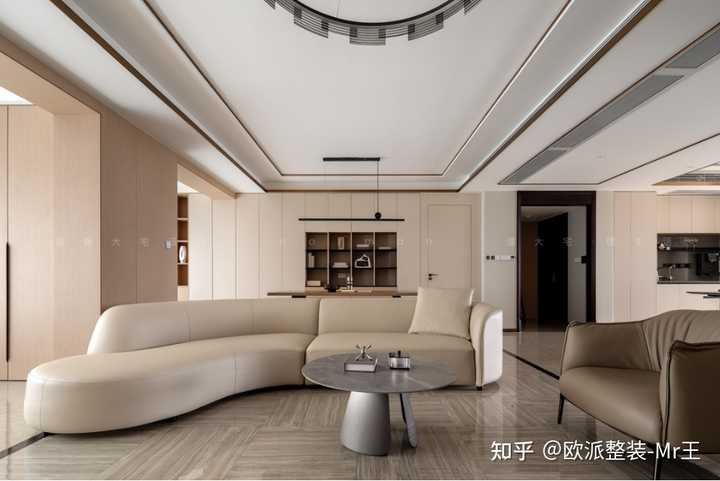
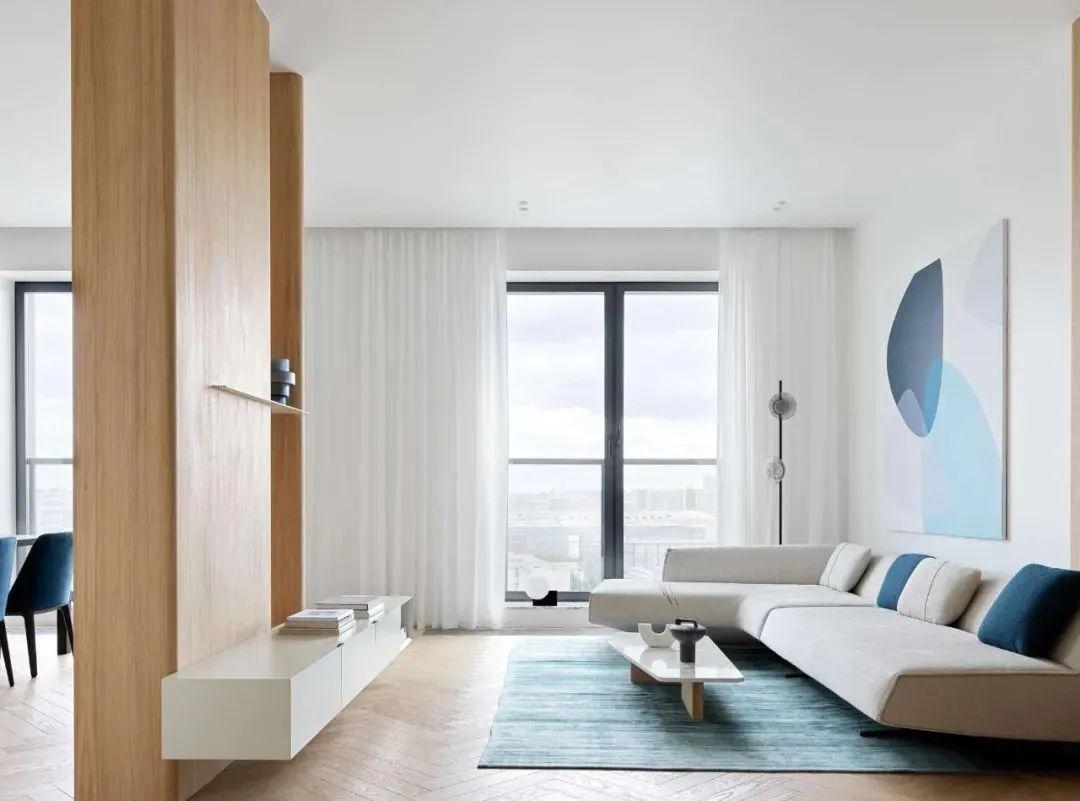
Common design styles include Nordic, modern, Japanese, minimalist, industrial, Chinese, and American styles, with the first five being perennial favorites in the design world.
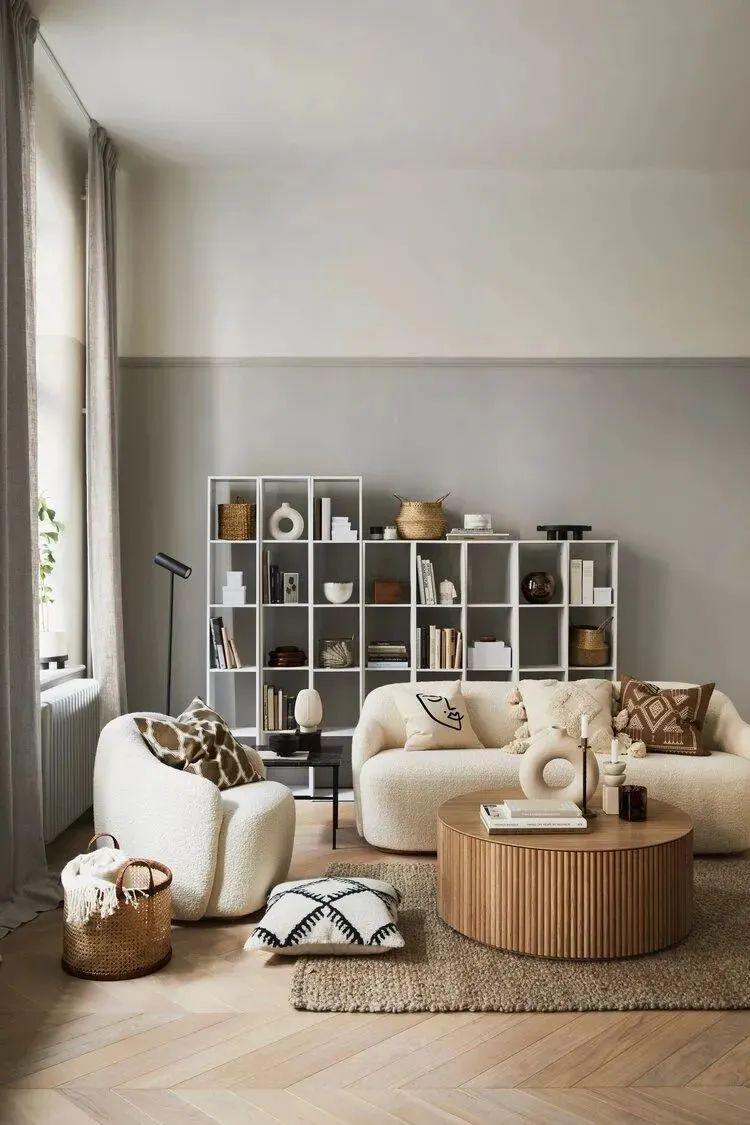
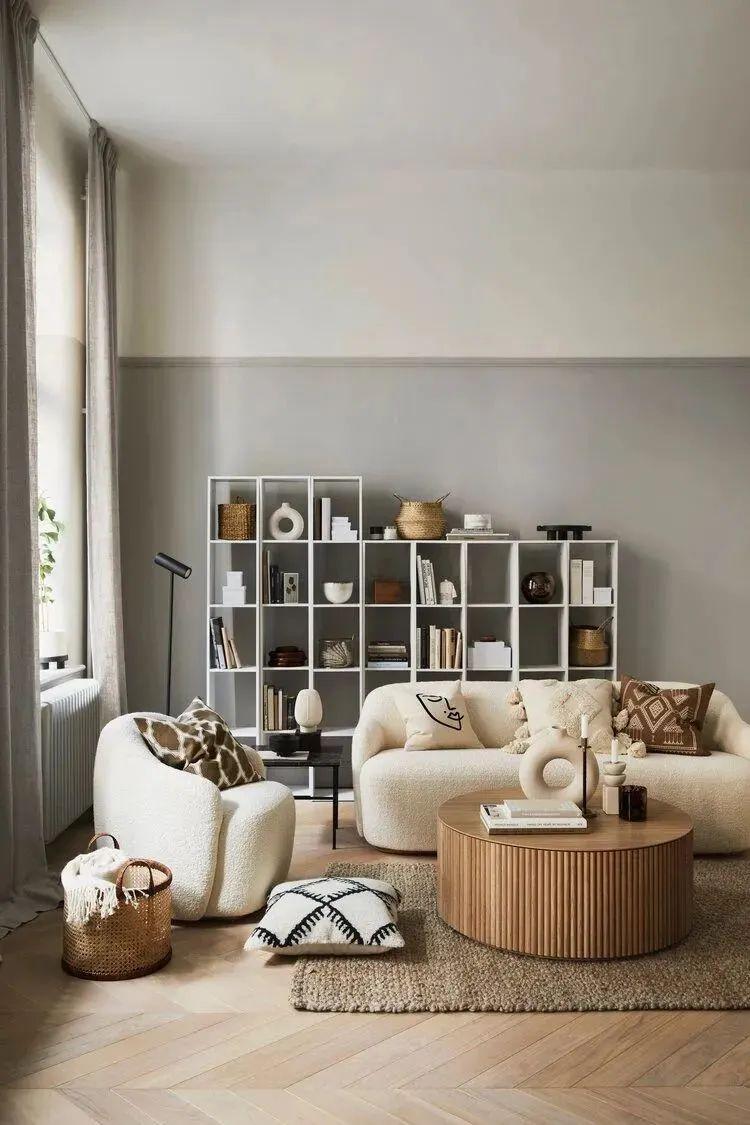
1. Nordic Style: Nordic design embraces decoration but prioritizes economy and practicality. For example, chairs and lighting are valued where functionally needed, not as mere decorative accents.
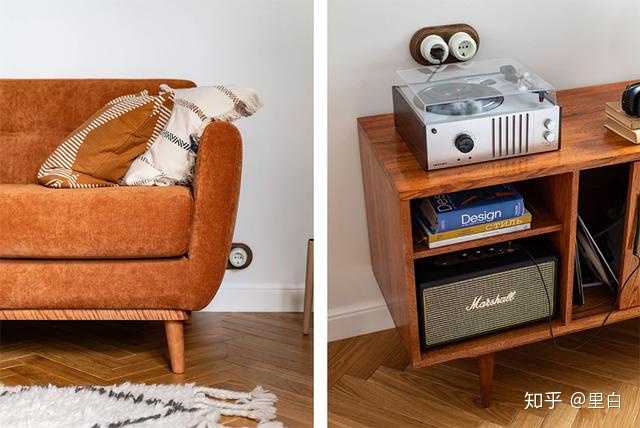
Color schemes often feature wood tones, neutrals, neutrals with cool hues, or bright accents. Natural light and ventilation are emphasized as crucial for comfort, surpassing style alone.
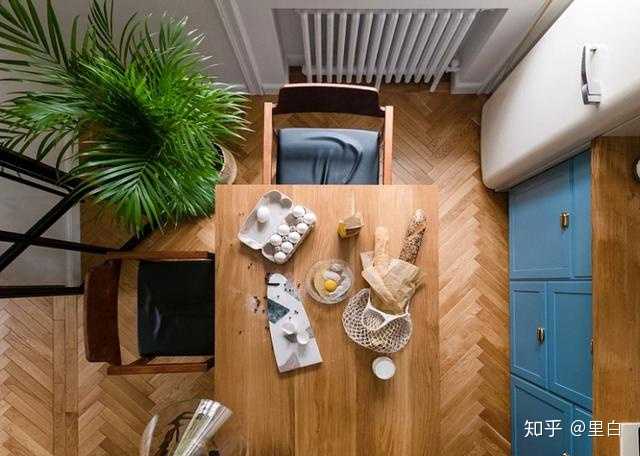
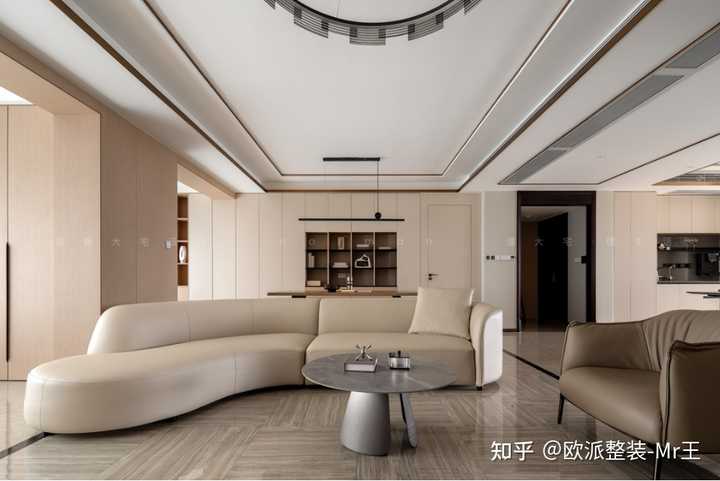
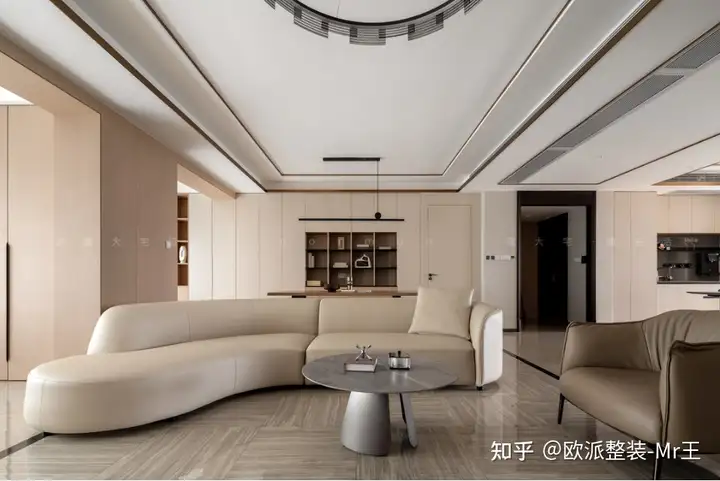
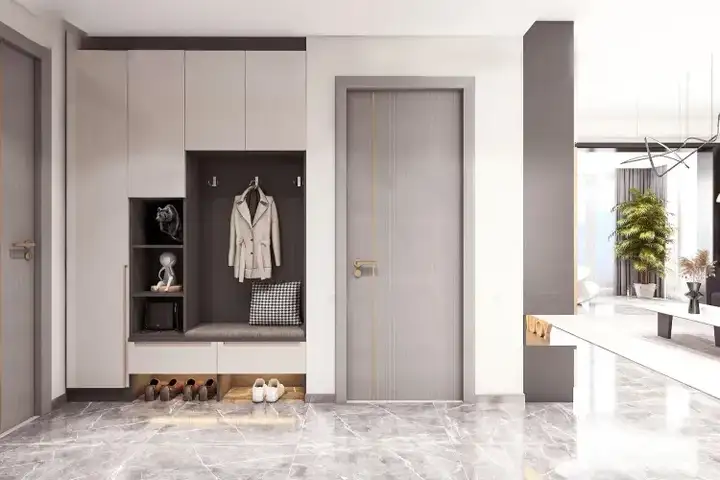
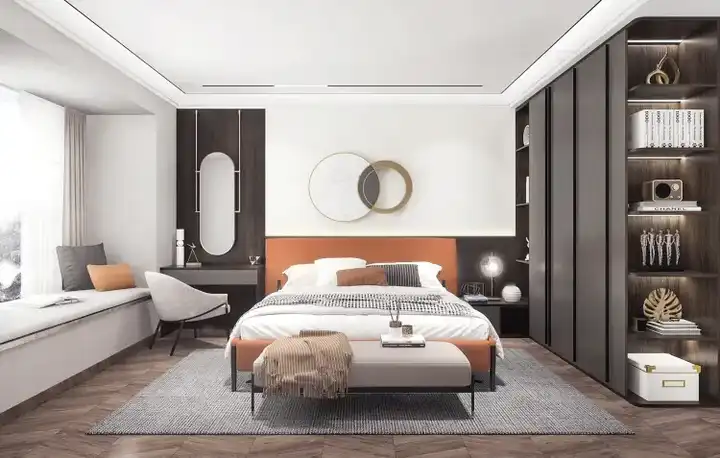
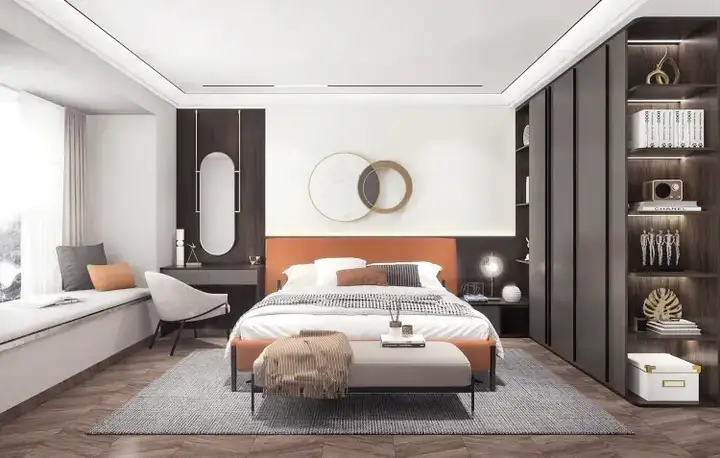
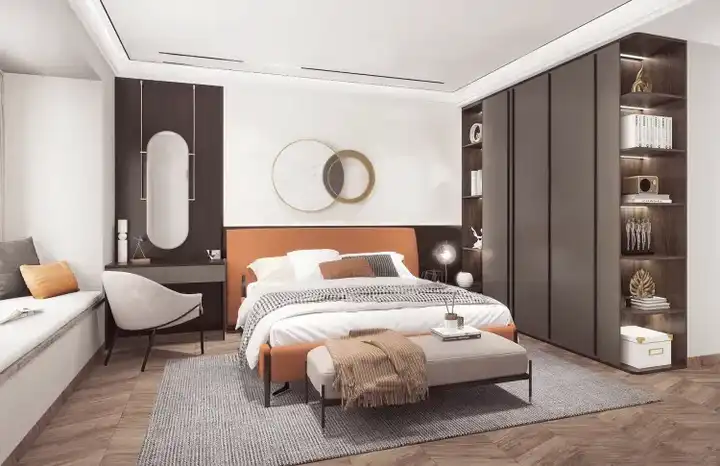
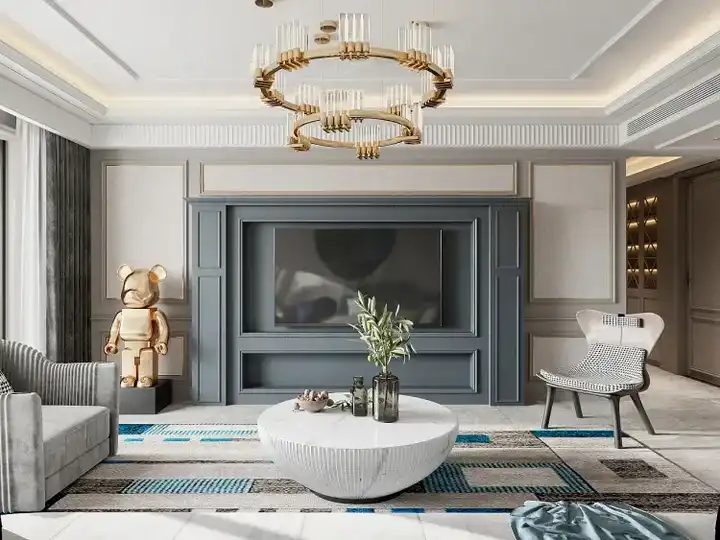
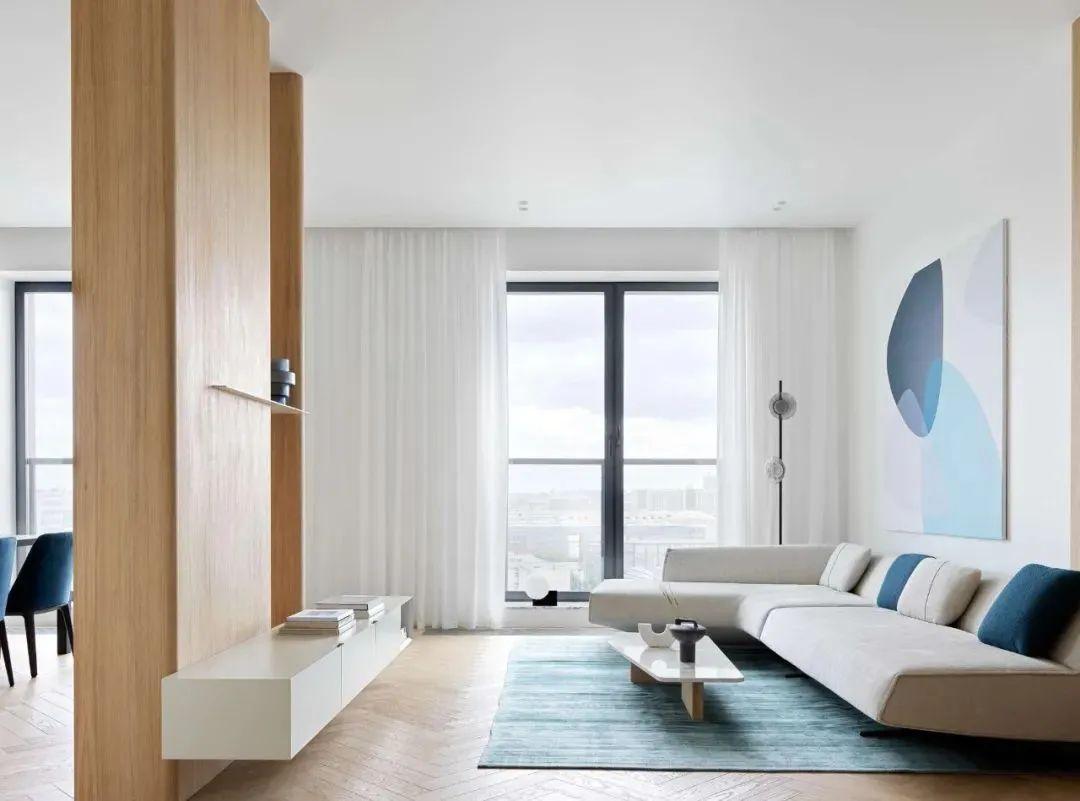
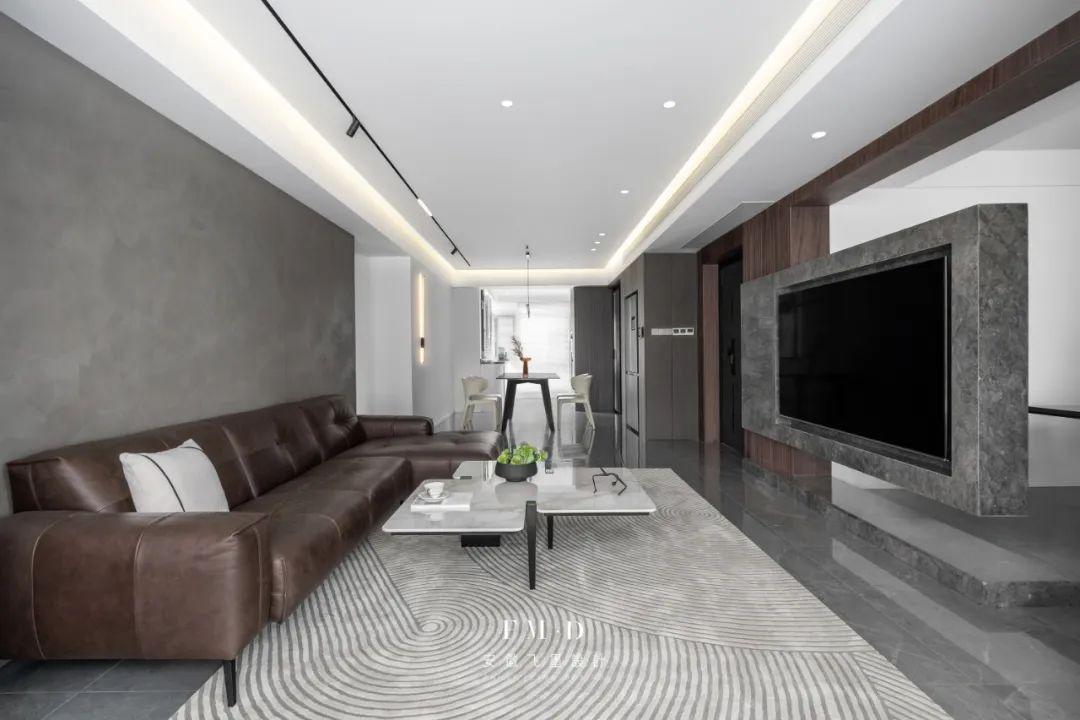
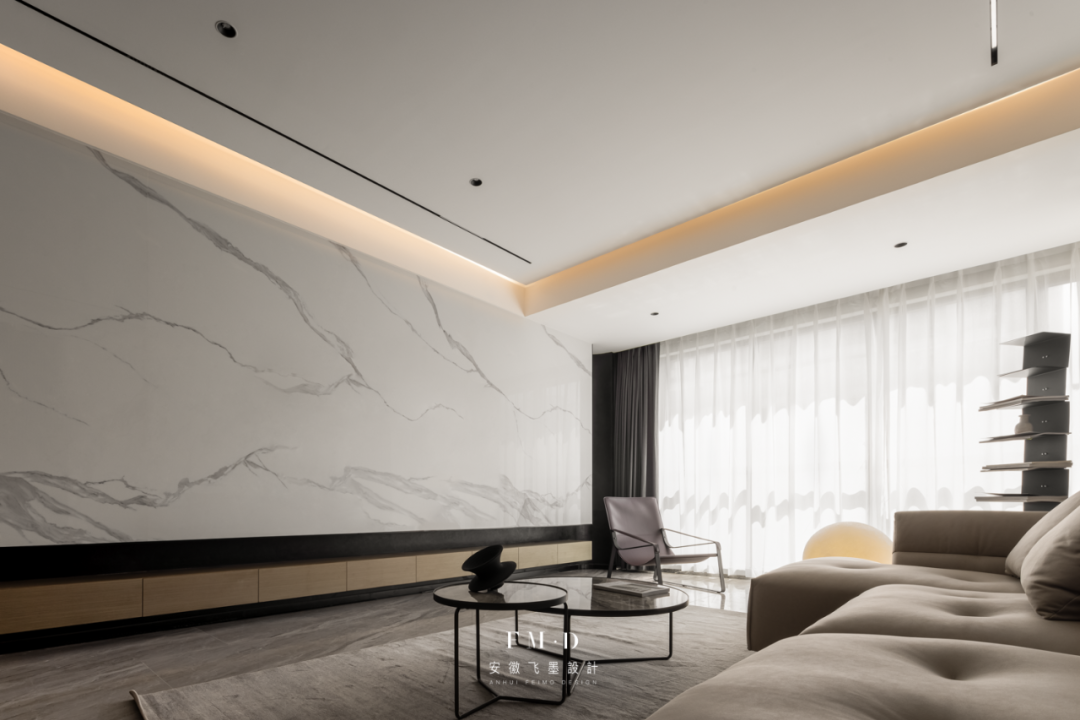
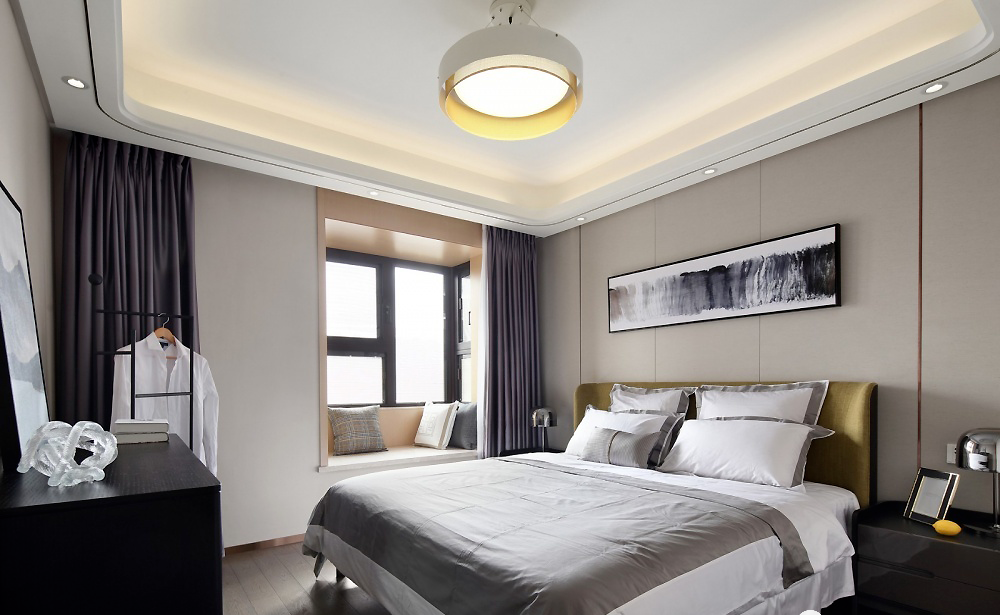
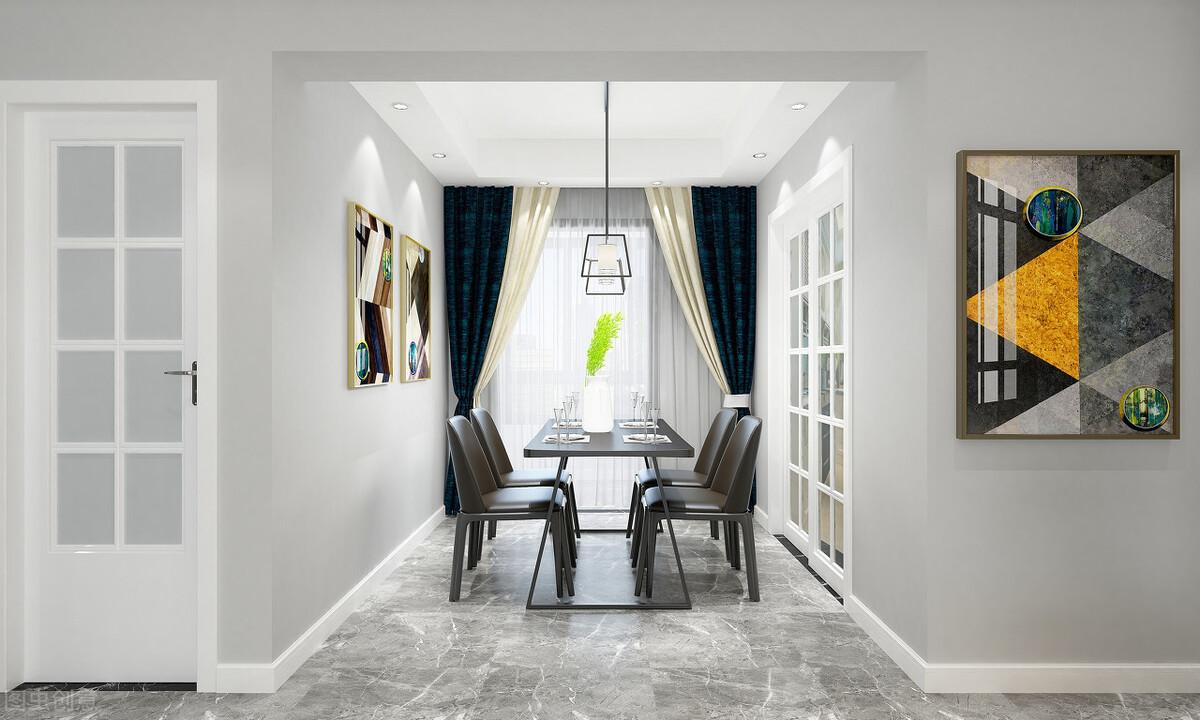
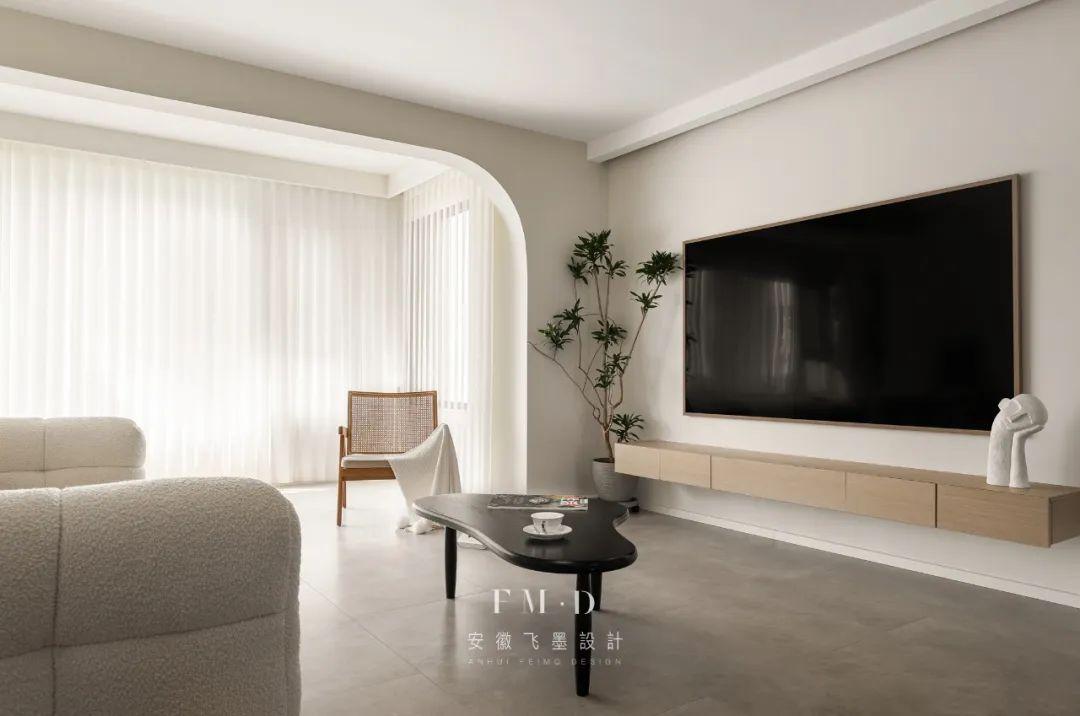
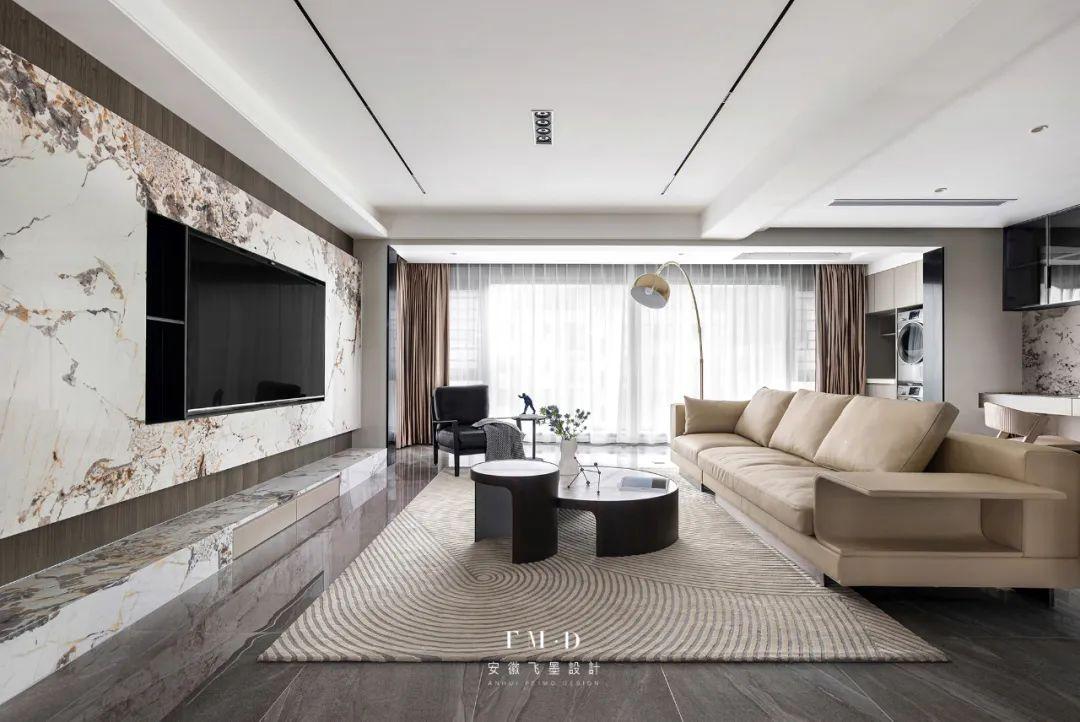
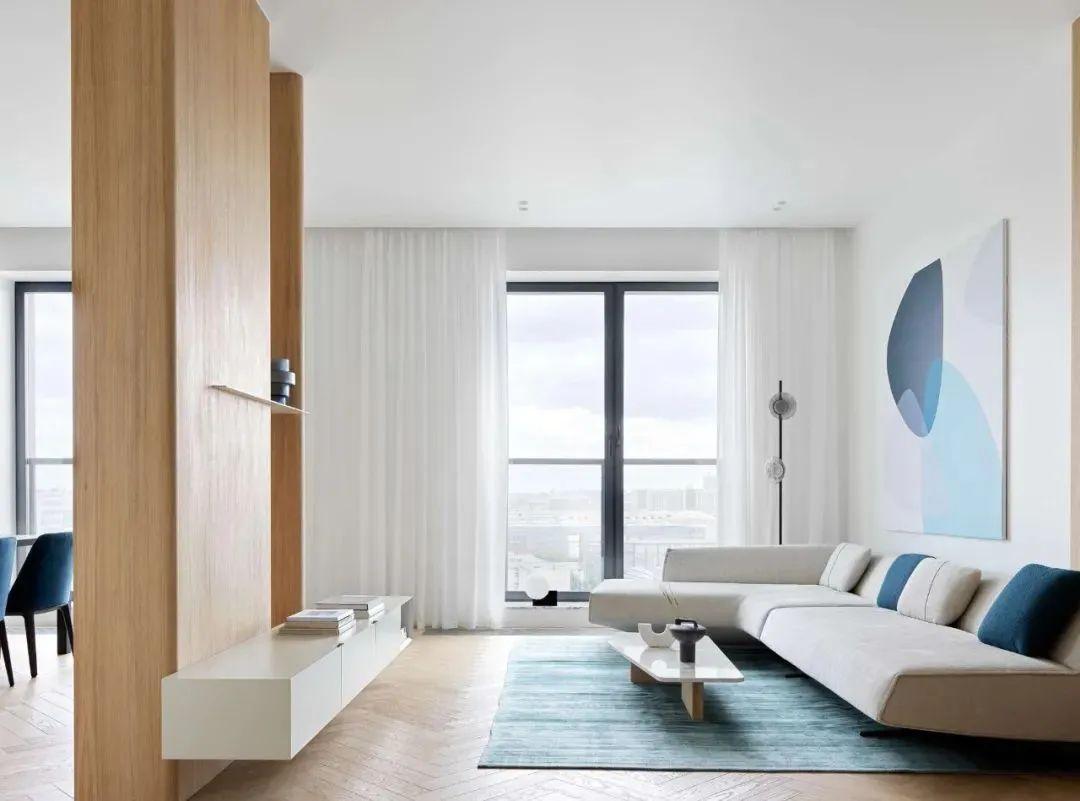
2. Modern Style: Also known as functionalism, modern design focuses on space utility. It features clean lines, minimal decor, and practical materials, often incorporating fabric sofas and sleek furniture.
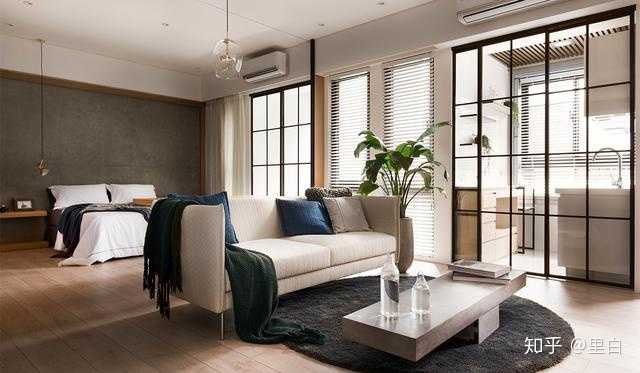
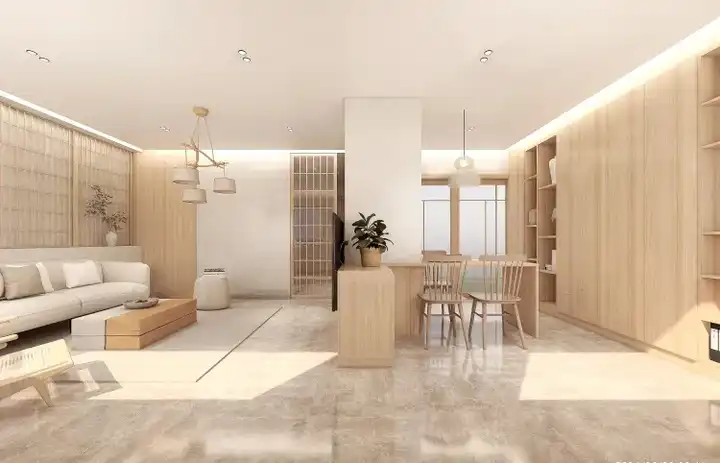
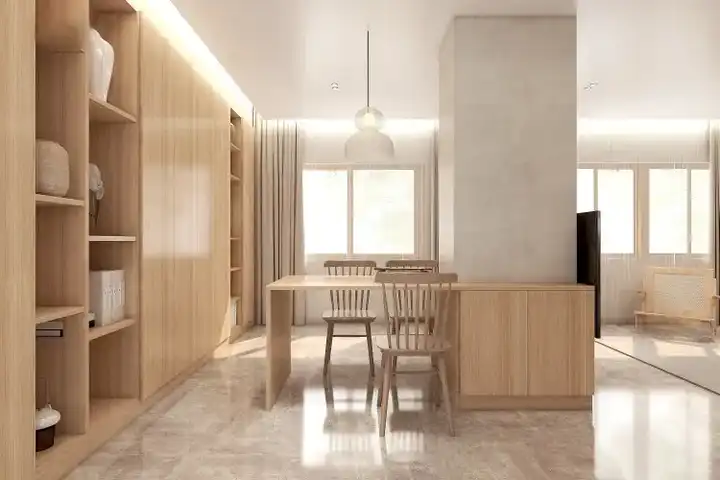
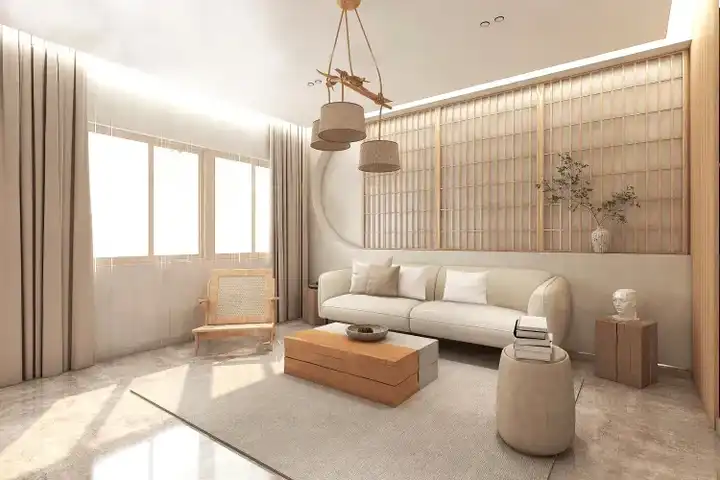
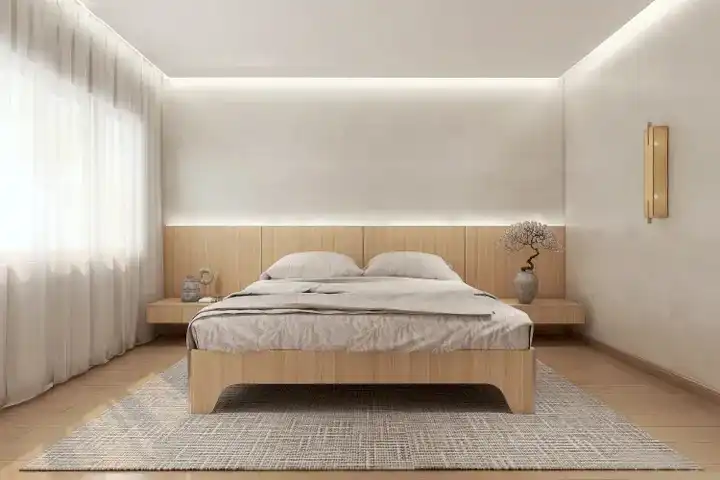
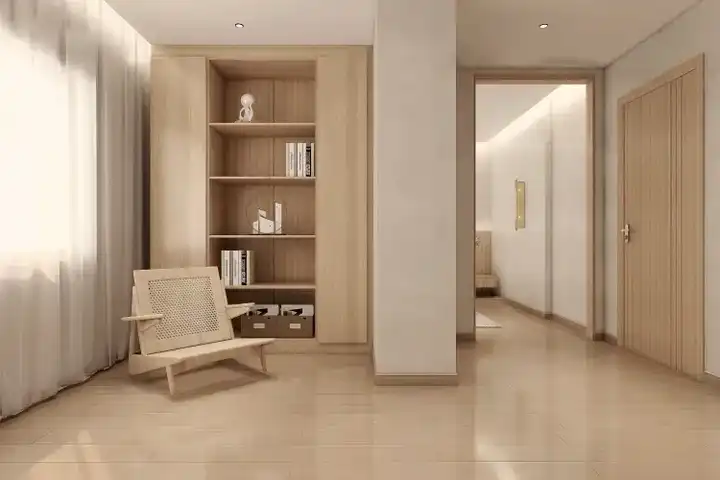
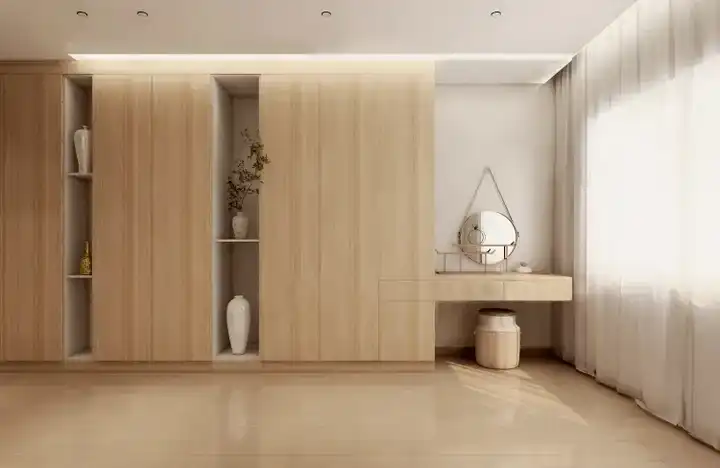
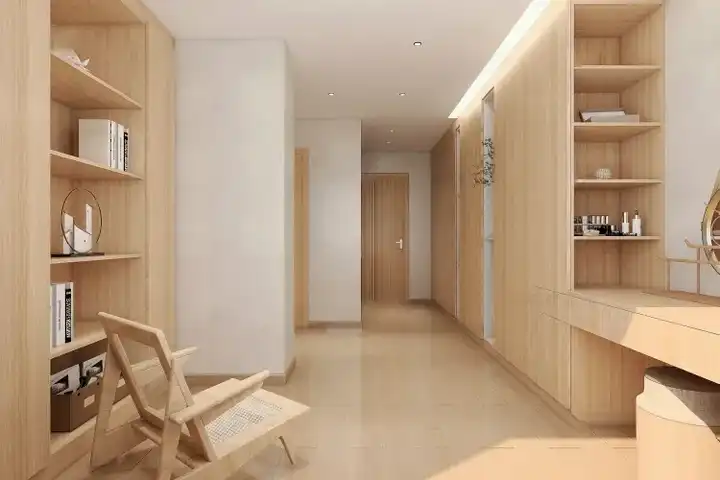
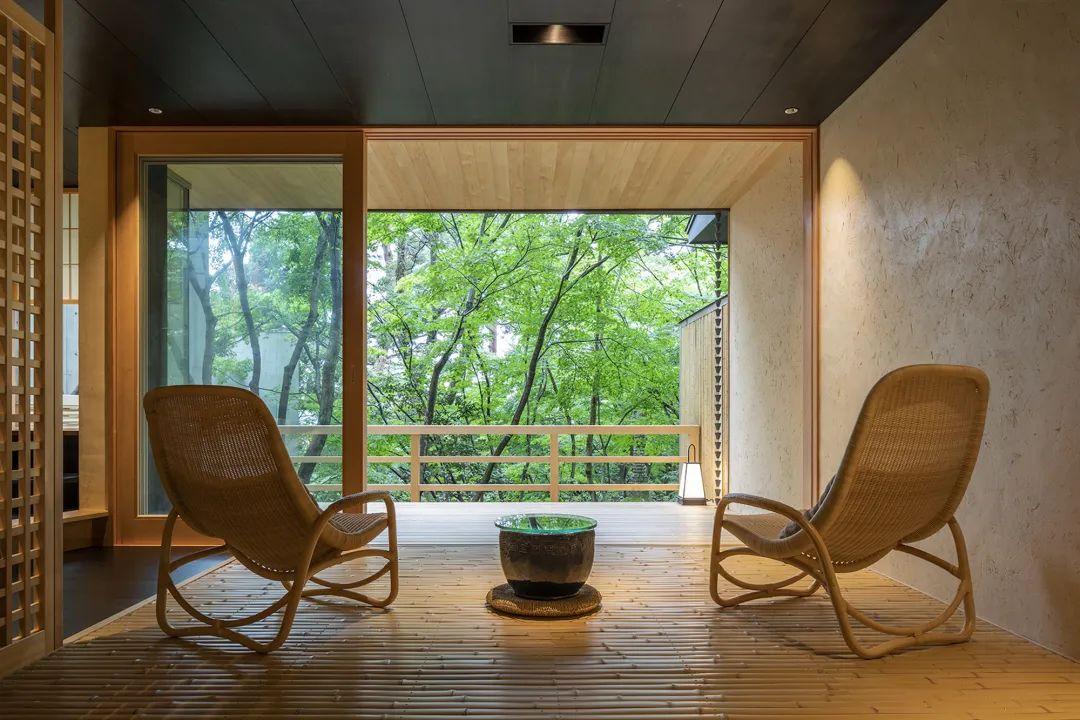
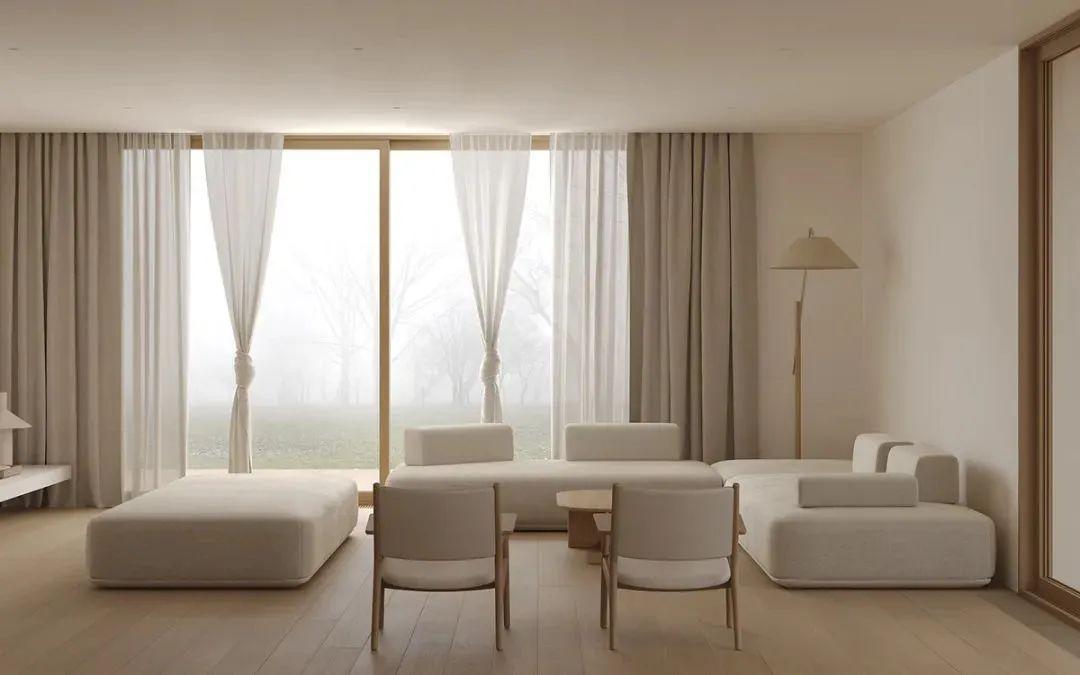
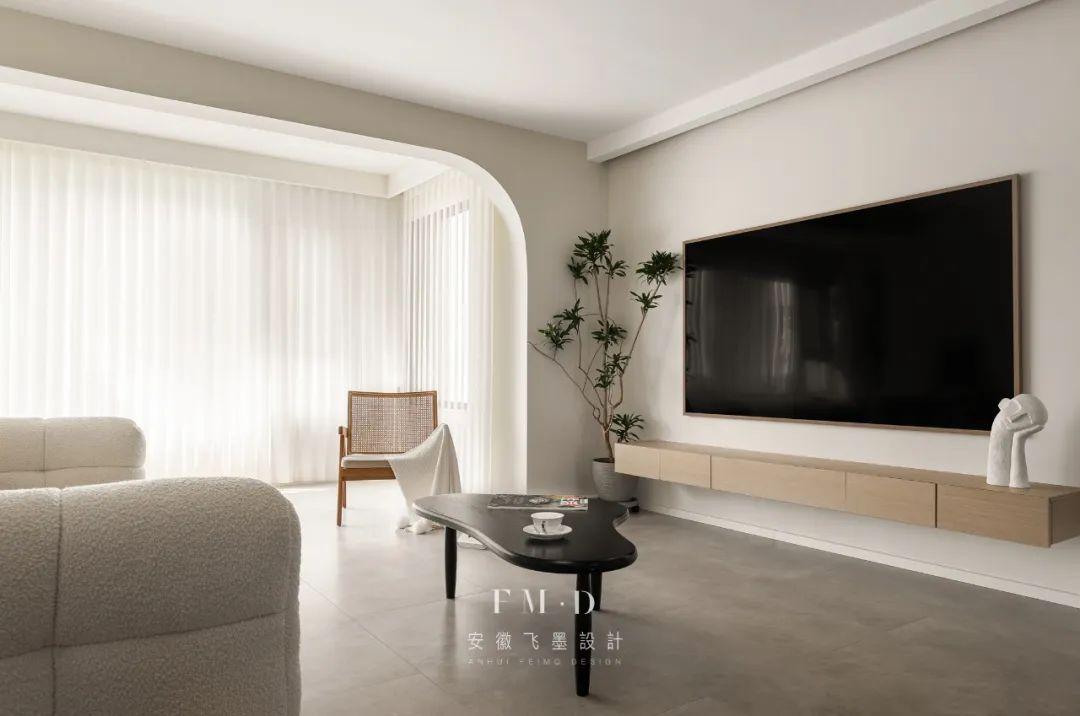
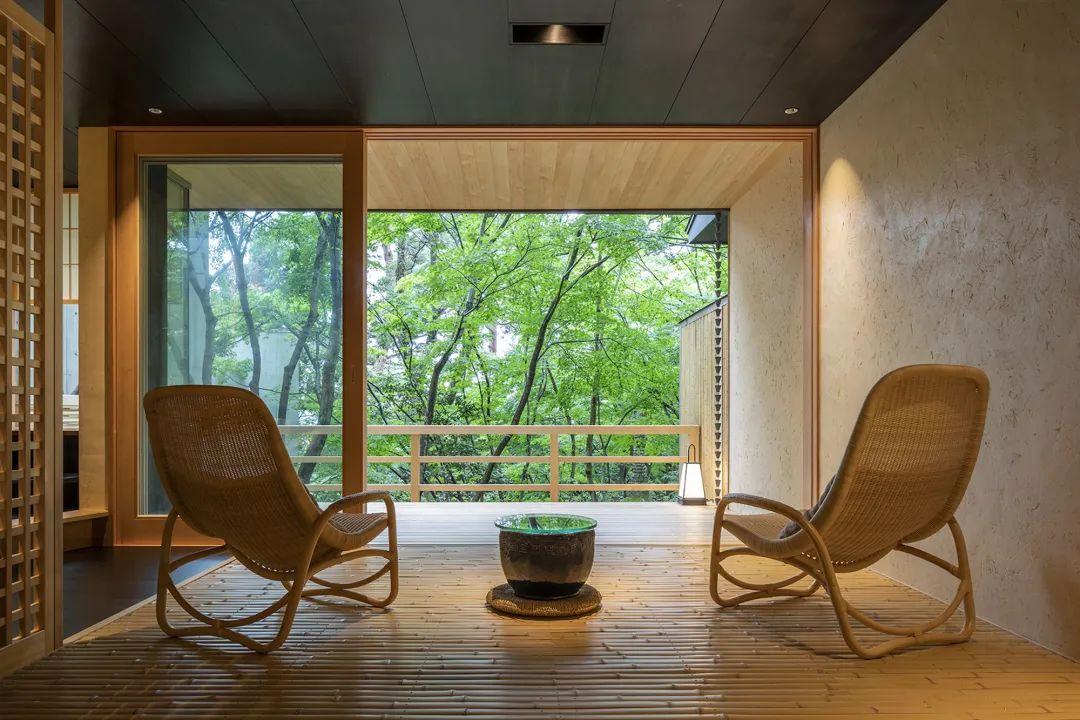
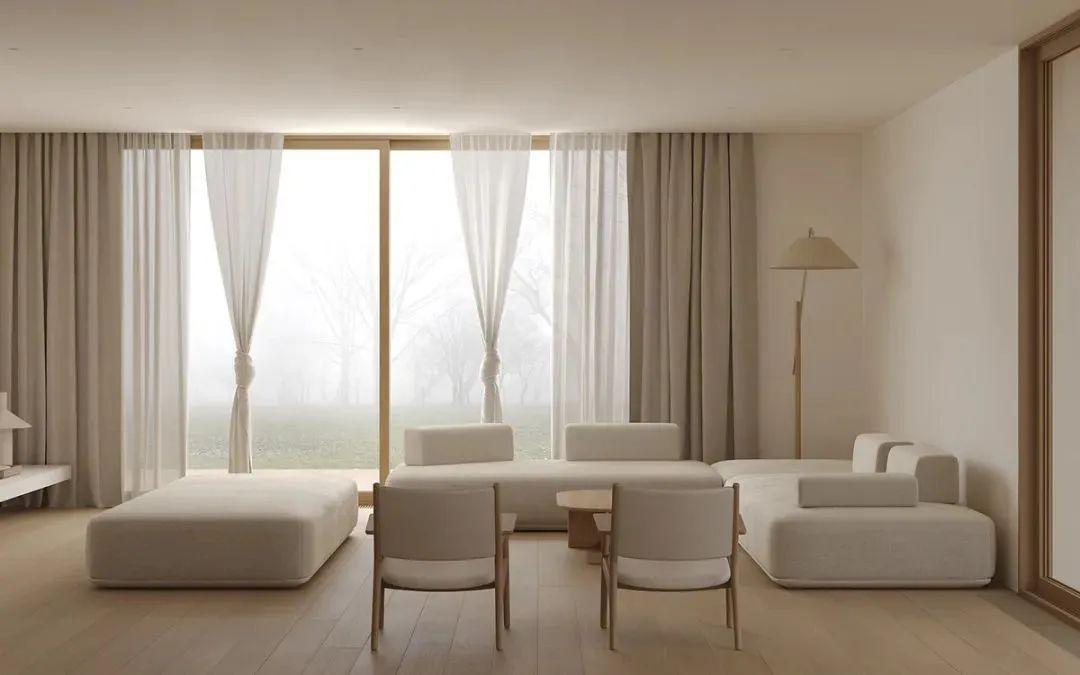
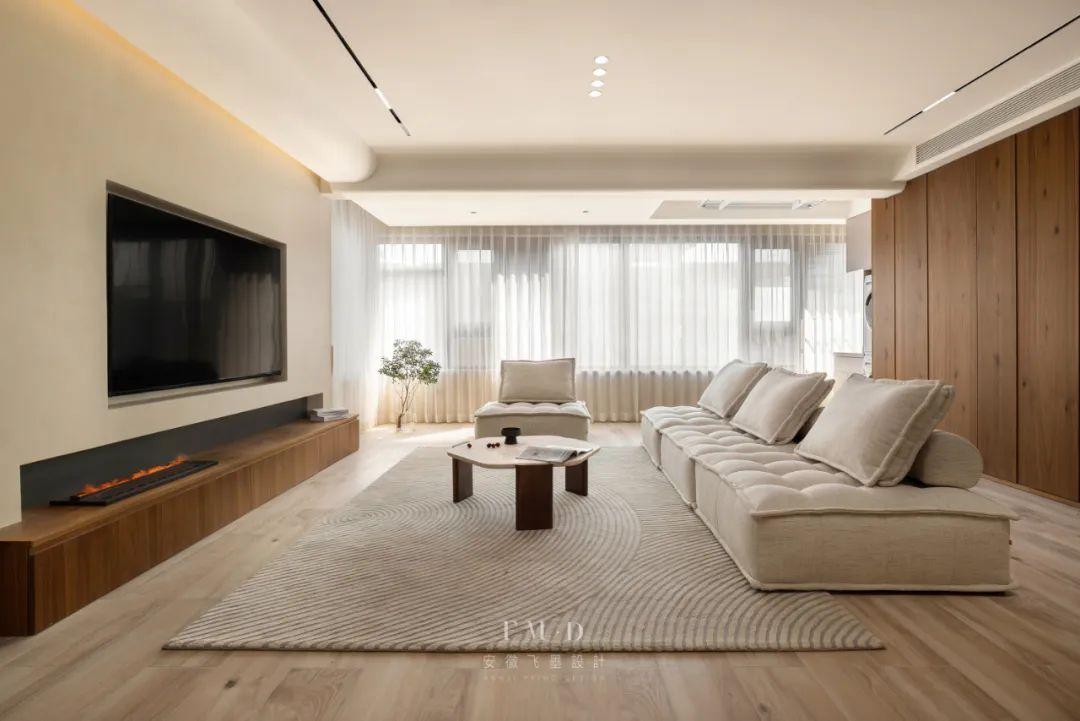
3. Japanese Style: Pure Japanese style is rare; most prefer a modern interpretation like MUJI. Emphasis is on privacy, storage, and efficient space use, creating a serene, orderly atmosphere.
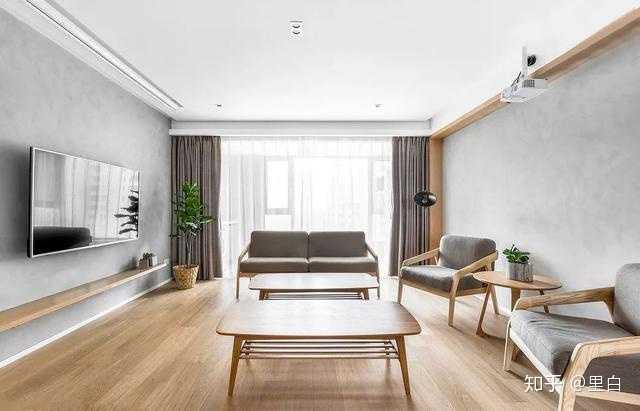
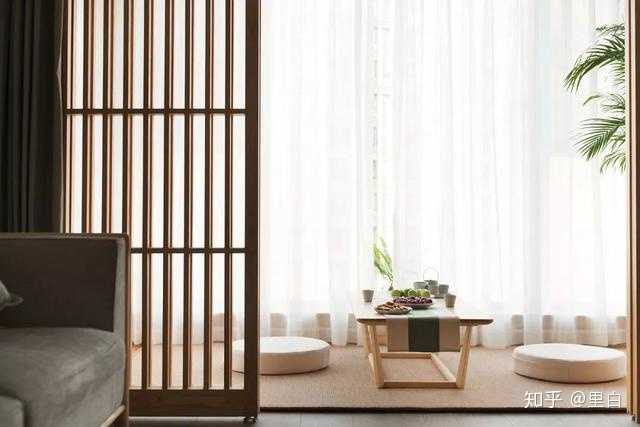
Furniture is low-profile and wooden, with natural materials like rattan, cotton, and linen. Tatami mats are iconic for their multifunctionality and storage benefits.
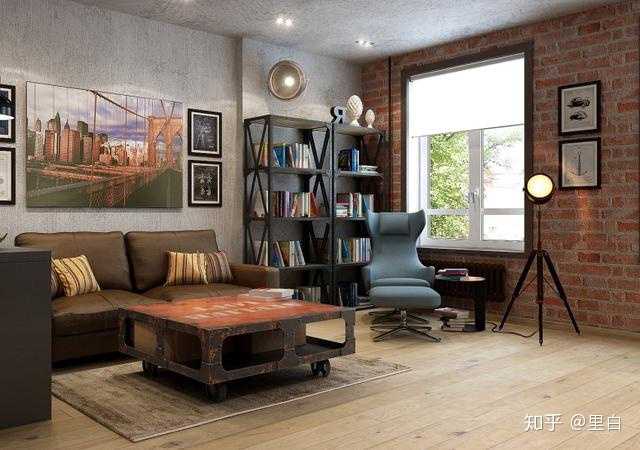
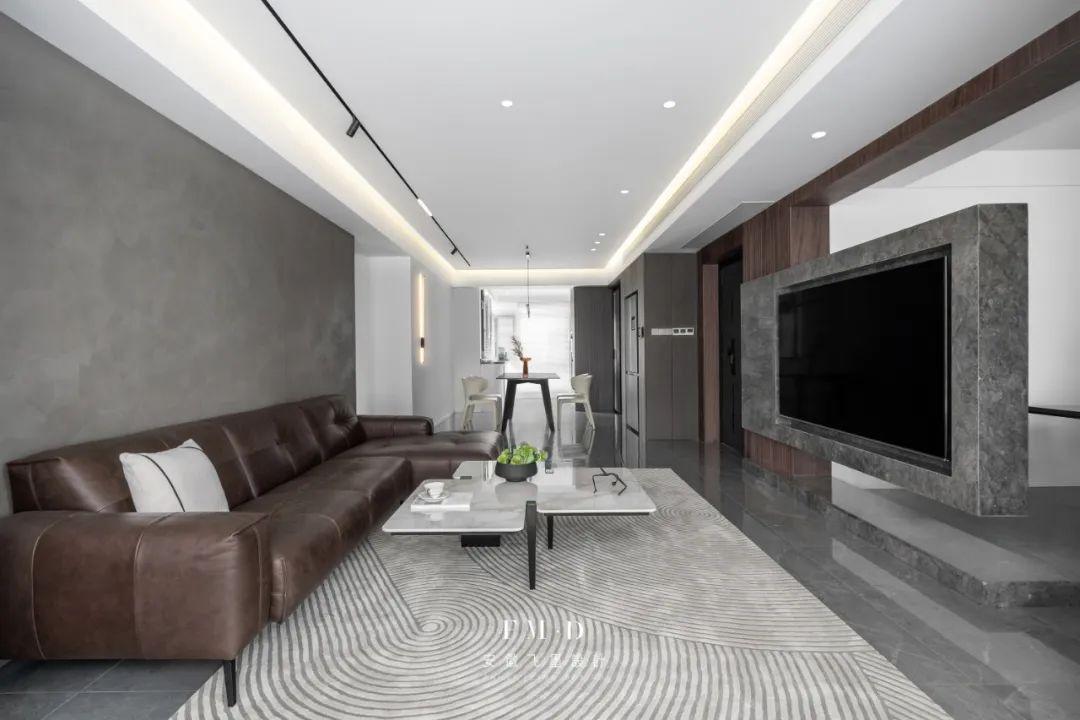
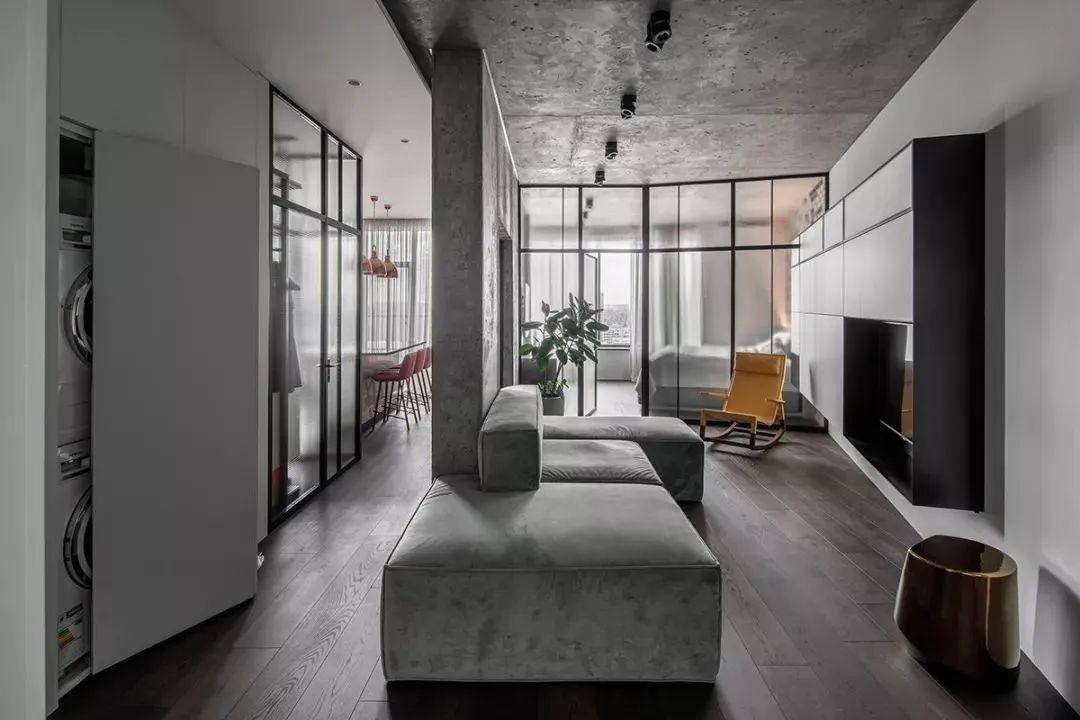
4. Industrial Style: Key aspects include vintage elements, industrial materials, and adaptability beyond lofts. It often combines raw textures like concrete, brick, and metal for a rugged aesthetic.
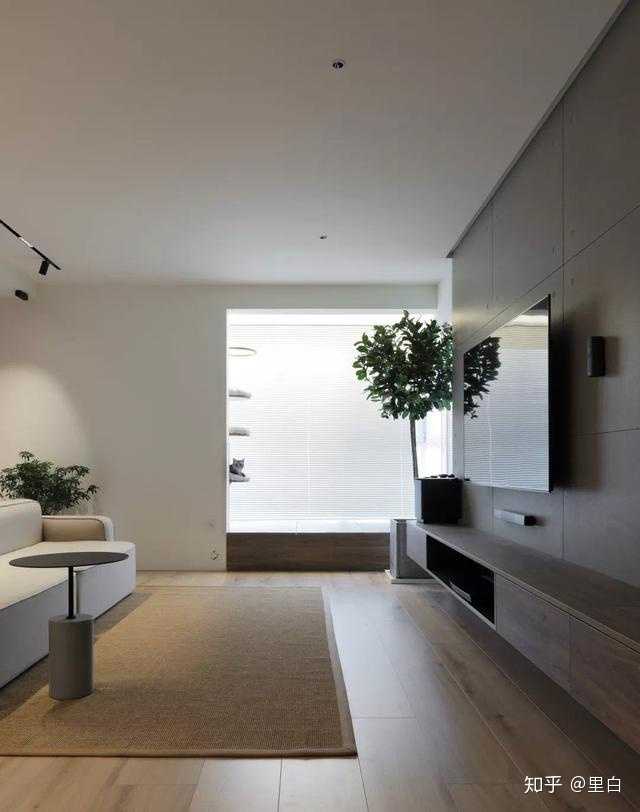
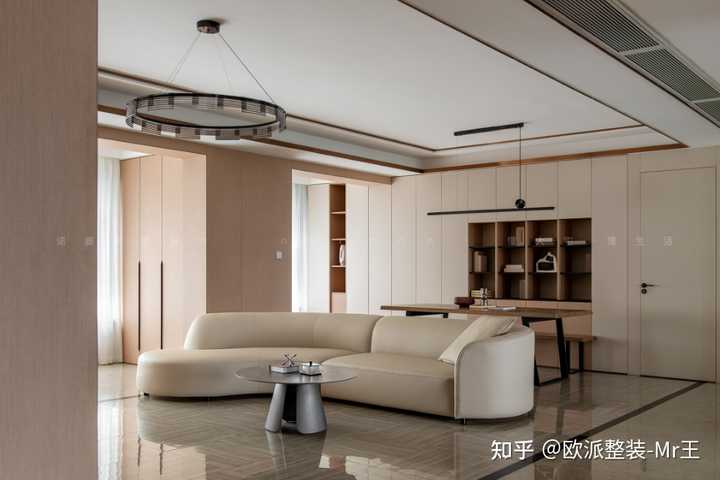
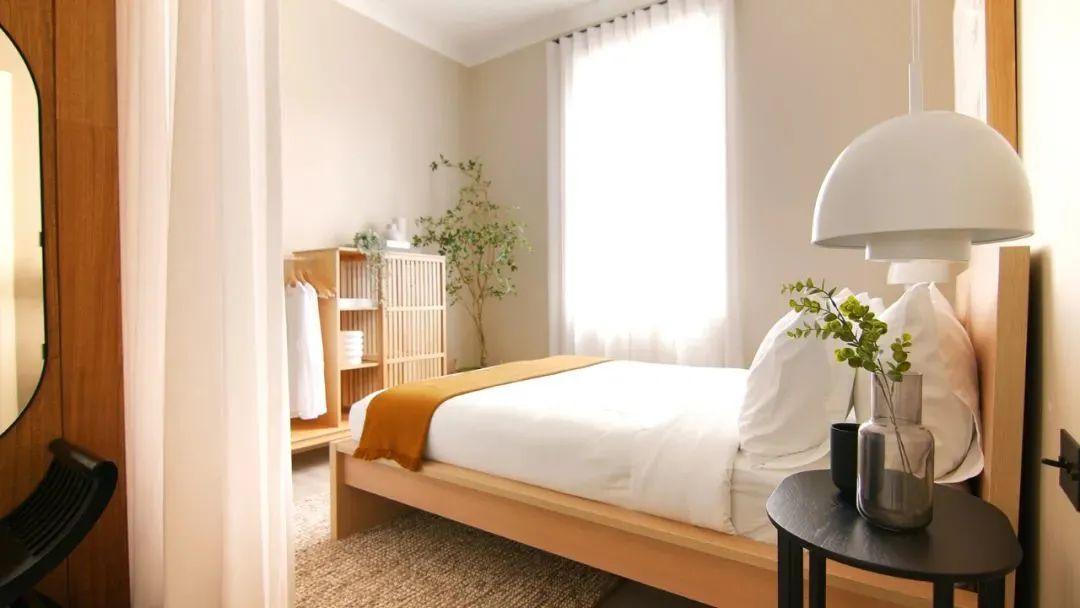
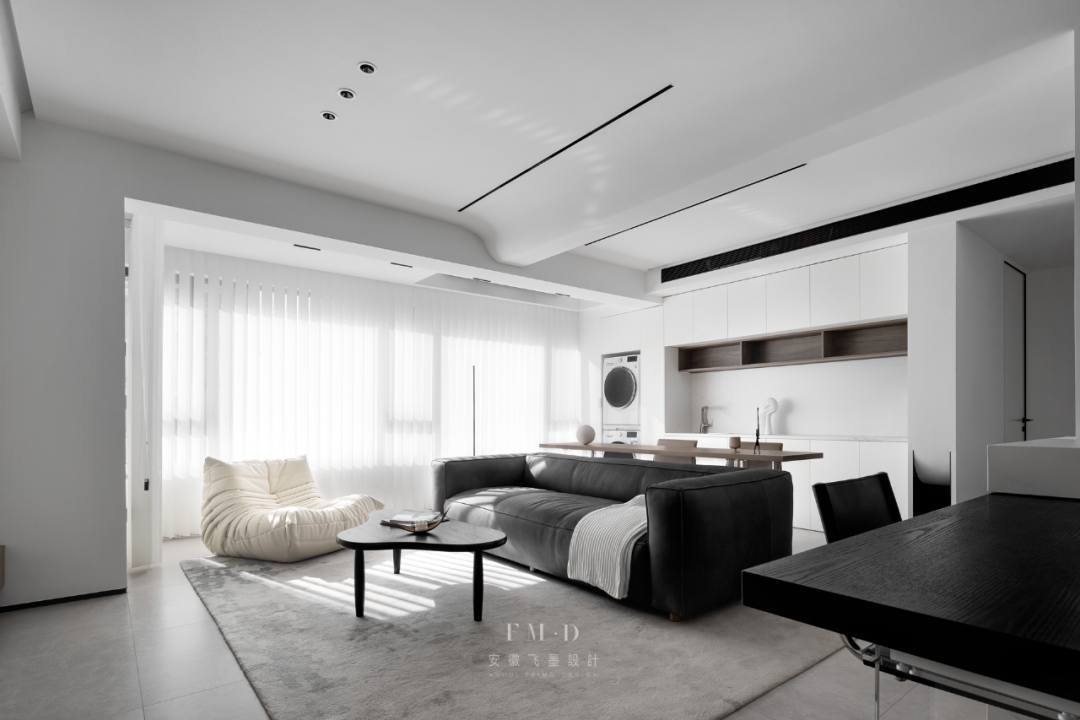
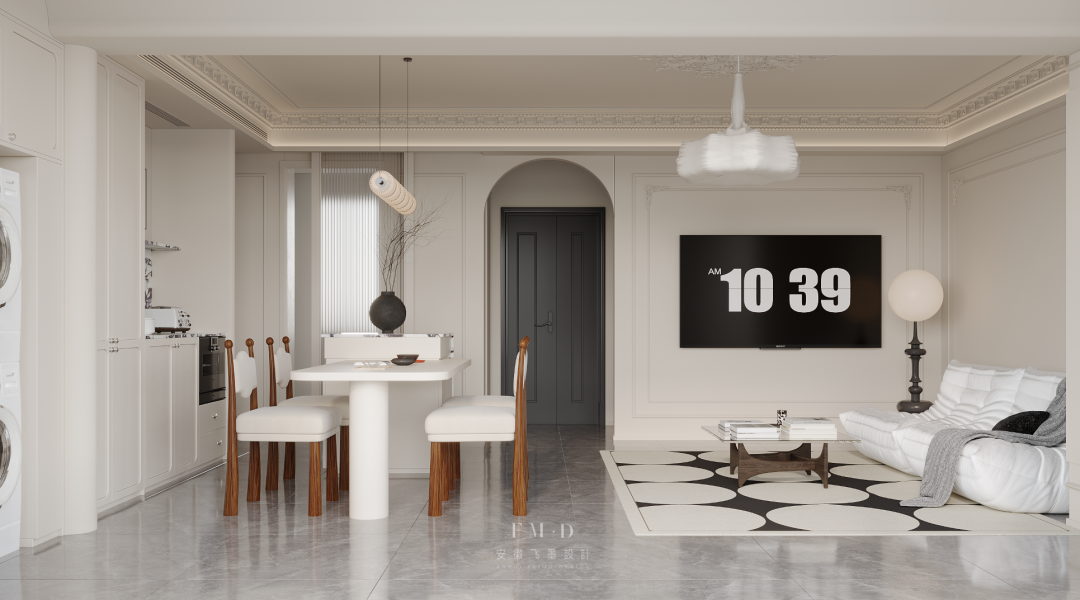
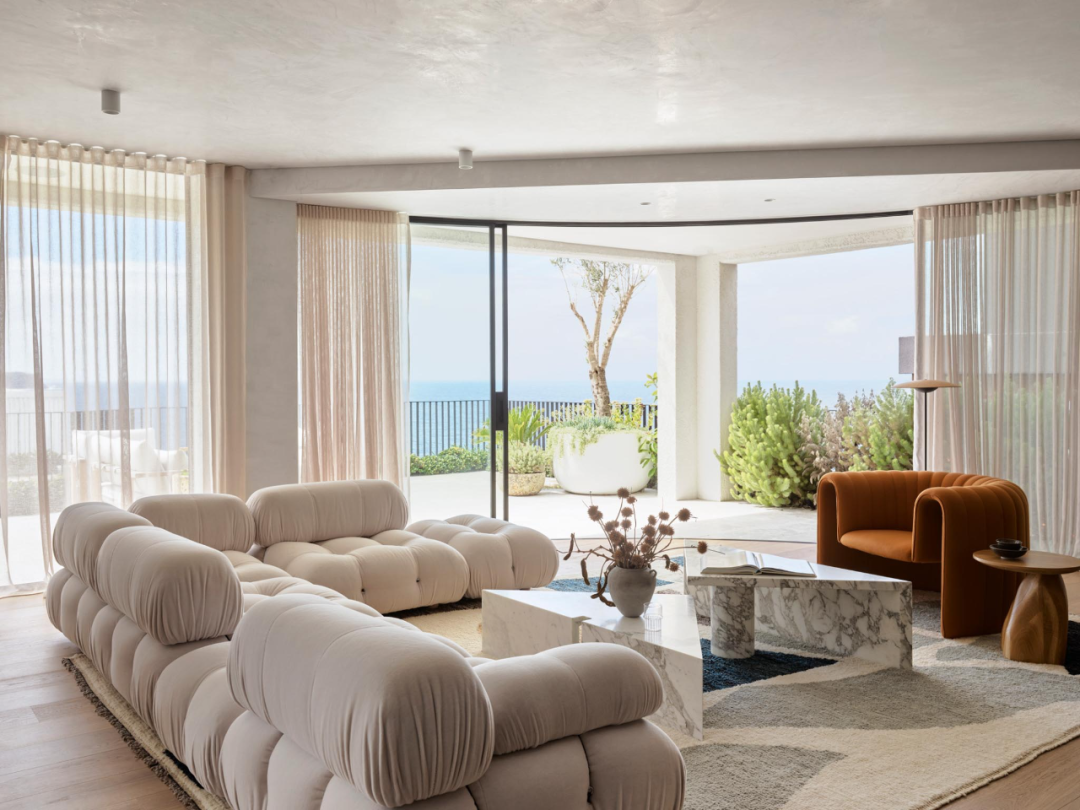
5. Minimalist Style: Originating in mid-20th century America, minimalism strips away unnecessary decor, focusing on clean lines and geometric shapes. Color harmony enhances spatial perception, making rooms feel larger.
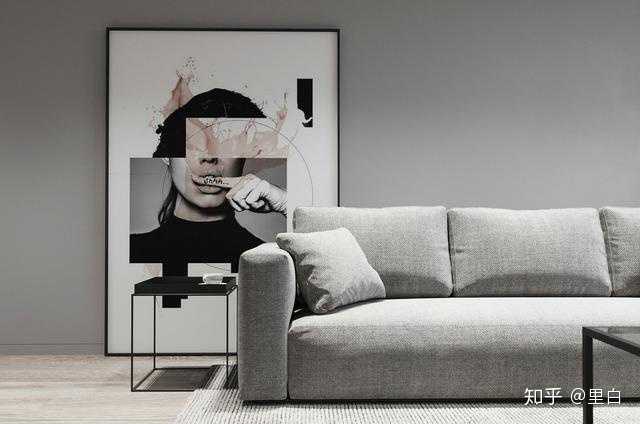
Hardware is simplified, with concealed wiring and integrated fixtures to maintain clutter-free spaces. For instance, a balcony transformed into a tatami platform offers hidden storage.



 WhatsApp contact me online