• 0

    No products in the cart.

Top 5 Tile Selection Mistakes to Avoid for a Beautiful and Durable Home Flooring: Expert Tips on Gray Tiles, Water Absorption, and More

1. Do not blindly follow trends; choose gray tiles carefully.

In recent years, gray tiles have become very popular and are the first choice for many households. However, gray tiles are not suitable for all home environments. If your room has poor lighting, using large areas of gray tiles may make the space feel more oppressive and lack the warm atmosphere of a home.

2. Avoid tiles with water absorption that is too low or too high.

Water absorption is a key indicator of tile performance. Generally, the water absorption of household tiles should be maintained between 0.5% and 10%. Tiles with high water absorption can easily lead to wall seepage and mold issues, while tiles with low water absorption may cause problems during installation, such as hollowing or falling off. Therefore, when selecting tiles, always pay attention to the water absorption index.

3. Steer clear of overly irregular tiles.

Although small patterned tiles or mosaic tiles have visual appeal, they come with practical drawbacks. First, irregular tiles have more seams, which accumulate dust and dirt, making cleaning difficult. Second, the installation cost for irregular tiles is usually much higher than for standard tiles. Finally, over the long term, irregular tiles are less visually durable than conventional ones. Thus, when choosing tiles, prioritize standard sizes for better durability and timeless appeal.

4. Do not blindly pursue large-format tiles.

Large-format tiles can create a grand visual effect, but they often come with a higher price tag. Additionally, installing large-format tiles is more challenging and may require adhesives or other materials, increasing costs and potential environmental concerns. Therefore, select tile sizes based on actual needs and budget constraints.

5. Avoid tiles with overly complex patterns.

Tiles with intricate patterns can enhance aesthetic appeal but may cause visual fatigue over time. To maintain a fresh and comfortable space, opt for solid colors or simple patterns. Moreover, when selecting patterned tiles, avoid using the same version repeatedly; instead, mix different versions for a more natural and beautiful wall appearance.

By following these “five don’ts” principles for tile selection, you can save unnecessary expenses and avoid being misled by unscrupulous sellers. These guidelines also help create a more attractive, comfortable, and long-lasting home environment.

Step-by-Step DIY Waterproofing Guide: Essential Materials, Tools, and Procedures for Effective Home Leak Prevention and Protection

Materials

Waterproof coating (recommended flexible waterproofing for good elasticity), non-woven fabric, roller, brush, masking tape, gloves, mask

Tools

Scraper, tape measure, level (for leveling)

Site Preparation

Thoroughly clean the construction area and repair any cracks or uneven spots on the ground and walls with cement mortar.

  1. Base Treatment: Use a broom and vacuum to remove all dust and debris. Dry any wet areas completely. This step is critical for waterproofing effectiveness.
  2. Apply Masking Tape: Place masking tape along corners and pipe edges to prevent coating from spreading. It removes easily later for a clean finish.
  3. Apply First Coat: Use a brush for corners and pipe roots, then a roller for large areas. Apply thinly to avoid sagging. Allow to dry for 4-6 hours.
  4. Lay Non-Woven Fabric: While the coating is still tacky, lay non-woven fabric and press with a roller to ensure full adhesion, enhancing waterproofing.
  5. Apply Second Coat: After the first coat is completely dry, apply the second coat in a perpendicular direction. Maintain a thickness of 1.5-2mm.
  6. Water Test: After full curing (usually 48 hours), block drains and fill with 5-10cm of water. Check for leaks in the area below. Ensure adequate testing time.

Important Don’ts

  • Avoid waterproofing on rainy days, as high humidity slows drying and can cause peeling.
  • Do not skip base treatment; improper cleaning may require rework.
  • Do not shorten the water test time; insufficient testing could lead to leaks.

Save this guide! DIY waterproofing is simpler than expected and helps save money for other needs.

Smart Home Renovation Guide: Save Money on Tiles, Splurge on Flooring, Paint, Filters, TV, Ceiling, and Cabinets with Budget Tips

For ordinary home renovations, even if you have plenty of money, there are nine items you shouldn’t spend too much on; and of course, there are nine items you shouldn’t skimp on, even if you’re on a tight budget. Home renovation is all about balancing savings and splurges—don’t end up wasting your money unnecessarily.

1. Save on tiles, but don’t save on wood flooring. Tiles don’t need to be expensive; just choose ones from Guangdong origin, as the quality is generally similar. Focus on patterns, textures, and ensure they are flat—cheap tiles won’t wear out easily. However, wood flooring is where you shouldn’t cut costs, mainly due to environmental concerns like formaldehyde emissions. Always opt for reputable brands with ENF-grade certifications for safety.

2. Save on latex paint, but don’t save on primer. There’s no need to go for imported or children’s paint; apart from slightly lower VOC levels, the application effect is similar to domestic paints. Stick to basic versions from well-known brands, costing around 500 yuan per bucket. For primer, avoid unknown brands—poor quality often requires adding glue, leading to formaldehyde issues. Choose branded ready-mixed primers to prevent cracking and ensure eco-friendliness without glue.

3. Save on pre-filters, but don’t save on under-sink water purifiers. Pre-filters have minimal impact in new homes, acting as coarse sieves; they’re only somewhat useful in older homes or areas with poor water quality. A model with backflush function for 300-400 yuan is sufficient. For drinking water, invest in an RO reverse osmosis system paired with a pipeline machine to boost quality of life. Always select brands with genuine RO membranes and universal filters.

4. Save on TVs, but don’t save on projectors. LCD TV technology is mature, so high-end models aren’t necessary—they’re often just decorative in living rooms. A 65 or 75-inch brand TV for 3,000-4,000 yuan is enough. Projectors, however, aren’t as advanced; cheaper ones have poor image quality, blurring in daylight or dim light. Avoid models under 5,000 yuan to prevent frustration.

5. Save on integrated ceilings, but don’t save on bath heaters. For kitchen and bathroom ceilings, use aluminum panels in 300 specifications, costing over 100 yuan per square meter—they’re durable and won’t break easily. Choose thickness above 0.6 to avoid noise from wind. Bath heaters, being high-power appliances, affect comfort and safety; good ones offer better heat dissipation and longevity for a pleasant shower experience.

6. Save on custom cabinets, but don’t save on hardware. Custom cabinets don’t require brand names—quality depends on materials and design, not the brand. Buy panels locally, have them processed by factories, and assembled on-site. Hardware, like hinges and handles, must be high-quality to ensure cabinet longevity; cheap options lead to rust, breakage, and constant issues, causing annoyance.

Ultimate SEO Guide to Top Home Improvement Brands: Tiles, Doors, Paints, Sockets, Bathroom Ware, and Lighting Products

1. Tiles

image

Currently, there are over 1500 tile brands in the market, with more than 150 major brands from Guangdong. The quality and control are generally good.

Based on reputation and sales, the first choice is Marco Polo, known for its distinctive antique-style tiles and reliable service. Secondary options include Dongpeng and Guanzhu; Dongpeng offers balanced products with sales second only to Marco Polo, while Guanzhu is more affordable.

image

Another alternative is Feilinge’er, a German joint venture with higher quality and standards, though it is slightly more expensive.

2. Wooden Doors

image

For high-end wooden doors, the top choice is Mengtian; for quiet and stylish options, choose TATA; and for healthy, eco-friendly alternatives, opt for 3D paint-free wooden doors.

3. Paints

image

Brands are large-scale with advanced equipment, and their technology and quality rival imported brands. The first choice is Dulux, with a secondary option being Nippon, as Dulux focuses more on home decoration and offers higher environmental protection. Sankeshu and Carpoly are also good but less well-known.

4. Electrical Sockets

image

Siemens is a household name, but the market has many counterfeits. Domestically, the top choice is Bull, a leading brand with a strong reputation and high safety. Secondary options include Delixi and Chint, which offer good quality at more affordable prices.

5. Bathroom Fixtures

image

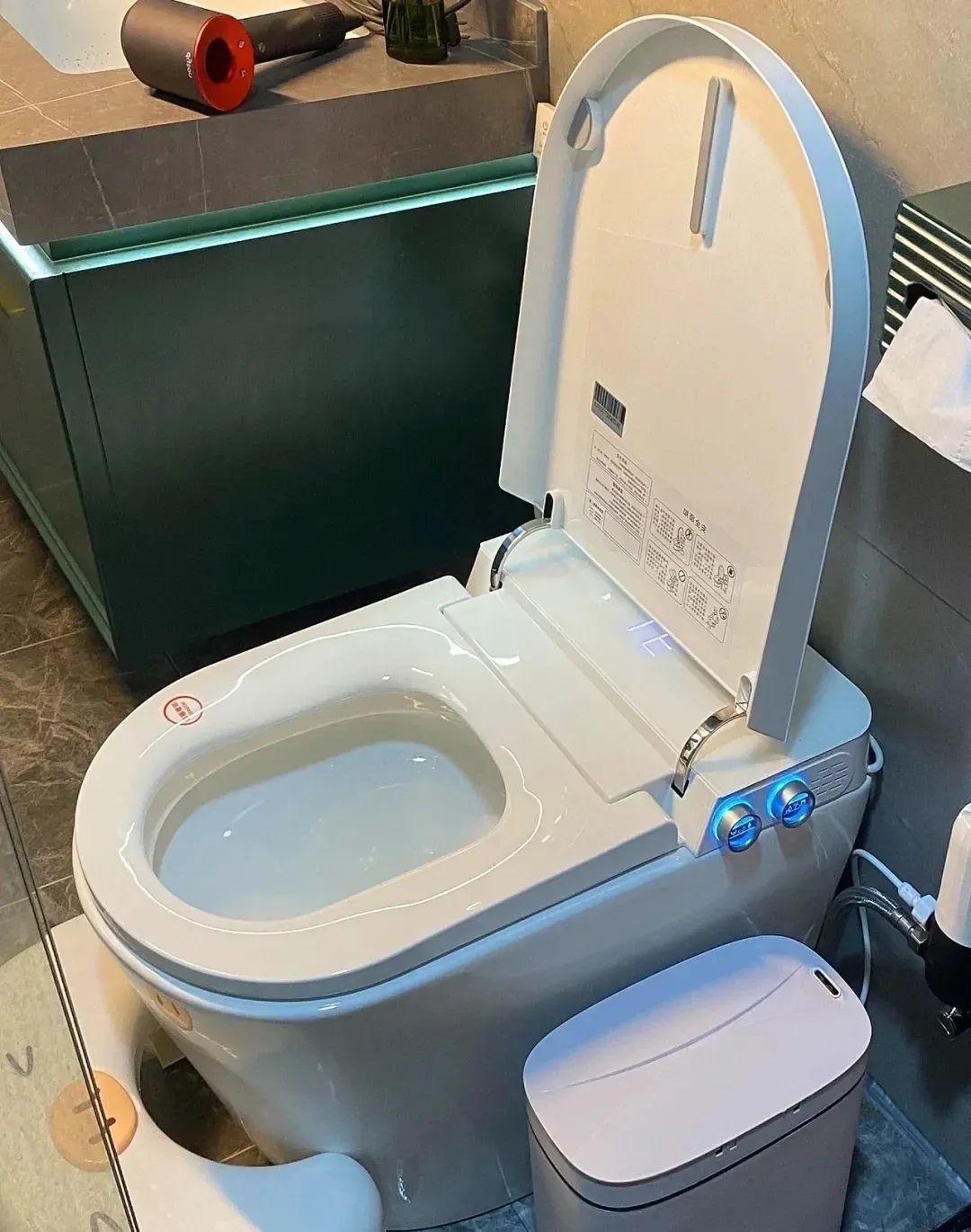
For smart toilets, the first choice is TOTO due to its advanced technology. Among domestic brands, Hegii is preferred for sanitary ware, and Jomoo for hardware. For comprehensive, cost-effective products, consider Huid and Arrow.

6. Lighting

image

Secondary choices include NVC Lighting and Philips. NVC Lighting specializes in LED lights with years of commercial experience, making it a strong player. Philips, as one of the earliest bulb manufacturers, remains a leader in the lighting industry with undeniable strength.

We are a very complete car parts, 95% of the basic accessories can be found

×
WhatsApp WhatsApp contact me online