• 0

    No products in the cart.

Ultimate Guide to Stress-Free Home Renovation: Avoid Scams by Choosing Established Contractors and Premium Materials for Maximum Satisfaction

Home renovation presents a unique and intense opportunity to interact with various societal levels, as the current market is often unregulated, lacking ethical standards, and dominated by poor practices that drive out quality.

During this process, human flaws such as greed, selfishness, betrayal, and deception can become fully apparent.

It’s crucial to mentally prepare beforehand by selecting well-established renovation companies and top-tier material brands to minimize potential issues.

Aim for around 70% satisfaction with the outcome, avoid excessive demands, and prioritize your health over perfection in renovation projects.

Ultimate Guide to Tile Selection: Types, Differences Between Wall and Floor Tiles, and Professional Installation Tips for Home Renovation

Choosing tiles for home renovation can be one of the most challenging tasks. Many homeowners have questions about tile materials, whether to buy wall and floor tiles together, how to identify quality tiles from regions like Guangdong, and why prices range from affordable to premium. With options like 30 yuan per tile to 3000 yuan, it’s essential to understand the basics to make informed decisions.

image

The key aspects of tile selection include material, aesthetics, and quality. First, let’s explore the differences between wall and floor tiles—they are not the same!

1. Can Wall and Floor Tiles Be Used Interchangeably?

Many wonder if attractive wall tiles can be used on floors or vice versa.

image

Answer: Types differ; floor tiles can be installed on walls, but wall tiles cannot be used on floors.

Reason: Floor tiles endure daily foot traffic, requiring high durability, hardness, and low water absorption. Wall tiles focus on decorative patterns and are not suitable for floors. However, using floor tiles on walls is possible but may involve higher labor costs due to complex installation.

When visiting a建材市场, you’ll notice various tile types like hexagonal, irregular, wood-grain, antique, micro-crystal, polished, glazed, and vitrified tiles.

image

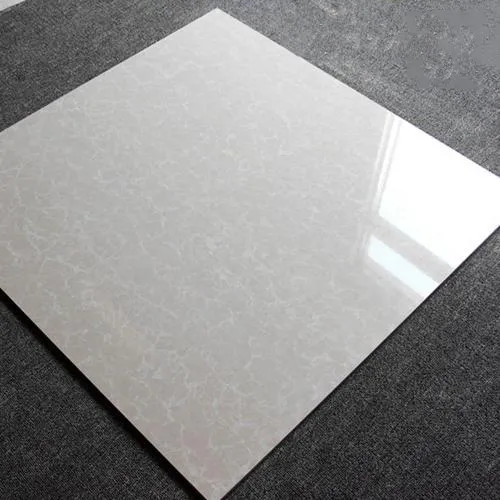
For most home projects, it’s helpful to focus on three main material categories: polished tiles, glazed tiles, and vitrified tiles.
image

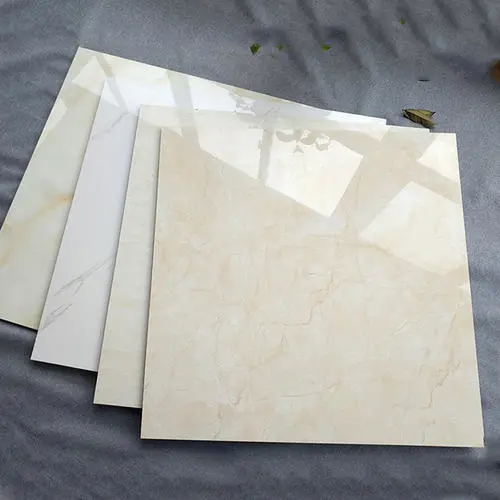
Polished tiles are common亮片砖 with a glossy surface, high hardness, and affordability, but their patterns may lack refinement.
image

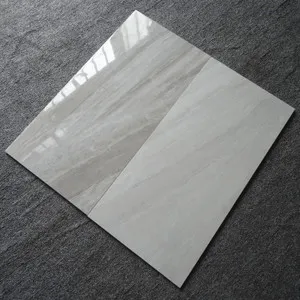
Glazed tiles, another type of亮光砖, offer more variety and intricate patterns, mimicking natural stone. However, they have lower slip resistance and are not ideal for high-moisture areas.
image

Vitrified tiles come in matte and glossy finishes and include subtypes like antique and wood-grain tiles. They provide excellent slip resistance, durability, and diverse designs, making them popular for indoor use.

In summary: Polished tiles offer the best value, glazed tiles have more aesthetic patterns, and vitrified tiles provide greater versatility. Choose based on your needs.

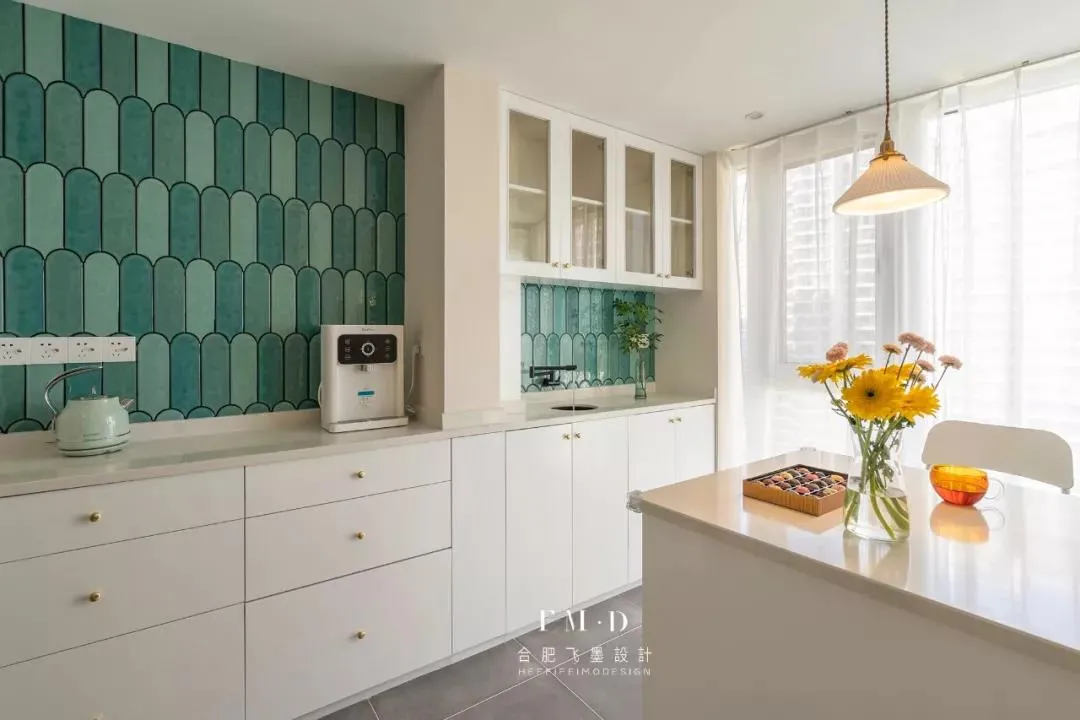
For wall tiles, selection can focus on aesthetics since small areas like accents won’t break the budget. Consider unique shapes and designs for visual appeal.
imageimageimageimage

Go for what looks best—you don’t have to compromise on style!

imageimage

Tile size matters: Smaller规格 increase installation difficulty, so consult a designer to avoid budget overruns. For cost-effectiveness, consider wall tiles in sizes like 300*300 or 300*600.

For floor tiles, base your choice on the room’s function.

imageimage

① Kitchen tiles should prioritize stain resistance—lighter colors often hide dirt better than dark ones.

② For wet areas like bathrooms and balconies, opt for slip-resistant tiles such as vitrified tiles.

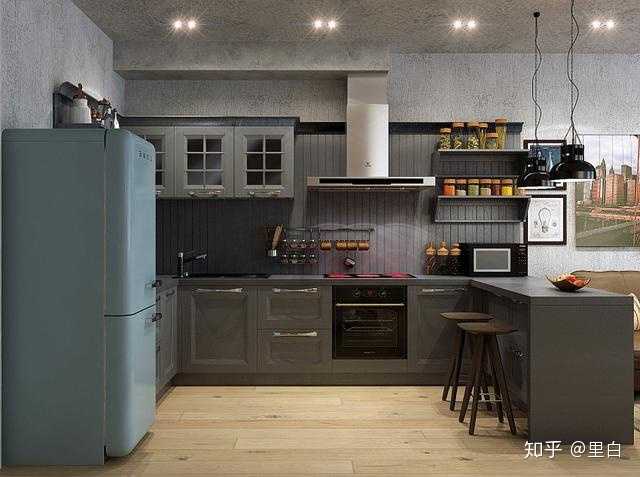
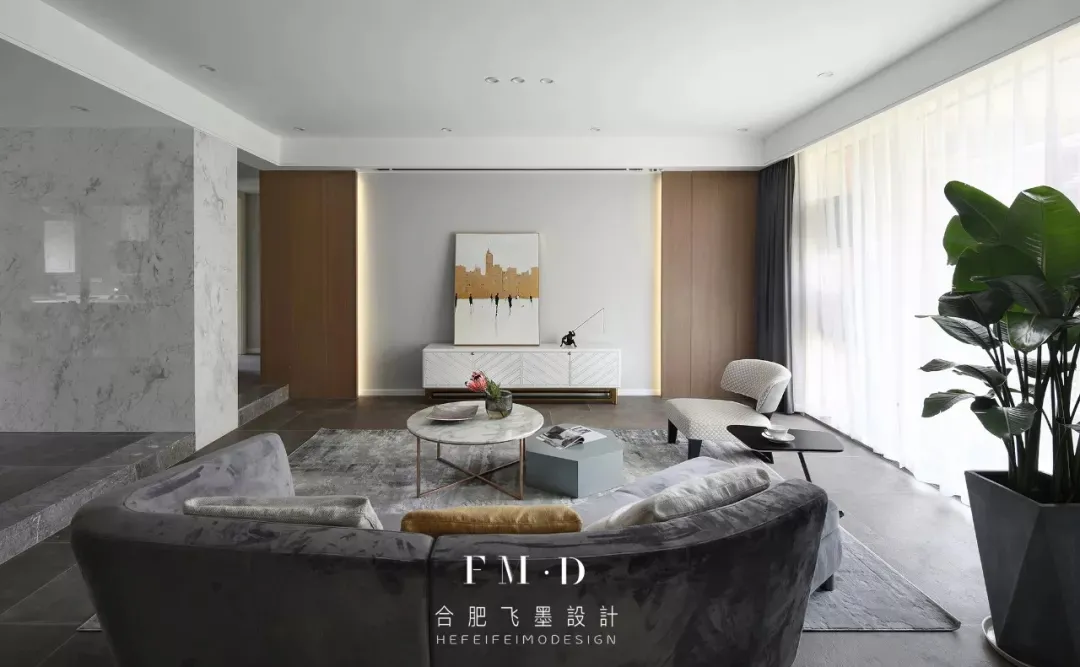
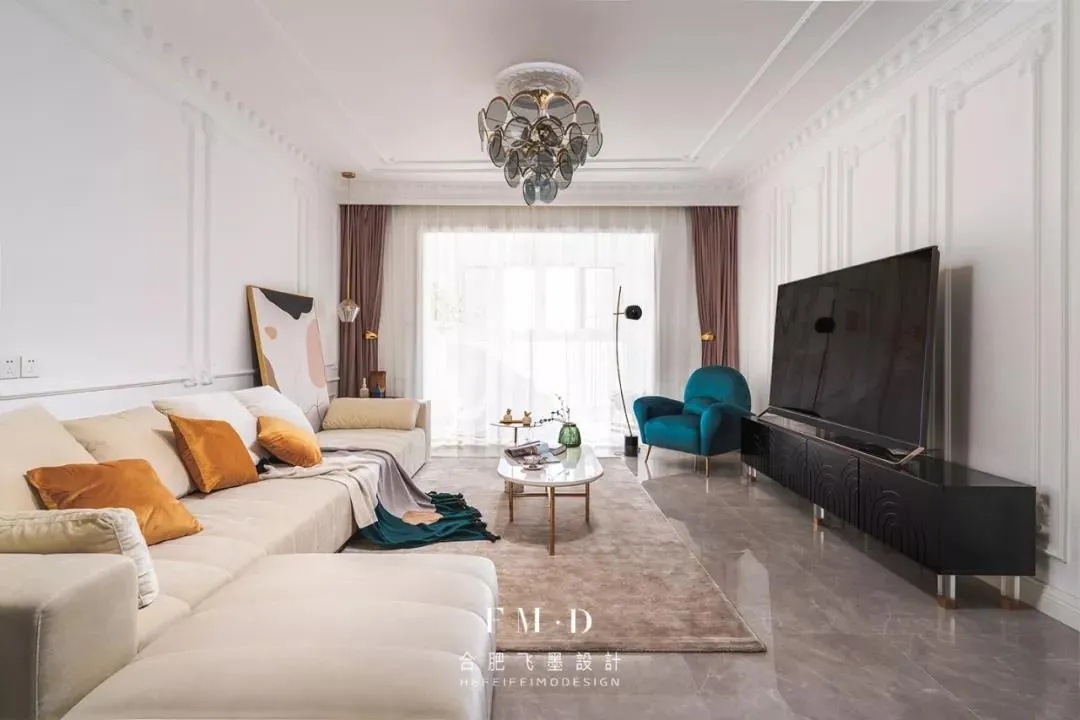
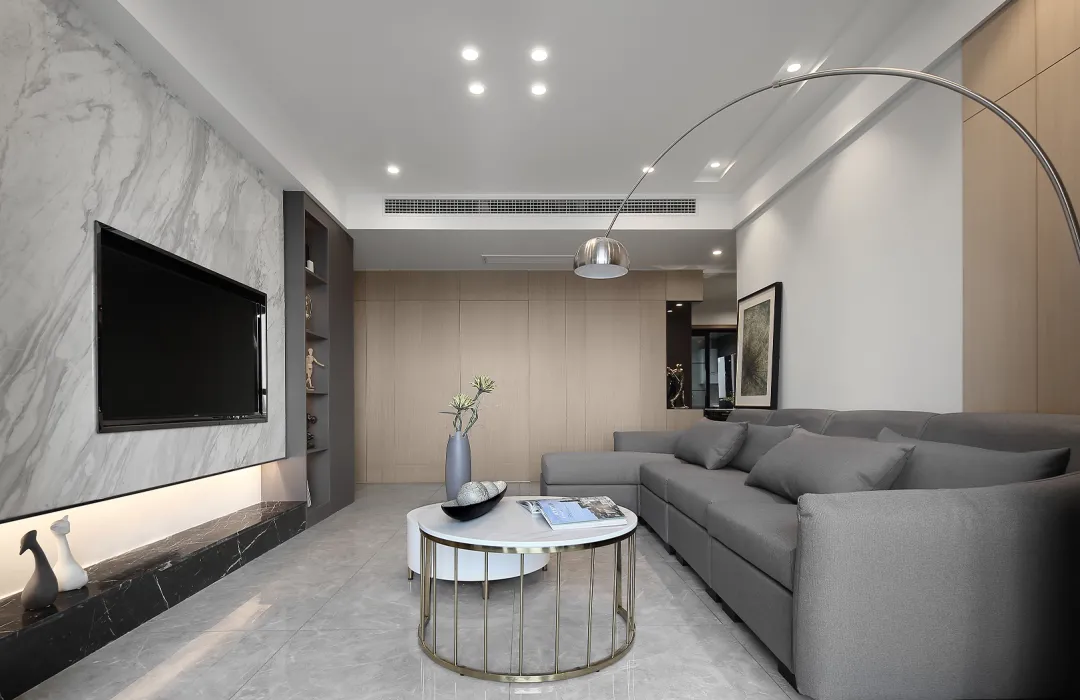
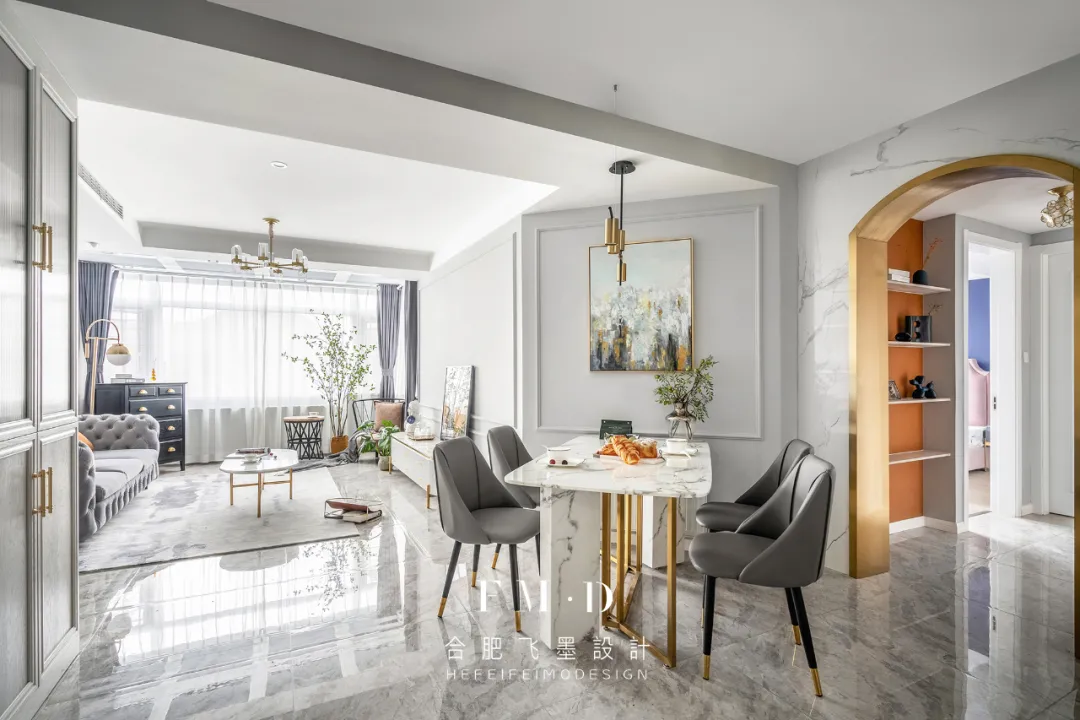
Since floor tiles cover large areas, avoid overly busy patterns. Neutral colors like gray are versatile and suit most styles.
imageimageimage

Gray is a timeless choice that complements any decor.
image

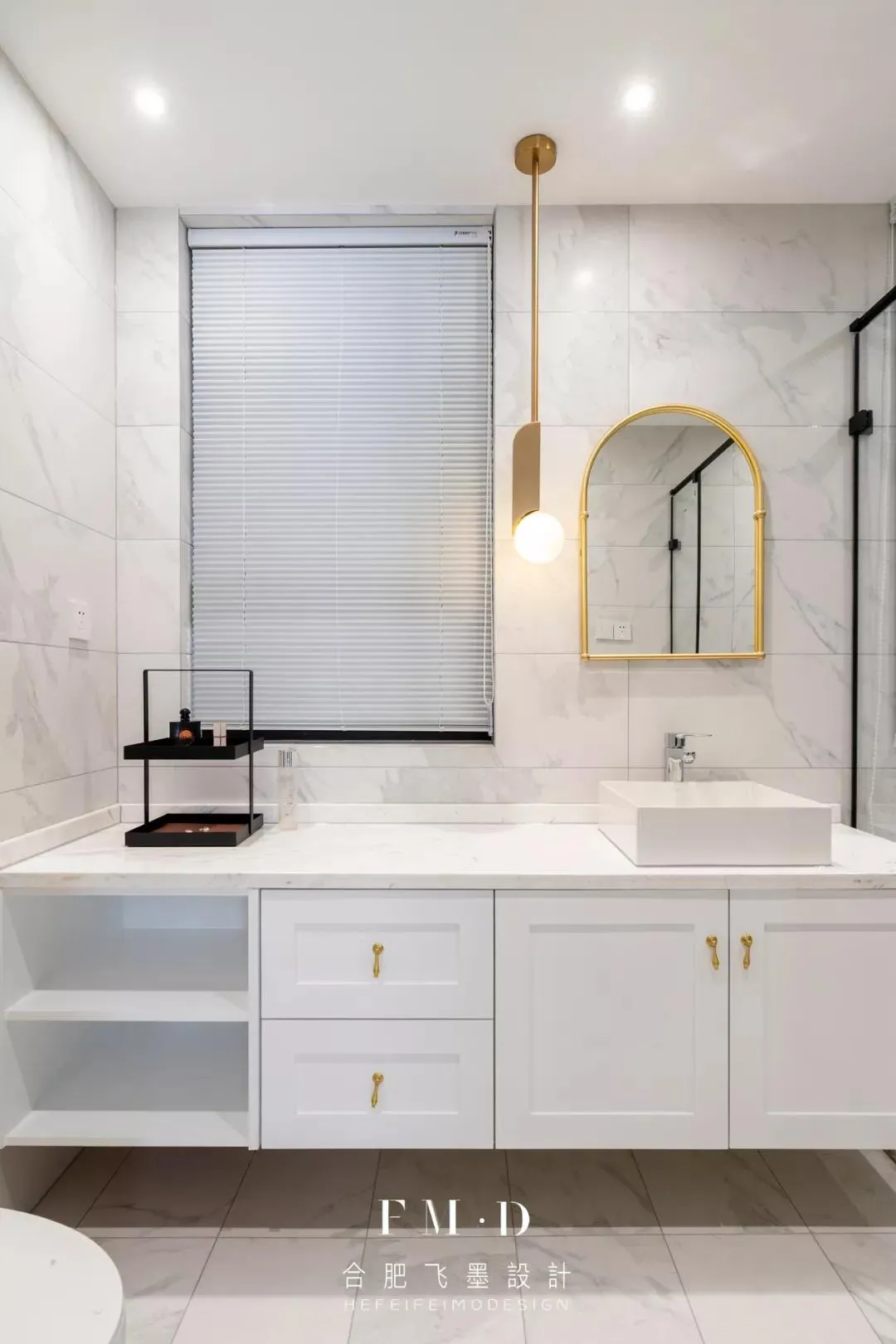
White tiles are also popular—they don’t show dirt easily, reducing cleaning frequency.
image

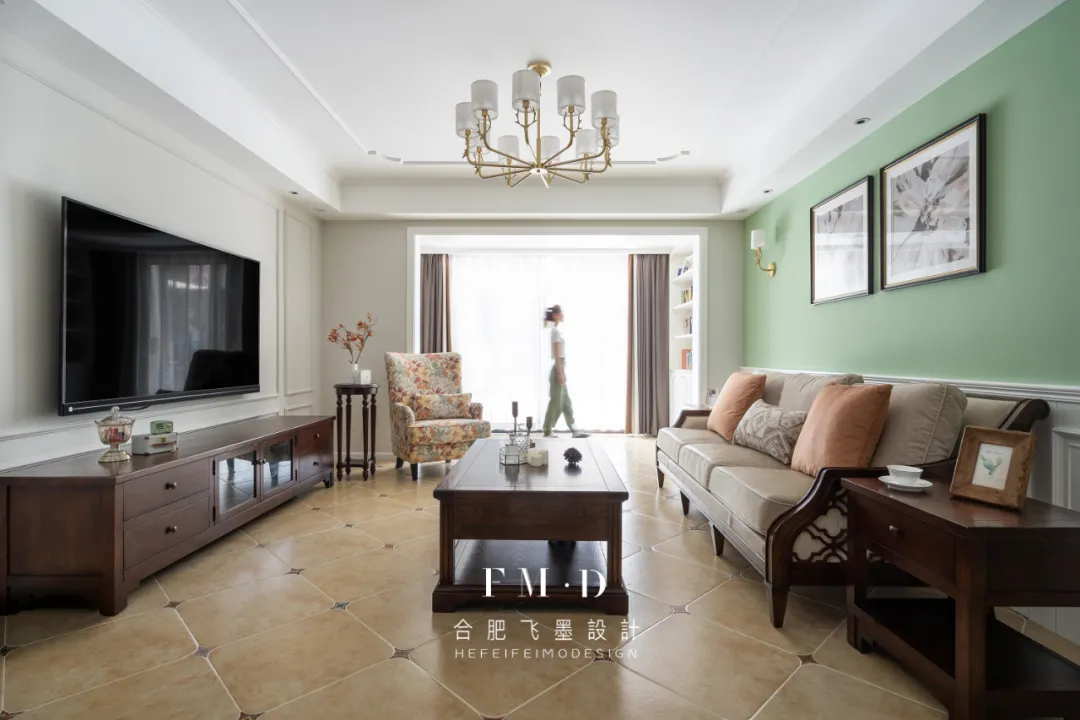
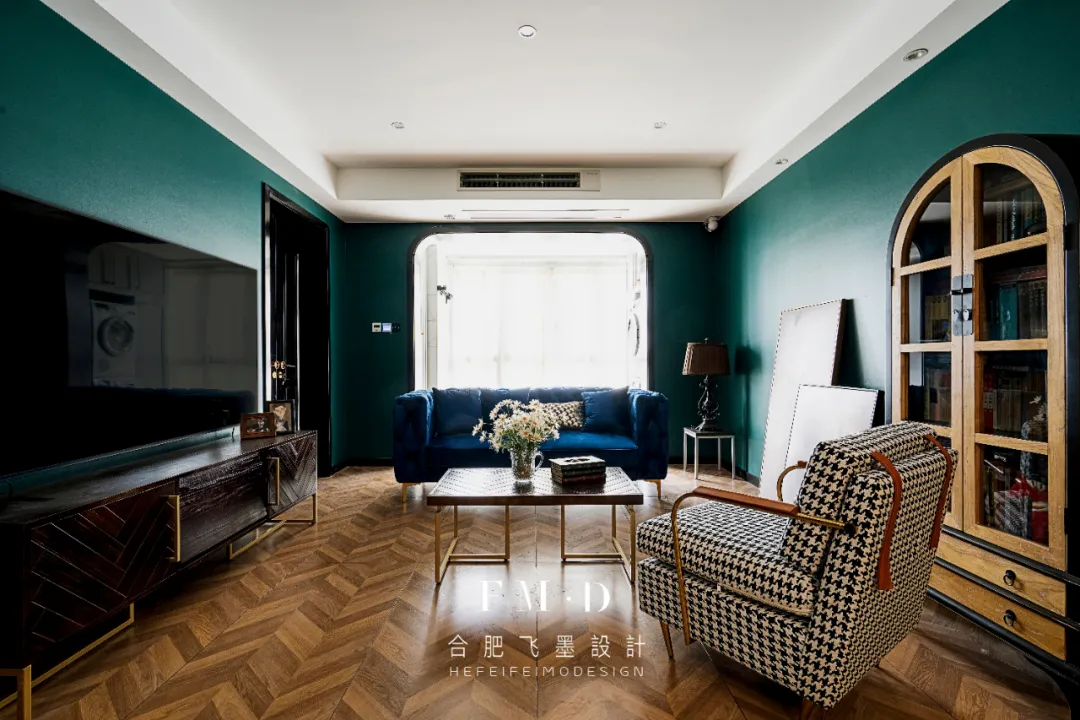
When unsure, follow this rule: furniture color > floor color > wall color. For poor lighting, choose glossy tiles; for strong sunlight, matte tiles work better.
image

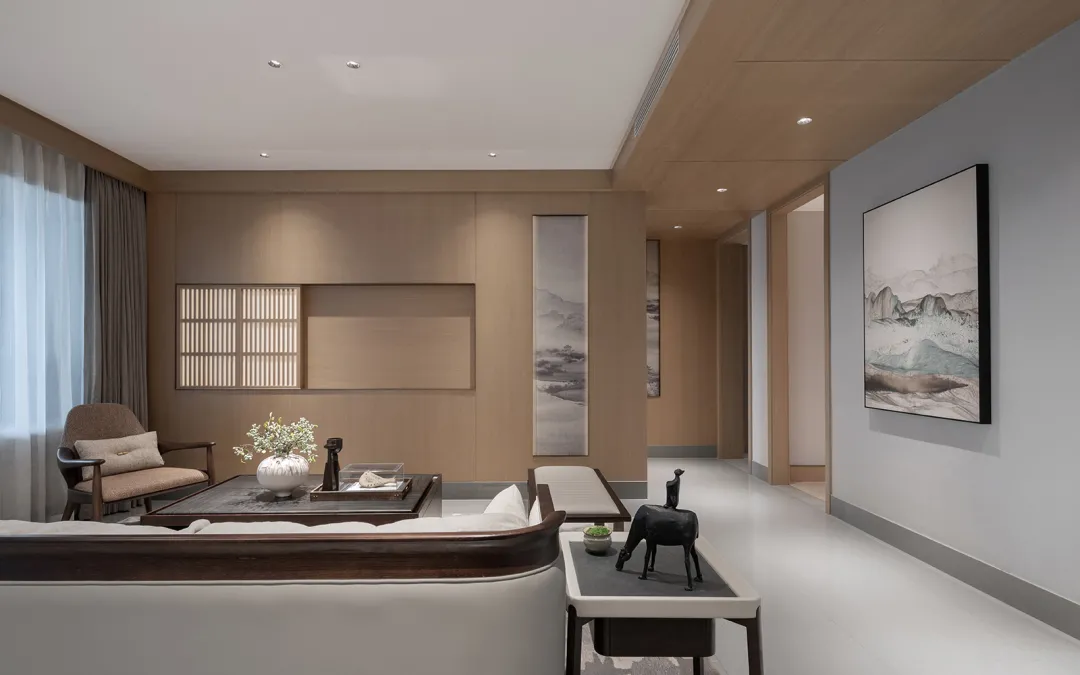
Antique tiles suit American style; glossy tiles fit luxury, minimalist, or European themes; matte tiles are ideal for Nordic or Japanese styles; wood-grain tiles mimic hardwood and adapt to any design.
imageimageimageimage

Installation is crucial for aesthetics. Explore different laying patterns:
imageimageimageimage

Straight laying is the most common method for both walls and floors.

imageimageimageimageimage

Herringbone, chevron, and fishbone patterns work well with elongated tiles—they look stylish but cost more in labor.
imageimageimage

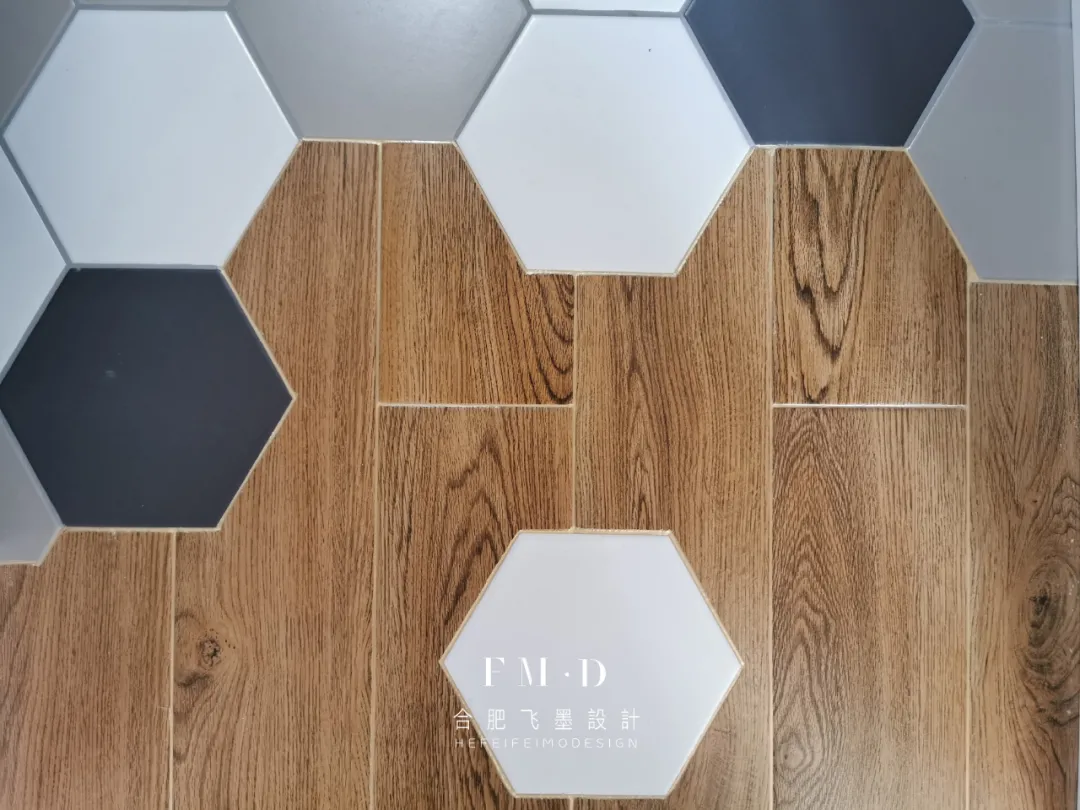
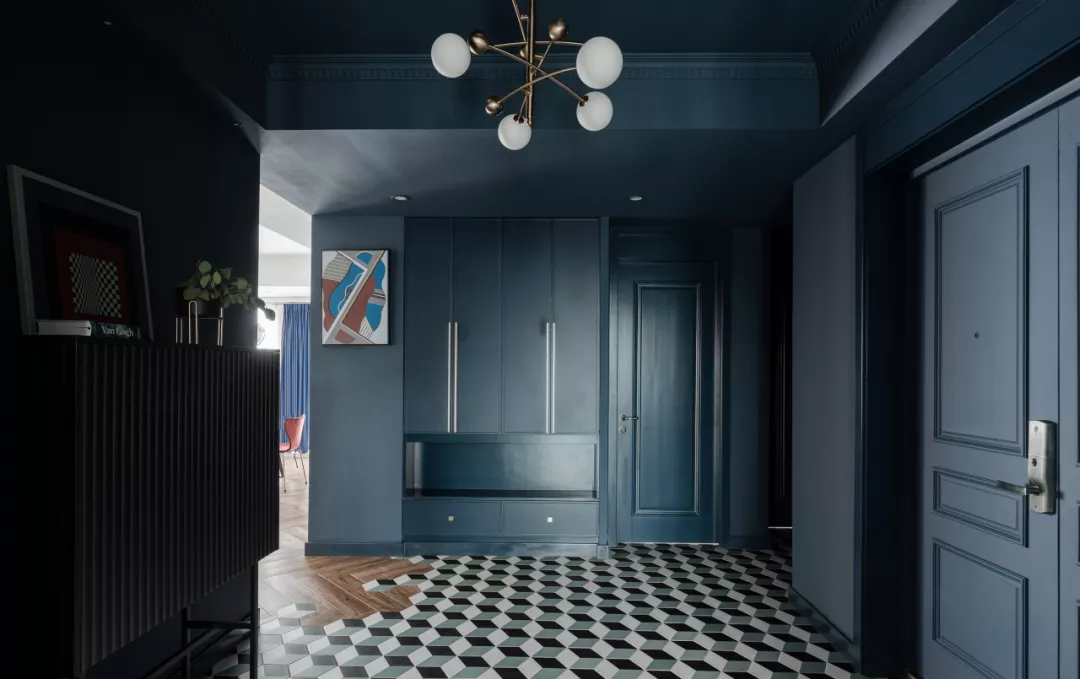
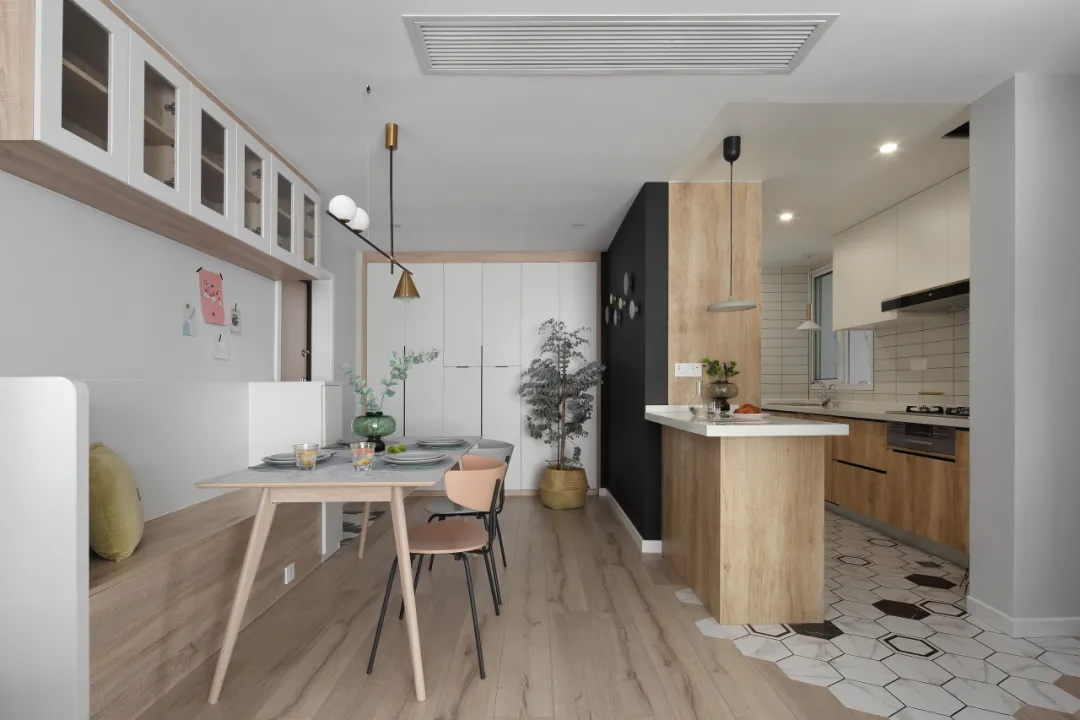
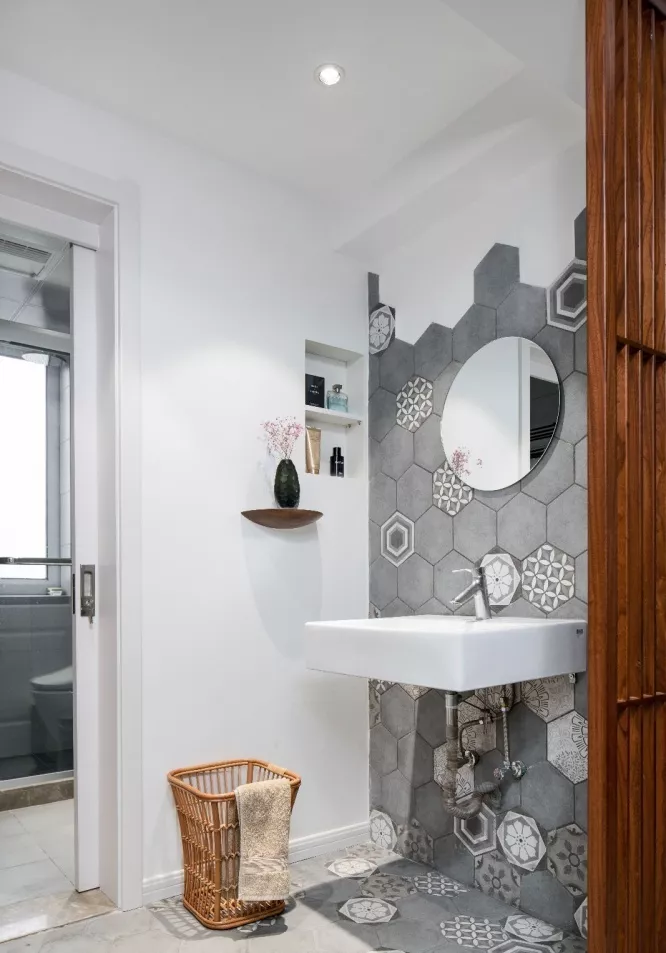
Mixing materials in拼接 designs adds character and can define spaces at transitions.

For a unique touch, extend the same tile from floor to wall—though this may increase costs.
image

Proper installation techniques are vital. Floor tiles can be laid using dry or wet methods.

image

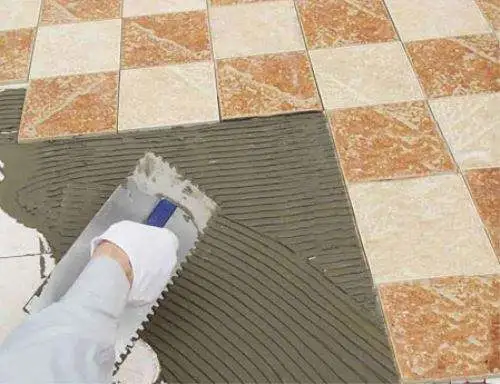
Dry laying uses dry cement mortar, minimizing bubbles and hollow spots. Steps include: setting level lines, using a 1:3 cement mix, applying a base layer, and ensuring proper slope for drainage in wet areas.
image

Wet laying employs traditional cement mortar—it’s cheaper but prone to hollow spots. Always pre-lay tiles to plan the layout. Dry laying is recommended for better quality where possible.

Wall tiles only use wet laying due to adhesion needs. Steps involve: creating a layout plan, checking wall conditions, cleaning tile backs, applying adhesive, and installing from bottom to top in layers.

image

After installation, don’t forget grouting for a finished look!

Ultimate Tile Selection Guide: 5 Essential Buys and 5 Common Mistakes to Avoid for Home Renovation and Flooring Tips

Selecting the right tiles for your home renovation is crucial, as they are a visible element that impacts the overall aesthetic. This guide covers key “5 must-buy” and “5 must-avoid” rules to help you make informed decisions. Avoid tiles with poor stain resistance, as stains can penetrate and become impossible to clean. Steer clear of uneven surfaces like antique or wood-grain tiles, which trap dirt and are hard to maintain. Dark-colored tiles can make spaces feel cramped and dim, while overly busy patterns may clash with your decor. Trendy “internet-famous” tiles often lead to installation issues and impracticality. Instead, purchase tiles from physical stores to avoid color discrepancies and simplify returns. Opt for tiles manufactured in Guangdong for guaranteed quality, choose 800×800 sizes for cost-effectiveness and visual appeal, select super wear-resistant options for long-lasting shine, and prefer single-brand operations for consistent quality.

Tile exampleTile selection tips

Complete Guide to Choosing and Buying Tiles: Expert Tips on Quality Inspection, Water Absorption, and Alignment for Home Renovation and Decoration Projects

Tiles are increasingly becoming the top choice for home decoration, and selecting the right tiles is a key consideration for every renovator. Here are some simple and effective methods to choose tiles effortlessly.

There are two main channels for purchasing tiles: online and in physical stores. It is recommended to visit physical stores to see products in person, avoid color discrepancies, and directly communicate with staff about tile details or after-sales support. Additionally, compare multiple stores and brands to find the best fit for your home.

imageimage

What types of tiles are generally suitable for home decoration?

Check the quality inspection report: Always request a recent quality certification from the merchant, ideally issued within the last six months and marked as qualified.

Inspect the tile surface: Look for defects like black spots, cracks, scratches, or chipped edges, and verify that the base has a clear product logo. Compare multiple tiles of the same type to check for color variations and ensure consistent dimensions.

Test water absorption: Place water droplets on the tile’s back—slower absorption indicates higher density and better quality, while faster absorption may suggest inferior tiles.

Evaluate tile alignment: Randomly select four tiles of the same size, arrange them together, and check for even joints. Good flatness and minimal gaps across directions signify high-quality tiles.

Matte Glazed Tiles Selection Guide: Types, Colors, Sizes, and Tips to Avoid Mistakes in Home Renovation and Interior Design

When I decided to use matte glazed tiles, I wasn’t afraid of making costly mistakes.

To avoid pitfalls, it’s essential to choose based on your specific situation.

Smooth surface and high-end texture are key attributes.

Some people report failures with matte glazed tiles because most don’t select properly.

There are four main types: skin glaze, satin glaze, candy glaze, and fine dry grain surface.

Matte glazed tile exampleMatte glazed tile exampleMatte glazed tile exampleMatte glazed tile exampleMatte glazed tile exampleMatte glazed tile exampleMatte glazed tile exampleMatte glazed tile example

Skin glaze and satin glaze offer smooth, fine surfaces with better quality.

Candy glaze and fine dry grain surface have a granular texture, making them harder to clean.

Matte glazed tiles have a glaze surface; without it, they are called soft polished tiles, which may have capillary pores leading to stain absorption and difficult maintenance. Glazed matte tiles are as easy to clean as glossy tiles.

Matte glazed tiles are versatile, fitting most decoration styles like basic clothing.

For cream or original wood styles, milk white is suitable.

For modern or new Chinese styles, light gray works well.

For minimalist style, use pure color matte tiles with same-color epoxy grout for seamless splicing, achieving up to 90% of the micro-cement effect.

Choose warm or cool tones based on the overall space style; light gray, milky white, and beige are universal colors.

Avoid dark tiles to significantly reduce failure risks.

1500*750 size conveys luxury, while 800*800 shows practicality, as tile size isn’t the key factor.

Focus on making grout the same color as the tile to minimize its presence, which is core to a high-end look.

How to prevent failures with matte glazed tiles?

Semi-porcelain tiles have high water absorption; light-colored matte tiles with high absorption can absorb cement moisture, causing uneven surface color.

Matte tiles with less texture appear more qualitative, especially pure color ones, but have relatively poor slip resistance; select based on your needs.

Pure color matte tiles without patterns are more advanced; opt for a 15° glossiness for better effect and texture.

Use matte grout that matches the tile color, preferably epoxy grout, and ensure it isn’t lighter than the tile.

Soft polished surfaces can stain, scratch easily, and seem perpetually dirty; failures often occur with this type.

Whole-house installation offers a low-key, elegant look with a spacious, airy feel, resembling micro-cement.

Avoid Metal Wardrobes in First Home Renovation: Comprehensive Review of Advantages, Disadvantages, and Better Alternatives for Storage Solutions

Do not choose metal wardrobes for your first home renovation! Do not choose metal wardrobes! Do not choose metal wardrobes!
Compared to wooden wardrobes, metal wardrobes offer several benefits: they are affordable, convenient, and allow flexible assembly!

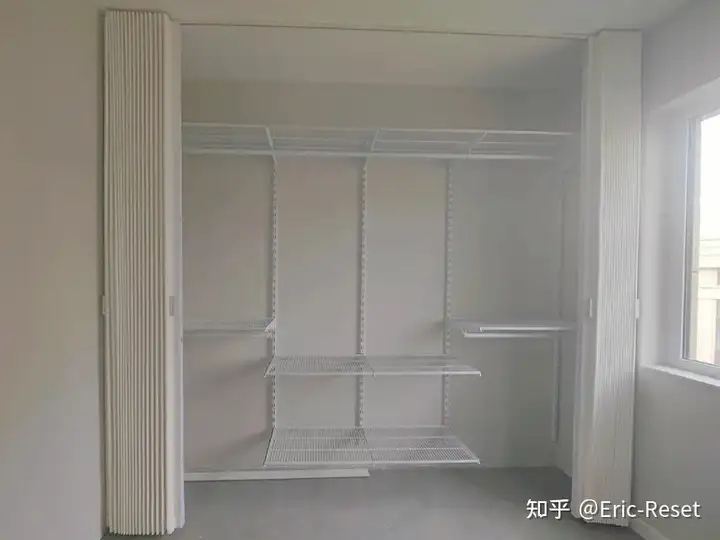
image

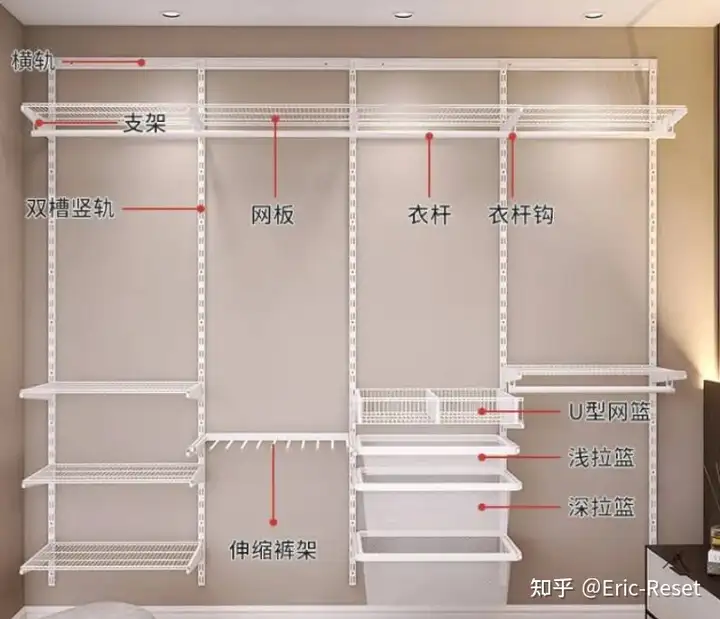
Firstly, they are cost-effective, with transparent pricing that is only a fraction of custom wooden wardrobes. You can customize based on dimensions and storage needs using components like vertical rails, horizontal rails, brackets, clothes rods, hooks, and pull-out baskets.

image

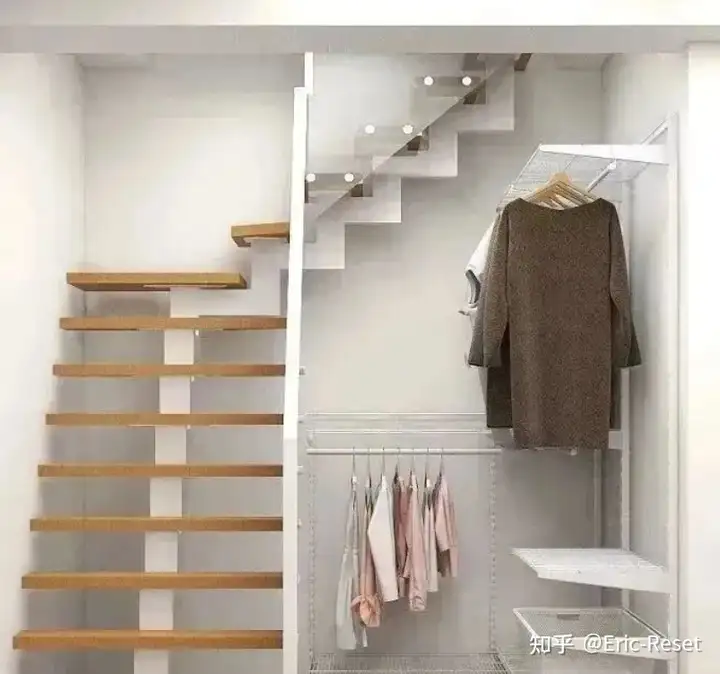
Secondly, they are highly convenient. Installation is straightforward, and the customization process is faster—wooden wardrobes typically take 30-60 days, while metal ones allow real-time adjustments. They adapt to irregular walls, and usage is efficient with visible hanging areas that improve organization. Hanging and drawer zones can be freely combined and adjusted seasonally. Additionally, metal wardrobes are free from formaldehyde concerns.

image

However, for your first home renovation, avoid metal wardrobes! Common materials include stainless steel, aluminum alloy, and low-carbon steel.

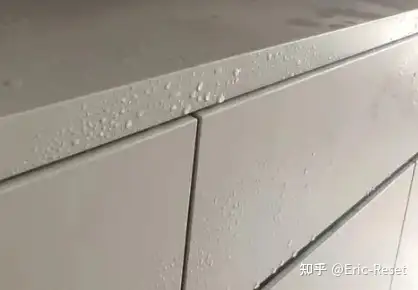
Condensation is a major issue, especially in humid southern regions. During damp seasons, water droplets form on brackets and baskets, potentially damaging clothing and causing frustration.

image

Dust accumulation is another problem due to the lack of doors. With open windows, clothes quickly gather dust, exacerbating issues during sandstorms. Adding doors or curtains increases costs for tracks, fabrics, and installation.

Moreover, installation often requires drilling into load-bearing walls for stability, which is irreversible and risks structural safety. Avoid altering load-bearing walls whenever possible.

Other drawbacks include pests like cockroaches, sharp burrs, and a cheap appearance. While metal wardrobes may evolve, current designs and materials fall short for home use. Opt for wooden wardrobes with quality panels and trusted brands for greater satisfaction.

Custom Wardrobe Selection Guide: Emphasizing Implementation Quality and Color Coordination for Home Renovation and Interior Design

Recently, a friend was working on home renovation and shared his experience with custom wardrobes. After compiling his insights, I found there are many common pitfalls in the process. Here is a brief summary for reference.

custom wardrobe image

The most critical factor in choosing a custom wardrobe brand is the implementation phase. Design drawings are generally simple and ideas are similar, but the execution directly determines the final quality and appearance. Common issues in the market include misaligned cabinet door gaps, rough edge finishing, and surface stains. However, some brands maintain strict quality control with dedicated inspection teams; for instance, a minor error like an incorrect screw can lead to a substantial fine for workers, ensuring high standards.

Pay attention to color coordination for wardrobes, focusing on cabinet door color, floor color, wall color, and door color. It is recommended to visit sample rooms or display areas to gather ideas. If unsure, consider hiring a soft furnishing designer for professional guidance.

Comprehensive Guide to Top Interior Design Styles: Nordic, Modern, Japanese, Industrial, and Minimalist for Home Decoration and Renovation Ideas

Have you ever found it challenging to define your interior design style clearly?

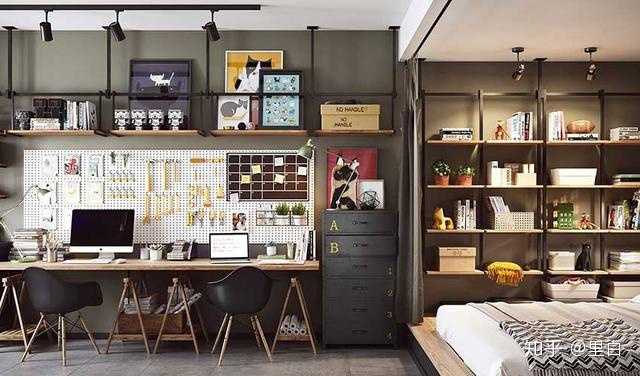
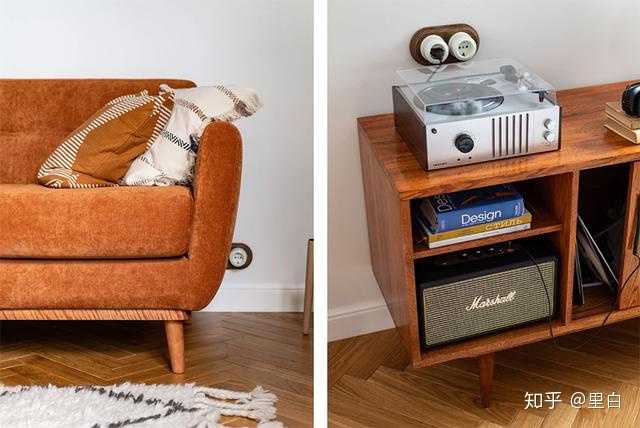
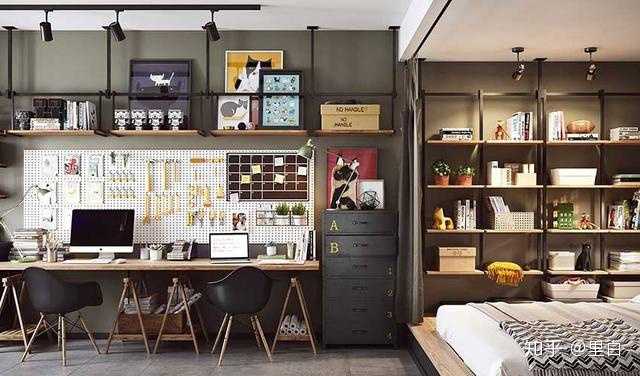
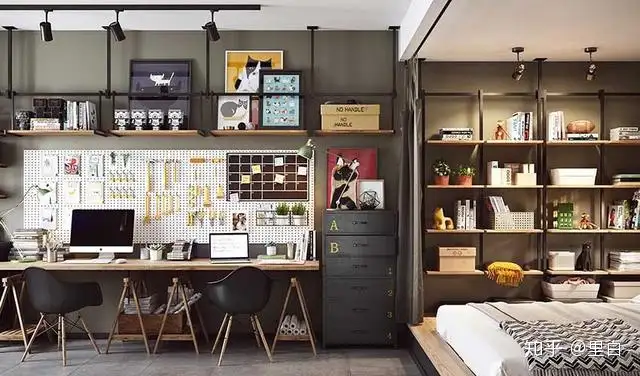
Overhyped ‘styles’ are often difficult to achieve in practical design and renovation due to differences in house structures, furniture choices, and budgets. Most homeowners don’t simply copy a specific style but use elements as references to create a personalized home. For instance, a bachelor apartment in Sichuan blends industrial elements with Nordic influences, showcasing a mixed design approach.

ImageImage

This case from two years ago remains timeless, reflecting the owner’s personality. Common styles include Nordic, modern, Japanese, minimalist, industrial, Chinese, and American, with the top five being Nordic, modern, Japanese, minimalist, and industrial.

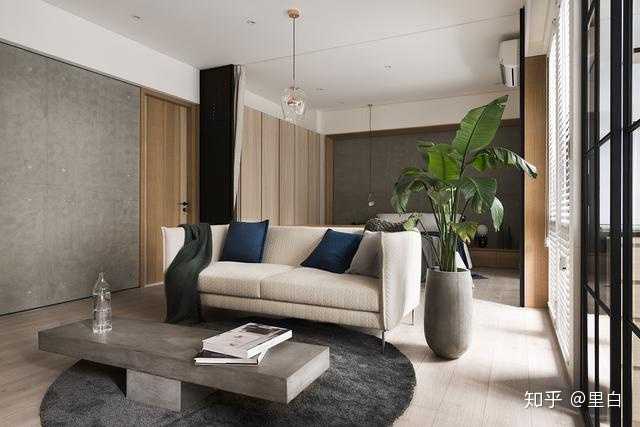
1. Nordic Style: Nordic design embraces decoration but prioritizes economy and practicality. For example, chairs and lamps are valued only where needed, not for decorative corners. Common color schemes include wood tones, neutrals, neutrals with cool colors, neutrals with bright accents, and cool shades. Natural light and ventilation are crucial for comfort.

ImageImage

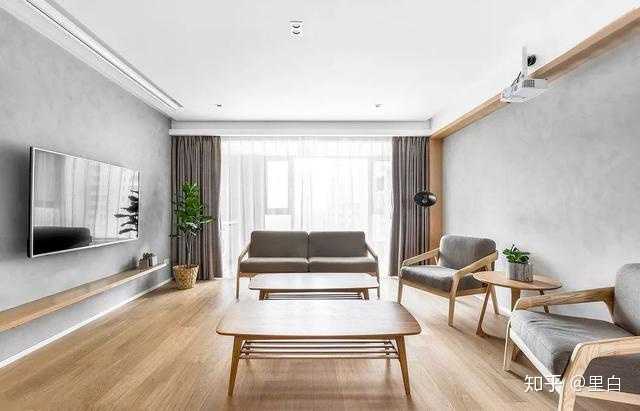
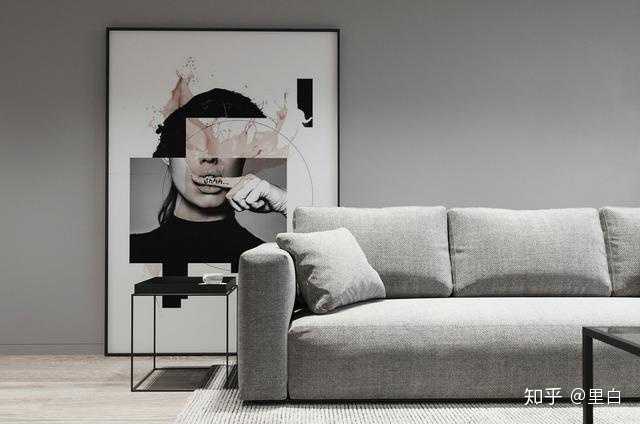
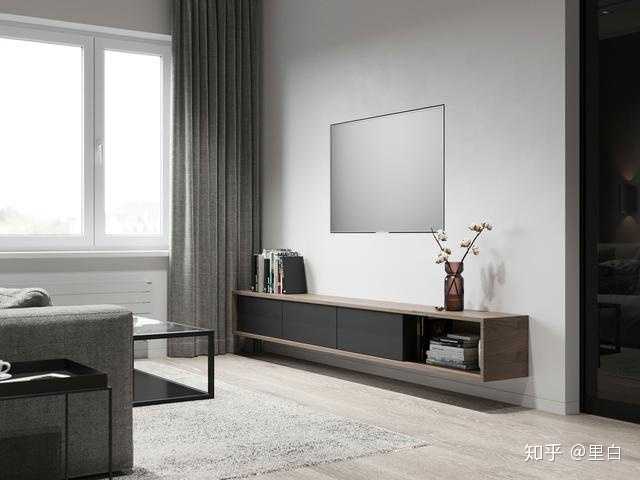
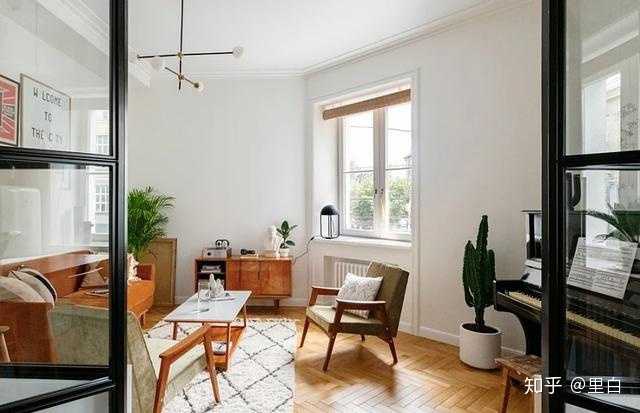
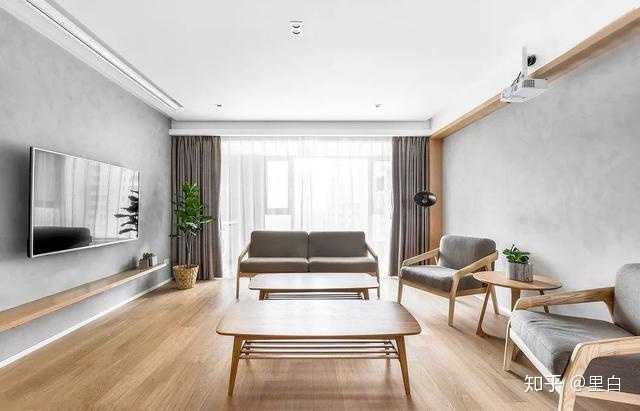
2. Modern Style: Also known as functionalism, modern design focuses on space utility. It features clean lines, minimal decor, and essential items, with materials ranging from simple to versatile. Visual comfort and unity are key, often using fabric sofas and streamlined furniture.

ImageImage

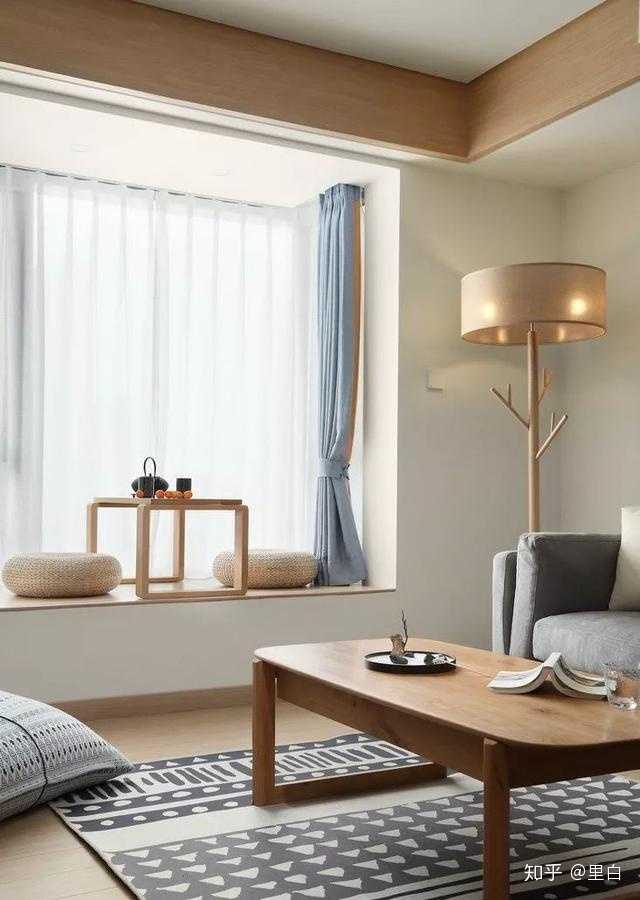
3. Japanese Style: Pure Japanese style is rare; most prefer modern interpretations like MUJI. Emphasis is on privacy, ventilation, light, and layout, with strong spatial order and storage solutions. Furniture is low, wooden, and devoid of excess decor, using natural materials like rattan, cotton, and linen. Tatami mats are common for multifunctional use.

ImageImage

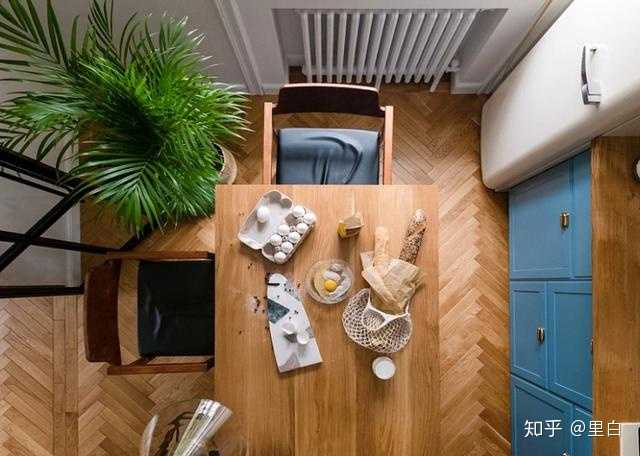
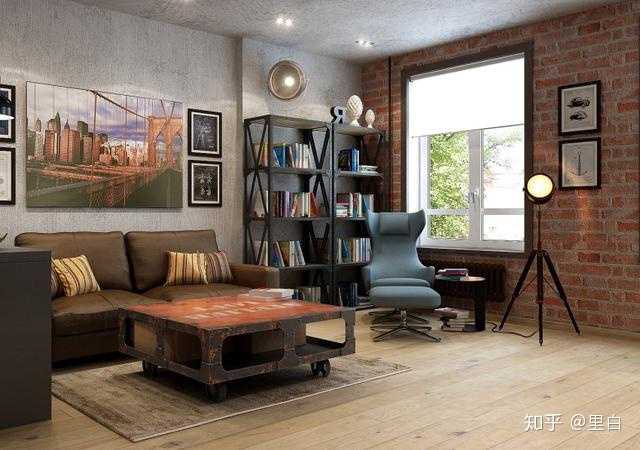
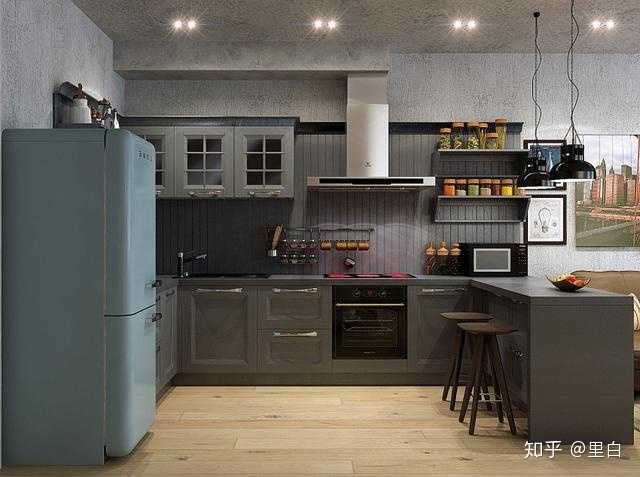
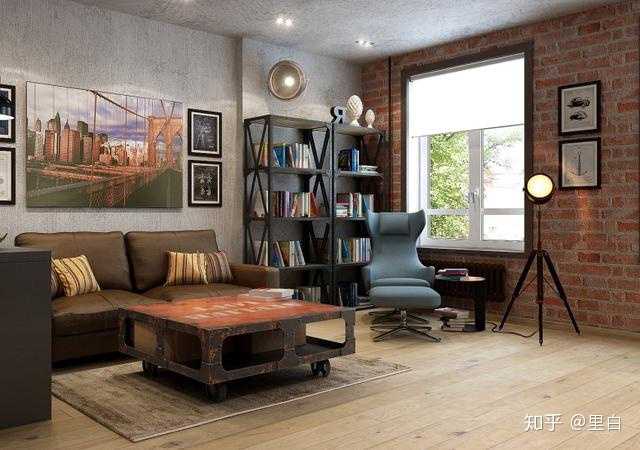
4. Industrial Style: Key points include retro elements, industrial materials, and adaptability beyond lofts. A Russian small-space example features cement textures, brick walls, metal tables, leather sofas, and black iron furniture, with glass partitions for light and openness.

ImageImage

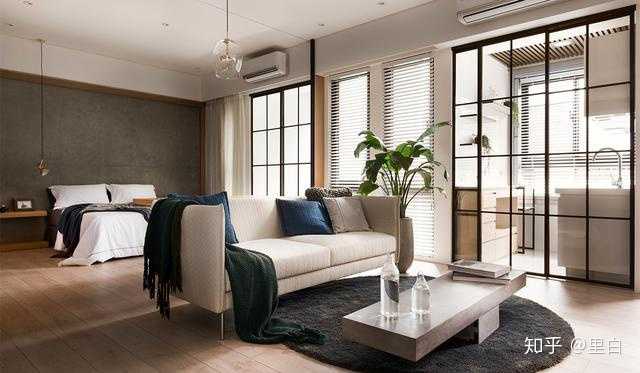
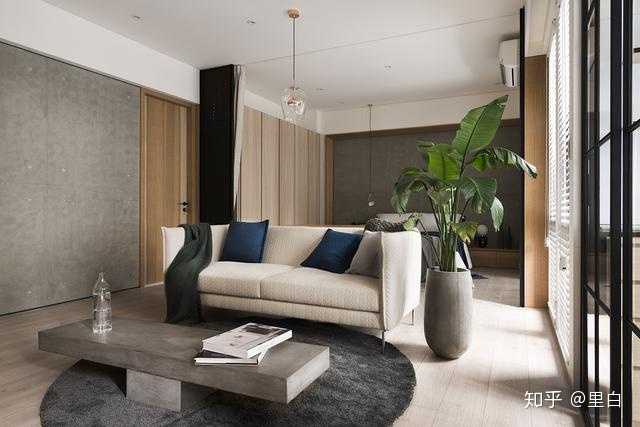
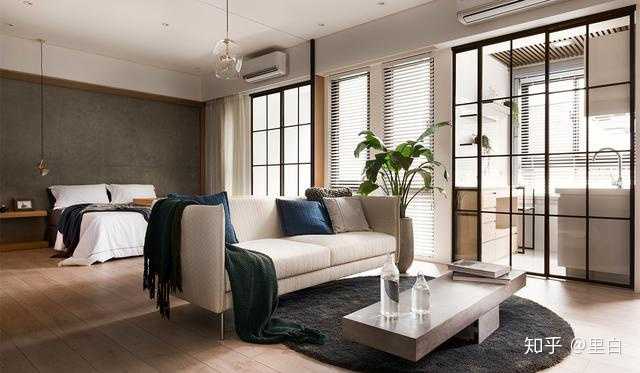
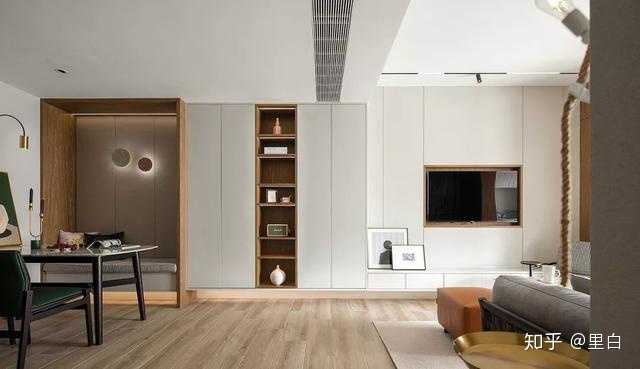
5. Minimalist Style: Originating in mid-20th century America, minimalism removes unnecessary decor, using clean lines and geometric shapes. Colors are coordinated to enhance space perception. Hard elements are simple, with concealed wiring and fixtures for a clutter-free look, emphasizing functionality and visual purity.

ImageImage

Innovative 125sqm Apartment Renovation for Couples: Custom Bedroom, Walk-in Closet, and Shared Spaces Design Focused on Present Lifestyle and Comfort

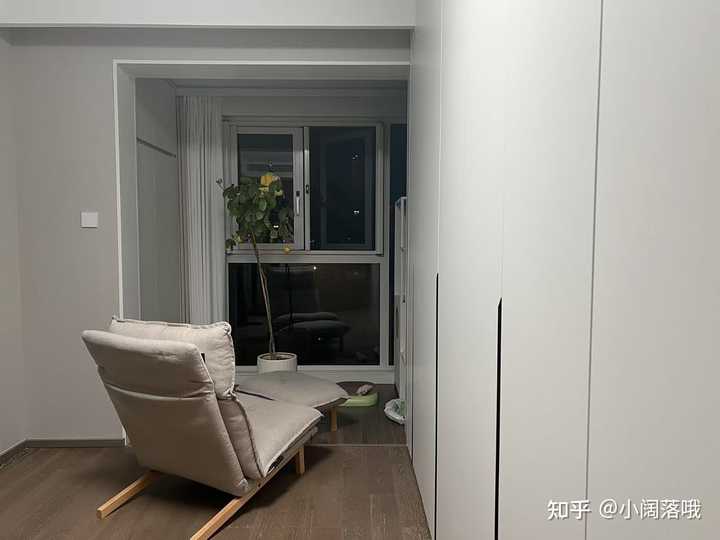
Our home renovation showcases a unique style that prioritizes the comfort and lifestyle of a couple, defying traditional norms. At first glance, it seems ordinary, but a closer look reveals unconventional choices that surprise everyone.

Master Bedroom

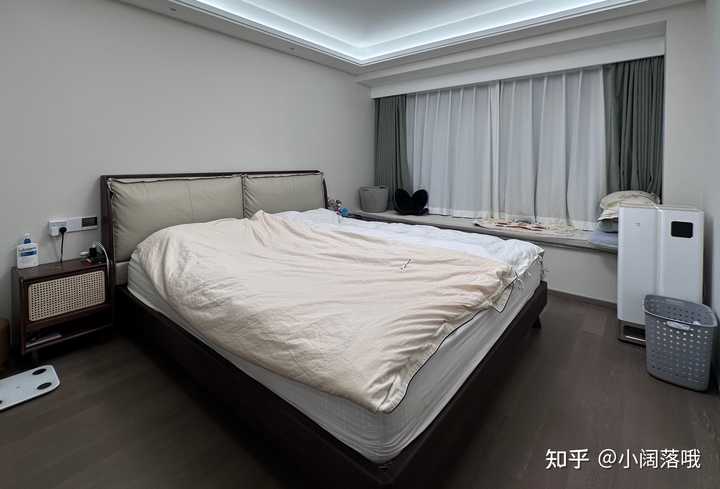
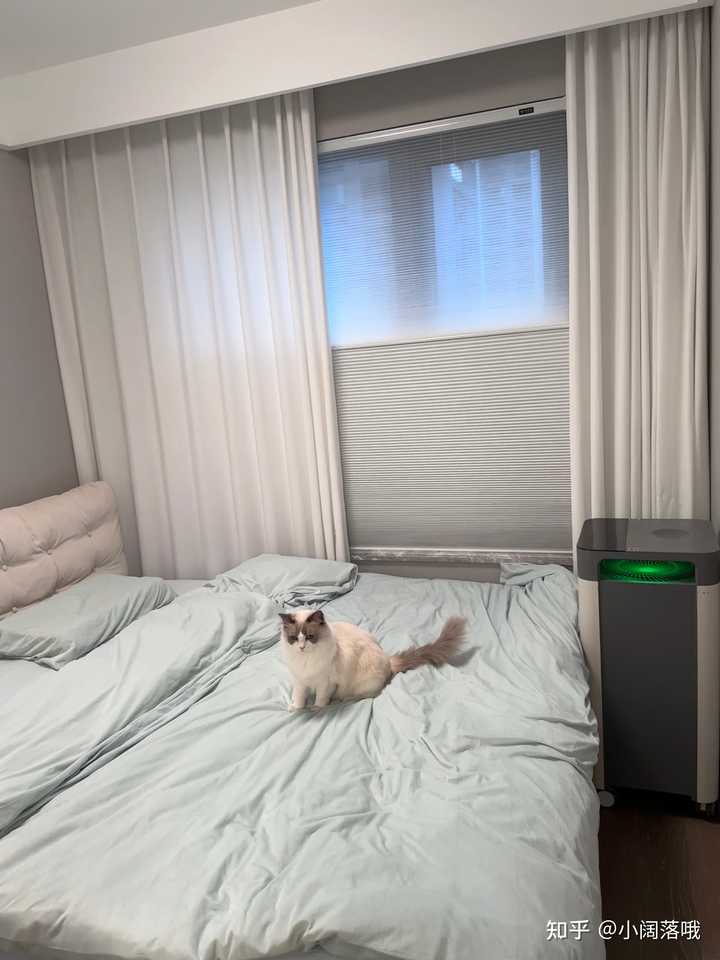
The master bedroom features an extra-large 2m x 2.2m bed with no cabinets or dressing table, dedicated solely to rest and intimacy.

Walk-in Closet

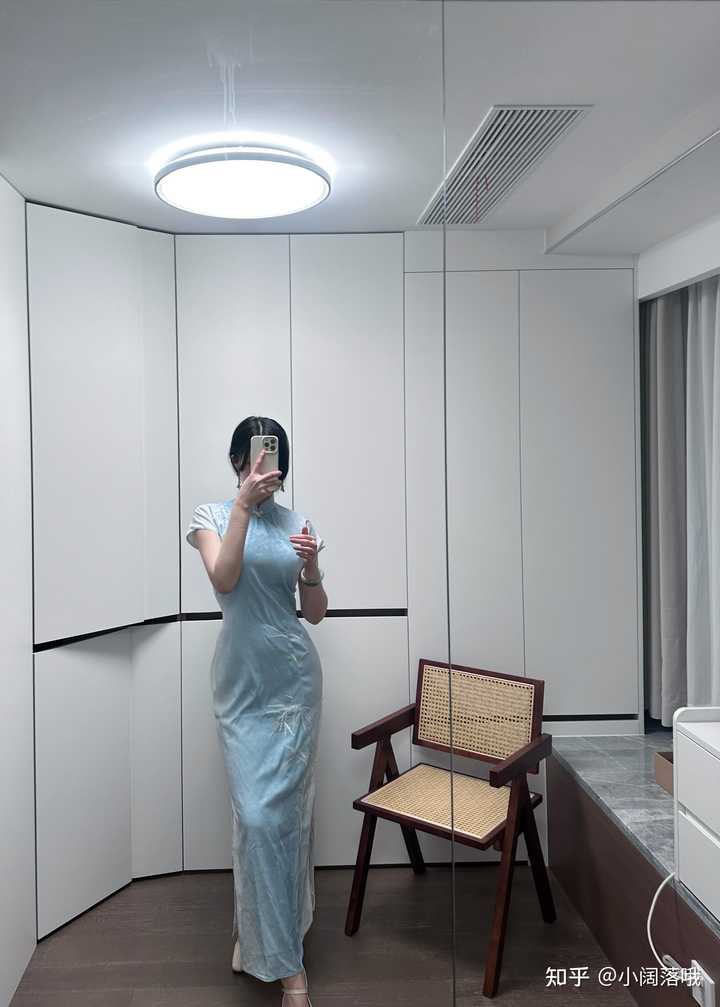
We transformed the study room into a spacious walk-in closet with a full-wall mirror and a custom-height dressing table for effortless grooming.

Home Office

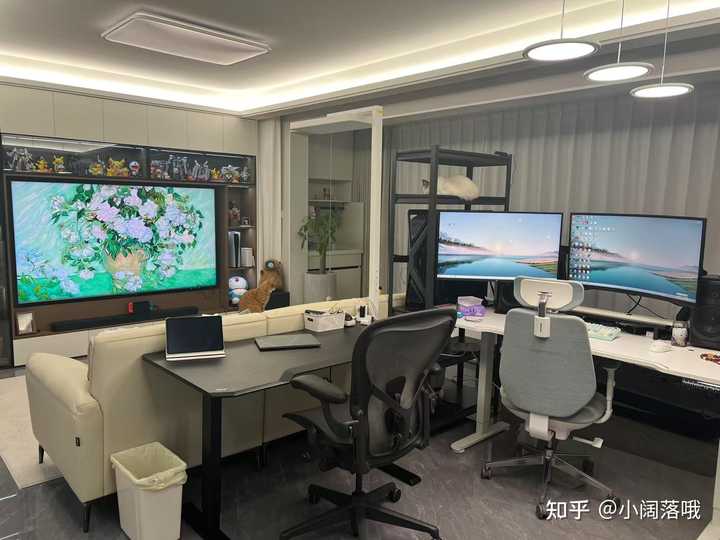
The largest secondary bedroom was converted into a home office with a 3-meter-long desk and extensive storage, emphasizing productivity and shared activities.

Dining Area as Office

Due to delays, the dining area temporarily serves as an office space, fostering togetherness even during work or leisure.

Guest Room

The small guest room fits a full-sized double bed to ensure comfort for visiting couples, with minimal furniture for a cozy stay.

Living Room Entertainment

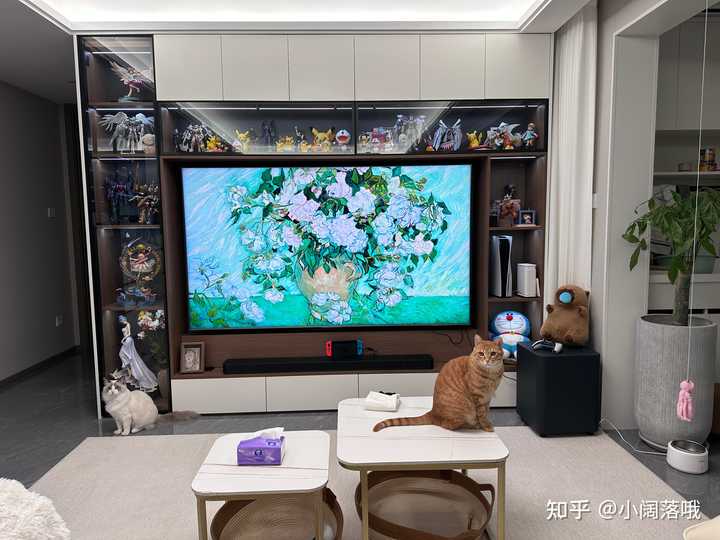
The living area includes entertainment setups like PS, NS, and audio systems, reflecting a focus on shared hobbies and relaxation.

This design philosophy centers on living in the present, optimizing for the next 5-7 years without sacrificing current happiness for uncertain future needs.

Complete Guide to Essential Interior Design Styles: Scandinavian, Modern, Japanese, Industrial, and Minimalist for Home Decoration and Renovation

Have you ever found it challenging to clearly define a specific interior design style? Overhyped ‘styles’ are often difficult to achieve in real-world design and renovation due to variations in house structures, furniture choices, and budgets. In practice, few homeowners copy a style directly; instead, they use preferred styles as references, blending elements to create a personalized living space. For example, a single apartment in Sichuan combines industrial elements with Nordic influences, showcasing a mixed design approach.

Mixed design exampleMixed design example

This case, though from two years ago, remains timeless and reflects the owner’s personality. Common design styles include Nordic, Modern, Japanese, Minimalist, Industrial, Chinese, and American, with the first five being enduring favorites in the design world.

1. Nordic Style

Nordic design emphasizes economy and practicality without rejecting decoration. It focuses on functional items like chairs and lighting only where needed, avoiding purely ceremonial elements. Common color schemes feature wood tones, neutrals, neutrals combined with cool or bright colors, and cool palettes. Nordics prioritize natural lighting and ventilation, as these are crucial for comfort, even over stylistic choices.

Nordic style exampleNordic style example

2. Modern Style

Also known as functionalism, modern style focuses on space functionality with simple shapes, no excess decoration, and essential items only. Material choices are versatile and not overly flashy. It offers visual comfort and a unified aesthetic, often incorporating fabric sofas and streamlined furniture.

Modern style exampleModern style example

3. Japanese Style

Pure Japanese style is rare; most prefer modern interpretations like Muji. It prioritizes ventilation, lighting, and layout privacy, differing from Nordic open plans. Japanese design emphasizes strong spatial awareness, efficient storage, and utilization, creating a calm, restrained atmosphere. Furniture is typically low, wooden, and devoid of excess decoration, using natural materials like rattan, cotton, and linen for an ‘original’ feel. Tatami is a key element, offering not just aesthetics but also multifunctional storage, especially in small spaces.

Japanese style exampleJapanese style example

4. Industrial Style

Industrial style highlights retro features, showcases age, and utilizes industrial materials like cement, brick, and metal. It is not limited to lofts and avoids刻意追求 ‘unfinished’ looks. For instance, a Russian small apartment rural industrial design incorporates cement-textured paints, rough brick walls, weathered metal tables, brown leather sofas, and black iron furniture. A standout feature is the use of transparent glass and curtains in sleep areas to allow unobstructed light and maintain an open view.

Industrial style exampleIndustrial style example

5. Minimalist Style

Originating in mid-20th century America, minimalist design removes unnecessary decorations and techniques, pursuing extreme simplicity with clean lines and geometric shapes. Color schemes require components to complement each other for a unified look, often enhancing the sense of space. Hard elements are straightforward, with pre-installed wiring and clutter-free layouts. For example, walls may use advanced gray and white, with soft furnishings in matching tones like white, gray, and accents such as dark green chairs. Furniture is simple, without extra decor, and spaces like balconies can be converted into functional tatami for storage.

Minimalist style exampleMinimalist style example

Minimalism may seem effortless, but it involves hidden efforts for visual and living comfort, such as pre-buried wires in TV cabinets, not just for photos.

We are a very complete car parts, 95% of the basic accessories can be found

×
WhatsApp WhatsApp contact me online