
Complete Guide to Interior Design Styles: Modern, Minimalist, Scandinavian, Industrial, and More for Home Decoration and SEO Optimization
Interior design styles are a direct expression of the homeowner’s aesthetics and lifestyle attitudes, as well as an affirmation of future living ways.
From the simple and sleek modern style to the ancient charm of new Chinese style, different styles赋予空间以独特气质 to meet the diverse imaginations of people’s ideal lives.
We have summarized the following interior design styles and their characteristics:
Modern style is one of the most popular choices today.
It takes “less is more” as the core, abandoning redundant decorations, and focusing on the transparency and practicality of space.
Design often uses straight lines, light colors as the main tone, paired with classic color schemes like black, white, and gray. Furniture choices are simple and smooth, commonly using materials like glass, metal, and fabric to enhance texture.
This style is especially suitable for small apartments, maximizing space utilization and creating a fresh, tidy living atmosphere, aligning with the pursuit of simple life in a fast-paced world.


Chinese style is a concrete expression of Chinese culture in space, not limited to complex woodwork but focusing more on the creation of atmosphere.
Its基调多取温润的木色, serene indigo, and elegant beige, with solid wood furniture as the backbone, elements like carved grilles, moon gates, and display shelves are arranged intermittently, showing a古朴质感 while leaving enough breathing space. In soft furnishings, ink wash paintings, celadon ornaments, and linen fabrics complement each other, occasionally accented with a touch of vermilion or bright yellow to instantly enliven the space.
It never seeks visual impact but uses clever ideas like “blank space” and “symmetry” to outline a从容 of “one step, one scene.”
In such a space, one can touch the warmth of tradition and showcase modern people’s yearning for the tranquil life of the ancients, fully displaying the elegance and poetry of Eastern life. Overall, the cost is higher and not suitable for small spaces or ordinary working-class people.
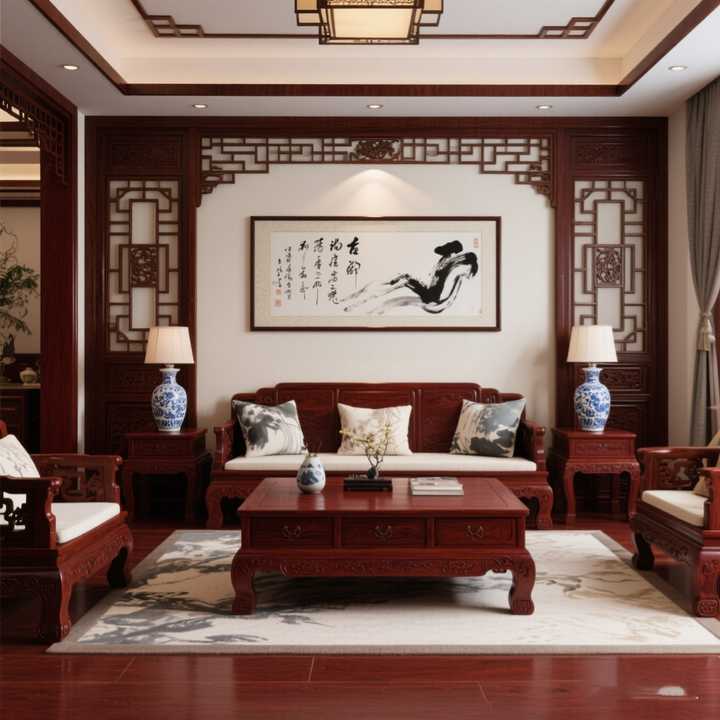
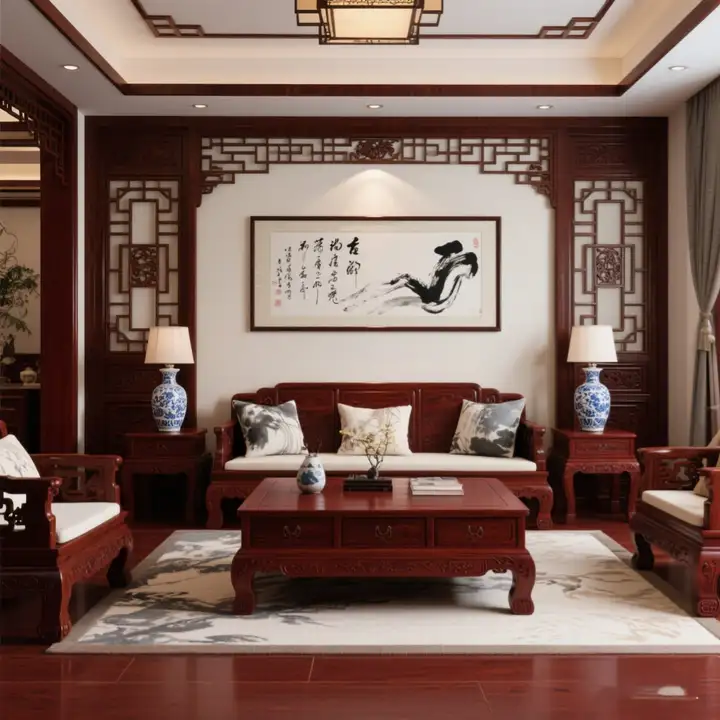
New Chinese style is a clever fusion of tradition and modernity, and a first choice for many people.
It jumps out of the complexity and heaviness of traditional Chinese style, retaining the essence of Chinese elements like ink paintings, screens, and mortise and tenon structures, while integrating the comfort and convenience of modern design.
Colors are mostly based on wood tones and beige, accented with traditional colors like red and blue. Symmetrical layouts are common in space, paired with Zen-like green plants and tea sets, creating a tranquil and far-reaching Eastern charm.
Whether it’s elders who love traditional culture or young people pursuing an elegant life, everyone can find something they love in a new Chinese style space. Commercial spaces are often applied in mid to high-end places like tea restaurants.
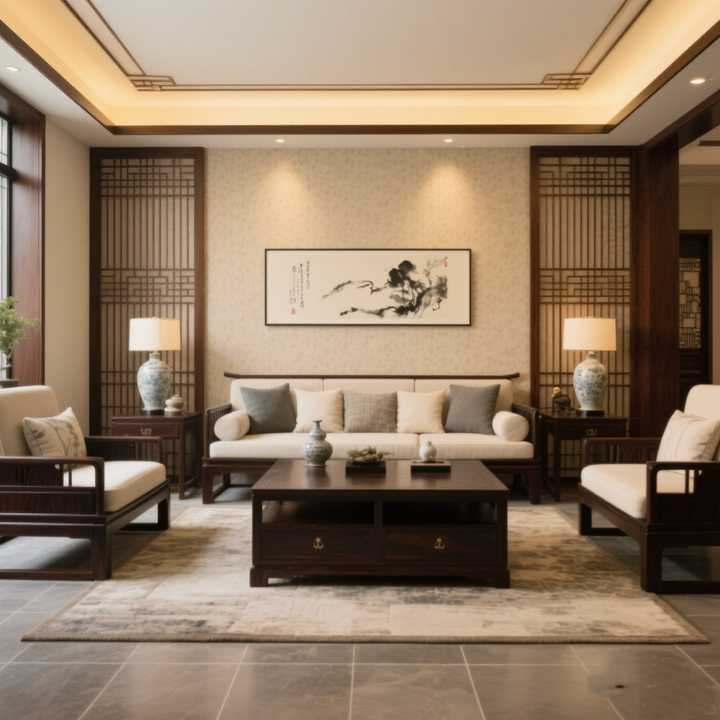
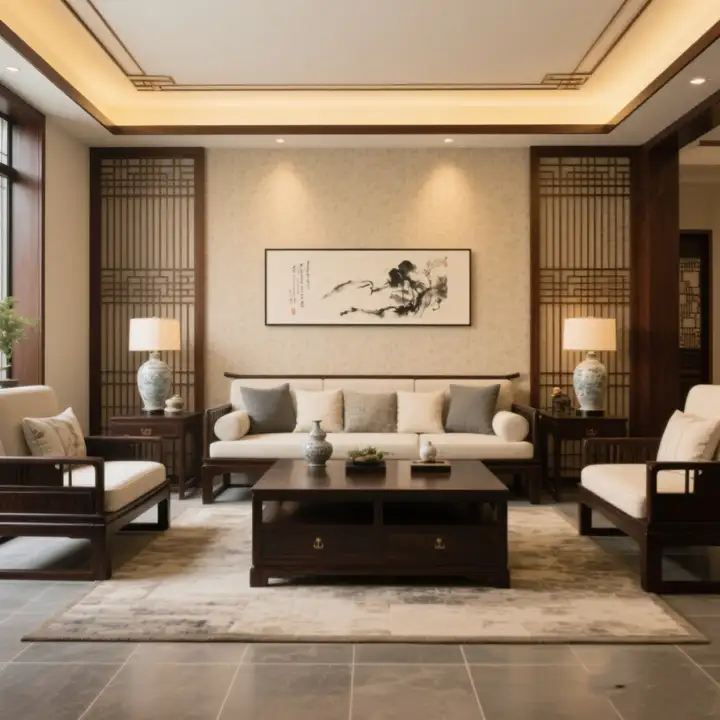
European style is based on classical aesthetics, cleverly blending romance and solemnity, making it a flowing artistic poem in space.
Its core lies in the extreme carving of details, with石膏线勾勒的墙面层次分明, columns and carved handrails replicating the elegant rhythm of palaces, as if freezing the refinement of the Renaissance period at home.
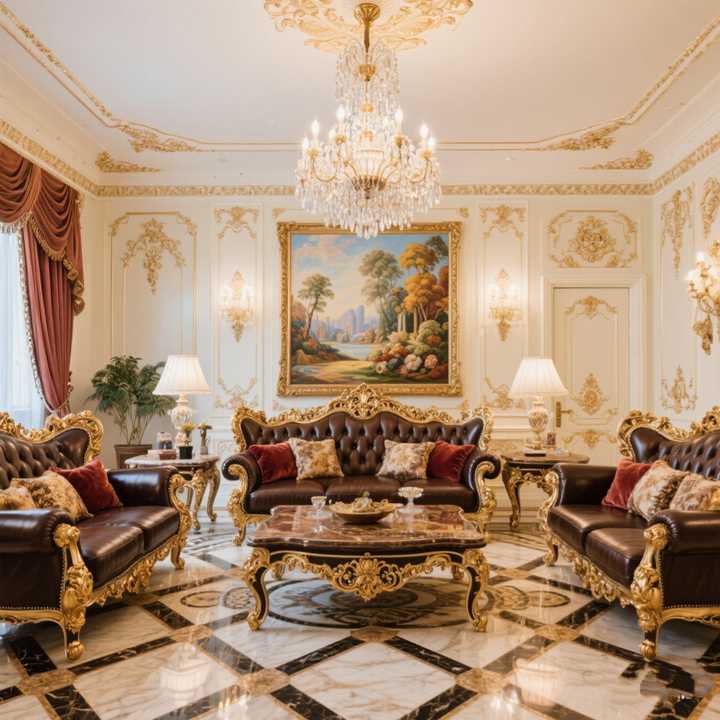
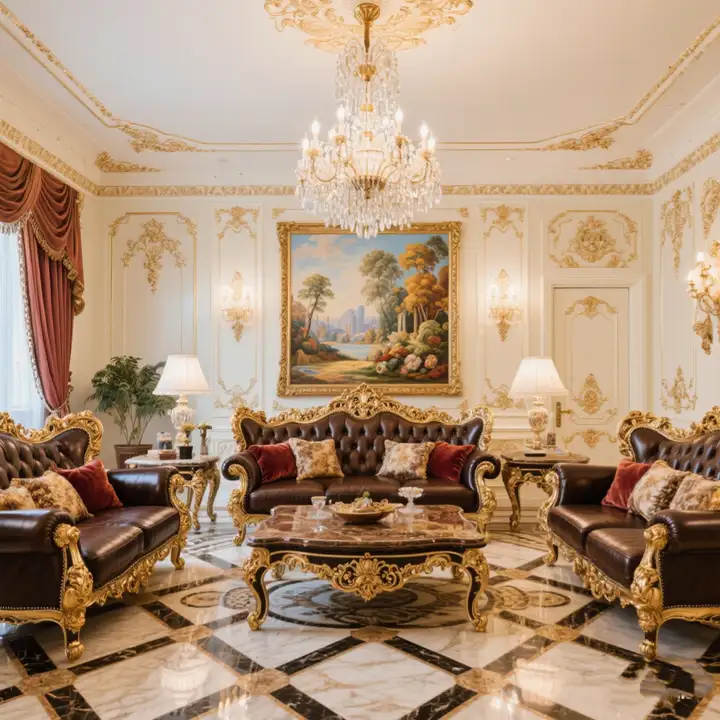
Colors often use warm tones like beige, light gold, and soft pink, paired with the sparkling light of crystal chandeliers or the warm glow of复古铜灯, creating a soft and luxurious atmosphere.
Today’s European style tends to be more simplified, weakening complex patterns while retaining the essence of classic elements, making elegance less heavy and more adaptable to the comfort needs of modern living, becoming a timeless aesthetic choice.
Simplified European decoration style is not only popular in interior decoration but also widely applied in the exterior design of self-built villas across China.
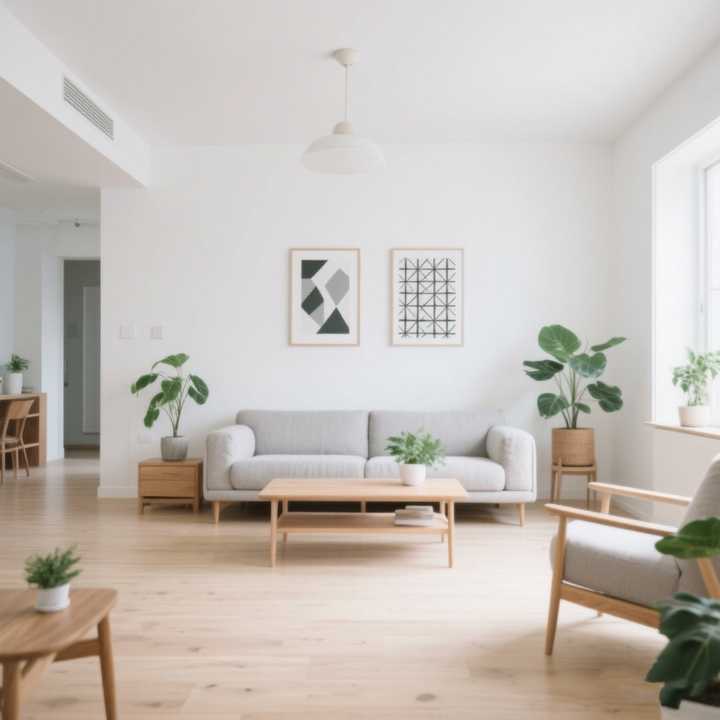
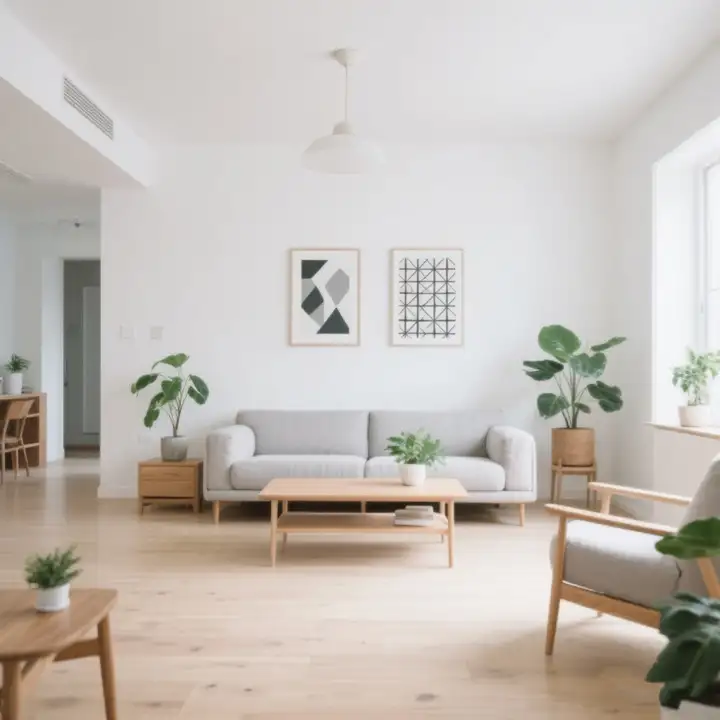
Scandinavian style comes with a “healing sense,” originating from the Scandinavian Peninsula, with nature and warmth as keywords.
Design emphasizes connection with nature,大量运用原木家具展现自然纹理, walls are mostly white or light colors, paired with soft carpets, knitted pillows, and other fabric soft furnishings, then adding vitality with green plants and挂画.
Personally, I think it is also close to a minimalist style and is a relatively marketable type of style.
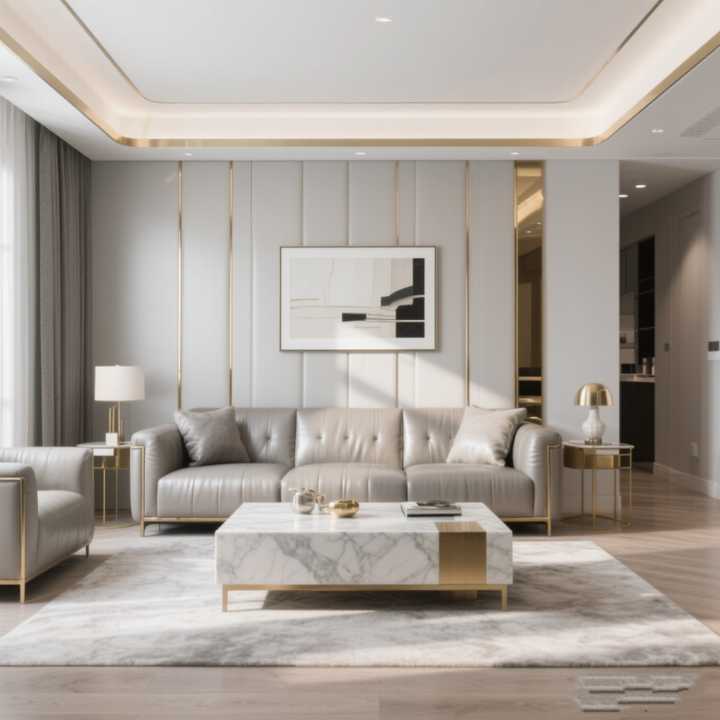
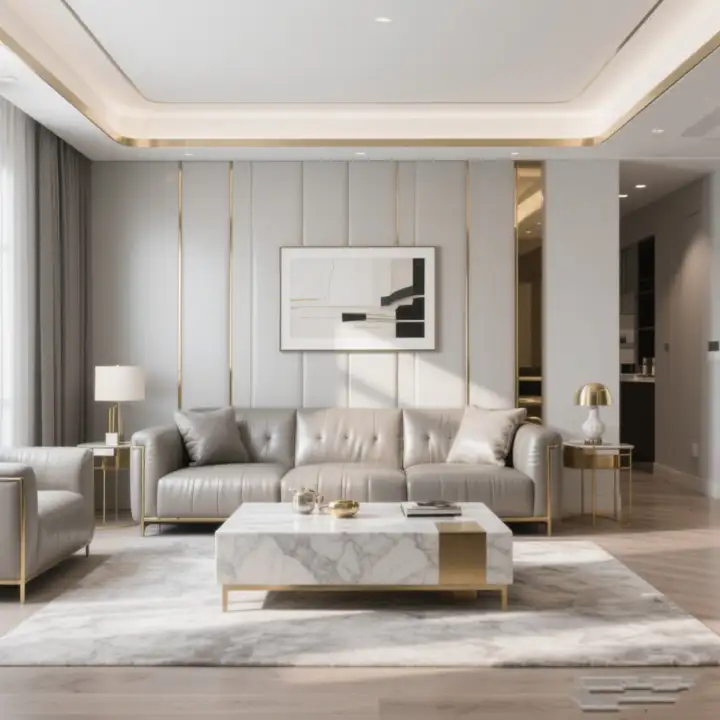
Light luxury style focuses on “understated refinement.” It does not pursue excessive luxury but showcases quality through materials and details.
Common metal elements (such as brass, stainless steel) are used as accents, paired with textured materials like velvet, marble, and leather. Colors are mainly neutral tones (beige, light gray, camel), making the overall space appear高级感 without being too flashy.
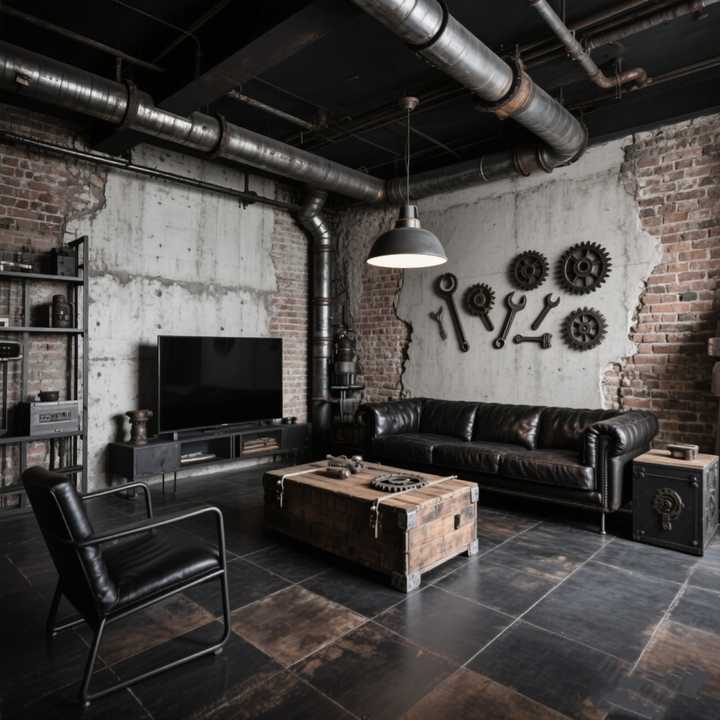
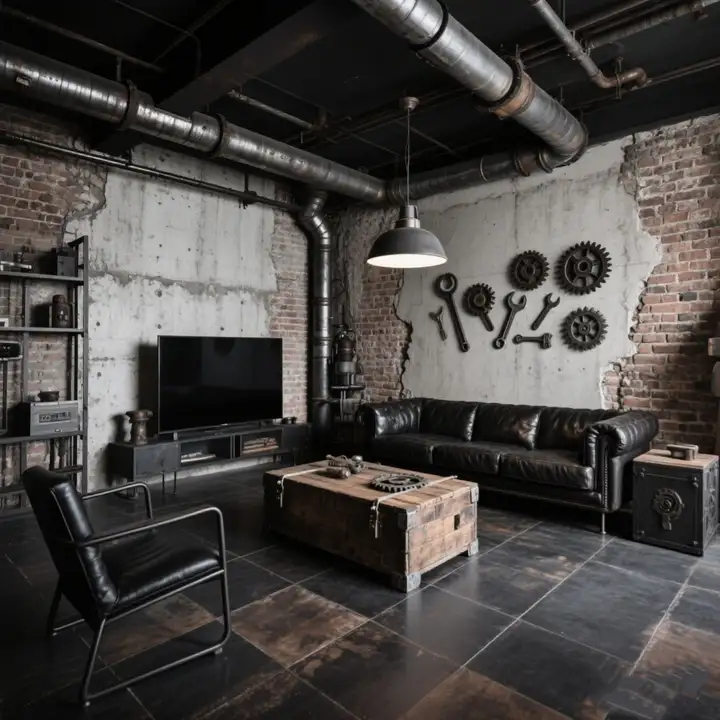
Industrial style is labeled as “rugged and individual,” inspired by old factories and warehouses.
Exposed concrete walls, metal pipes,复古灯具, and leather furniture are its signature elements. Colors are mostly black, brown, and copper, full of a tough复古感,深受艺术从业者,潮流爱好者追捧.
Due to the rugged and hard visual feel, it is only niche in home applications, but it is quite common in commercial spaces, such as in the餐饮类 industry.
American style is divided into classic and modern types. Classic American prefers大气实木家具,复古花纹, and warm tones, creating a stable home feel; modern American simplifies lines, adds fresh colors, and appears lighter, suitable for families pursuing comfort and a lived-in atmosphere.
It was once favored by some corporate middle and senior managers as a symbol of status,风靡一时.
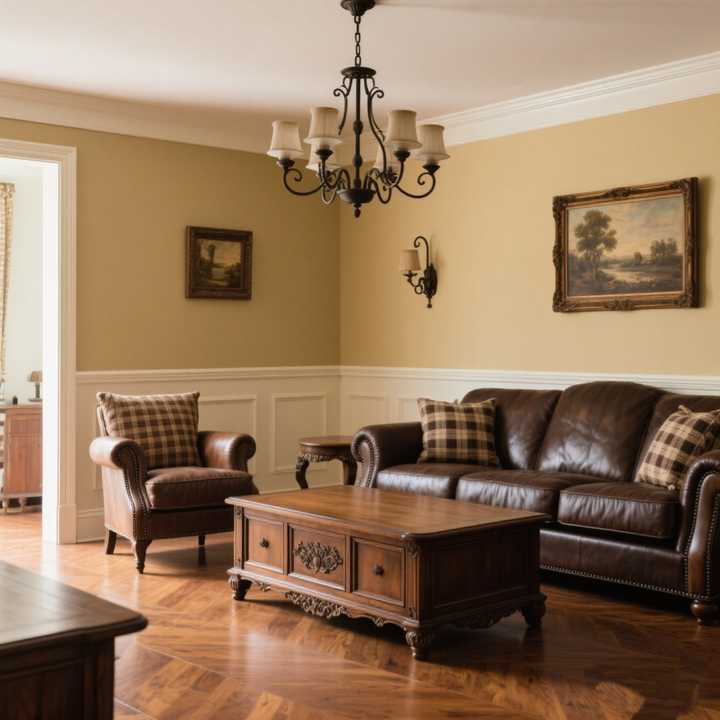
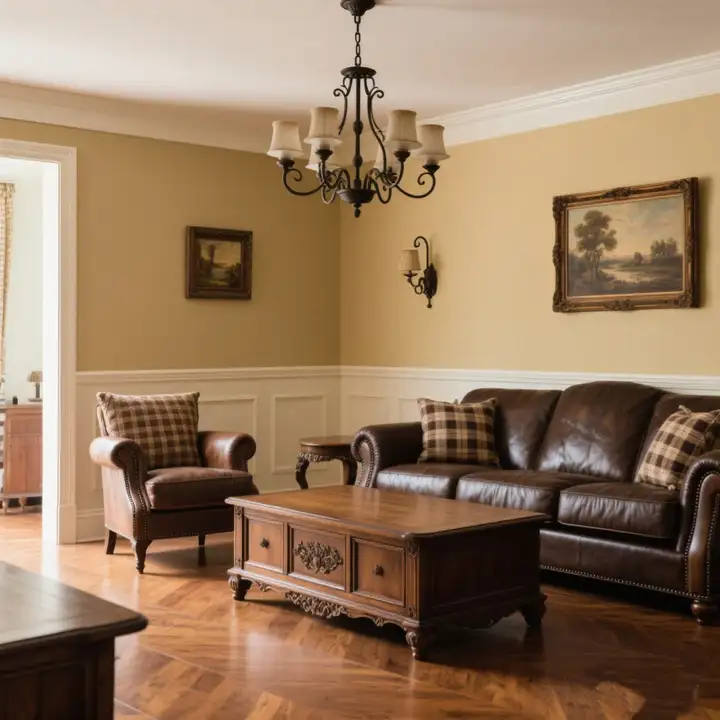
In addition, there are French style, Japanese style, Southeast Asian style, etc.
Choosing a decoration style does not need to be confined to one; nowadays, “mixed style” is also very popular, such as integrating the collision of various style elements, as long as the balance is well grasped, you can create a unique ideal residence.
In the end, there is no “best” decoration style, only the “most suitable” one – a space that fits living habits and personal preferences. Decoration design plans not the functional space but the homeowner’s future lifestyle.
 WhatsApp contact me online