• 0

    No products in the cart.

Comprehensive Guide to Popular Interior Design Styles: Nordic, Modern, Japanese, Minimalist, and Industrial Trends for Home Decoration and SEO Optimization

Have you ever found it challenging to define a specific interior design style? Overhyped styles are often difficult to implement in real-life scenarios due to variations in house structures, furniture choices, and budgets. Rarely do homeowners copy a style exactly; instead, they blend elements from different styles to create personalized spaces. For example, a bachelor apartment in Sichuan combines industrial and Nordic influences, resulting in a mixed design approach.

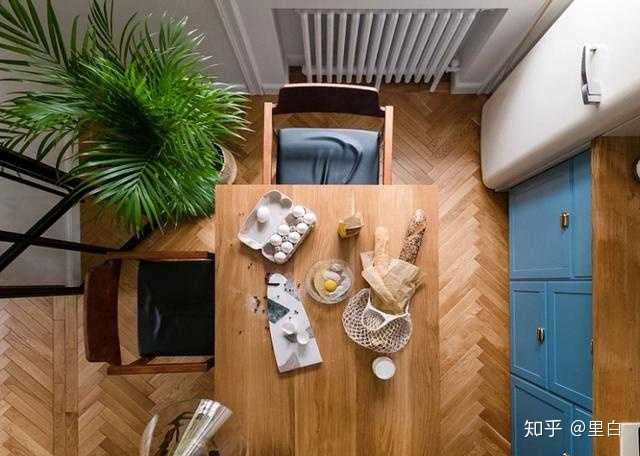
Mixed design example

Common and enduring design styles include Nordic, Modern, Japanese, Minimalist, and Industrial. These styles serve as references for creating functional and aesthetic homes.

Nordic Style

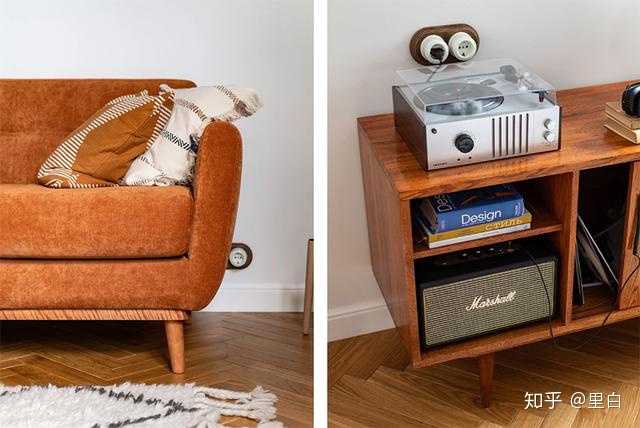
Nordic design focuses on economy and practicality, emphasizing natural light and ventilation. Common color schemes include wood tones, neutrals, and cool colors.

Nordic style example

Modern Style

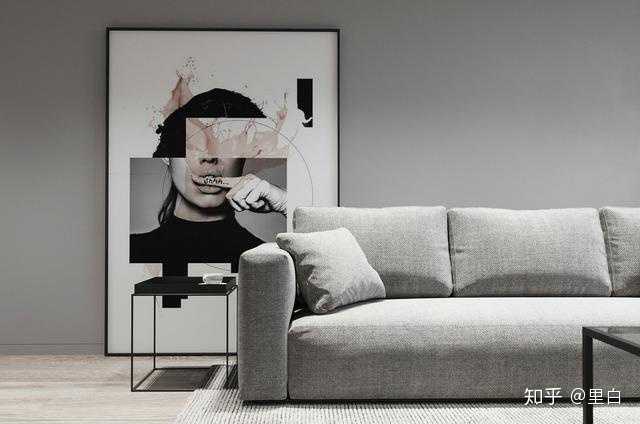
Modern design, also known as functionalism, prioritizes space utility with clean lines, minimal decor, and materials like fabric sofas and simple furniture.
Modern style example

Japanese Style

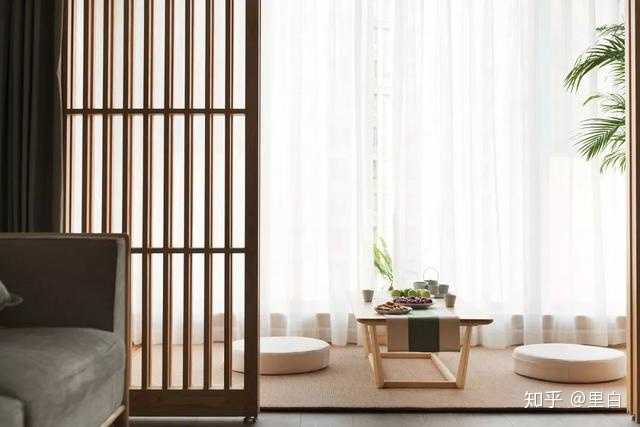
Japanese interiors emphasize privacy, organization, and natural materials such as wood, bamboo, and cotton. Tatami mats are common for multifunctional use and storage.
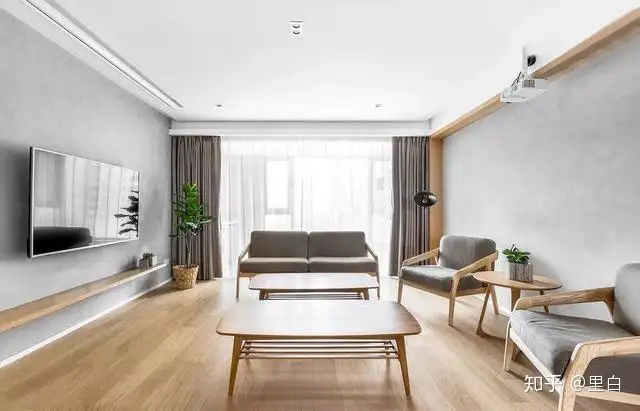
Japanese style example

Industrial Style

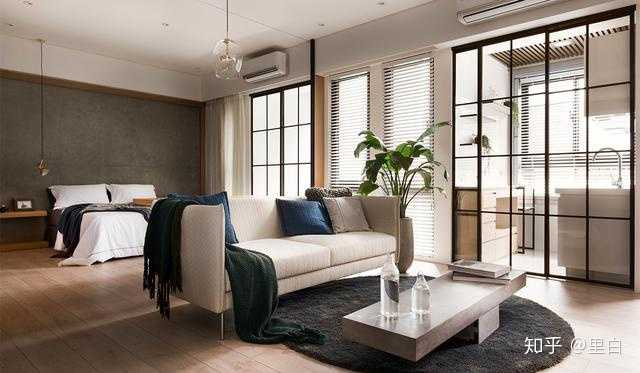
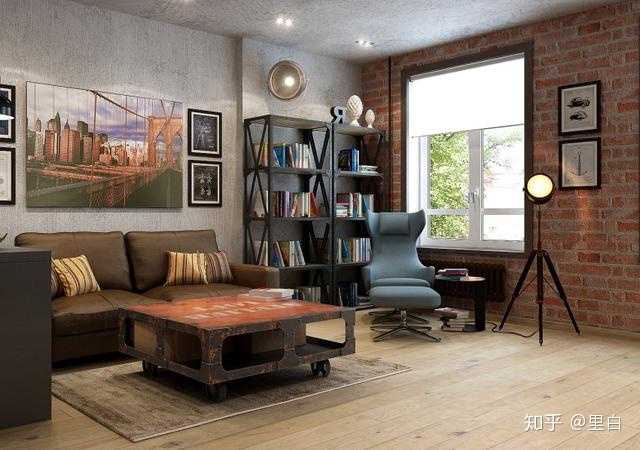
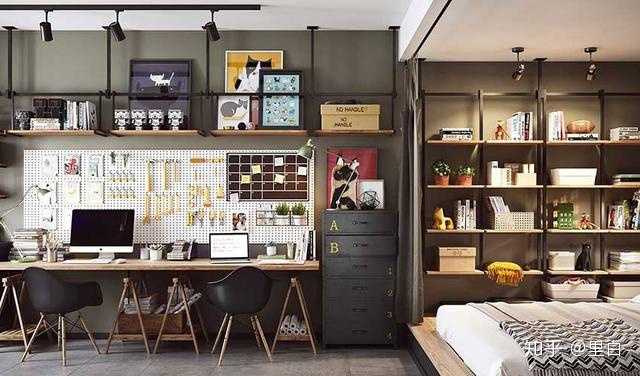
Industrial design highlights retro elements and raw materials like concrete, brick, and metal. It is not limited to lofts and can incorporate open layouts with glass partitions.

Industrial style example

Minimalist Style

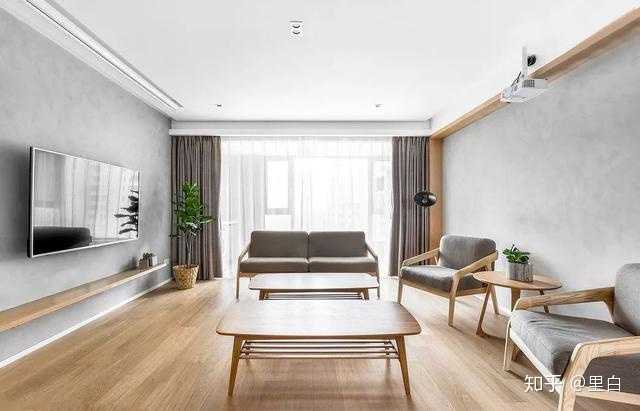
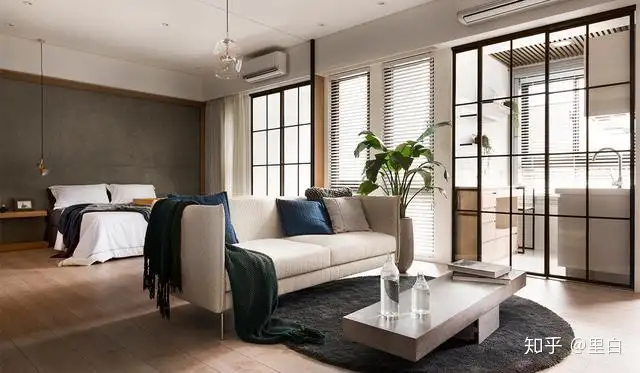
Minimalism removes unnecessary decorations, focusing on simple lines, geometric shapes, and cohesive color palettes to create spacious and orderly environments.

Minimalist style example

By integrating these styles, homeowners can achieve balanced and timeless interiors that reflect their personalities and needs.
Comprehensive Guide to Popular Interior Design Styles: Nordic, Modern, Japanese, Minimalist, and Industrial for Home Decoration and Renovation Tips

Have you ever found it difficult to define a specific interior design style clearly?

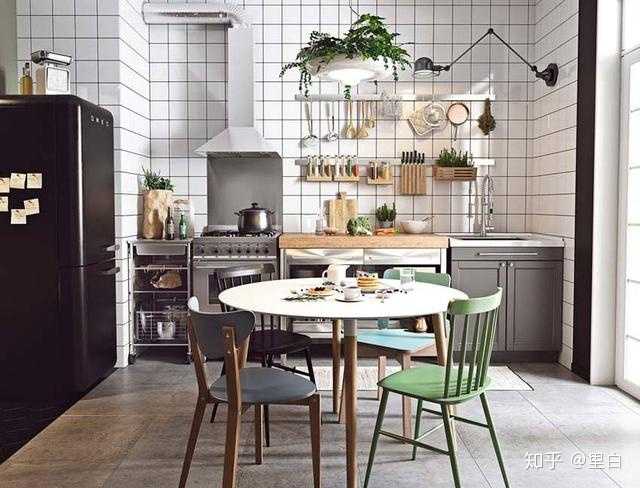
Overhyped ‘styles’ are challenging to achieve in actual design and renovation due to variations in house structures, furniture choices, and budgets. Do people really decorate by copying a style exactly? In reality, hardly anyone does! Homeowners often use preferred styles as general references, incorporating elements to create a personalized home. For example, this single apartment in Sichuan combines industrial touches with Nordic influences, showcasing a typical mixed design approach.

Mixed Design ExampleInterior View

This case from two years ago remains timeless and reflective of the owner’s personality. Let’s outline common styles: Nordic, Modern, Japanese, Minimalist, Industrial, Chinese, and American, with the first five being design classics.

1. Nordic Style: Nordic design embraces decoration but prioritizes economy and practicality. For instance, Nordics value chairs and lamps where needed, avoiding overly ceremonial setups.

Nordic Design

Common color schemes include wood tones, neutrals, neutrals with cool or bright colors, and cool shades. Nordics emphasize natural light and ventilation, crucial for comfort.

Nordic Lighting

2. Modern Style: Also known as functionalism, it focuses on space functionality with simple shapes, no excess decor, and versatile materials. Often features fabric sofas and sleek furniture.

Modern Interior

3. Japanese Style: Pure Japanese style is rare; most prefer modern interpretations like Muji. It emphasizes privacy, ventilation, light, and layout, with strong spatial order and storage solutions.

Japanese Design

Furniture is low, wooden, and minimalist, using natural materials like rattan, cotton, and hemp. Tatami mats are common for storage and multi-function use.

Tatami Example

4. Industrial Style: Key aspects include retro elements, industrial materials, and adaptability beyond lofts. Features concrete, brick, metal, leather sofas, and iron furniture.

Industrial Design

5. Minimalist Style: Originating in mid-20th century America, it removes unnecessary decor, using clean lines and geometric shapes. Colors harmonize to enlarge space visually.

Minimalist Example

Hardware is simple, with hidden wires for a clutter-free environment, embodying minimalism’s essence.

We are a very complete car parts, 95% of the basic accessories can be found

×
WhatsApp WhatsApp contact me online