
• 0

    No products in the cart.

6 Tiles to Avoid in Home Renovation: Expert Tips on Choosing the Right Flooring for Kitchens, Bathrooms, and Living Spaces – Learn from Common Mistakes

Tiles are a major material in home renovation, directly impacting the aesthetics and comfort of a space. Even for kitchens, bathrooms, and balconies, careful selection is essential to avoid costly mistakes.

image

In the building materials market, tiles can be a tricky area with huge price variations, leading many families to regret their choices. This article summarizes six types of tiles to avoid, based on real-life experiences and pitfalls.

1. Avoid Black/Dark Gray Tiles: While black and gray are often associated with luxury in home design, they can make spaces feel oppressive and gloomy. For example, using them in bathrooms or living areas may reduce comfort and happiness.

imageimage

2. Avoid Matte Tiles: Matte tiles, a type of antique-style tile, have a rough surface with noticeable texture, offering good slip resistance and no light pollution. However, they tend to trap dirt and are extremely difficult to clean, making maintenance a hassle.

image

3. Avoid Soft-Polished Tiles: Soft-polished tiles are often confused with soft-gloss tiles. The former have a slightly rough surface due to polishing, making them prone to staining and hard to maintain. In contrast, soft-gloss tiles have a smoother finish and are easier to clean.
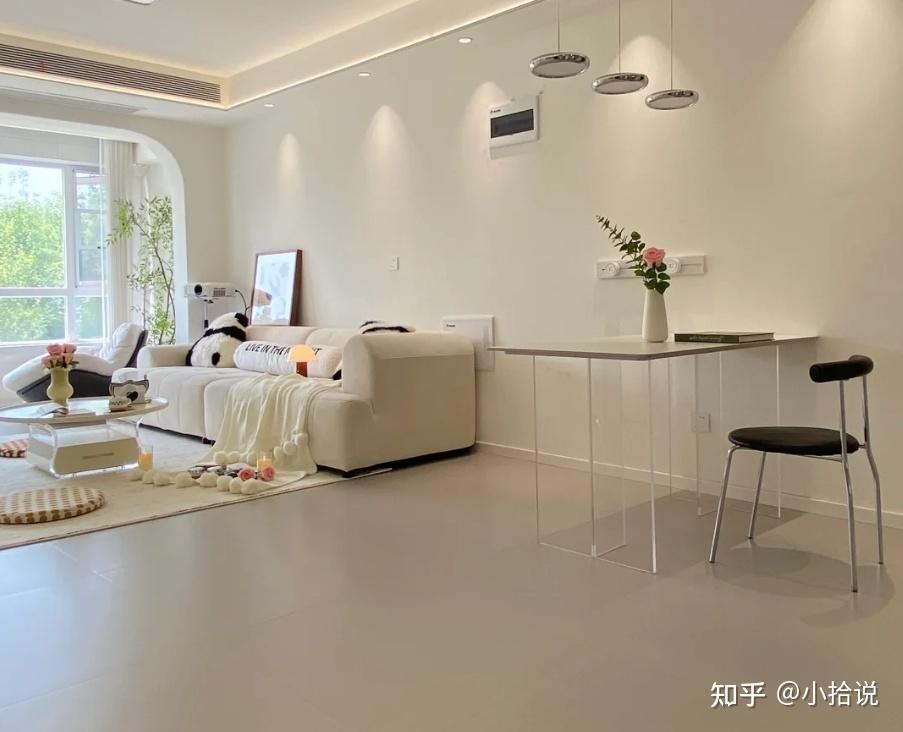
image

4. Avoid Oversized Tiles: Large-format tiles like 600×1200 or 900×1800 may seem luxurious, but they are not cost-effective for small spaces. Once furniture is placed, the visual impact diminishes, and 800×800 tiles often offer better value.

image

5. Avoid Non-Continuous Pattern Tiles: Textured tiles can enhance aesthetics, but if the patterns do not align seamlessly across multiple tiles, the result can look awkward and disjointed. Always check for continuous patterns before installation.
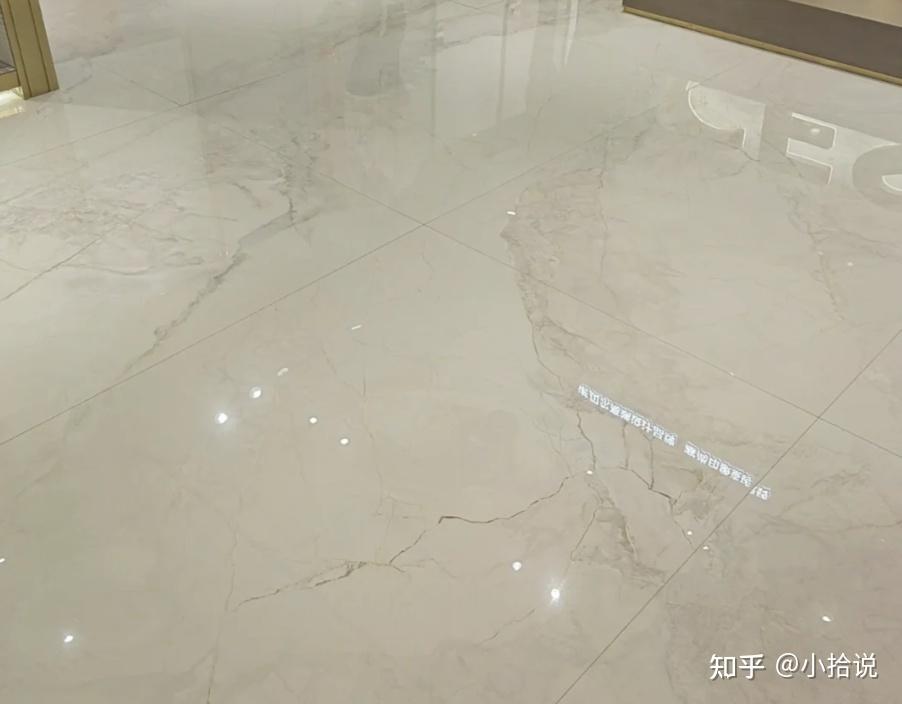
image

6. Avoid Wood-Look Tiles with Texture: Wood-look tiles mimic the warmth of wood but avoid those with pronounced textures, as they accumulate dirt and are challenging to clean. Opt for smooth surfaces instead.

image

In summary, focus on practical tile choices, supervise installation, and consider reputable brands to ensure quality and avoid regrets.

Top 5 Tile Selection Mistakes to Avoid for a Beautiful and Durable Home Flooring: Expert Tips on Gray Tiles, Water Absorption, and More

1. Do not blindly follow trends; choose gray tiles carefully.

In recent years, gray tiles have become very popular and are the first choice for many households. However, gray tiles are not suitable for all home environments. If your room has poor lighting, using large areas of gray tiles may make the space feel more oppressive and lack the warm atmosphere of a home.

2. Avoid tiles with water absorption that is too low or too high.

Water absorption is a key indicator of tile performance. Generally, the water absorption of household tiles should be maintained between 0.5% and 10%. Tiles with high water absorption can easily lead to wall seepage and mold issues, while tiles with low water absorption may cause problems during installation, such as hollowing or falling off. Therefore, when selecting tiles, always pay attention to the water absorption index.

3. Steer clear of overly irregular tiles.

Although small patterned tiles or mosaic tiles have visual appeal, they come with practical drawbacks. First, irregular tiles have more seams, which accumulate dust and dirt, making cleaning difficult. Second, the installation cost for irregular tiles is usually much higher than for standard tiles. Finally, over the long term, irregular tiles are less visually durable than conventional ones. Thus, when choosing tiles, prioritize standard sizes for better durability and timeless appeal.

4. Do not blindly pursue large-format tiles.

Large-format tiles can create a grand visual effect, but they often come with a higher price tag. Additionally, installing large-format tiles is more challenging and may require adhesives or other materials, increasing costs and potential environmental concerns. Therefore, select tile sizes based on actual needs and budget constraints.

5. Avoid tiles with overly complex patterns.

Tiles with intricate patterns can enhance aesthetic appeal but may cause visual fatigue over time. To maintain a fresh and comfortable space, opt for solid colors or simple patterns. Moreover, when selecting patterned tiles, avoid using the same version repeatedly; instead, mix different versions for a more natural and beautiful wall appearance.

By following these “five don’ts” principles for tile selection, you can save unnecessary expenses and avoid being misled by unscrupulous sellers. These guidelines also help create a more attractive, comfortable, and long-lasting home environment.

We are a very complete car parts, 95% of the basic accessories can be found

×
WhatsApp WhatsApp contact me online