
Comprehensive Guide to Popular Interior Design Styles: Modern Minimalist, Chinese Traditional, European Classic, French Elegant, American Casual, Light Luxury, and IKEA Functional
Modern simplicity can be divided into modern style and minimalist style. Modern style pursues trends and emphasizes the combination of interior space layout with practicality. Minimalist style focuses on minimalism, attention to detail, and simple elegance.
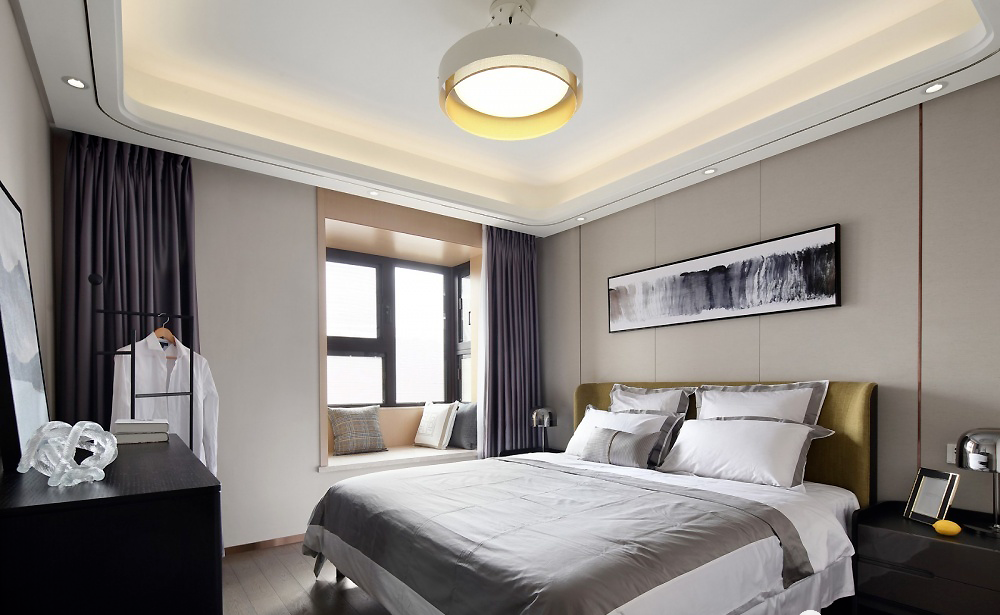
These two styles share many similarities, and their fusion results in the highly popular modern minimalist style, which prioritizes simplicity, functionality, and practicality, featuring clean shapes and a color palette of black, white, and gray to create a trendy and avant-garde fashion sense.
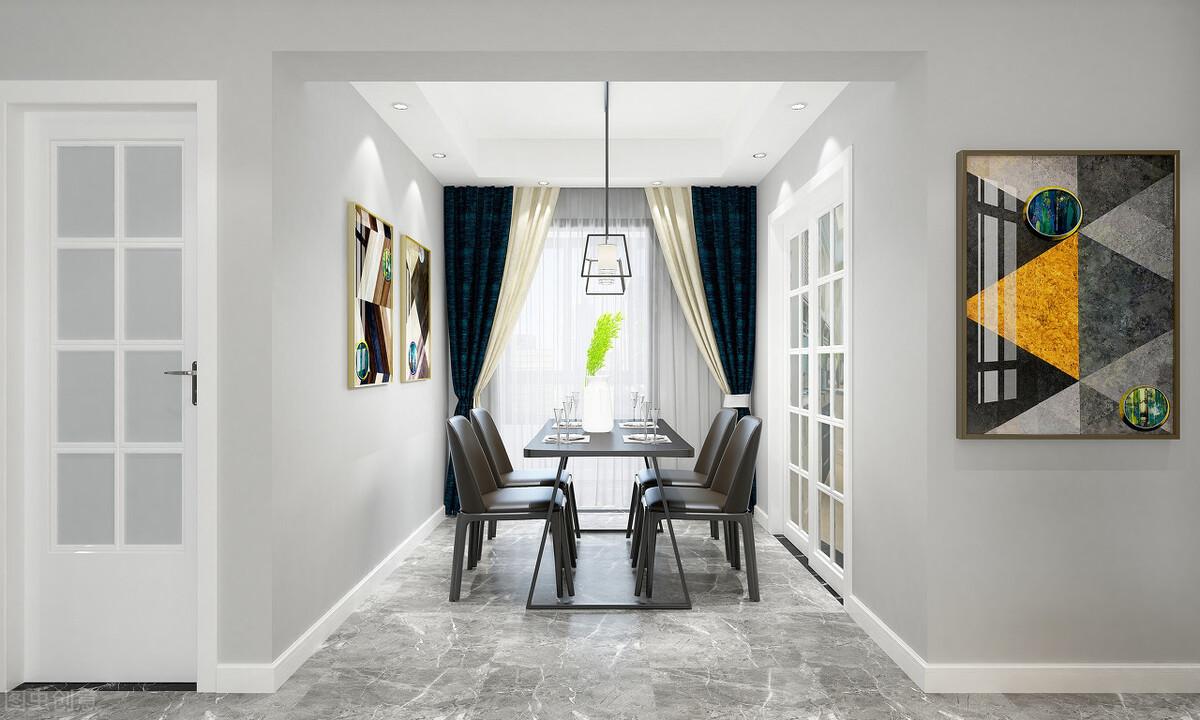
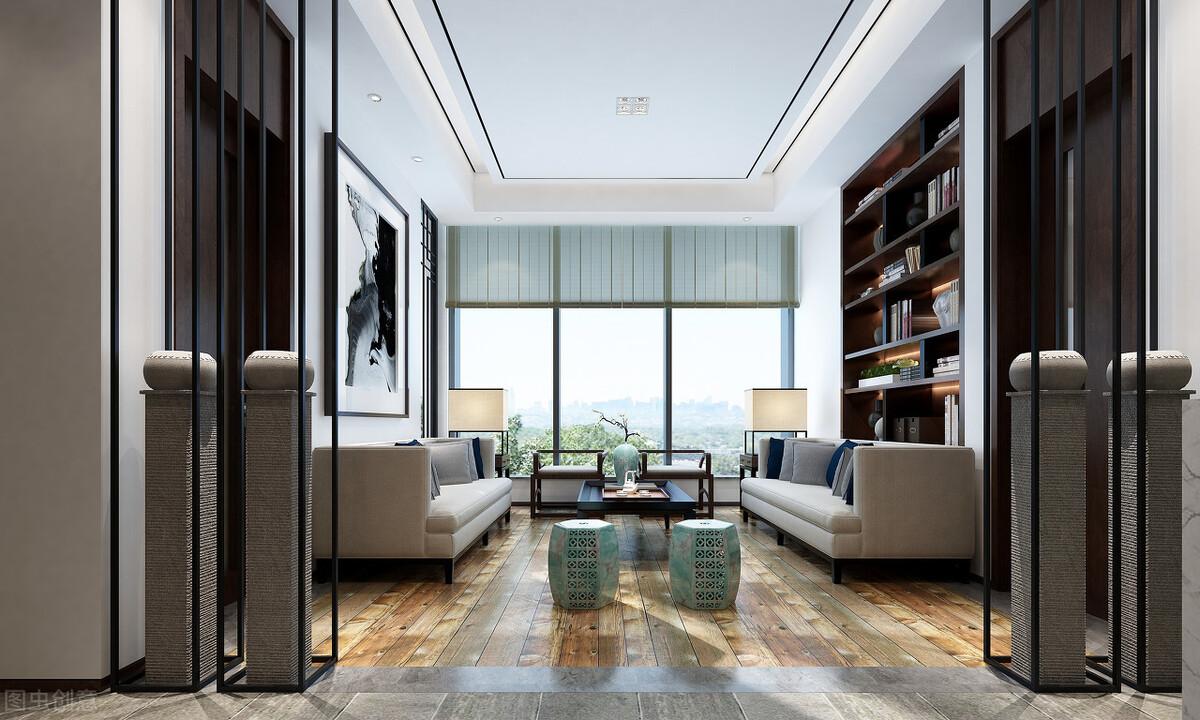
Chinese culture has evolved over five thousand years, with a rich traditional architectural heritage that carefully considers elements like windows, scenery, mountains, and water. Integrating traditional cultural aspects into contemporary settings, it creates interior spaces with traditional charm that meet modern aesthetic demands, allowing traditional art to be appropriately represented in today’s society.
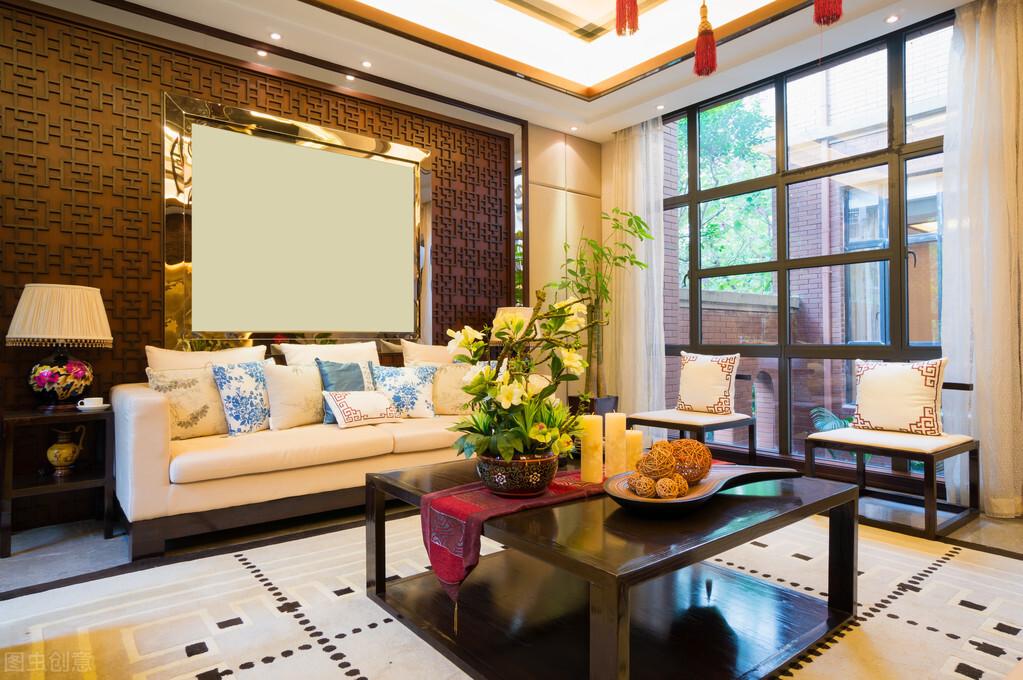
European style represents the entirety of European civilization, including French, Italian, Spanish, British, Mediterranean, and Nordic variations. Originating in Egypt and evolving through Greek, Roman, Byzantine, Romanesque, and Gothic art, it forms the foundation of early European artistic styles. Overall, it conveys a sense of nobility, luxury, and grandeur, reflecting an elegant temperament and romantic quality of life. In China, due to cost and personal preferences, many pure European styles have been refined into the popular simplified European style.
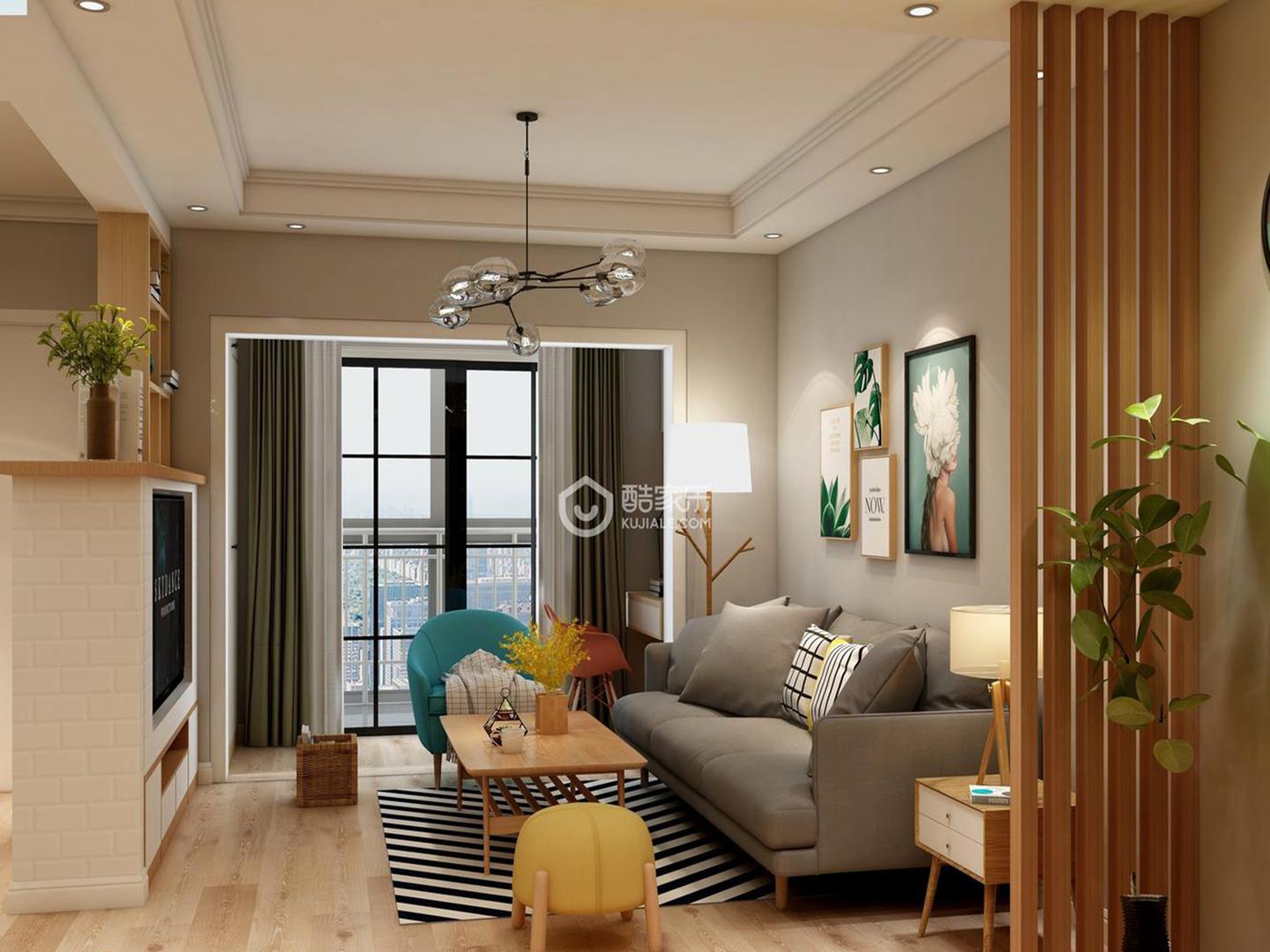
French style refers to the architectural and furniture styles of France, including Baroque, Rococo, Neoclassical, and Empire styles. It is characterized by exquisite craftsmanship, intricate carvings, lines, and striking classical details, exuding a royal and aristocratic feel. Typical pairing principles involve gray-white dining tables and chairs with slight carvings, curved armrests and legs for elegance and expense, combined with white curtains featuring scrolling patterns, crystal chandeliers, floor lamps, and lily vases to evoke a romantic and fresh atmosphere.
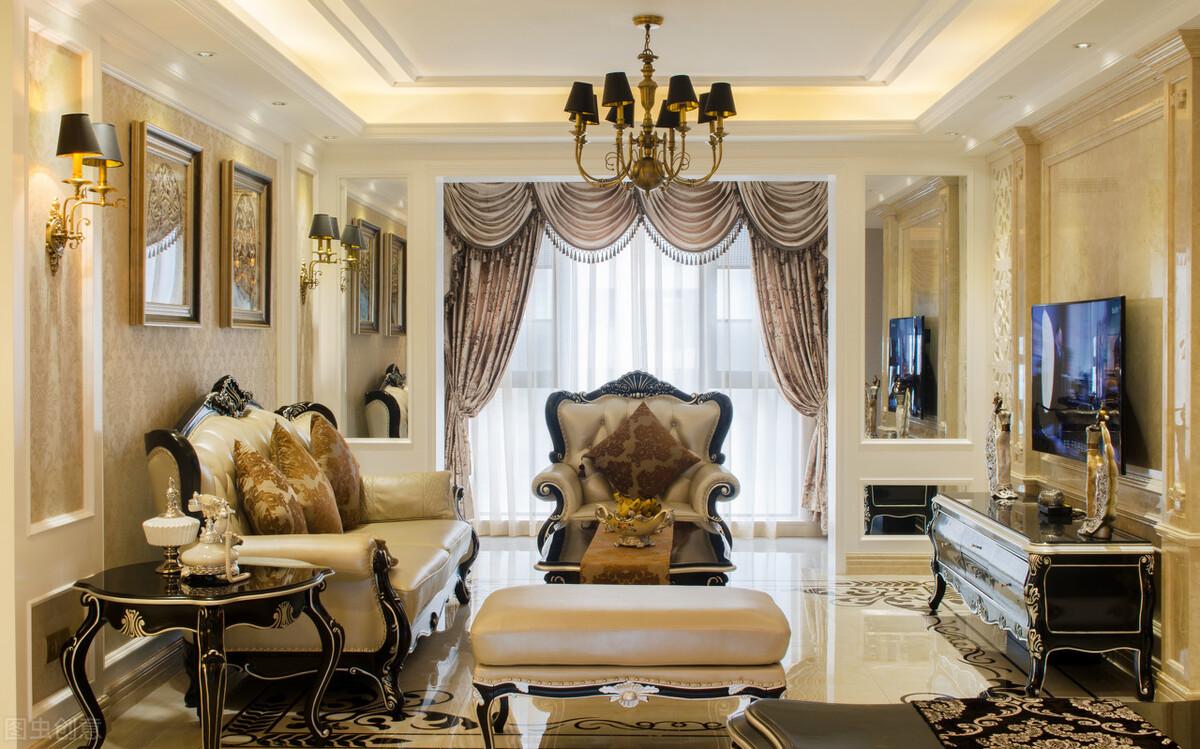
American style developed in the colonial Americas, where the U.S. as an immigrant nation incorporated diverse cultures from around the world, resulting in a broad, comfortable, and eclectic style. It is generally rugged and bold, symbolizing American freedom, and represents a lifestyle of liberty, casualness, and uninhibitedness. Without excessive decoration or constraints, it achieves a casual romance effortlessly. These elements reflect a need for a lifestyle that combines cultural depth and nobility with a sense of freedom and mood.
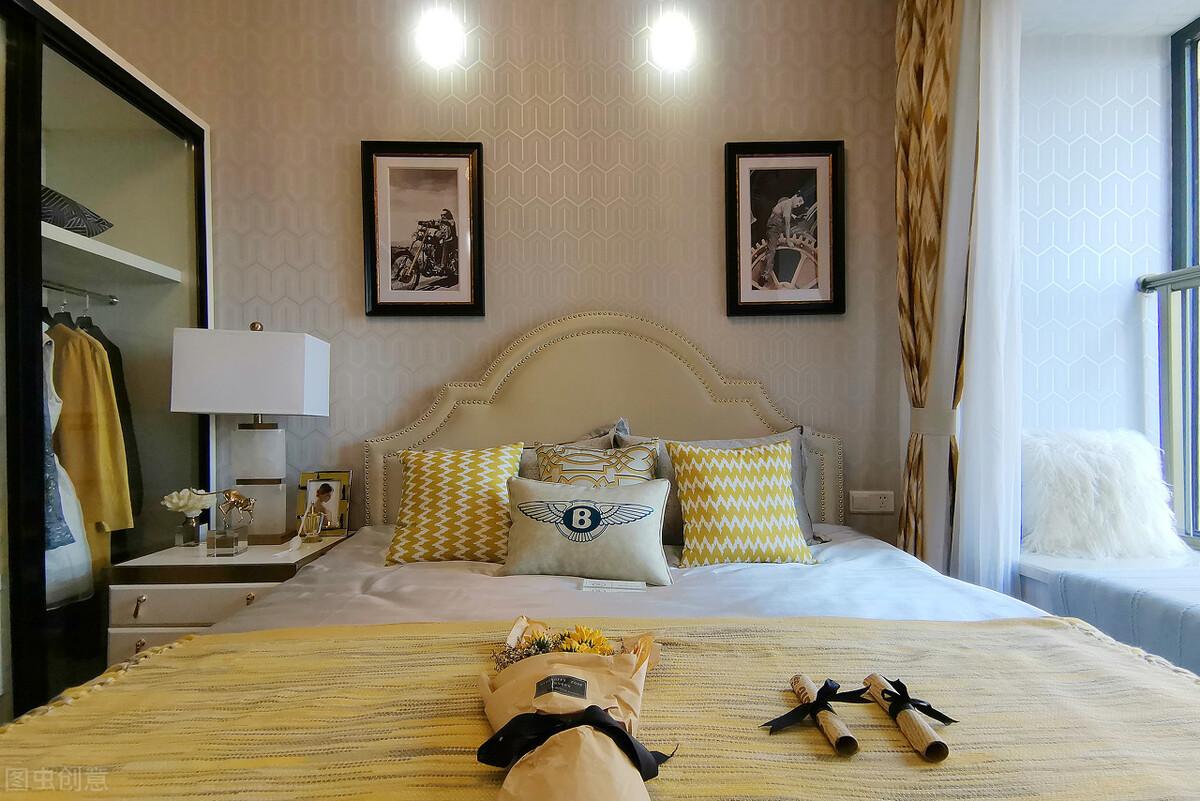
Light luxury, where ‘light’ means simplicity and conciseness, essentially embodies minimalism. Representative styles include industrial, Nordic, modern minimalist, extreme minimalism, and new Chinese styles. While minimalist styles like industrial lack luxurious touches, adding elements such as lines, metals, and furniture can enhance a sense of luxury. Luxury, as a modern representative, requires incorporating少量 classical elements to stand out. Light luxury can be seen as a blend of modern and classical, permeating simplicity with luxury, and is highly popular among young people today.
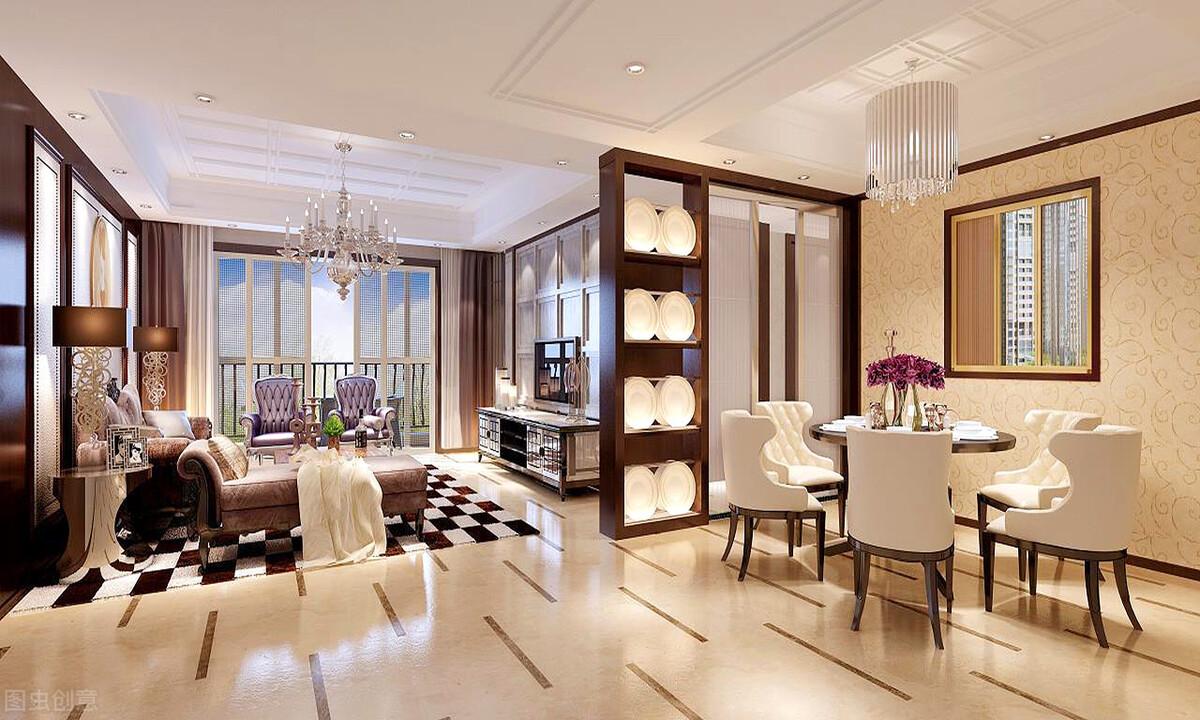
The above six styles are the most popular in interior design. Additionally, there is the IKEA style, which is prevalent in major cities due to its furniture products featuring simple, fresh, and natural designs; strong storage capabilities; easy mobility and assembly; and affordable prices. It offers fashionable simplicity without complexity, high practicality, and meets the taste requirements of young people for living.
 WhatsApp contact me online