• 0

    No products in the cart.

Comprehensive Guide to Top Interior Design Styles: Nordic, Modern, Japanese, Industrial, and Minimalist for Home Decoration and Renovation Ideas

Have you ever found it challenging to define your interior design style clearly?

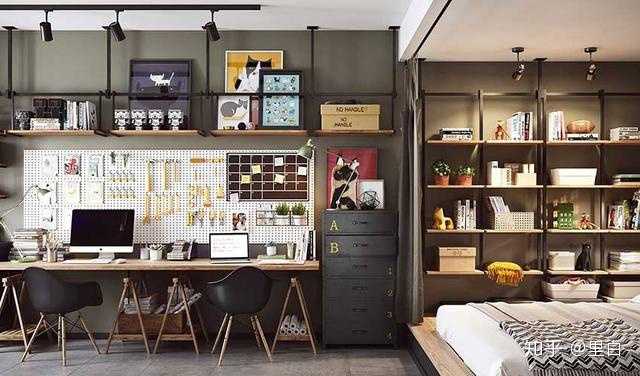
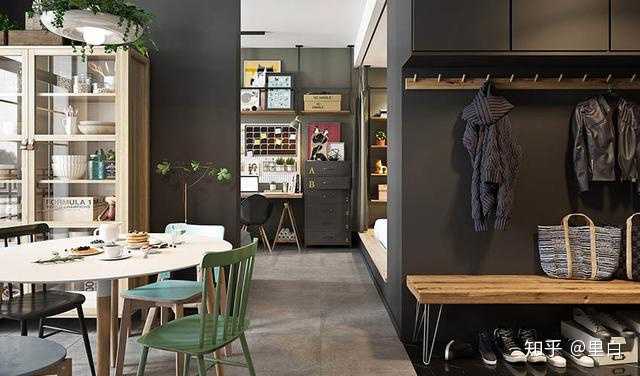
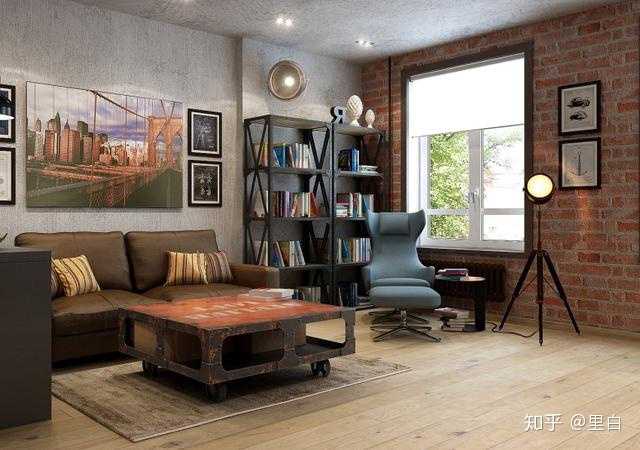
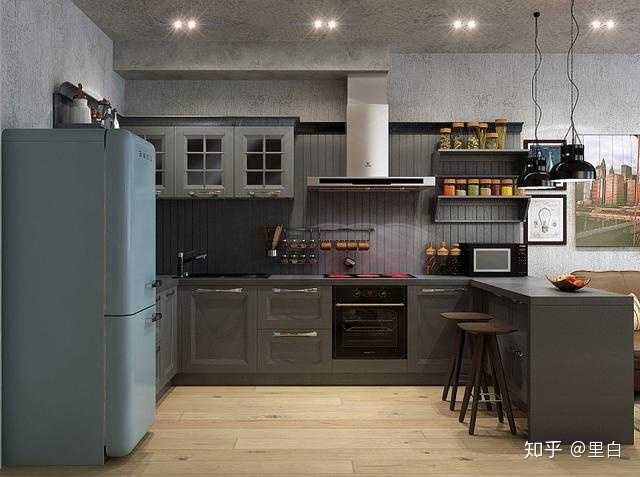
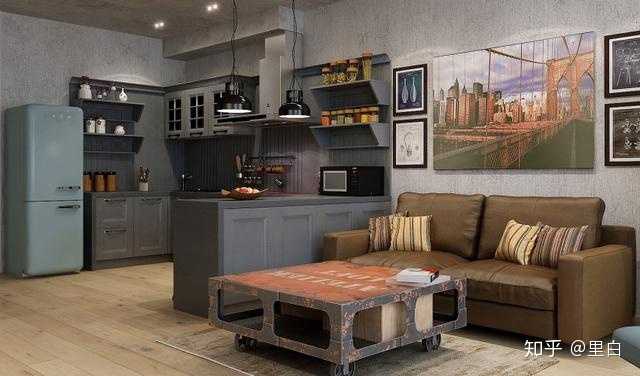
Overhyped ‘styles’ are often difficult to achieve in practical design and renovation due to differences in house structures, furniture choices, and budgets. Most homeowners don’t simply copy a specific style but use elements as references to create a personalized home. For instance, a bachelor apartment in Sichuan blends industrial elements with Nordic influences, showcasing a mixed design approach.
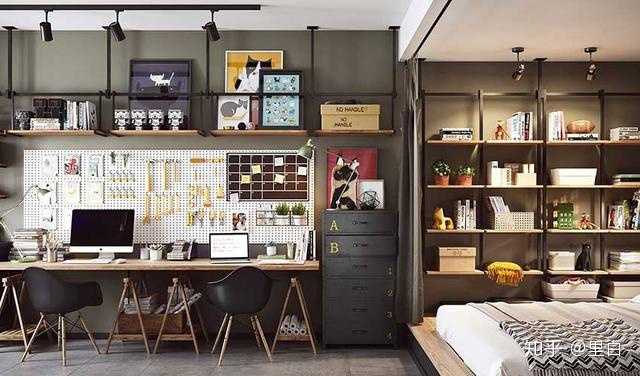
ImageImage

This case from two years ago remains timeless, reflecting the owner’s personality. Common styles include Nordic, modern, Japanese, minimalist, industrial, Chinese, and American, with the top five being Nordic, modern, Japanese, minimalist, and industrial.

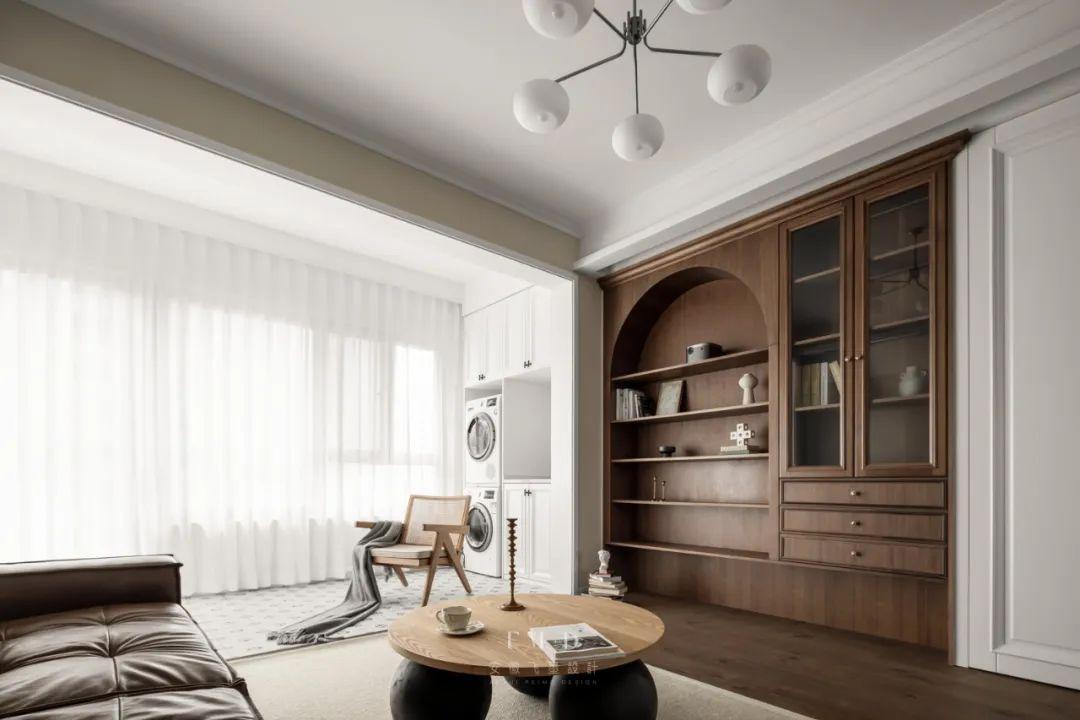
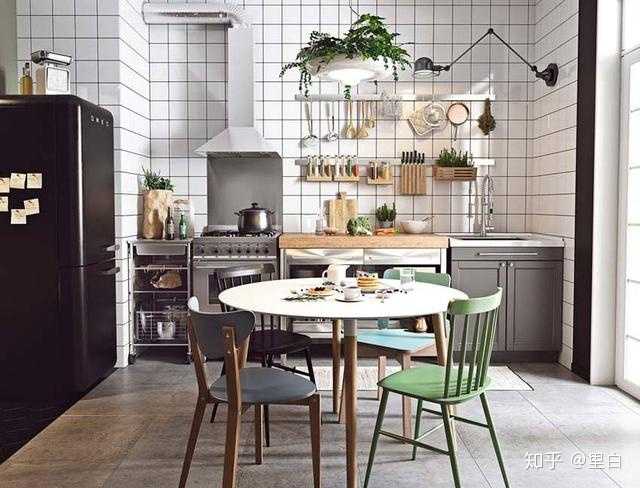
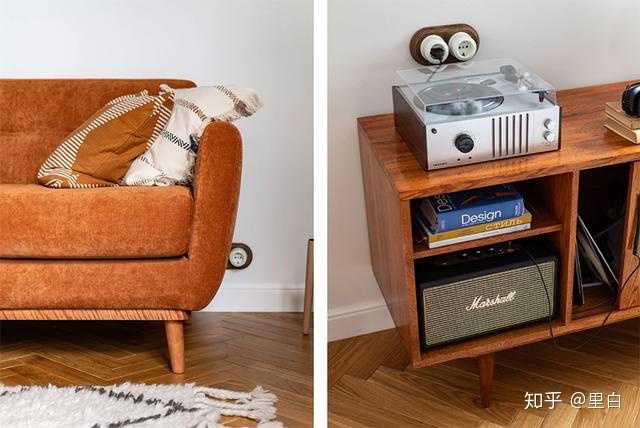
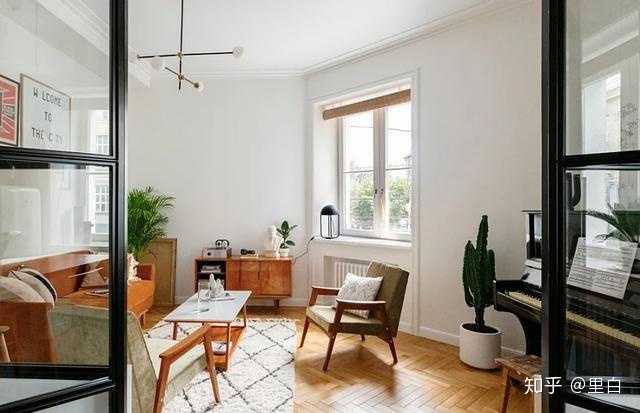
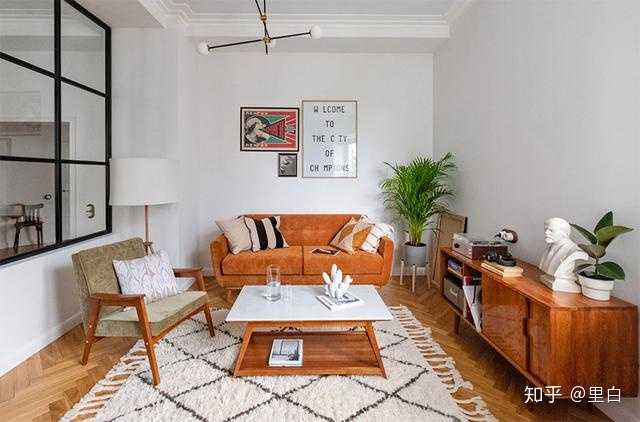
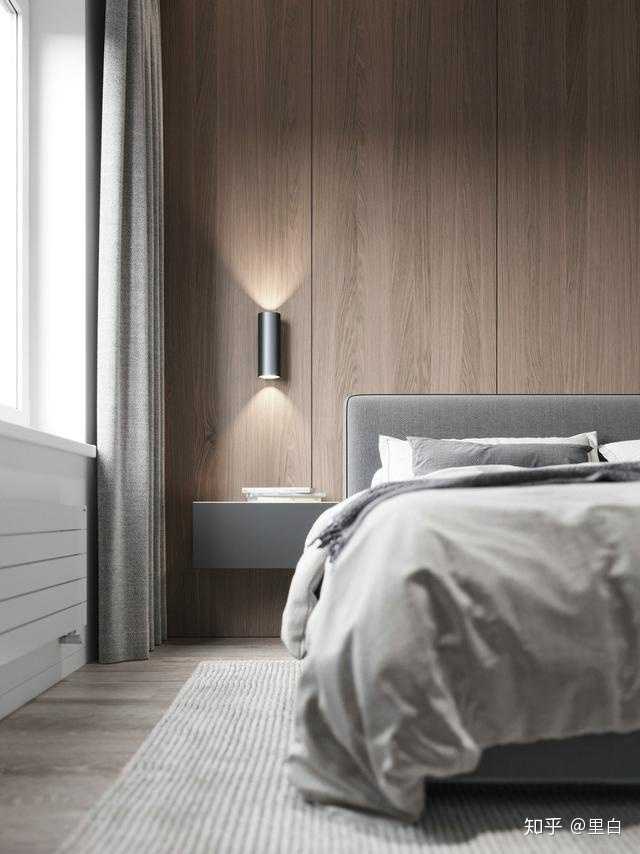
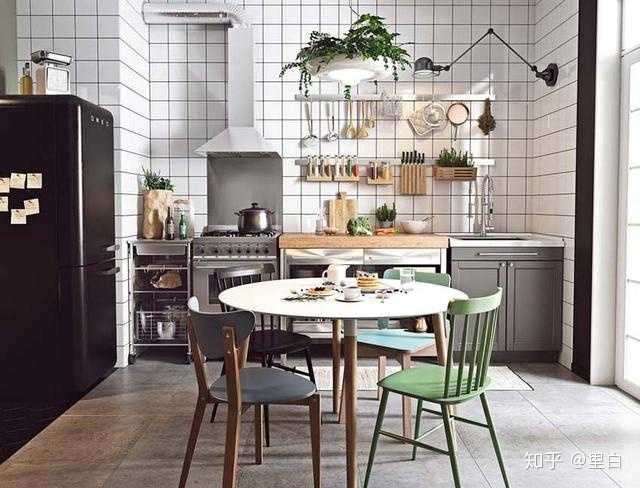
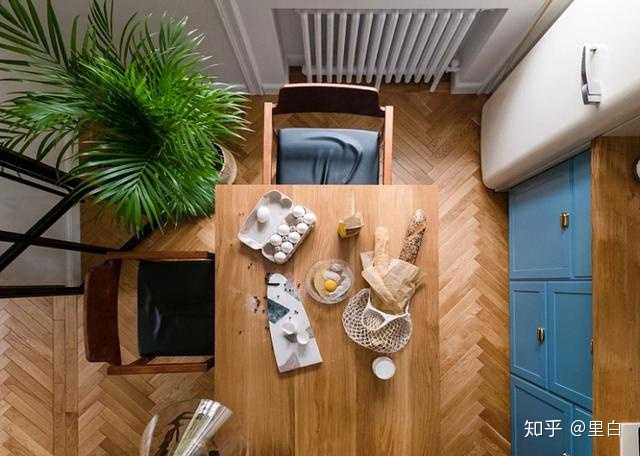
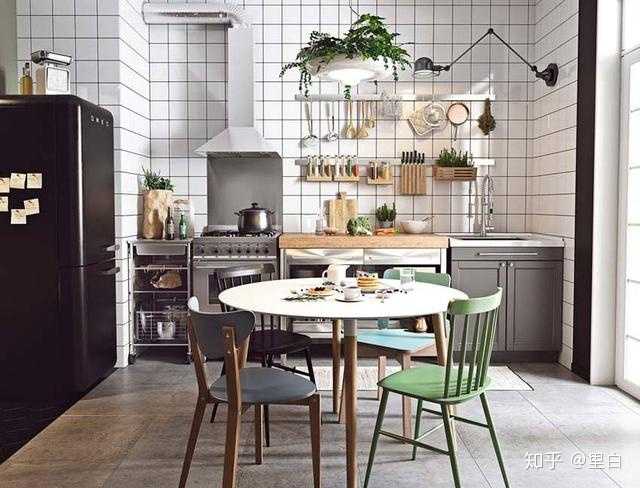
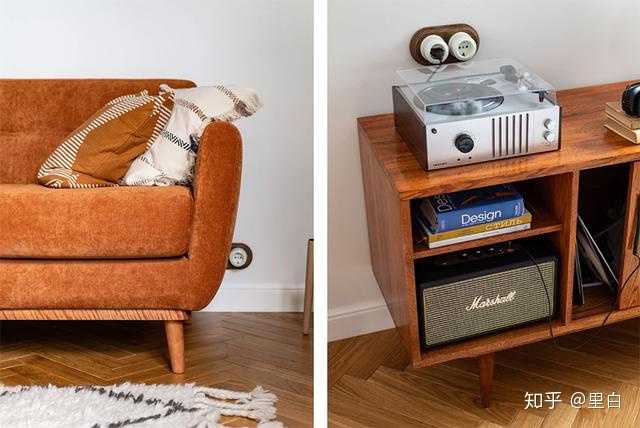
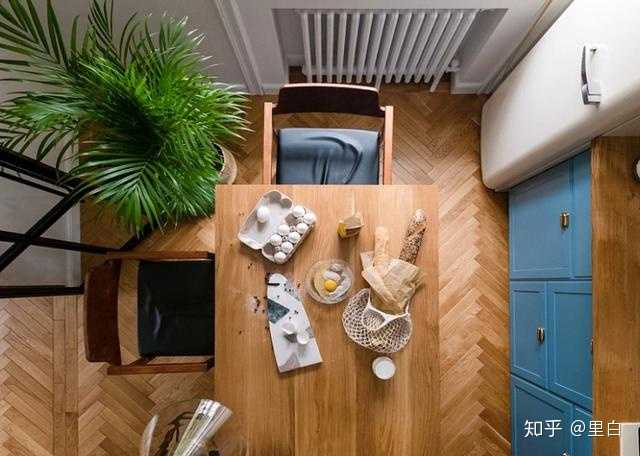
1. Nordic Style: Nordic design embraces decoration but prioritizes economy and practicality. For example, chairs and lamps are valued only where needed, not for decorative corners. Common color schemes include wood tones, neutrals, neutrals with cool colors, neutrals with bright accents, and cool shades. Natural light and ventilation are crucial for comfort.
ImageImage

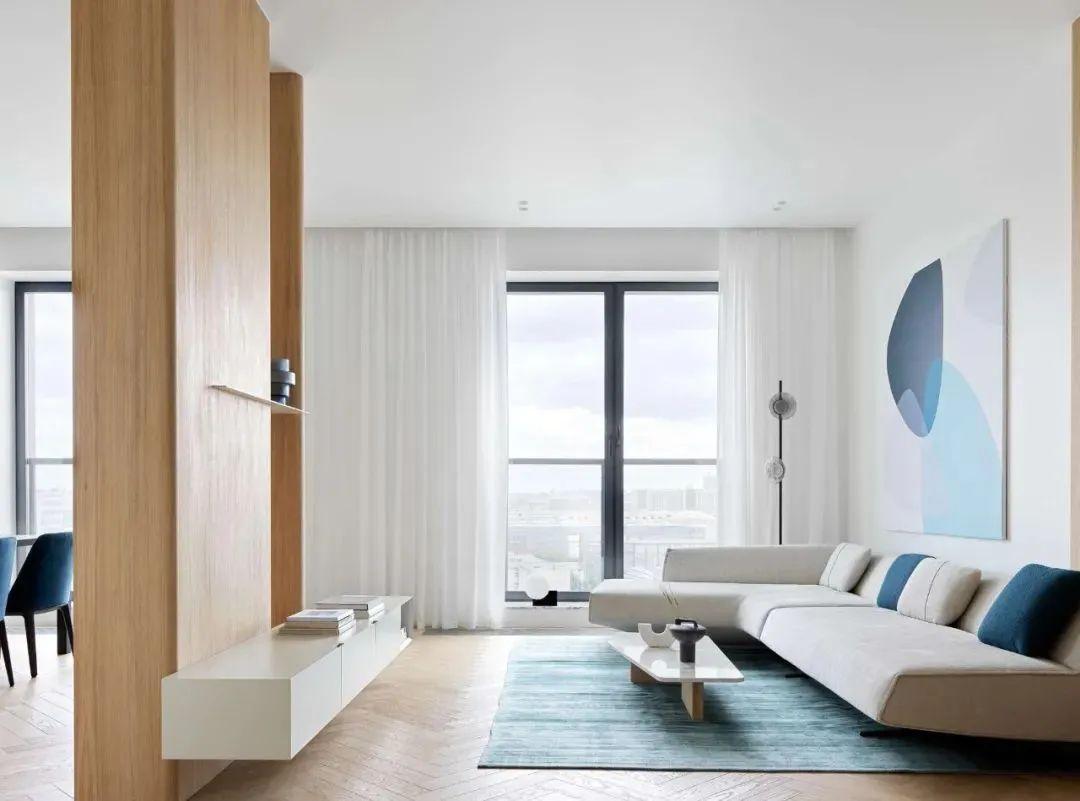
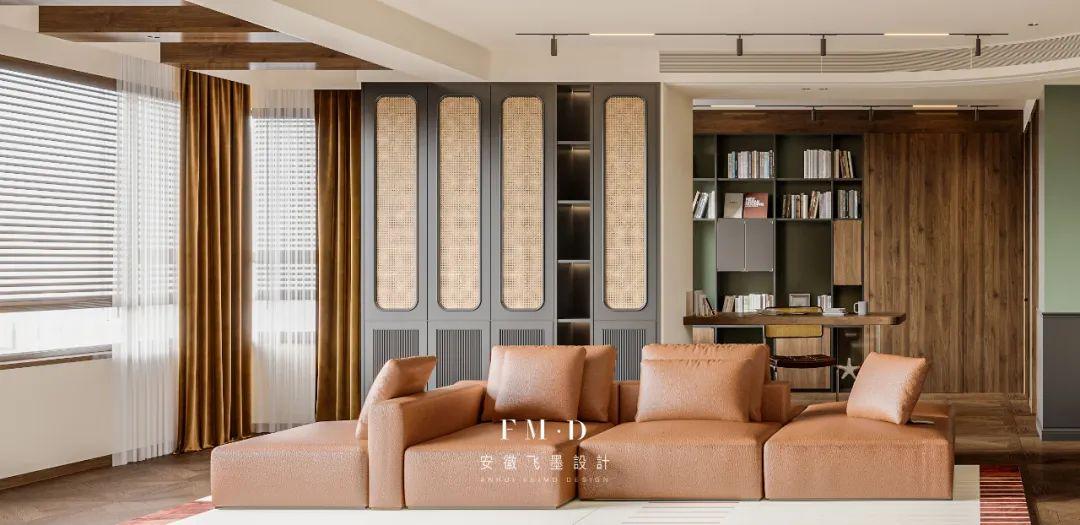
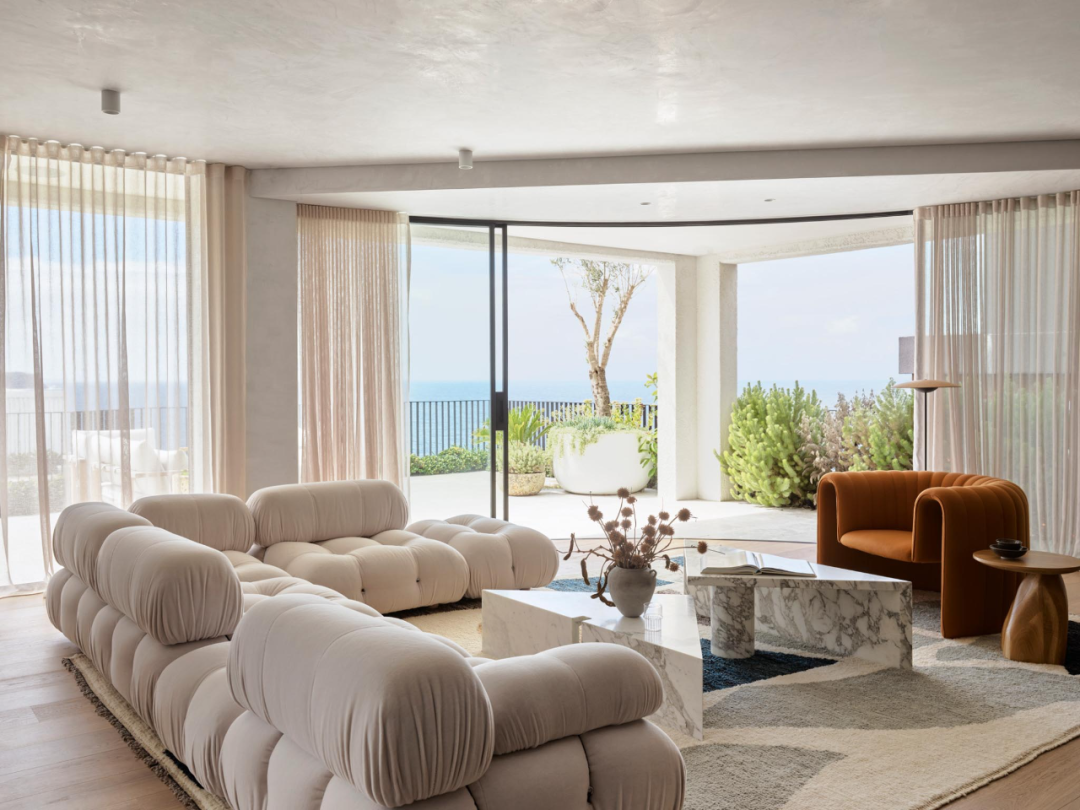
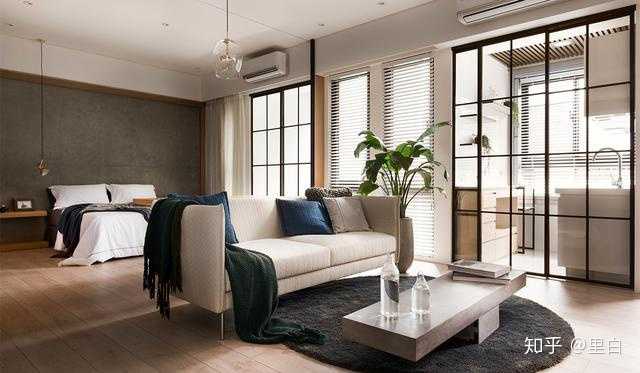
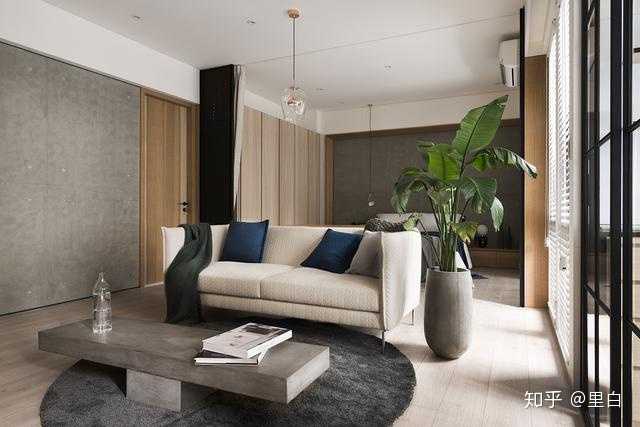
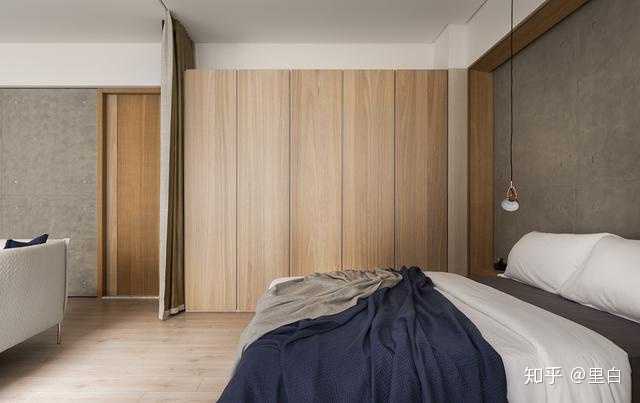
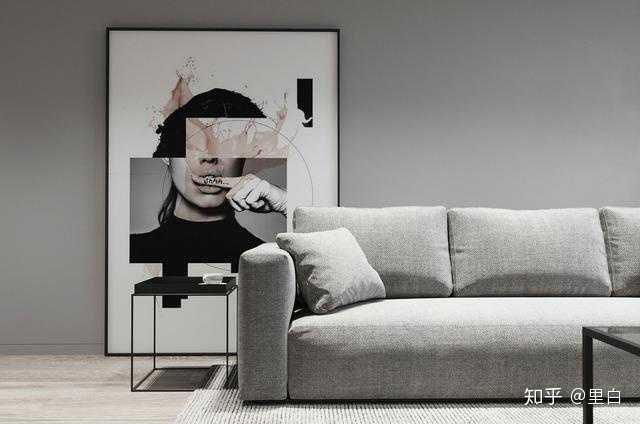
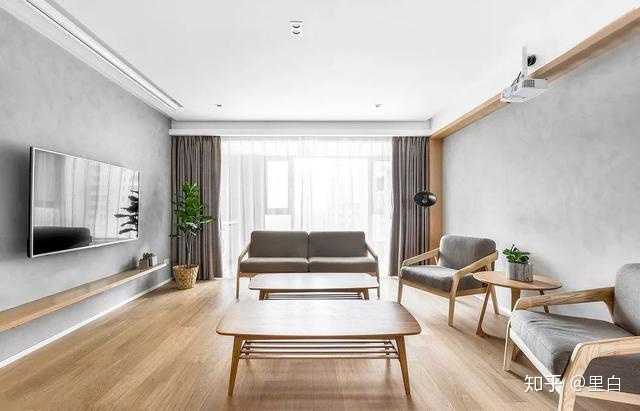
2. Modern Style: Also known as functionalism, modern design focuses on space utility. It features clean lines, minimal decor, and essential items, with materials ranging from simple to versatile. Visual comfort and unity are key, often using fabric sofas and streamlined furniture.
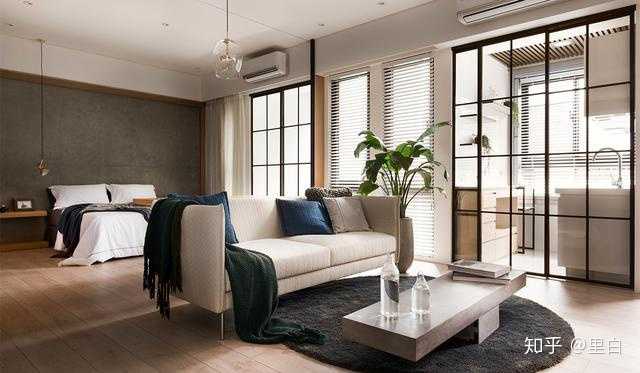
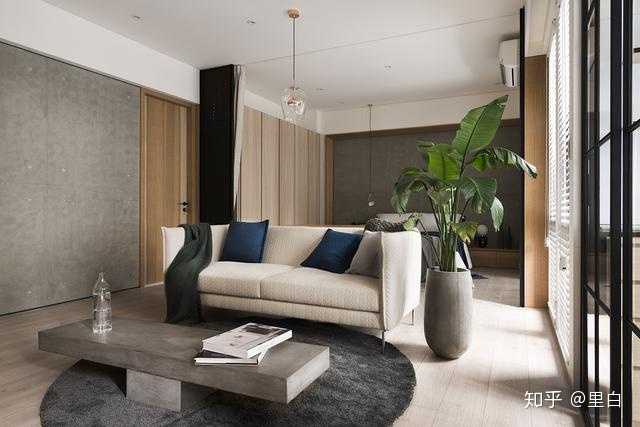
ImageImage

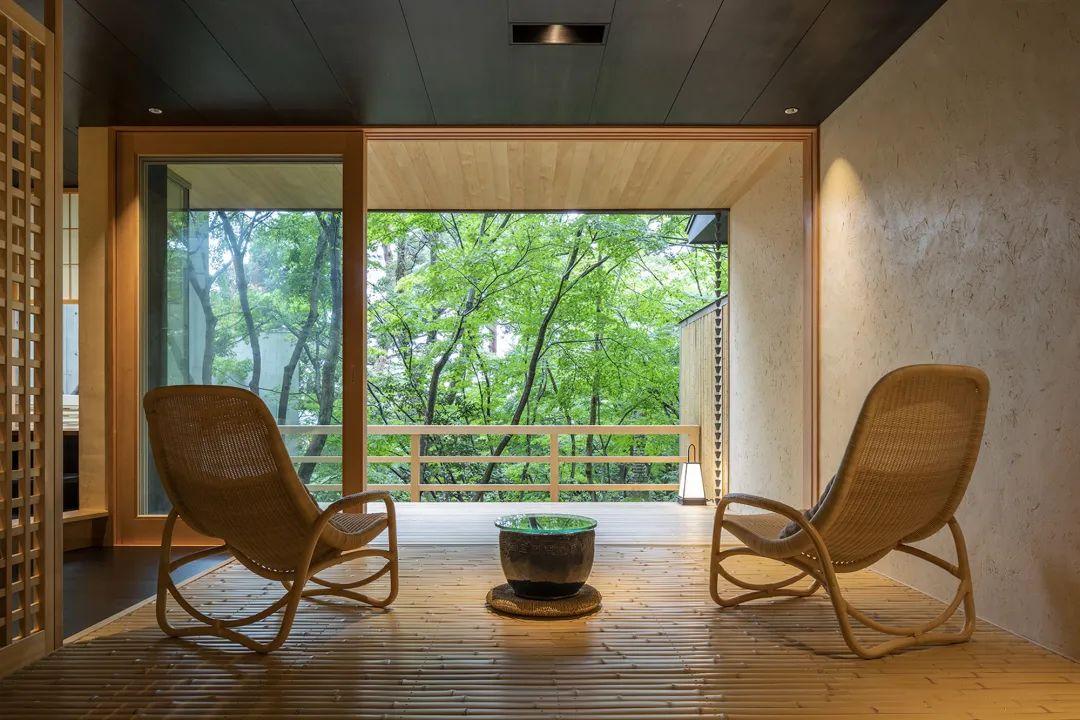
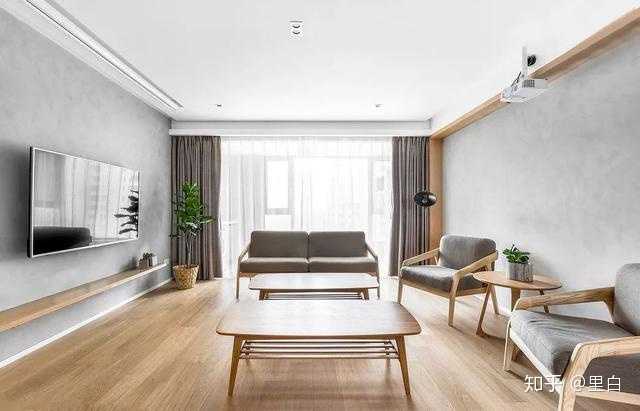
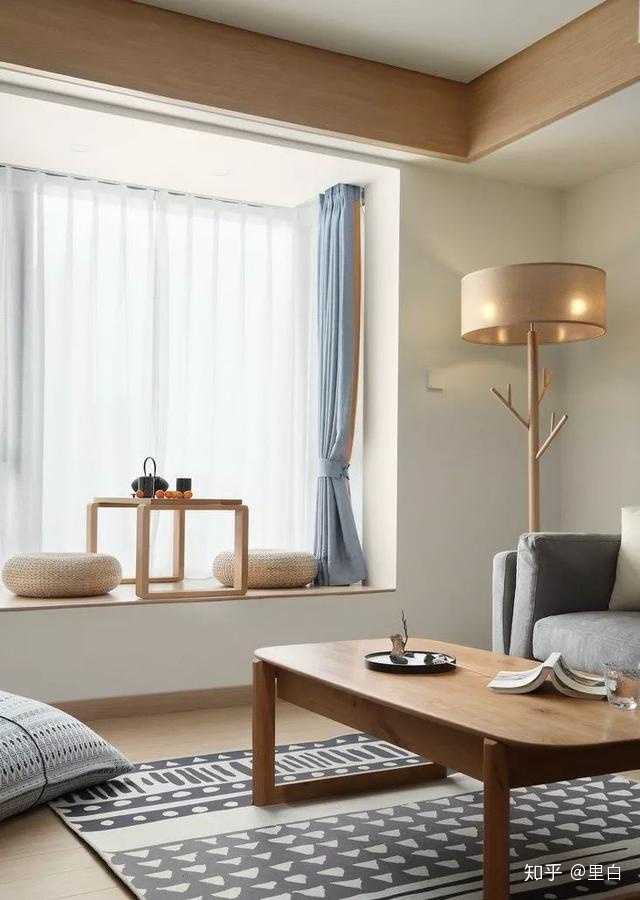
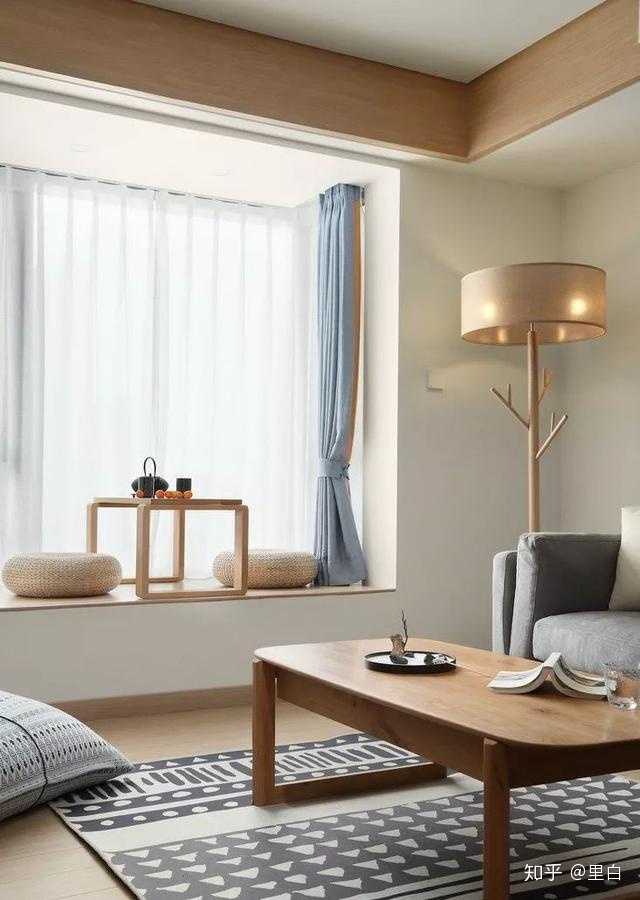
3. Japanese Style: Pure Japanese style is rare; most prefer modern interpretations like MUJI. Emphasis is on privacy, ventilation, light, and layout, with strong spatial order and storage solutions. Furniture is low, wooden, and devoid of excess decor, using natural materials like rattan, cotton, and linen. Tatami mats are common for multifunctional use.
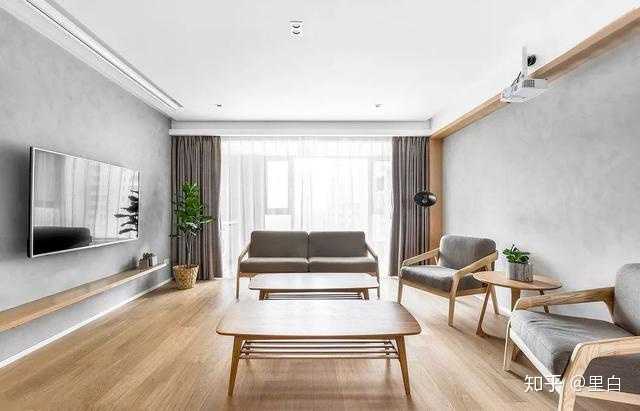
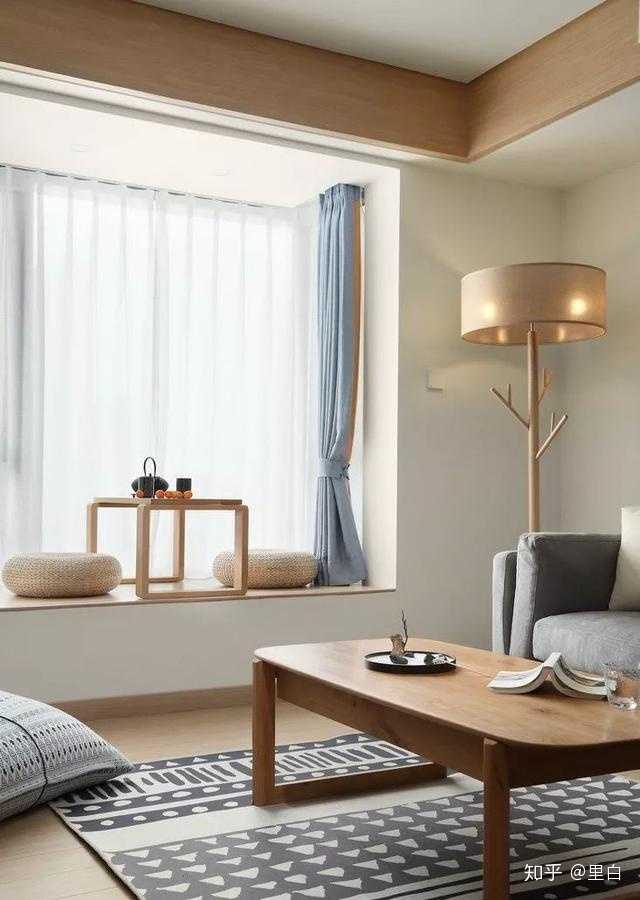
ImageImage

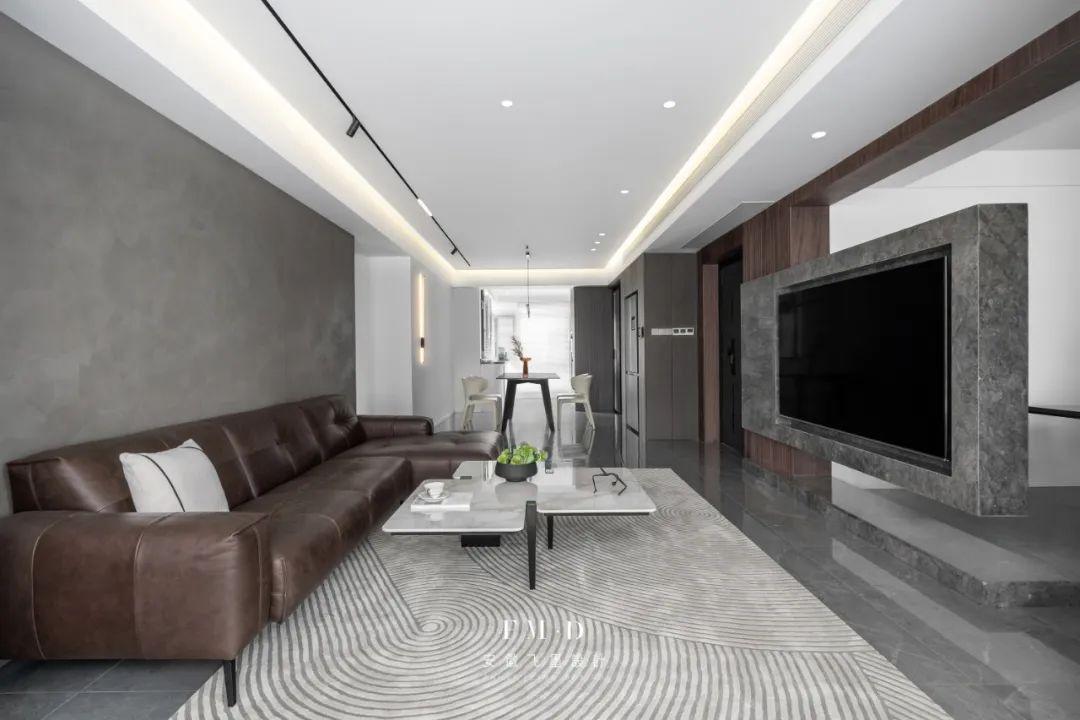
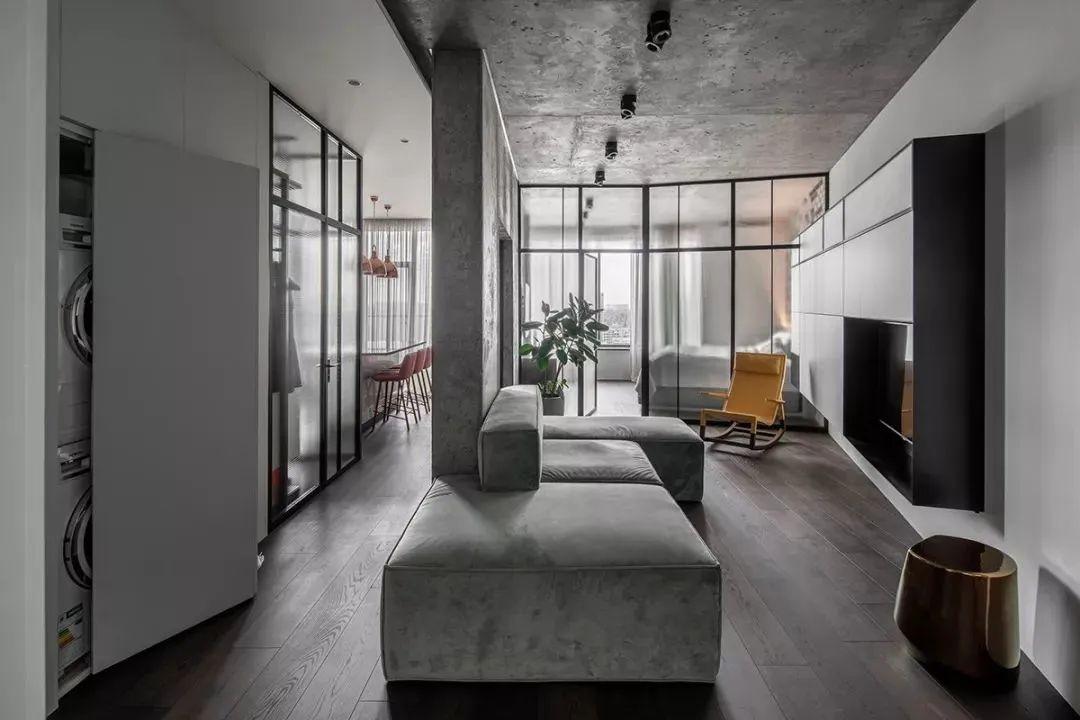
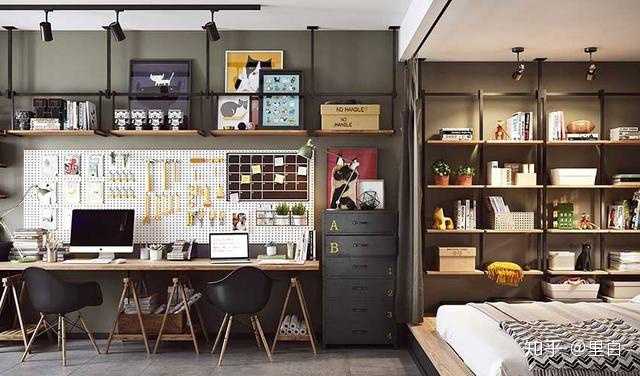
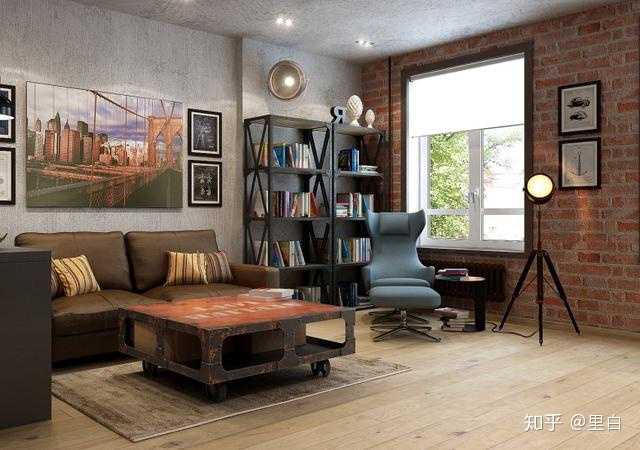
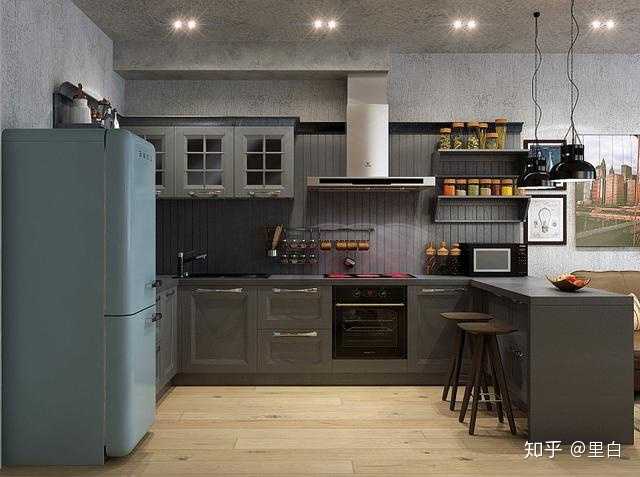
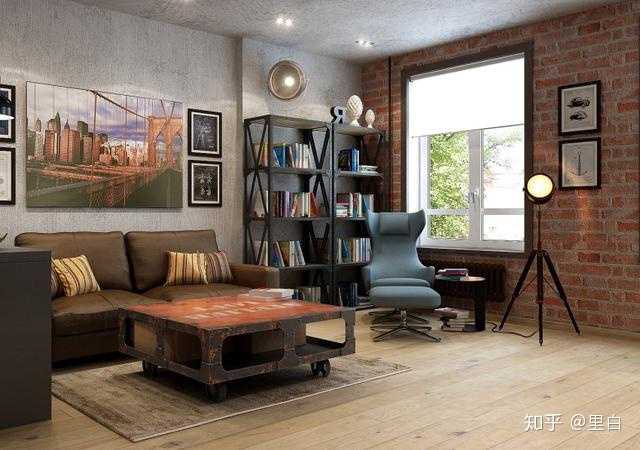
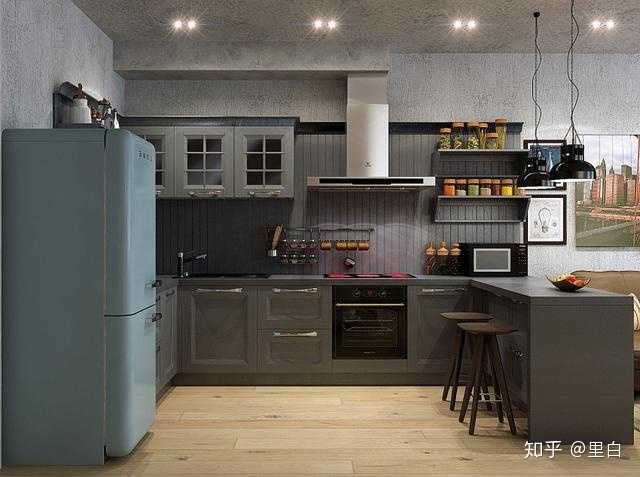
4. Industrial Style: Key points include retro elements, industrial materials, and adaptability beyond lofts. A Russian small-space example features cement textures, brick walls, metal tables, leather sofas, and black iron furniture, with glass partitions for light and openness.
ImageImage

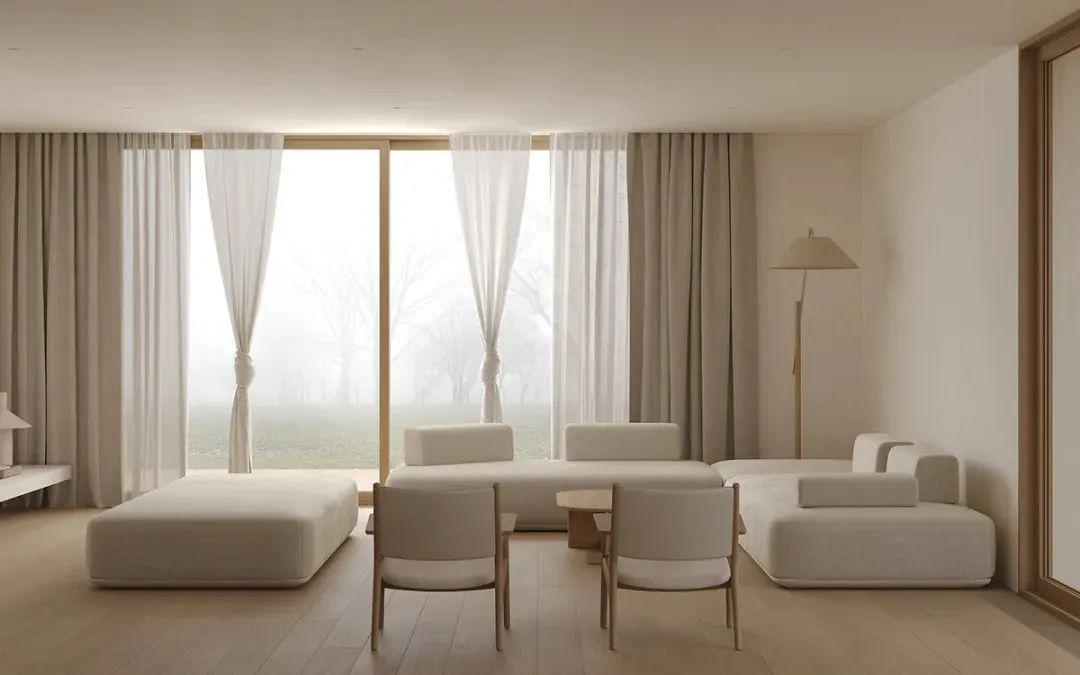
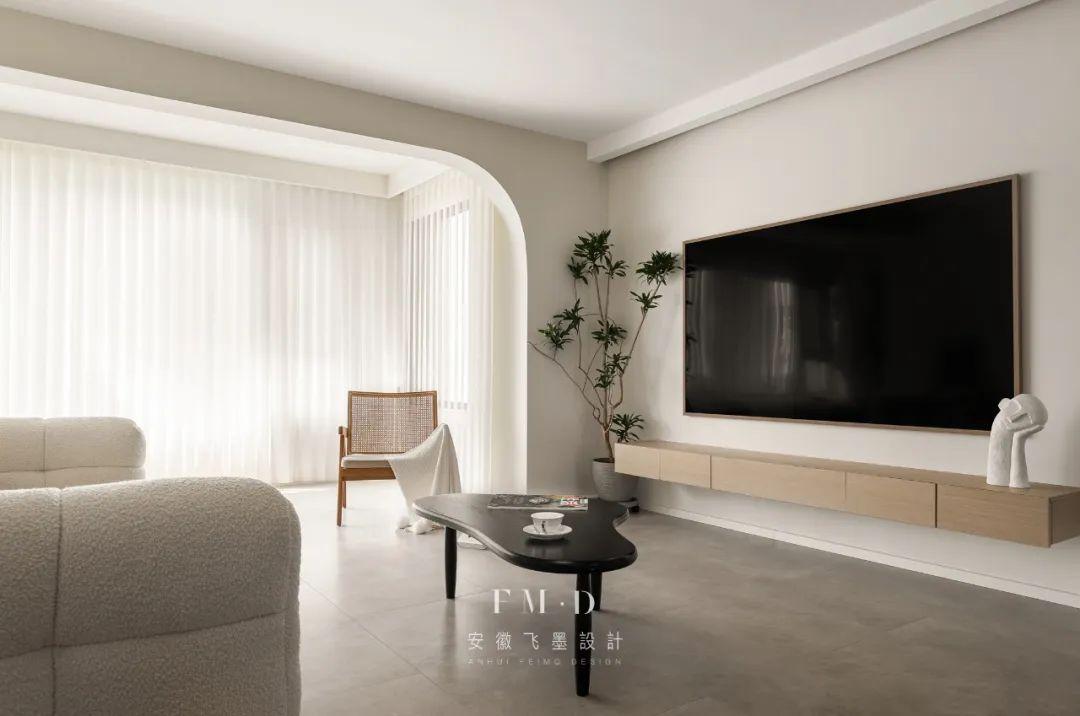
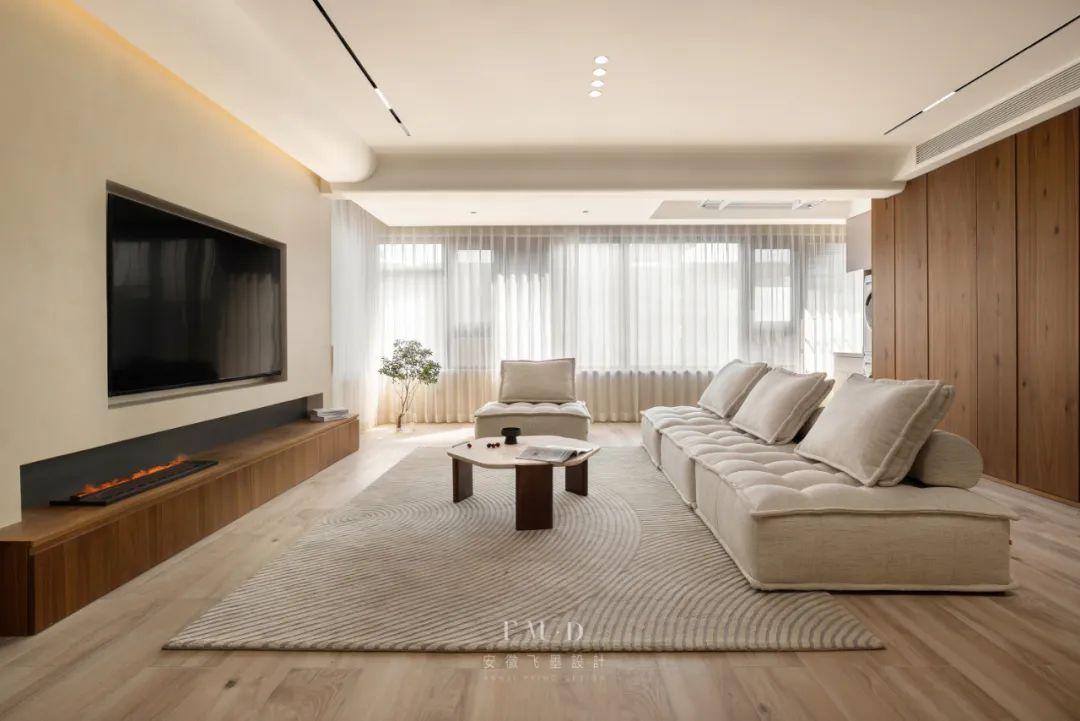
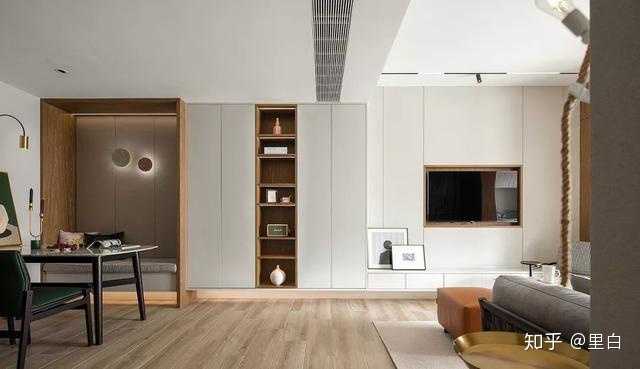
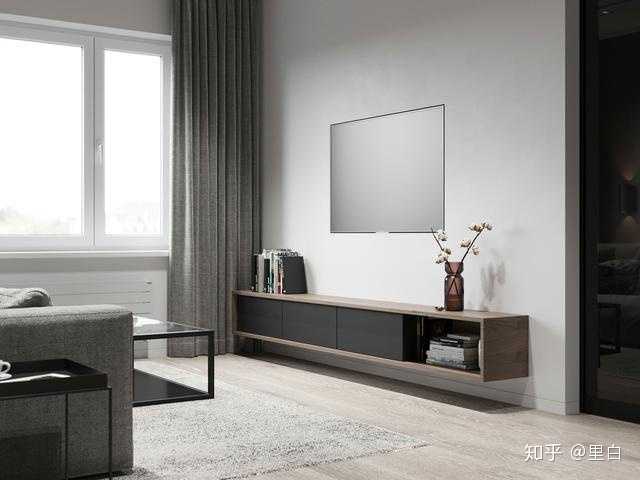
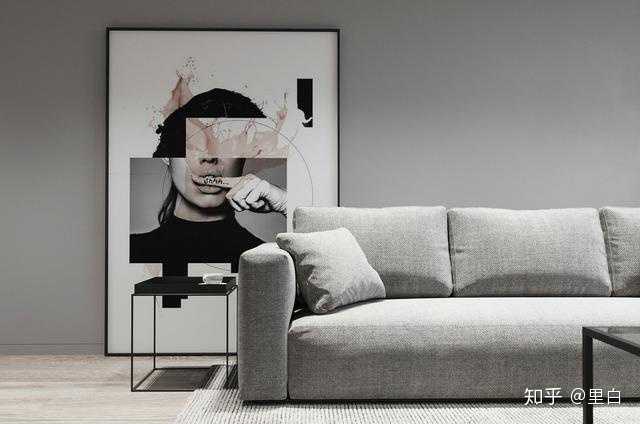
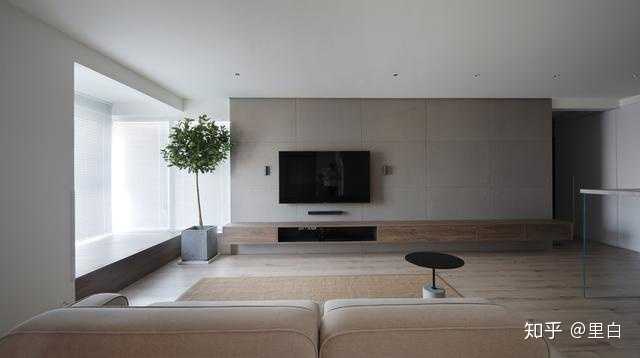
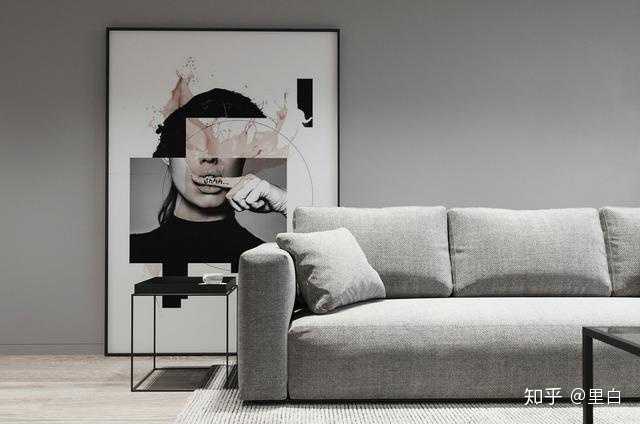
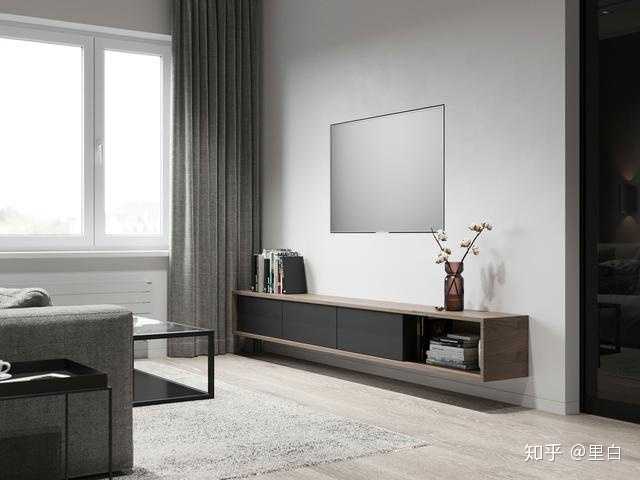
5. Minimalist Style: Originating in mid-20th century America, minimalism removes unnecessary decor, using clean lines and geometric shapes. Colors are coordinated to enhance space perception. Hard elements are simple, with concealed wiring and fixtures for a clutter-free look, emphasizing functionality and visual purity.
ImageImage

Complete Guide to 13 Interior Design Styles: Scandinavian, Wood, Minimalist, Modern, Luxury, and More for Home Decoration and Aesthetics

01 Scandinavian Style

Scandinavian style is a popular choice for young homeowners, known for its fresh, cost-effective, and natural comfort design. It features clean color schemes like blue, green, gray, and yellow, with simple materials that achieve high aesthetics even with basic paint.

Scandinavian interior

02 Wood Style

Wood style emphasizes natural textures by using大量 wood materials, from wall panels to furniture. It creates a warm atmosphere with options like wood flooring, wood-grain tiles, and wooden decor for a layered look.

Wood style interior

03 Simple Style

Simple style focuses on minimalism without complex patterns or overwhelming colors. It uses black, white, gray, brown, and wood tones for a timeless appeal, with accents like marble and wood panels for added texture.

Simple style interior

04 Minimalist Style

Minimalist style takes simplicity to the extreme with clean lines, hidden storage, and narrow frames. It often employs black, white, gray, and wood colors for a sleek, functional design.

Minimalist interior

05 Cream Style

Cream style is currently trending for its soft, inviting palette of cream, beige, and pastel shades. It can blend with other styles like French or wabi-sabi for a cozy, elegant feel.

Cream style interior

06 French Style

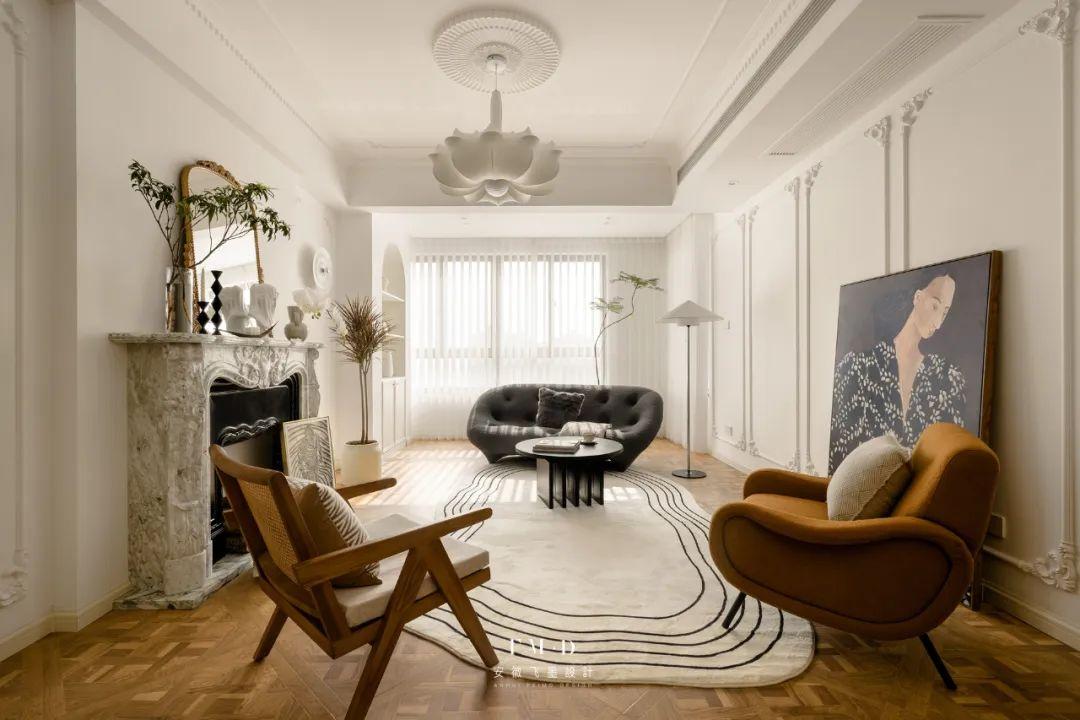
French style exudes romance and elegance with intricate patterns, strong lines, and decorative elements like石膏线 and marble. It can range from luxurious to复古 for a sophisticated touch.

French style interior

07 New Chinese Style

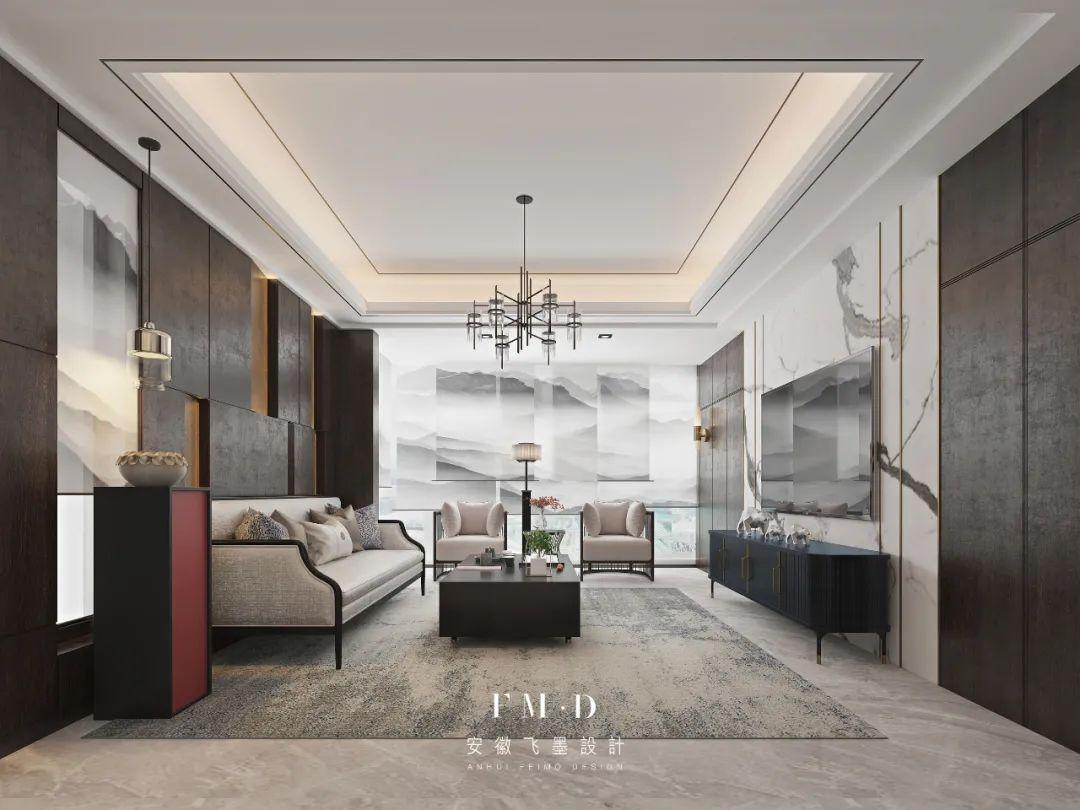
New Chinese style offers a modern twist on traditional elements, using wood materials in subdued tones for a youthful, natural vibe. It avoids heavy red wood for a more refined look.

New Chinese style interior

08 Luxury Light Style

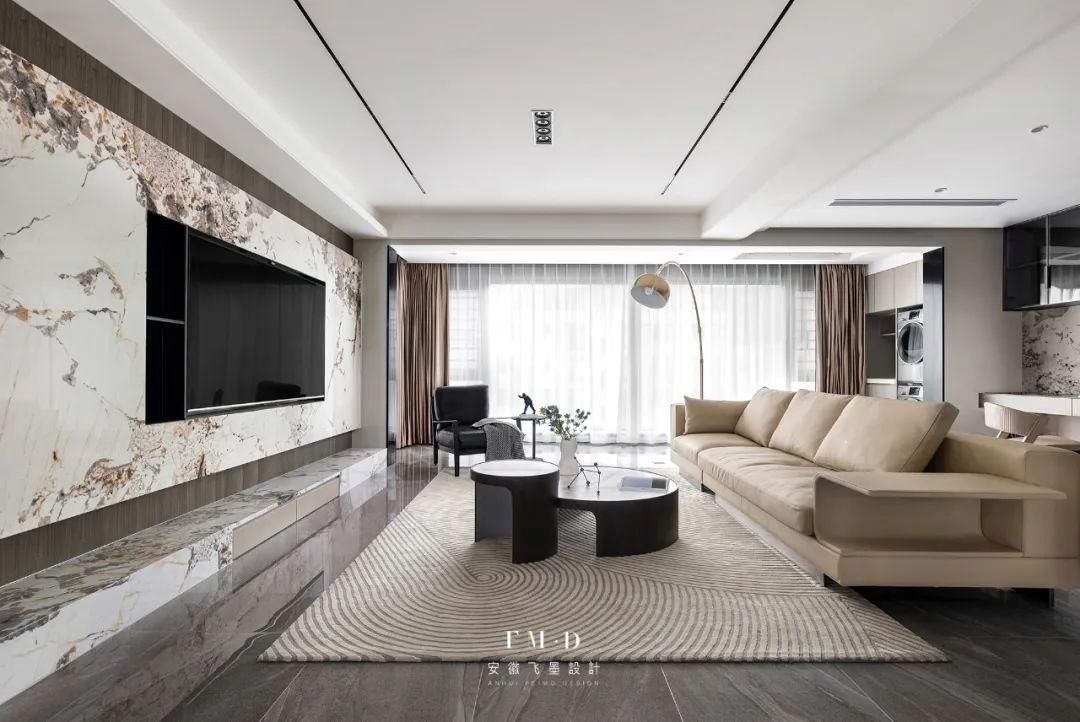
Luxury light style appeals to those seeking understated opulence with natural stones like marble, custom wall panels, and designer furniture for a stylish,大气 appearance.

Luxury light interior

09 Retro Style

Retro style features bold color combinations with dark wood, deep brown, emerald green, and yellow. It requires careful design to avoid overwhelm, ideal for guided projects.

Retro interior

10 Wabi-Sabi Style

Wabi-sabi style celebrates imperfection with aged, story-rich elements. It uses cream, gray, and wood tones, along with natural materials like wood and linen for a质朴 feel.

Wabi-sabi interior

11 American Style

American style is bold and comfortable, often incorporating solid wood and leather for a spacious, inviting look with大气 designs.

American style interior

12 Industrial Style

Industrial style is favored for its rugged appeal, using black, white, gray, and brown colors with exposed elements like concrete, brick, and metal pipes for a raw aesthetic.

Industrial interior

13 Modern Style

Modern style, or functionalism, emphasizes clean shapes, minimal decor, and practical layouts. It is a mainstream choice for its时尚 and scientific approach to design.

Modern interior

Explore these styles to find the perfect fit for your home! If you need help, consider consulting a professional designer for personalized advice.

Comprehensive Guide to Popular Interior Design Styles: Nordic, Modern, Japanese, Industrial, and Minimalist for Home Decoration

Have you ever found it challenging to define a specific interior design style clearly?

Overhyped ‘styles’ are often difficult to achieve in practical design and renovation due to variations in house structures, furniture choices, and budgets. In reality, few people copy a style directly; instead, homeowners use elements as references to create personalized spaces. For example, a bachelor apartment in Sichuan blends industrial and Nordic influences, exemplifying mixed design.

Mixed design exampleInterior viewDesign detail

This case from two years ago remains timeless, reflecting the owner’s personality. Common styles include Nordic, Modern, Japanese, Minimalist, Industrial, Chinese, and American, with the first five being design classics.
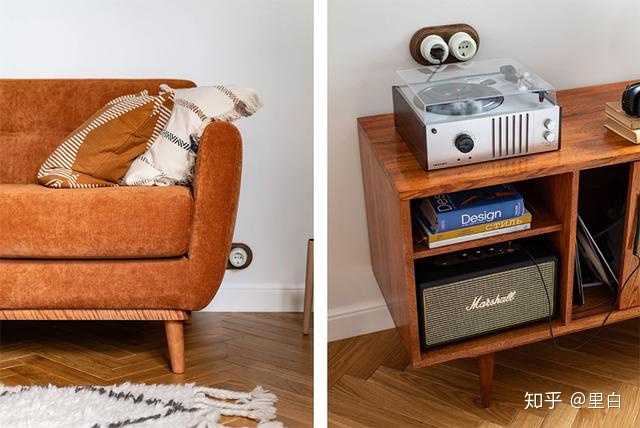
1. Nordic Style: Emphasizes economy and practicality, with a focus on essential items like chairs and lighting rather than decorative excess. Common color schemes involve wood tones, neutrals, and cool shades, with great importance placed on natural light and ventilation.

Nordic design exampleNordic interiorLighting in Nordic style

2. Modern Style: Also known as functionalism, it prioritizes space utility with clean lines, minimal decor, and practical materials. Visual comfort and unity are key, often featuring fabric sofas and simple furniture.

Modern design exampleModern interiorFunctional space

3. Japanese Style: Focuses on privacy, organization, and natural materials like wood, bamboo, cotton, and linen. It often includes low furniture, tatami mats for multifunctional use, and efficient space utilization for a serene, orderly feel.

Japanese design exampleTatami roomNatural materials

4. Industrial Style: Highlights retro elements, industrial materials like concrete and metal, and a raw aesthetic. It is not limited to lofts and can incorporate features like exposed bricks and iron furniture for a rugged yet functional look.

Industrial design exampleIndustrial interiorMetal details

5. Minimalist Style: Originated in mid-20th century America, it removes unnecessary decor, focusing on clean lines, geometric shapes, and cohesive color palettes to maximize space perception. Simplicity in hardware and hidden elements like pre-set wires achieve a clutter-free environment.

Minimalist design exampleMinimalist interiorClean lines

Comprehensive Guide to Popular Interior Design Styles: Nordic, Modern, Japanese, Industrial, and Minimalist Inspirations for Your Home

Defining and implementing specific interior design styles can be challenging due to variations in house structures, furniture choices, and budgets. Most homeowners use style elements as references to create personalized spaces rather than replicating a style exactly. For example, a mixed-design apartment blends industrial and Nordic elements seamlessly.
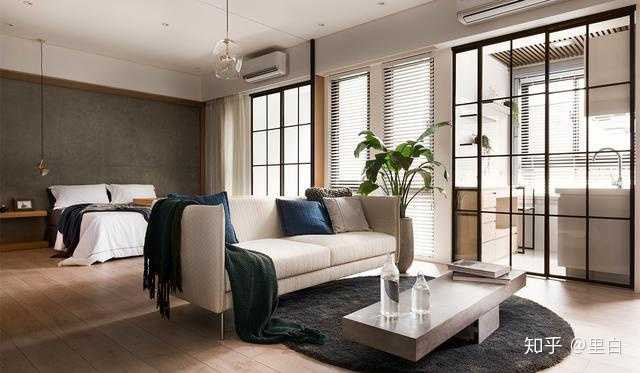
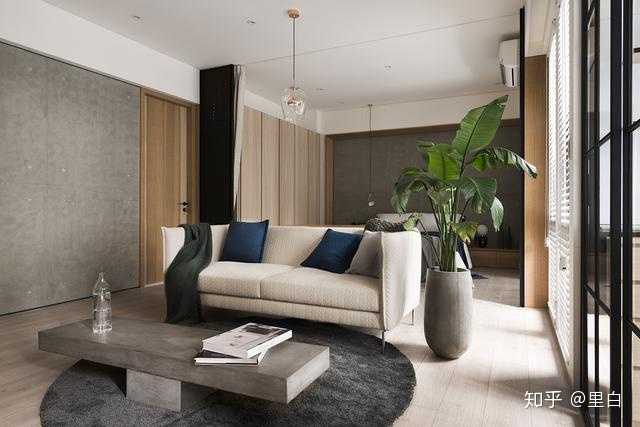
imageimage

Common styles include Nordic, Modern, Japanese, Industrial, and Minimalist designs. Nordic style emphasizes economy and practicality, with colors like wood tones, neutrals, and cool shades. Lighting and ventilation are prioritized for comfort.

imageimage

Modern style, or functionalism, focuses on space utility with clean lines and minimal decor, often featuring fabric sofas and simple furniture.

imageimage

Japanese style highlights privacy, organization, and natural materials like wood, cotton, and linen, with tatami mats for multifunctional use.

imageimage

Industrial style incorporates retro elements and raw materials like concrete and metal, not limited to lofts, and can include glass partitions for openness.

imageimage

Minimalist style removes unnecessary decorations, using clean lines and coordinated colors to maximize space perception, with hidden wiring for a tidy look.

imageimage

We are a very complete car parts, 95% of the basic accessories can be found

×
WhatsApp WhatsApp contact me online