• 0

    No products in the cart.

Guide to Choosing High-Quality Tiles: 8 Essential Testing Methods for Home Renovation and Durability Assessment

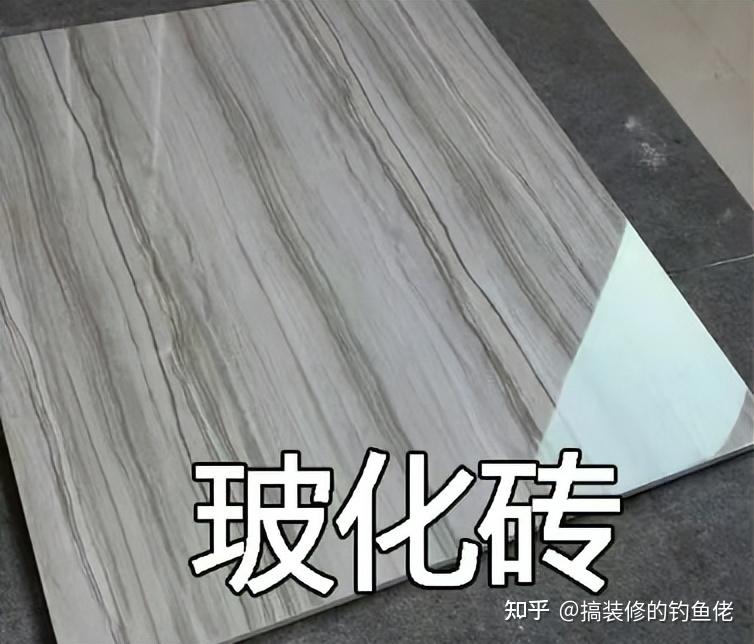
When renovating, tiles are almost always used, but do you know how to select high-quality tiles? This guide provides 8 effective methods to evaluate tile quality, helping you avoid substandard products. Start by inspecting the tile surface for defects like pinholes, glaze residues, or dirt. High glossiness indicates better sintering and overall quality; good tiles reflect light like a mirror, while poor ones appear dull.
Tile Surface Inspection

Check dimensional accuracy by measuring diagonals with a tape measure. Tiles within national standards for length and width errors (e.g., ±0.5% and ±0.3%) ensure better installation results.

Dimensional Check

Tap the tile lightly; a clear, crisp sound suggests high density and good quality, while a dull sound indicates poor sintering. Perform a drop test: high-quality tiles won’t break when dropped vertically, demonstrating strength.

Drop Test

Heavier tiles generally have higher density and better quality, with uniform thickness and no edge defects. Test load-bearing capacity by standing on a suspended tile; good tiles withstand weight without cracking.

Weight and Load TestLoad Test Setup

For slip resistance, place a water cup on a slanted tile surface with water; no sliding indicates good anti-slip properties, crucial for areas like bathrooms. Test water absorption by pouring water on the tile; low absorption (under 0.5% for porcelain tiles) means better stability and resistance to cracking.
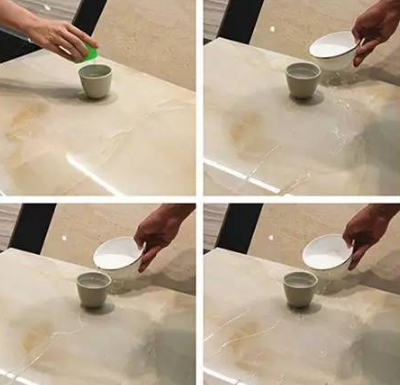
Slip TestWater Absorption Test

Use diluted ink on the tile back; minimal absorption signifies quality. Finally, assess corrosion and wear resistance by scratching with a pen or scissors and wiping clean; no marks indicate durability against chemicals and abrasion.

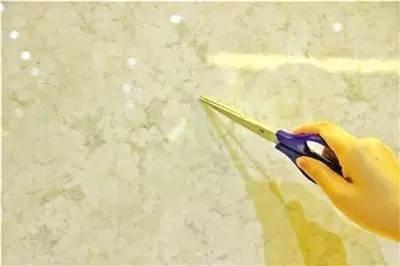
Ink TestWear Test

Tile Selection Myths Exposed: Why Drop, Sound, and Absorption Tests Don’t Ensure Quality

Myth 1: Using Drop Tests to Determine Tile Quality

Many so-called “professional” tips for selecting tiles are actually marketing tricks designed to make you spend more money.

Cover GIF

For example, when buying tiles, people often search online for popular “tile selection guides” or “tile tips.” Some are helpful, but many are not only unhelpful but also counterproductive.

Here are 8 widespread tile selection myths that are actually deceptive advice from professionals, urging everyone not to blindly believe them.

Cover GIF

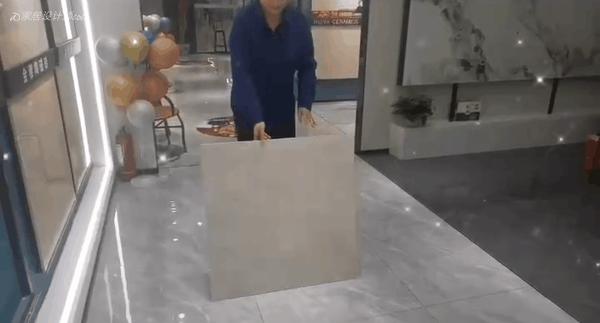
Drop tests have become a hot topic, with many bloggers and sellers joining in to prove their tiles are superior. However, relying on drop resistance to judge tile quality is misleading and片面. It only indicates certain aspects, and even cheap tiles can pass such tests.

Image

If you let a tile fall at an angle instead of flat, even the hardest tile will shatter. Thus, drop tests are a sales gimmick and should not be trusted.

Cover GIF

There’s no need to overly pursue tile hardness; older tiles with low hardness have lasted decades without breaking. Cracking is often due to poor installation, like hollow spots, so focus on skilled workers instead.

Cover GIF

Myth 2: Two-Tile Flatness Test for All Tiles

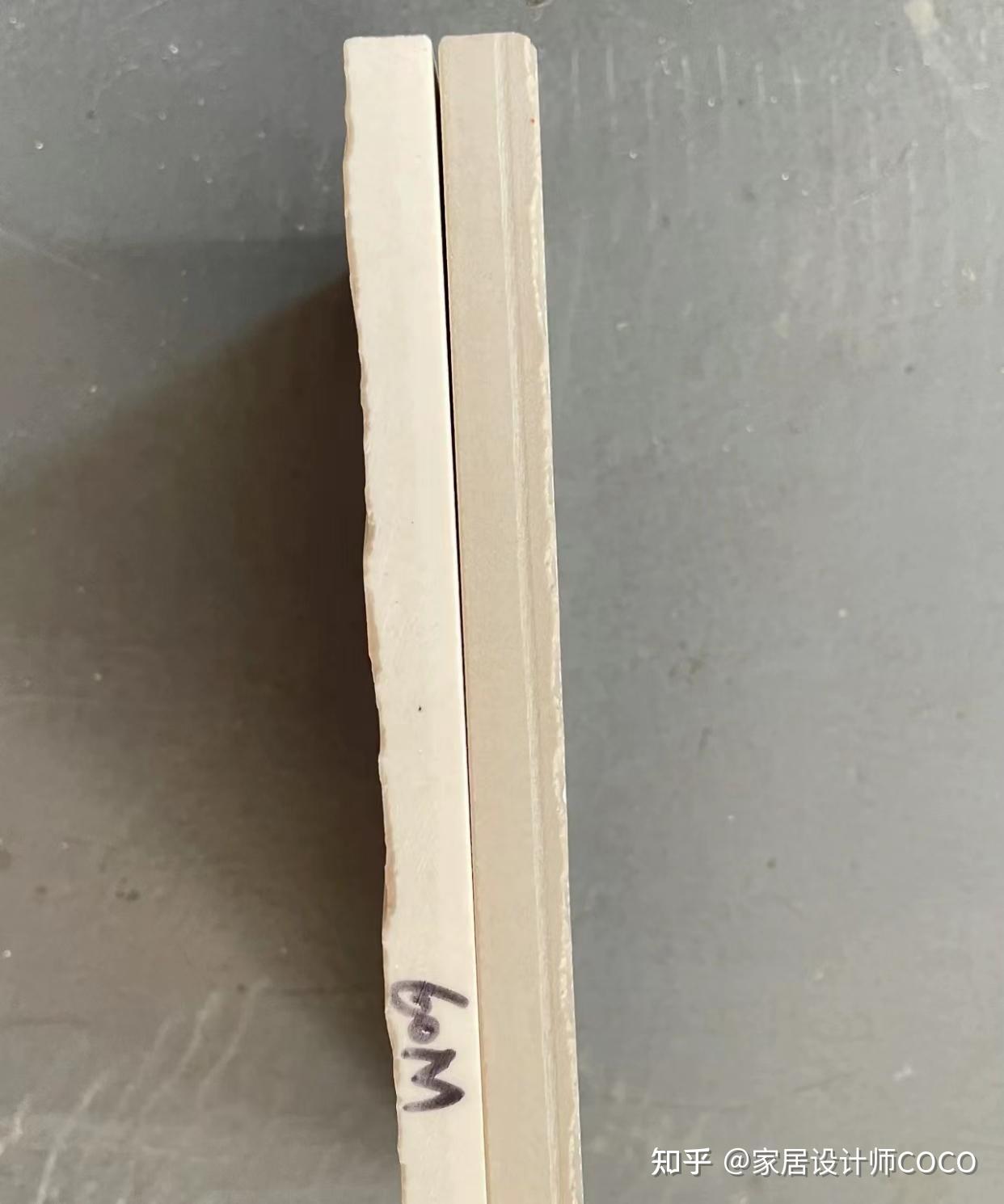
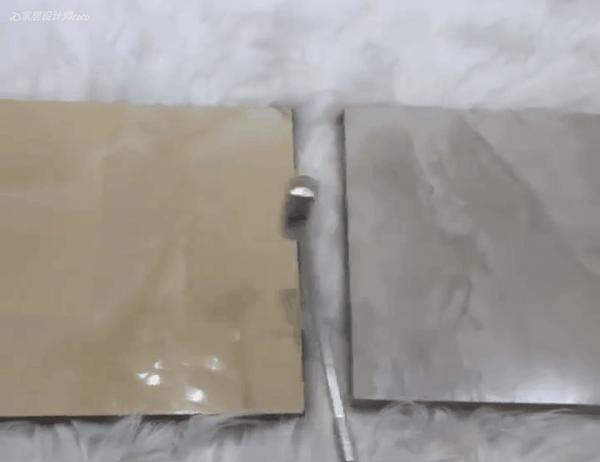
Pressing two tiles together to check for gaps is a popular method, but it only works for polished and glazed tiles, not for all types like antique or wood-grain tiles.

Image

This test is not universal; for non-polished tiles, check for straight lines and slight curves instead.

Image

Myth 3: Sound Test for Tile Density

Some claim that clearer sounds indicate higher density and better quality, but this is false. Different brands and materials produce varied sounds, and there’s no reliable basis for this method.

Cover GIF

It’s like tapping a watermelon to check ripeness—seemingly expert but often ineffective. For density, simply compare weight: denser tiles are heavier.

Cover GIF

Myth 4: Water Absorption Rate Determines Quality

Professionals often showcase low absorption rates, claiming it prevents water seepage and odors, but this is misleading. Absorption rate relates to density, not overall quality, and modern installation with grout prevents issues.

Image

Older, cheaper tiles with high absorption have served well for years. The focus on absorption is mostly a marketing tactic for larger, more expensive tiles.

Image

Myth 5: Larger Tiles Are Always Better

Bigger tiles mean fewer seams but don’t guarantee higher quality. They are more complex to produce and costlier, but for small spaces, they may be wasteful and ineffective.

Image

Myth 6: Stain Resistance Test with Water-Based Pens

Using water-based pens to test stain resistance is deceptive, as they wipe off easily. Bring a oil-based pen for a true test of cleanability.

Image

Myth 7: Matte Tiles Are Always More Slip-Resistant

Slip resistance depends on the coefficient, not surface finish. A coefficient above 0.5 is generally safe; test by pouring water and walking on an inclined tile.

Cover GIF

Myth 8: Air-Purifying Tiles Remove Formaldehyde

These tiles claim to clean air but have negligible effects and are overpriced. Proper ventilation is the only proven method for formaldehyde removal.

Image

In summary, while some tile tips are useful, many are myths that can lead to poor decisions. Always verify methods and focus on practical testing.

Cover GIF

Expert Guide to Tile Selection: Types, Room-Specific Tips, and Key Factors for Choosing the Best Tiles for Home Decoration

Choosing tiles for home decoration can be overwhelming due to the wide variety of styles and colors available. This guide provides essential secrets to help you select the perfect tiles effortlessly.

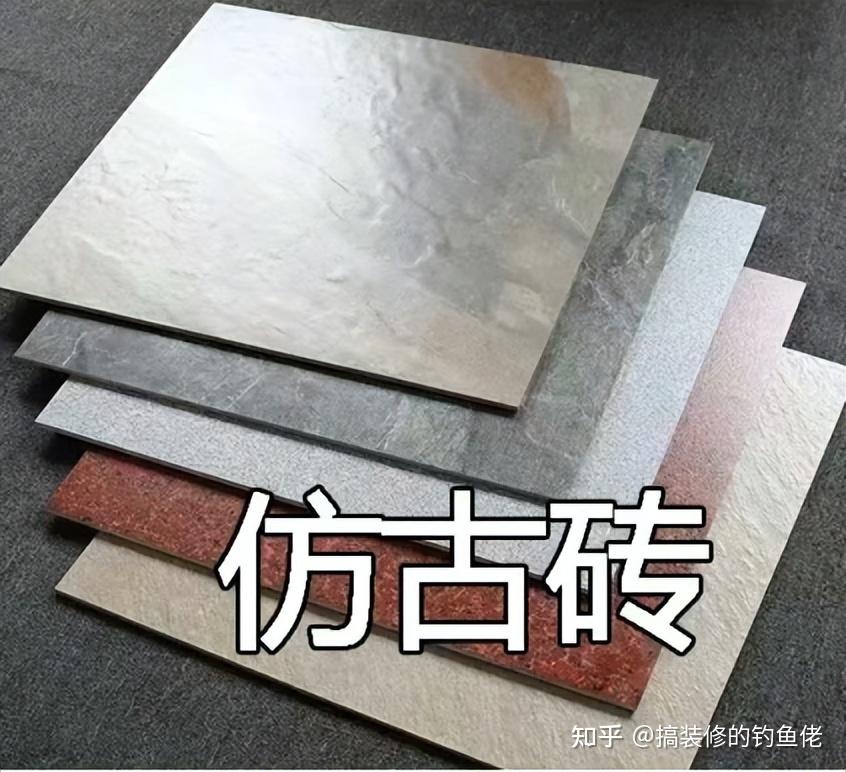
Tiles come in many types, including polished tiles, glazed tiles, antique tiles, vitrified tiles, and full-body tiles, each with distinct characteristics and suitable applications for different spaces.

imageimageimageimage

How to choose tiles for different areas of your home:

image

Bathroom tiles: Recommended sizes include 600*600mm and 300*300mm. Glazed tiles offer stain resistance and a matte texture, with light colors making the space appear larger, while dark colors may require attention to water stain issues.

image

Bedroom tiles: The common size is 600*600mm, but for wood-look tiles, 200*1200mm is ideal for an aesthetic and spacious feel. Matte glazed tiles and wood-look tiles are top choices for bedrooms, providing a stylish appearance and excellent slip resistance.

image

Balcony tiles: Recommended sizes are 330*330mm, 300*600mm, or 300*300mm. Opt for tiles with high water absorption, such as antique tiles or matte anti-slip tiles, which are durable and offer radiation resistance.

image

Key factors to consider when selecting tiles:

1. Environmental safety: Check the product’s radiation level to ensure it meets standards.

2. Gloss level: Not all tiles need to be highly glossy; the glaze and polish determine brightness, with below 20 degrees considered matte and darker in tone.

3. Slip resistance: Unpolished full-body tiles > antique tiles > full-glaze tiles. Generally, a slip coefficient above 0.5 is acceptable for safety.

4. Water resistance: Water absorption is a crucial quality indicator, but it’s not absolute. For humid areas like bathrooms and kitchens, low absorption tiles are recommended to prevent issues.

5. Quality check: Test the tile surface by scratching it with a hard object; if marks remain, it indicates poor耐磨性 and inferior quality.

With these insights, tile selection becomes straightforward. Master these techniques to easily find the ideal tiles for your home.

We are a very complete car parts, 95% of the basic accessories can be found

×
WhatsApp WhatsApp contact me online