Myth 1: Using Drop Tests to Determine Tile Quality
Many so-called “professional” tips for selecting tiles are actually marketing tricks designed to make you spend more money.

For example, when buying tiles, people often search online for popular “tile selection guides” or “tile tips.” Some are helpful, but many are not only unhelpful but also counterproductive.
Here are 8 widespread tile selection myths that are actually deceptive advice from professionals, urging everyone not to blindly believe them.
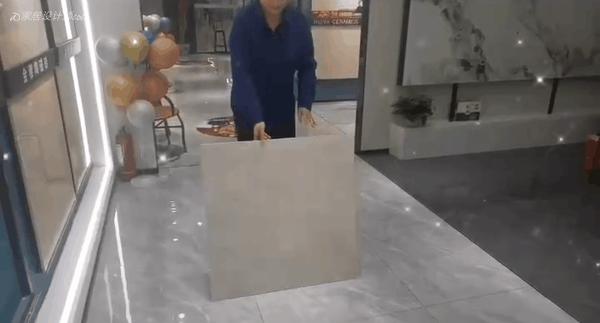
Drop tests have become a hot topic, with many bloggers and sellers joining in to prove their tiles are superior. However, relying on drop resistance to judge tile quality is misleading and片面. It only indicates certain aspects, and even cheap tiles can pass such tests.

If you let a tile fall at an angle instead of flat, even the hardest tile will shatter. Thus, drop tests are a sales gimmick and should not be trusted.

There’s no need to overly pursue tile hardness; older tiles with low hardness have lasted decades without breaking. Cracking is often due to poor installation, like hollow spots, so focus on skilled workers instead.

Myth 2: Two-Tile Flatness Test for All Tiles
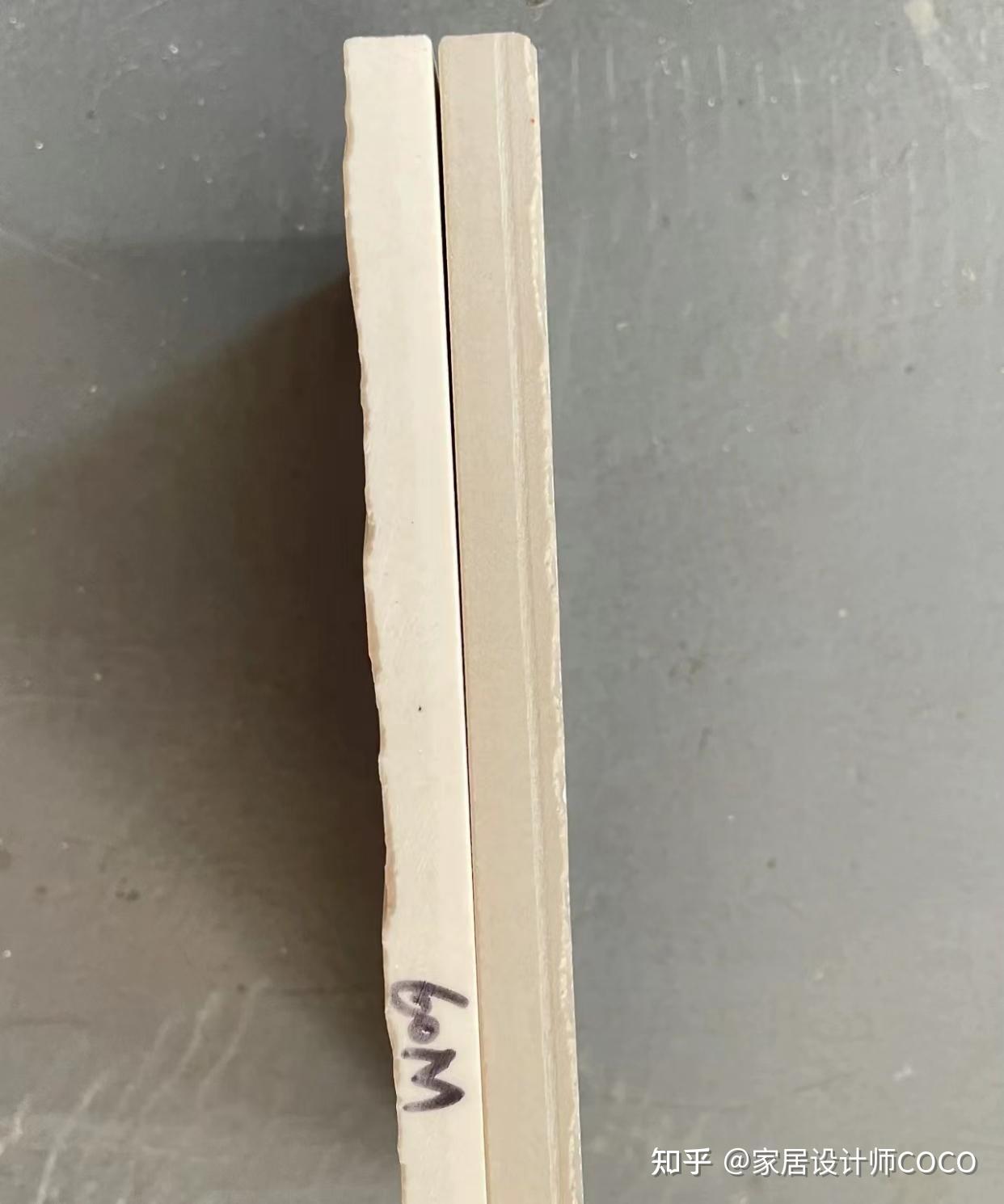
Pressing two tiles together to check for gaps is a popular method, but it only works for polished and glazed tiles, not for all types like antique or wood-grain tiles.

This test is not universal; for non-polished tiles, check for straight lines and slight curves instead.
Myth 3: Sound Test for Tile Density
Some claim that clearer sounds indicate higher density and better quality, but this is false. Different brands and materials produce varied sounds, and there’s no reliable basis for this method.
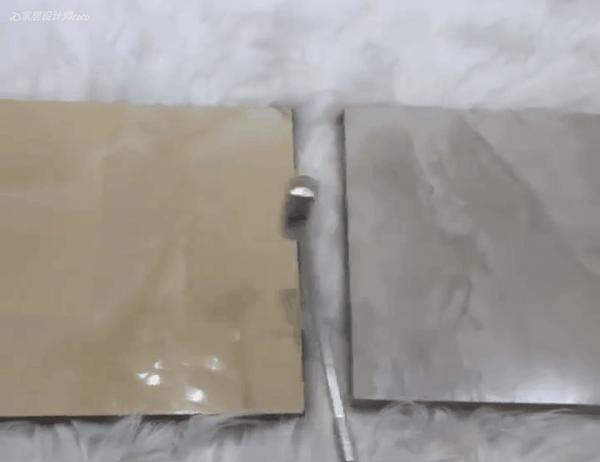
It’s like tapping a watermelon to check ripeness—seemingly expert but often ineffective. For density, simply compare weight: denser tiles are heavier.

Myth 4: Water Absorption Rate Determines Quality
Professionals often showcase low absorption rates, claiming it prevents water seepage and odors, but this is misleading. Absorption rate relates to density, not overall quality, and modern installation with grout prevents issues.

Older, cheaper tiles with high absorption have served well for years. The focus on absorption is mostly a marketing tactic for larger, more expensive tiles.

Myth 5: Larger Tiles Are Always Better
Bigger tiles mean fewer seams but don’t guarantee higher quality. They are more complex to produce and costlier, but for small spaces, they may be wasteful and ineffective.

Myth 6: Stain Resistance Test with Water-Based Pens
Using water-based pens to test stain resistance is deceptive, as they wipe off easily. Bring a oil-based pen for a true test of cleanability.

Myth 7: Matte Tiles Are Always More Slip-Resistant
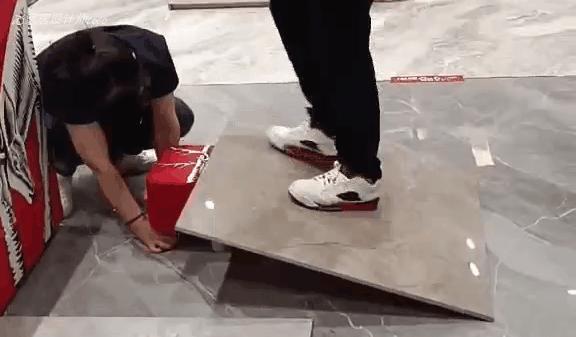
Slip resistance depends on the coefficient, not surface finish. A coefficient above 0.5 is generally safe; test by pouring water and walking on an inclined tile.
Myth 8: Air-Purifying Tiles Remove Formaldehyde
These tiles claim to clean air but have negligible effects and are overpriced. Proper ventilation is the only proven method for formaldehyde removal.

In summary, while some tile tips are useful, many are myths that can lead to poor decisions. Always verify methods and focus on practical testing.



 WhatsApp contact me online