• 0

    No products in the cart.

Ultimate Guide to Tile Selection: Types, Differences Between Wall and Floor Tiles, and Professional Installation Tips for Home Renovation

Choosing tiles for home renovation can be one of the most challenging tasks. Many homeowners have questions about tile materials, whether to buy wall and floor tiles together, how to identify quality tiles from regions like Guangdong, and why prices range from affordable to premium. With options like 30 yuan per tile to 3000 yuan, it’s essential to understand the basics to make informed decisions.

image

The key aspects of tile selection include material, aesthetics, and quality. First, let’s explore the differences between wall and floor tiles—they are not the same!

1. Can Wall and Floor Tiles Be Used Interchangeably?

Many wonder if attractive wall tiles can be used on floors or vice versa.

image

Answer: Types differ; floor tiles can be installed on walls, but wall tiles cannot be used on floors.

Reason: Floor tiles endure daily foot traffic, requiring high durability, hardness, and low water absorption. Wall tiles focus on decorative patterns and are not suitable for floors. However, using floor tiles on walls is possible but may involve higher labor costs due to complex installation.

When visiting a建材市场, you’ll notice various tile types like hexagonal, irregular, wood-grain, antique, micro-crystal, polished, glazed, and vitrified tiles.

image

For most home projects, it’s helpful to focus on three main material categories: polished tiles, glazed tiles, and vitrified tiles.
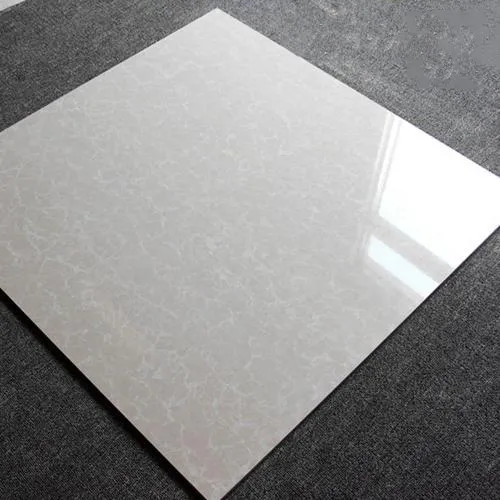
image

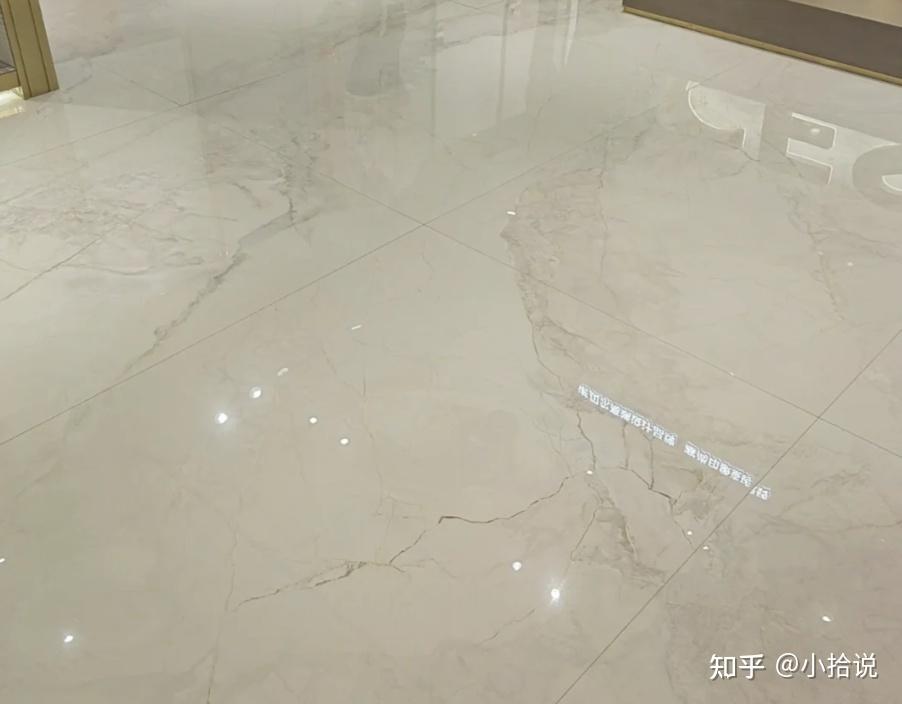
Polished tiles are common亮片砖 with a glossy surface, high hardness, and affordability, but their patterns may lack refinement.
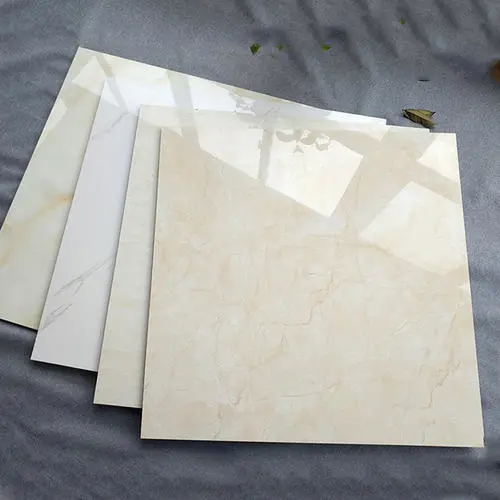
image

Glazed tiles, another type of亮光砖, offer more variety and intricate patterns, mimicking natural stone. However, they have lower slip resistance and are not ideal for high-moisture areas.
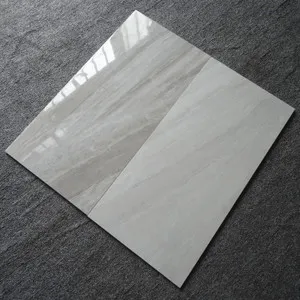
image

Vitrified tiles come in matte and glossy finishes and include subtypes like antique and wood-grain tiles. They provide excellent slip resistance, durability, and diverse designs, making them popular for indoor use.

In summary: Polished tiles offer the best value, glazed tiles have more aesthetic patterns, and vitrified tiles provide greater versatility. Choose based on your needs.

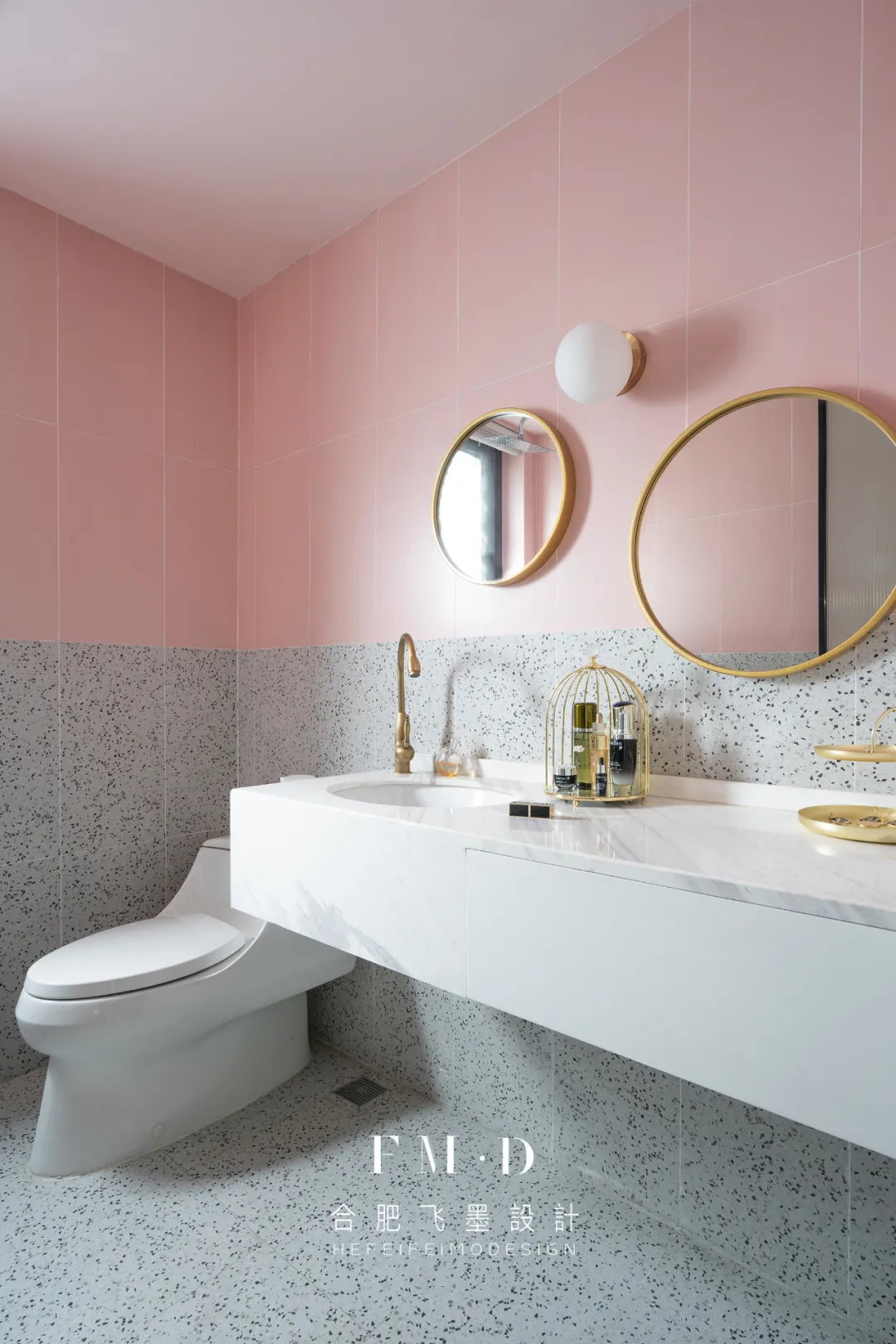
For wall tiles, selection can focus on aesthetics since small areas like accents won’t break the budget. Consider unique shapes and designs for visual appeal.
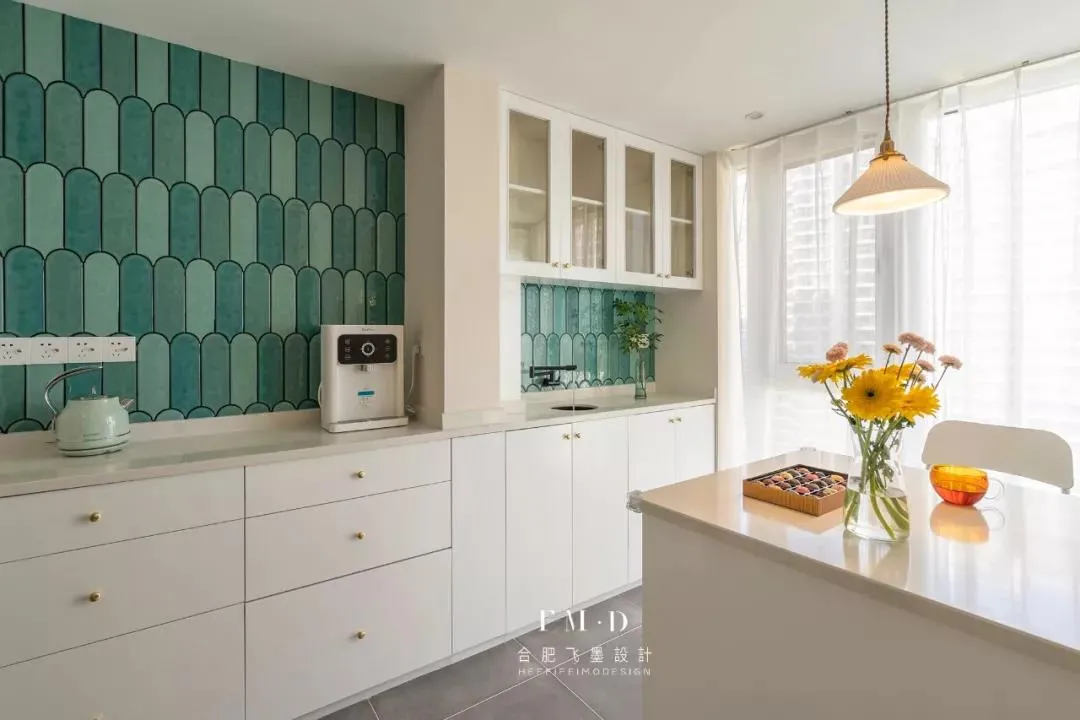
imageimageimageimage

Go for what looks best—you don’t have to compromise on style!

imageimage

Tile size matters: Smaller规格 increase installation difficulty, so consult a designer to avoid budget overruns. For cost-effectiveness, consider wall tiles in sizes like 300*300 or 300*600.

For floor tiles, base your choice on the room’s function.

imageimage

① Kitchen tiles should prioritize stain resistance—lighter colors often hide dirt better than dark ones.

② For wet areas like bathrooms and balconies, opt for slip-resistant tiles such as vitrified tiles.

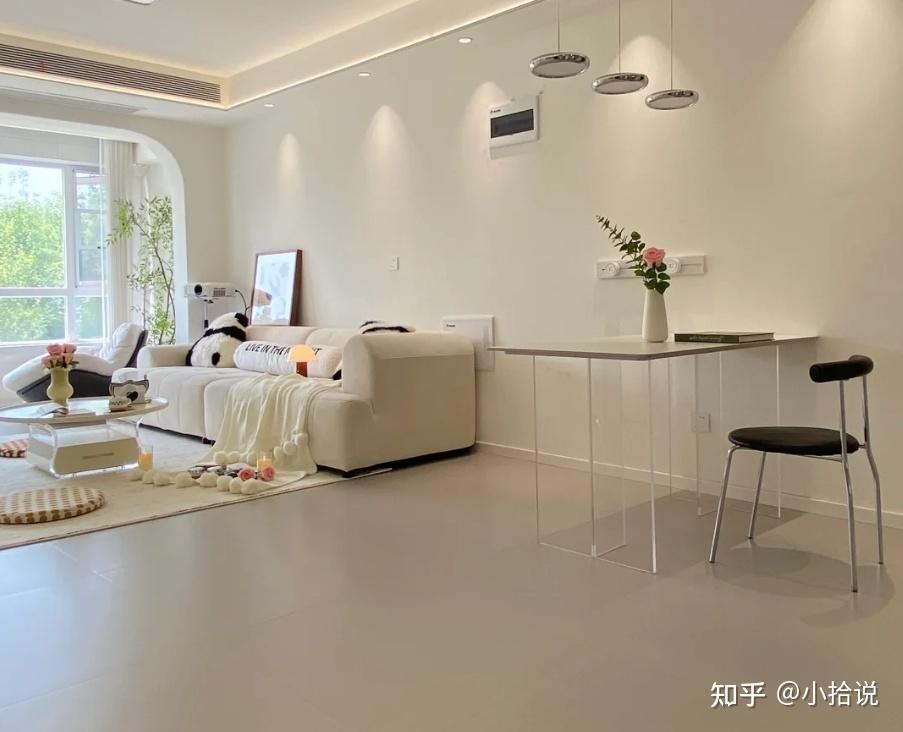
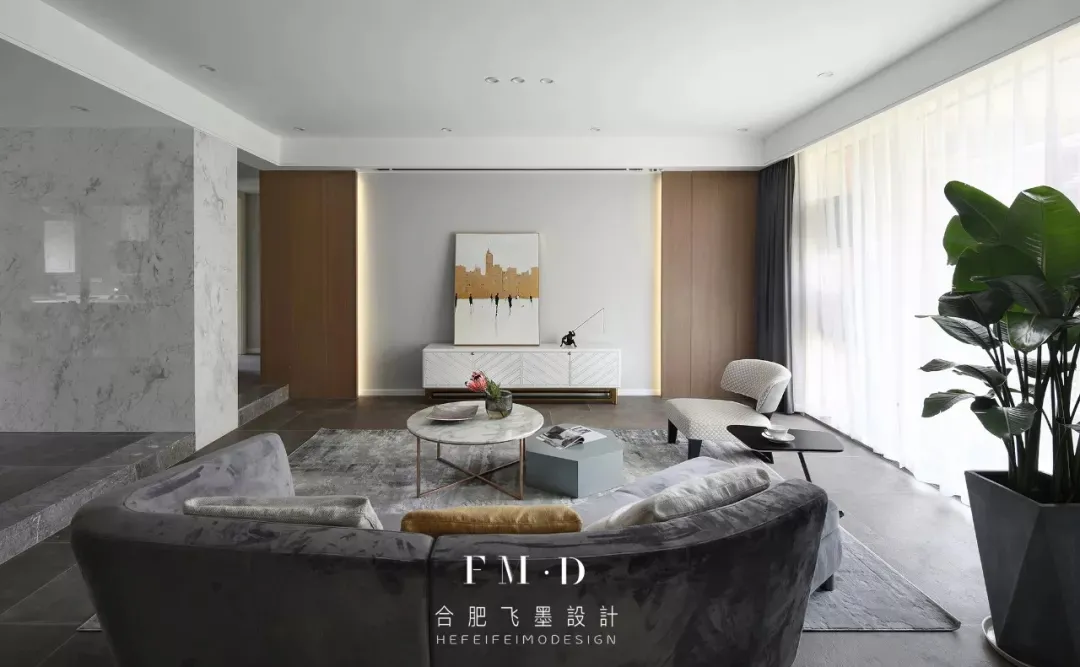
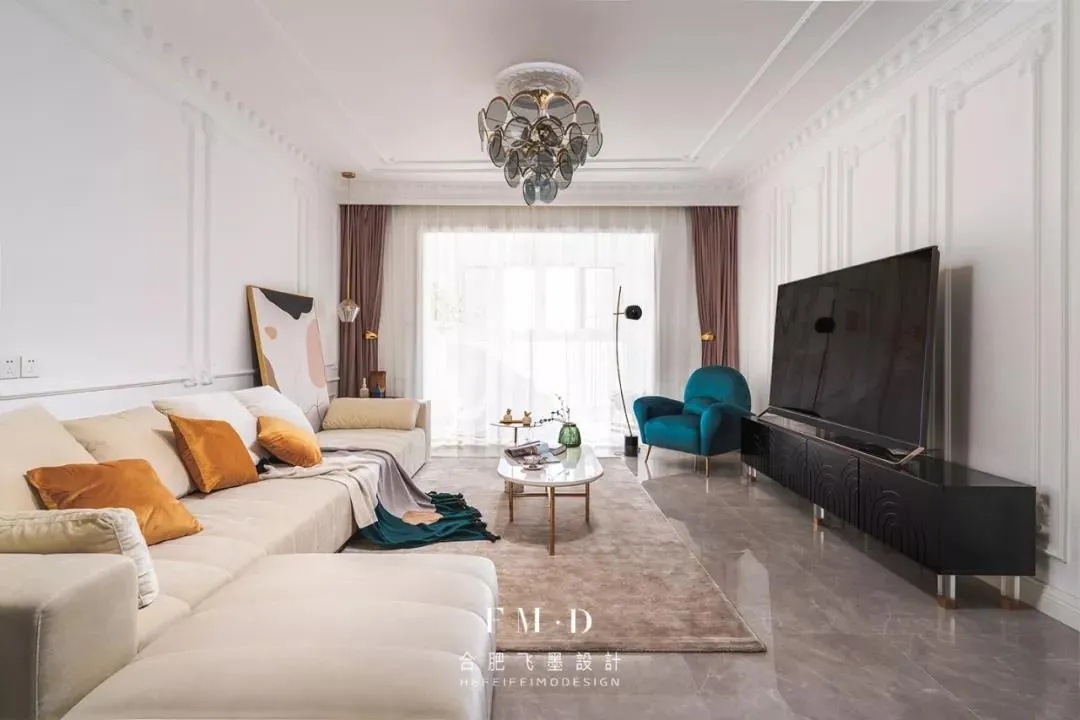
Since floor tiles cover large areas, avoid overly busy patterns. Neutral colors like gray are versatile and suit most styles.
imageimageimage

Gray is a timeless choice that complements any decor.
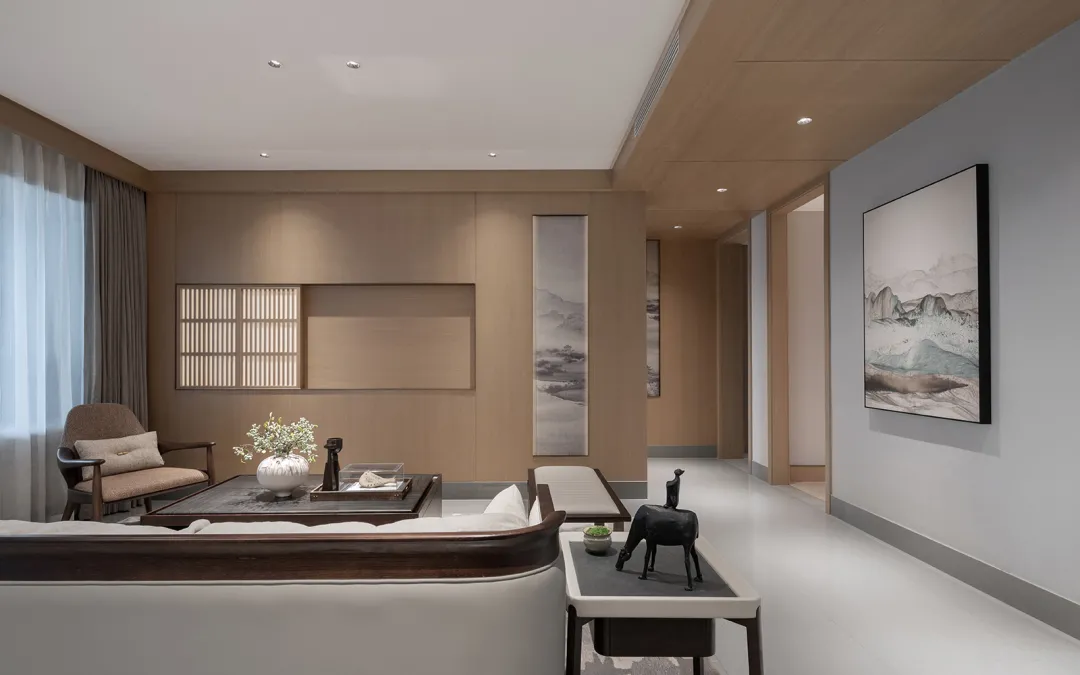
image

White tiles are also popular—they don’t show dirt easily, reducing cleaning frequency.
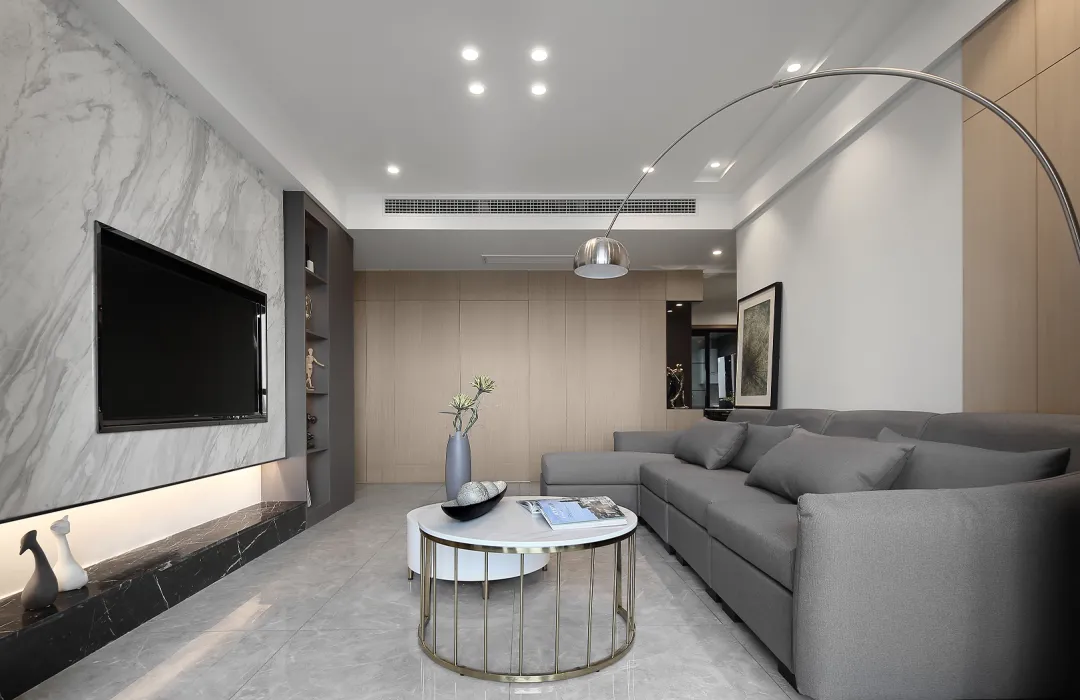
image

When unsure, follow this rule: furniture color > floor color > wall color. For poor lighting, choose glossy tiles; for strong sunlight, matte tiles work better.
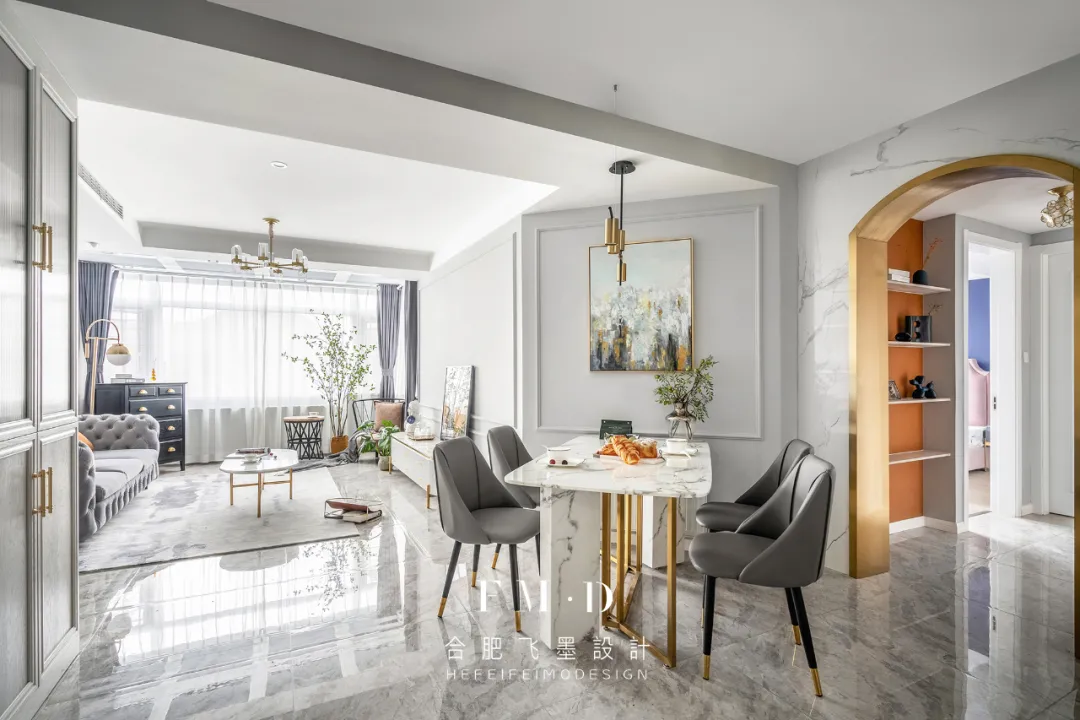
image

Antique tiles suit American style; glossy tiles fit luxury, minimalist, or European themes; matte tiles are ideal for Nordic or Japanese styles; wood-grain tiles mimic hardwood and adapt to any design.
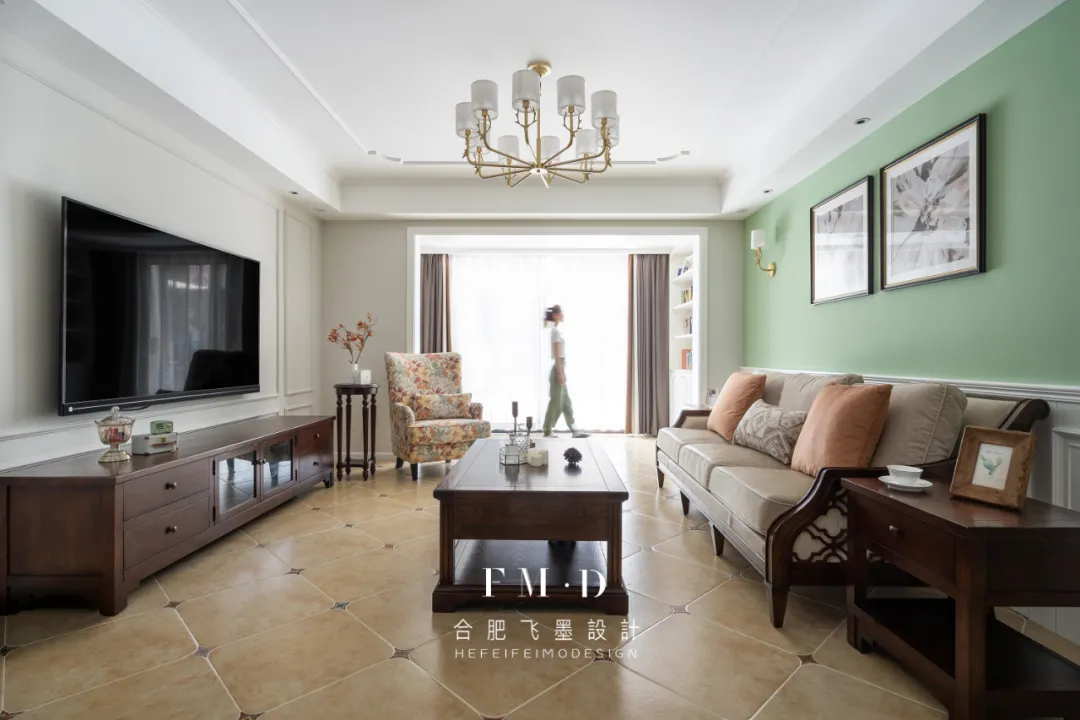
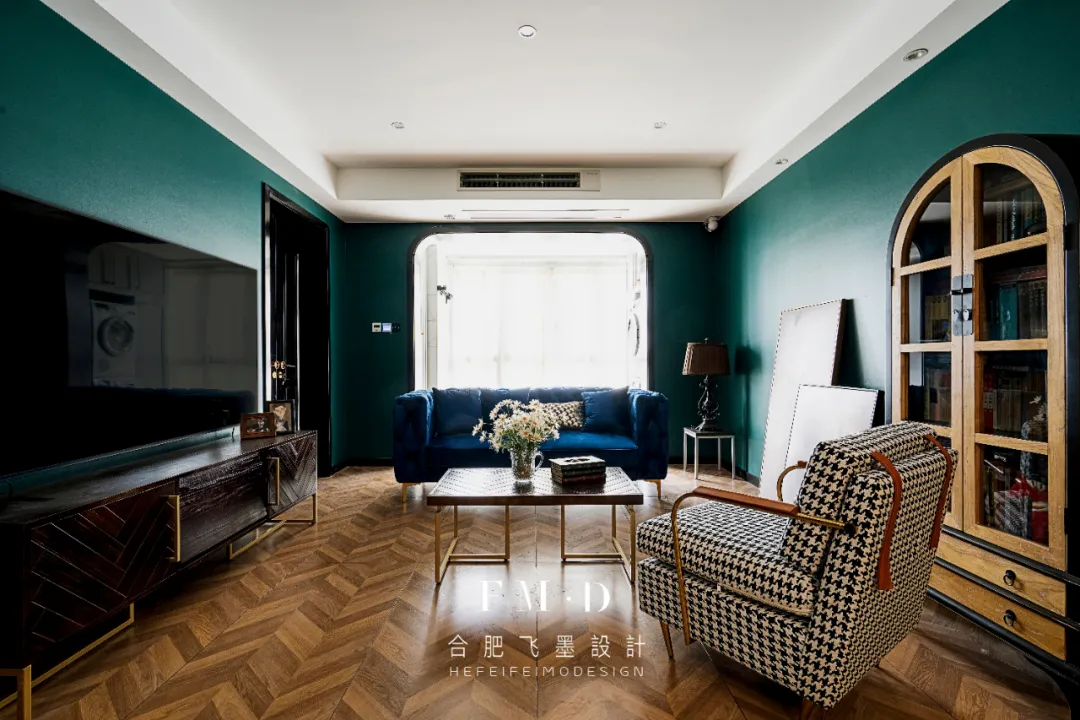
imageimageimageimage

Installation is crucial for aesthetics. Explore different laying patterns:
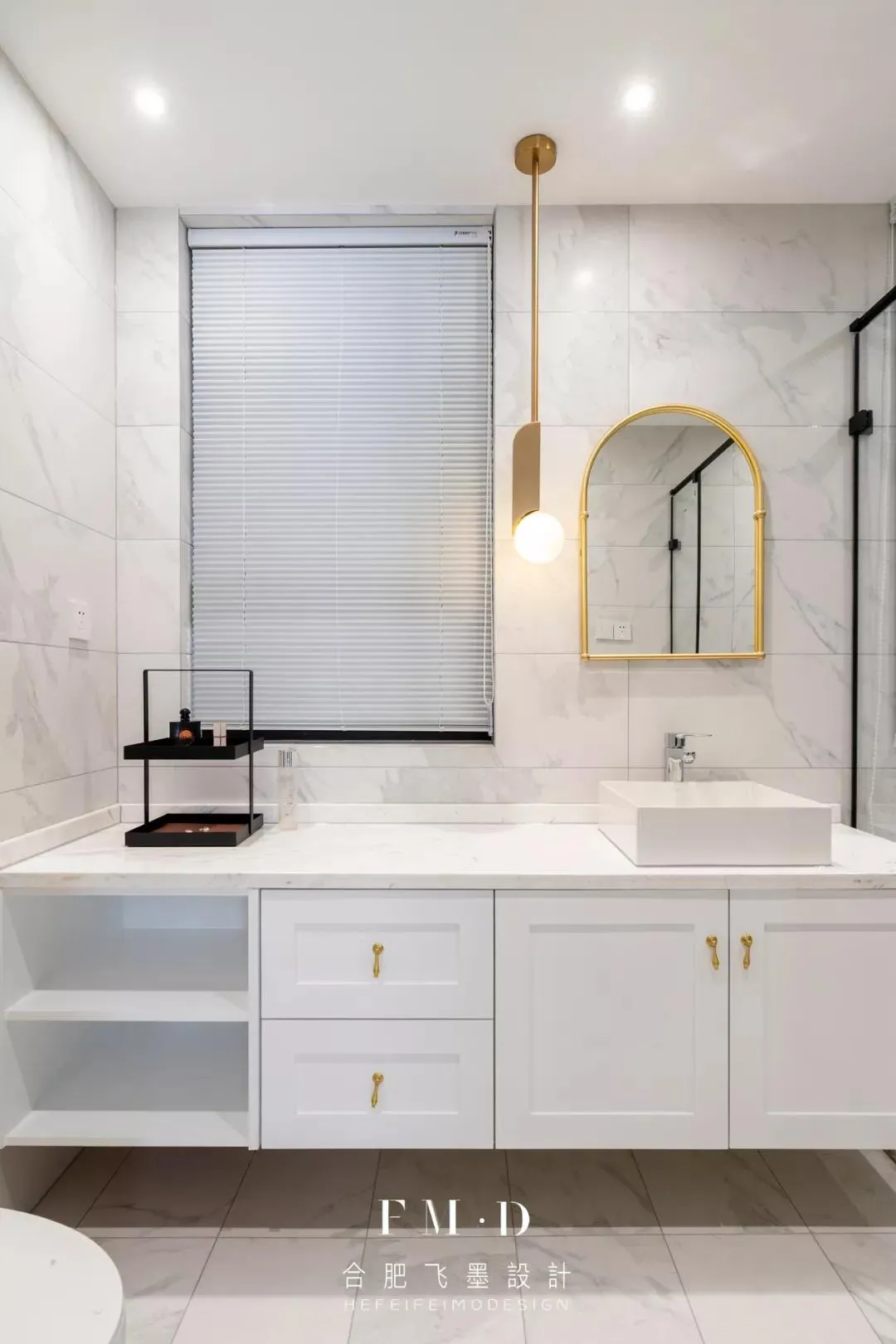
imageimageimageimage

Straight laying is the most common method for both walls and floors.

imageimageimageimageimage

Herringbone, chevron, and fishbone patterns work well with elongated tiles—they look stylish but cost more in labor.
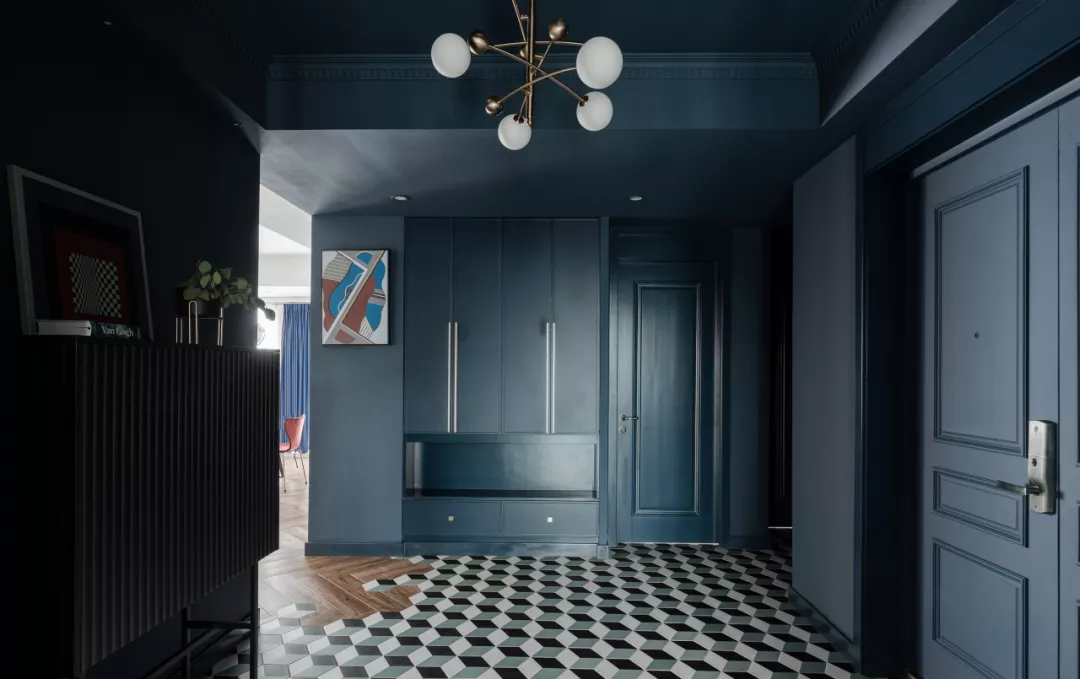
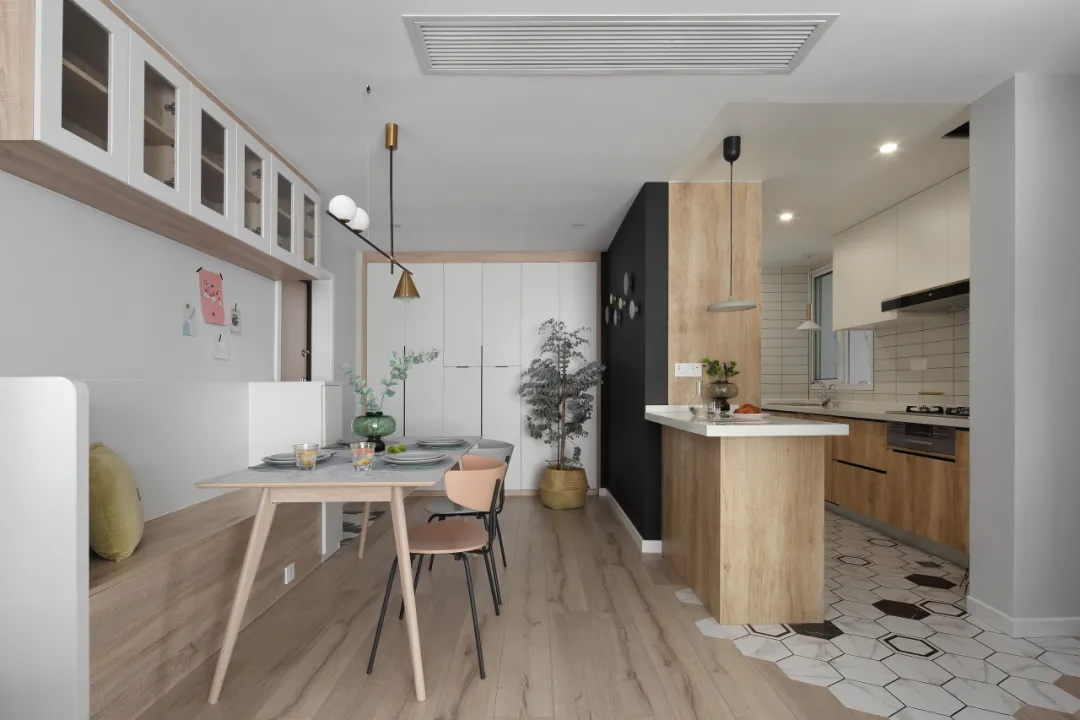
imageimageimage

Mixing materials in拼接 designs adds character and can define spaces at transitions.

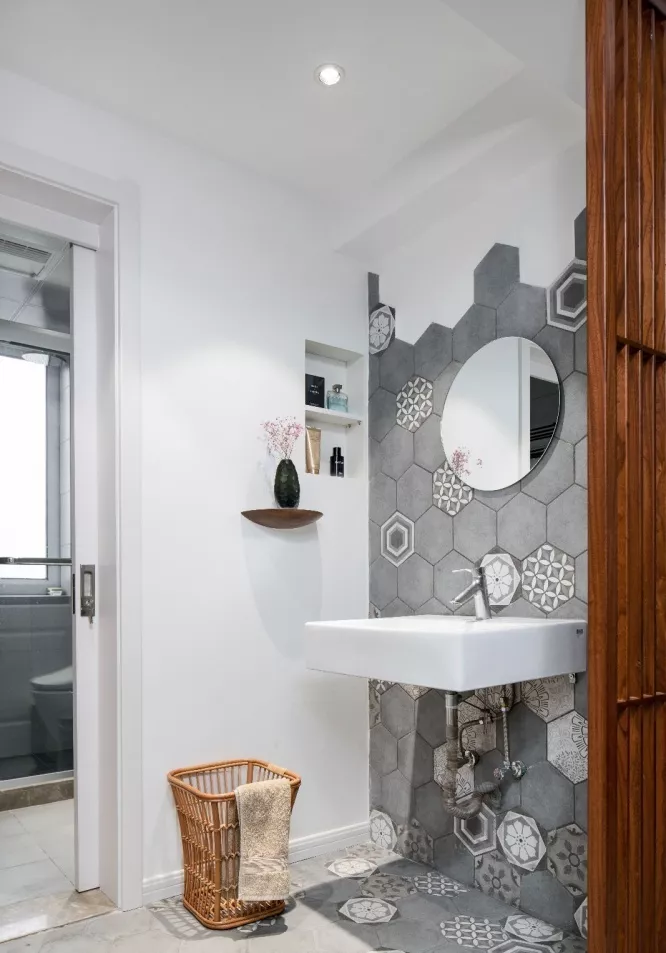
For a unique touch, extend the same tile from floor to wall—though this may increase costs.
image

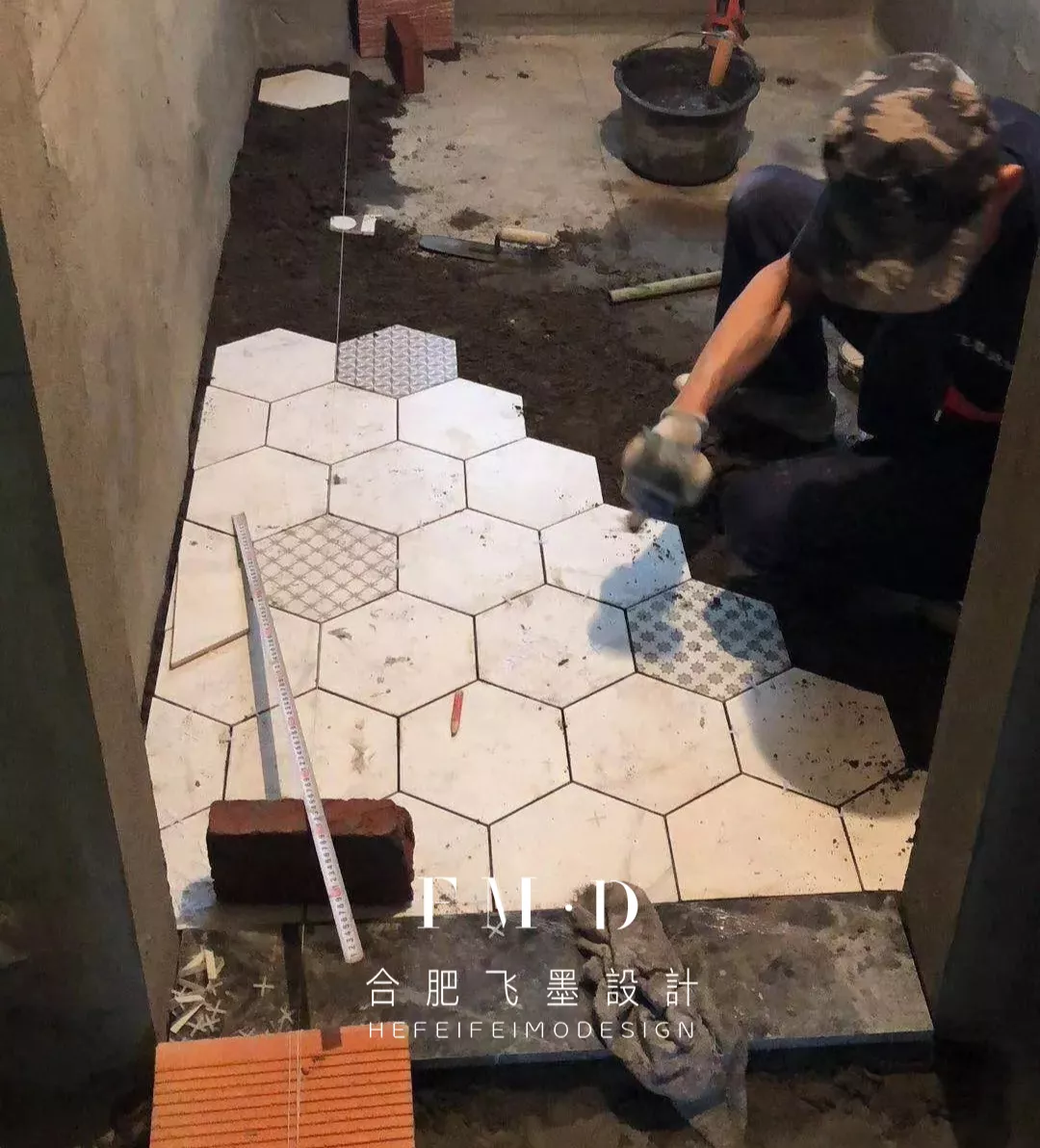
Proper installation techniques are vital. Floor tiles can be laid using dry or wet methods.
image

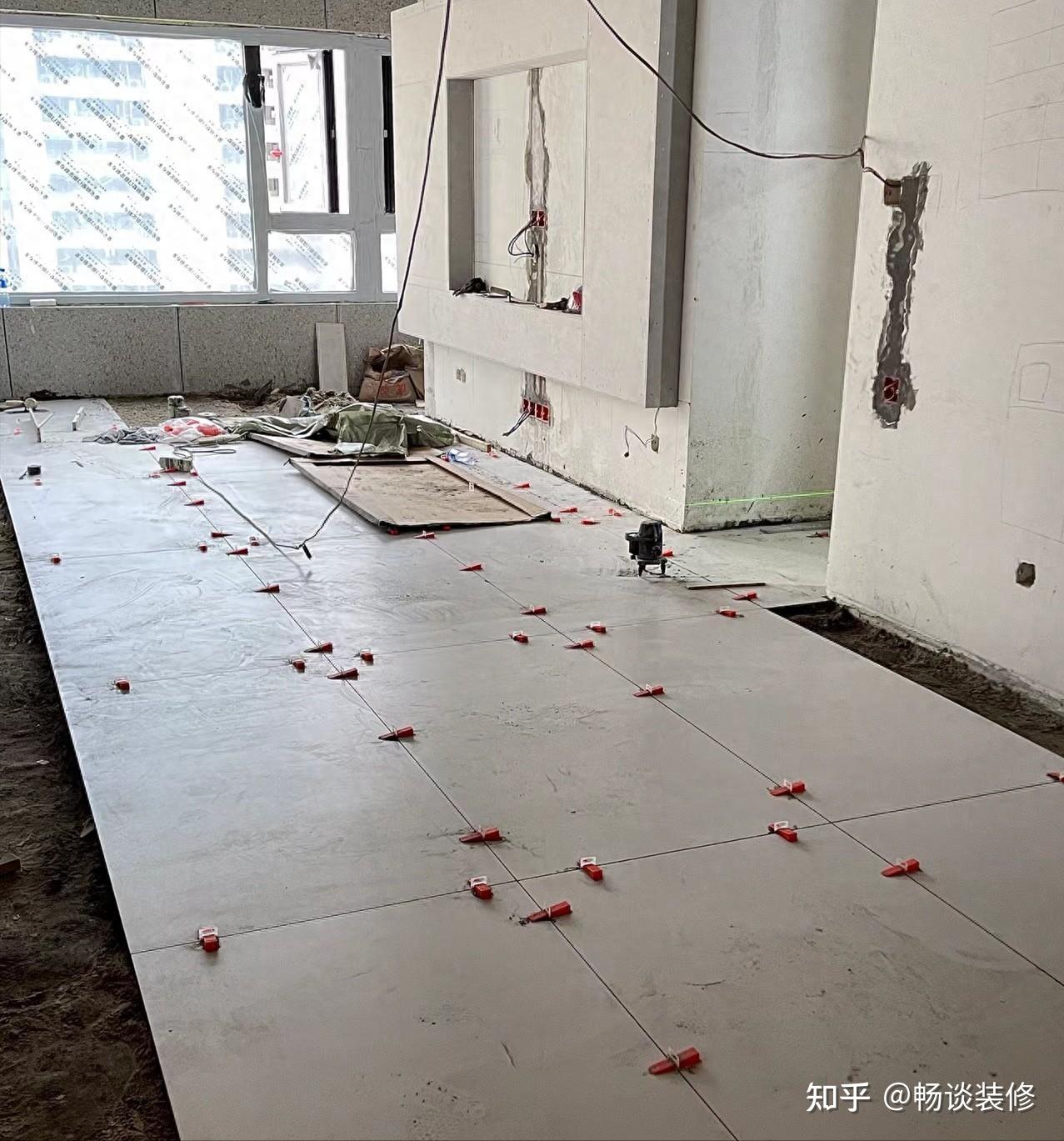
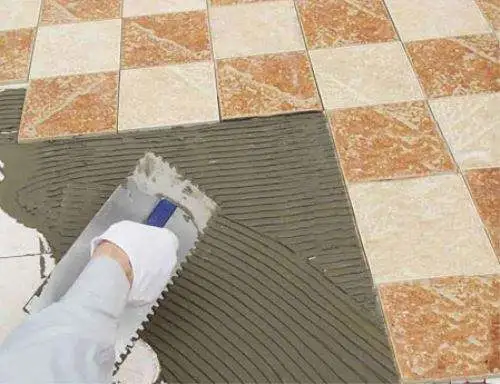
Dry laying uses dry cement mortar, minimizing bubbles and hollow spots. Steps include: setting level lines, using a 1:3 cement mix, applying a base layer, and ensuring proper slope for drainage in wet areas.
image

Wet laying employs traditional cement mortar—it’s cheaper but prone to hollow spots. Always pre-lay tiles to plan the layout. Dry laying is recommended for better quality where possible.

Wall tiles only use wet laying due to adhesion needs. Steps involve: creating a layout plan, checking wall conditions, cleaning tile backs, applying adhesive, and installing from bottom to top in layers.

image

After installation, don’t forget grouting for a finished look!
Avoid These Three Critical Mistakes in Tile Selection for Home Renovation – Expert Tips and Guidelines for Quality Assurance

Home renovation is a time-consuming and challenging task, especially if not done correctly the first time, as redoing it can be frustrating. Therefore, homeowners must be diligent when selecting materials and managing renovations. Tiles cover a significant area and are used for extended periods, so it is crucial to prioritize this aspect of material selection. Investing in high-quality tiles from reputable sources is essential and should not be overlooked. Below, we outline key techniques for choosing the best tiles. (Three misconceptions to avoid when selecting tiles)

Six essential techniques for selecting high-quality tiles:

The tile color should be uniform, with excellent surface smoothness and flatness, regular edges, and complete patterns. Inspect four to five tiles from a box for color variations, deformations, or defects like chipped edges or corners. Generally, clearer tile colors are preferable. Check visually for pinholes, as they can trap dirt and impurities.

Tiles are categorized into superior grade, first grade, second grade, third grade, and off-grade. Due to price variations, verify that the labeled grade matches the actual quality, and look for clear product certifications, trademarks, and quality inspection labels. High-quality tiles are free from bumps, bulges, or warping. Edges should be straight and flat, with side length errors not exceeding 0.2–0.3 cm and thickness errors within 0.1 cm; otherwise, they are substandard. Premium tiles facilitate easier installation, resulting in smooth, aesthetically pleasing surfaces, while also saving time, materials, and offering durability. Be cautious of tiles with side lengths over 0.2 cm incorrectly packaged as first-grade. Additionally, check for issues like missing glaze, cracks, peeling, damage, or adhered contaminants.

High-quality tiles feature consistent patterns, designs, and colors, with refined craftsmanship that appears visually appealing and free from color bleeding, misalignment, broken lines, or uneven shading.

Use sound to assess density. Tapping tiles produces a crisp sound if they have high ceramic density and hardness, indicating good quality. Alternatively, hold a tile corner with your left thumb, index, and middle fingers, let it hang loosely, and tap the mid-lower section with your right index finger. A clear, resonant sound denotes superior quality, while a dull, muddy sound suggests inferiority.

Conduct a water absorption test by dropping water on the tile’s back and observing the spread and absorption rate. Slower absorption indicates lower water absorption, higher internal stability, and greater density, making tiles ideal for humid areas like bathrooms and kitchens, as they resist issues like black spots. Faster absorption points to lower density and stability, increasing the risk of problems. A common method is pouring water on the tile’s back—slow or no absorption signifies better quality. (Tip: Methods for selecting and maintaining tile flooring)

Perform on-site measurements using a ruler or tape to check the tile’s sides and diagonals for accuracy. Higher dimensional precision ensures better installation results, and quality tiles simplify construction while saving time and materials. Measure each tile for consistency; superior tiles exhibit minimal size variations. Standard sizing is key to judging quality—use a tape or caliper to verify diagonal, side, and thickness uniformity. Good tiles emit a crisp sound, indicating high ceramic content, whereas a cracking noise may reveal internal fractures.

Evaluate surface quality by scratching the glaze with a hard object to test hardness.

Assess hardness and durability; superior tiles are hard, tough, and resistant to breakage. Examine broken fragments from shipping—fine, dense fractures with uniform color indicate quality. Scratch tile edges against each other; if they leave marks without powdering, they are high-grade, while powdering suggests poor quality. Quality tiles are easier for professionals to install, ensuring a standardized and neat finish.

Image

Ultimate Tile Selection Guide: 5 Essential Buys and 5 Common Mistakes to Avoid for Home Renovation and Flooring Tips

Selecting the right tiles for your home renovation is crucial, as they are a visible element that impacts the overall aesthetic. This guide covers key “5 must-buy” and “5 must-avoid” rules to help you make informed decisions. Avoid tiles with poor stain resistance, as stains can penetrate and become impossible to clean. Steer clear of uneven surfaces like antique or wood-grain tiles, which trap dirt and are hard to maintain. Dark-colored tiles can make spaces feel cramped and dim, while overly busy patterns may clash with your decor. Trendy “internet-famous” tiles often lead to installation issues and impracticality. Instead, purchase tiles from physical stores to avoid color discrepancies and simplify returns. Opt for tiles manufactured in Guangdong for guaranteed quality, choose 800×800 sizes for cost-effectiveness and visual appeal, select super wear-resistant options for long-lasting shine, and prefer single-brand operations for consistent quality.

Tile exampleTile selection tips

Complete Guide to Choosing and Buying Tiles: Expert Tips on Quality Inspection, Water Absorption, and Alignment for Home Renovation and Decoration Projects

Tiles are increasingly becoming the top choice for home decoration, and selecting the right tiles is a key consideration for every renovator. Here are some simple and effective methods to choose tiles effortlessly.

There are two main channels for purchasing tiles: online and in physical stores. It is recommended to visit physical stores to see products in person, avoid color discrepancies, and directly communicate with staff about tile details or after-sales support. Additionally, compare multiple stores and brands to find the best fit for your home.

imageimage

What types of tiles are generally suitable for home decoration?

Check the quality inspection report: Always request a recent quality certification from the merchant, ideally issued within the last six months and marked as qualified.

Inspect the tile surface: Look for defects like black spots, cracks, scratches, or chipped edges, and verify that the base has a clear product logo. Compare multiple tiles of the same type to check for color variations and ensure consistent dimensions.

Test water absorption: Place water droplets on the tile’s back—slower absorption indicates higher density and better quality, while faster absorption may suggest inferior tiles.

Evaluate tile alignment: Randomly select four tiles of the same size, arrange them together, and check for even joints. Good flatness and minimal gaps across directions signify high-quality tiles.

6 Tiles to Avoid in Home Renovation: Expert Tips on Choosing the Right Flooring for Kitchens, Bathrooms, and Living Spaces – Learn from Common Mistakes

Tiles are a major material in home renovation, directly impacting the aesthetics and comfort of a space. Even for kitchens, bathrooms, and balconies, careful selection is essential to avoid costly mistakes.

image

In the building materials market, tiles can be a tricky area with huge price variations, leading many families to regret their choices. This article summarizes six types of tiles to avoid, based on real-life experiences and pitfalls.

1. Avoid Black/Dark Gray Tiles: While black and gray are often associated with luxury in home design, they can make spaces feel oppressive and gloomy. For example, using them in bathrooms or living areas may reduce comfort and happiness.

imageimage

2. Avoid Matte Tiles: Matte tiles, a type of antique-style tile, have a rough surface with noticeable texture, offering good slip resistance and no light pollution. However, they tend to trap dirt and are extremely difficult to clean, making maintenance a hassle.

image

3. Avoid Soft-Polished Tiles: Soft-polished tiles are often confused with soft-gloss tiles. The former have a slightly rough surface due to polishing, making them prone to staining and hard to maintain. In contrast, soft-gloss tiles have a smoother finish and are easier to clean.

image

4. Avoid Oversized Tiles: Large-format tiles like 600×1200 or 900×1800 may seem luxurious, but they are not cost-effective for small spaces. Once furniture is placed, the visual impact diminishes, and 800×800 tiles often offer better value.

image

5. Avoid Non-Continuous Pattern Tiles: Textured tiles can enhance aesthetics, but if the patterns do not align seamlessly across multiple tiles, the result can look awkward and disjointed. Always check for continuous patterns before installation.

image

6. Avoid Wood-Look Tiles with Texture: Wood-look tiles mimic the warmth of wood but avoid those with pronounced textures, as they accumulate dirt and are challenging to clean. Opt for smooth surfaces instead.

image

In summary, focus on practical tile choices, supervise installation, and consider reputable brands to ensure quality and avoid regrets.

Top 5 Tile Selection Mistakes to Avoid for a Beautiful and Durable Home Flooring: Expert Tips on Gray Tiles, Water Absorption, and More

1. Do not blindly follow trends; choose gray tiles carefully.

In recent years, gray tiles have become very popular and are the first choice for many households. However, gray tiles are not suitable for all home environments. If your room has poor lighting, using large areas of gray tiles may make the space feel more oppressive and lack the warm atmosphere of a home.

2. Avoid tiles with water absorption that is too low or too high.

Water absorption is a key indicator of tile performance. Generally, the water absorption of household tiles should be maintained between 0.5% and 10%. Tiles with high water absorption can easily lead to wall seepage and mold issues, while tiles with low water absorption may cause problems during installation, such as hollowing or falling off. Therefore, when selecting tiles, always pay attention to the water absorption index.

3. Steer clear of overly irregular tiles.

Although small patterned tiles or mosaic tiles have visual appeal, they come with practical drawbacks. First, irregular tiles have more seams, which accumulate dust and dirt, making cleaning difficult. Second, the installation cost for irregular tiles is usually much higher than for standard tiles. Finally, over the long term, irregular tiles are less visually durable than conventional ones. Thus, when choosing tiles, prioritize standard sizes for better durability and timeless appeal.

4. Do not blindly pursue large-format tiles.

Large-format tiles can create a grand visual effect, but they often come with a higher price tag. Additionally, installing large-format tiles is more challenging and may require adhesives or other materials, increasing costs and potential environmental concerns. Therefore, select tile sizes based on actual needs and budget constraints.

5. Avoid tiles with overly complex patterns.

Tiles with intricate patterns can enhance aesthetic appeal but may cause visual fatigue over time. To maintain a fresh and comfortable space, opt for solid colors or simple patterns. Moreover, when selecting patterned tiles, avoid using the same version repeatedly; instead, mix different versions for a more natural and beautiful wall appearance.

By following these “five don’ts” principles for tile selection, you can save unnecessary expenses and avoid being misled by unscrupulous sellers. These guidelines also help create a more attractive, comfortable, and long-lasting home environment.

Ultimate Guide to Choosing High-Quality Tiles: Expert Tips for Durability, Aesthetics, and Avoiding Common Pitfalls in Home Renovation

Tiles are an essential decorative material in home renovation, used in various parts of the house. However, the market offers numerous types and brands of tiles, making it challenging for homeowners to select high-quality, cost-effective options without falling for scams.

Poor tile selection can lead to unsatisfactory decoration effects and compromised quality. Many homeowners encounter issues like cracks near kitchen stoves, widening gaps between tiles, black spots on surfaces, and a fishy odor after mopping floors.

These problems often stem from tile quality issues. For example, insufficient sintering and low hardness can cause cracks due to temperature fluctuations; uneven tile edges result in large gaps after installation; high iron content during firing leads to black spots; and low density allows water absorption, causing persistent odors.

So, how can you choose tiles and assess their quality? Here is a comprehensive guide to help you avoid pitfalls and make informed decisions.

For tiles of the same specification, heavier weight typically indicates better quality, as higher density enhances pressure resistance and wear performance.

High-quality tiles feature clear patterns, minimal color variation, uniform color, gloss, and fine craftsmanship, without black spots, cracks, or scratches.

When purchasing tiles, always check the quality inspection report, prioritizing those with reports issued within the last six months and certified as qualified.

Perform a water absorption test by dropping water on the tile’s back. Quick absorption suggests low density and poor quality, while slow absorption indicates high density and superior quality.

Gently tap the tile with your finger. A clear, crisp sound signifies no cracks and low water absorption, denoting good quality; a dull, muffled sound points to poor sintering, potential cracks, and low strength.

Place tiles from the same batch on a flat surface to check for unevenness. Also, examine the joint effect of two tiles; high-quality tiles maintain straight lines, minimal deformation, and a smooth, aesthetic surface after installation.

Complete Guide to Home Renovation Materials: Selecting Auxiliary and Main Supplies for SEO-Friendly Content and Practical Tips

First, Let’s Talk About Auxiliary Materials

When it comes to home renovation materials, they can be broadly divided into two categories: auxiliary materials and main materials. Auxiliary materials are used during the basic construction phase to meet essential needs like water supply, electricity, and structural support. Examples include water pipes, electrical wires, waterproof coatings, cement, sand, and ceiling frames. These materials are hidden behind decorative layers once the renovation is complete, making them invisible to homeowners after moving in.

Auxiliary materials often have a simple and healthy market dominated by large, nearly monopolistic brands such as Saint-Gobain for gypsum boards, Oriental Yuhong for waterproofing, and Golden Bull for pipes. Even regional brands like Chuanlu for conduit pipes or Tapai for wires in Sichuan are reliable. Generally, homeowners encounter no more than five well-known brands per category, ensuring quality and longevity—products from these brands can last over a decade without issues. The price difference between brands is minimal; for instance, Tapai wires cost around 122 RMB per 100-meter roll, while premium options like JinDiao flame-retardant wires are only about 152 RMB, resulting in a minor cost difference for entire projects. Compared to main materials, auxiliary materials are like daily necessities—affordable and straightforward to choose, with less time spent on selection due to low unit prices and bundled offerings in semi-packaged or full-packaged renovation contracts.

tile image

Now, Focusing on Main Materials

Main materials account for the largest portion of the renovation budget and include visible elements that enhance comfort and aesthetics, such as flooring, tiles, paint, toilets, showers, and kitchen appliances. The market is complex, with numerous brands and models, so I’ve divided it into four parts for clarity.

Flooring and Tiles: For tiles, the common question is whether to buy Guangdong tiles for better quality. In reality, this is often a marketing gimmick; in places like Chengdu, about 90% of so-called ‘Guangdong tiles’ are actually from Jiajiang. Authentic Guangdong tiles are expensive due to transport costs, and for budgets under 200 RMB/sq.m., it’s better to opt for reliable brands. When selecting tiles, check the body color—good tiles have gray or off-white bodies—and avoid those with impurities like black spots, which indicate poor quality. The glaze should be thick to prevent wear. Brand溢价 is severe; for example, some top brands once offered 50% sales commissions. However, tile production isn’t overly complex, so non-branded options at 120–150 RMB/sq.m. for 800×800 mm living room tiles or 70–80 RMB/sq.m. for 300×300 mm bathroom tiles are sufficient. Expensive tiles mainly offer better patterns and textures, not practicality. For flooring, price reflects material costs—solid wood is pricier than composite or laminate—and environmental concerns about formaldehyde are manageable with certified products.

Custom Cabinets and Wardrobes: Custom cabinets are a major expense, with brands like索菲亚 or欧派 costing around 1300 RMB/sq.m., while smaller vendors charge 600–800 RMB/sq.m. The quality gap isn’t huge, as both use standard boards (e.g., Kronospan, Egger, TuBaobao), but differences lie in design and installation details. For budget-conscious families, smaller vendors offer good value.

Kitchen Cabinets: These are similar to wardrobes but have a tricky pricing structure—countertops, cabinets, and accessories like pull-out baskets are billed separately, leading to potential surprises. Package deals might seem attractive but often exclude key items, so careful calculation is essential.

Doors and Windows: Brand溢价 is high for wooden doors, but a 1000+ RMB painted door suffices for basic needs. Upgrading hardware like locks and soundproofing strips can improve performance without overspending. Expensive doors don’t necessarily add much value beyond aesthetics, which are often copied across brands. For windows, customization is more involved and covered in dedicated guides.

window image

Bathroom Fixtures: This market is mature, with products like toilets, vanity cabinets, showers, and五金件 (e.g., drains, angle valves). Brands offer reliable quality and aren’t heavily discounted, so bargains might indicate counterfeits. Investing in branded bathroom fixtures is worthwhile for durability and experience, and upgrading small五金件 to the best within budget is cost-effective due to low unit prices.

Other Materials: Wall decorations like latex paint, diatom mud, and wallpaper fall under main materials. Latex paint has seen reduced溢价 as consumers become more rational about甲醛 claims. Diatom mud isn’t a scam if used for its intended purpose, such as moisture control. Wallpaper suits cozy styles but isn’t as cost-effective as paint for minimalist designs.

This guide provides practical advice to help homeowners make informed choices during renovation.

We are a very complete car parts, 95% of the basic accessories can be found

×
WhatsApp WhatsApp contact me online