• 0

    No products in the cart.

Avoid These Three Critical Mistakes in Tile Selection for Home Renovation – Expert Tips and Guidelines for Quality Assurance

Home renovation is a time-consuming and challenging task, especially if not done correctly the first time, as redoing it can be frustrating. Therefore, homeowners must be diligent when selecting materials and managing renovations. Tiles cover a significant area and are used for extended periods, so it is crucial to prioritize this aspect of material selection. Investing in high-quality tiles from reputable sources is essential and should not be overlooked. Below, we outline key techniques for choosing the best tiles. (Three misconceptions to avoid when selecting tiles)

Six essential techniques for selecting high-quality tiles:

The tile color should be uniform, with excellent surface smoothness and flatness, regular edges, and complete patterns. Inspect four to five tiles from a box for color variations, deformations, or defects like chipped edges or corners. Generally, clearer tile colors are preferable. Check visually for pinholes, as they can trap dirt and impurities.

Tiles are categorized into superior grade, first grade, second grade, third grade, and off-grade. Due to price variations, verify that the labeled grade matches the actual quality, and look for clear product certifications, trademarks, and quality inspection labels. High-quality tiles are free from bumps, bulges, or warping. Edges should be straight and flat, with side length errors not exceeding 0.2–0.3 cm and thickness errors within 0.1 cm; otherwise, they are substandard. Premium tiles facilitate easier installation, resulting in smooth, aesthetically pleasing surfaces, while also saving time, materials, and offering durability. Be cautious of tiles with side lengths over 0.2 cm incorrectly packaged as first-grade. Additionally, check for issues like missing glaze, cracks, peeling, damage, or adhered contaminants.

High-quality tiles feature consistent patterns, designs, and colors, with refined craftsmanship that appears visually appealing and free from color bleeding, misalignment, broken lines, or uneven shading.

Use sound to assess density. Tapping tiles produces a crisp sound if they have high ceramic density and hardness, indicating good quality. Alternatively, hold a tile corner with your left thumb, index, and middle fingers, let it hang loosely, and tap the mid-lower section with your right index finger. A clear, resonant sound denotes superior quality, while a dull, muddy sound suggests inferiority.

Conduct a water absorption test by dropping water on the tile’s back and observing the spread and absorption rate. Slower absorption indicates lower water absorption, higher internal stability, and greater density, making tiles ideal for humid areas like bathrooms and kitchens, as they resist issues like black spots. Faster absorption points to lower density and stability, increasing the risk of problems. A common method is pouring water on the tile’s back—slow or no absorption signifies better quality. (Tip: Methods for selecting and maintaining tile flooring)

Perform on-site measurements using a ruler or tape to check the tile’s sides and diagonals for accuracy. Higher dimensional precision ensures better installation results, and quality tiles simplify construction while saving time and materials. Measure each tile for consistency; superior tiles exhibit minimal size variations. Standard sizing is key to judging quality—use a tape or caliper to verify diagonal, side, and thickness uniformity. Good tiles emit a crisp sound, indicating high ceramic content, whereas a cracking noise may reveal internal fractures.

Evaluate surface quality by scratching the glaze with a hard object to test hardness.

Assess hardness and durability; superior tiles are hard, tough, and resistant to breakage. Examine broken fragments from shipping—fine, dense fractures with uniform color indicate quality. Scratch tile edges against each other; if they leave marks without powdering, they are high-grade, while powdering suggests poor quality. Quality tiles are easier for professionals to install, ensuring a standardized and neat finish.

Image

Guide to Choosing High-Quality Tiles: 8 Essential Testing Methods for Home Renovation and Durability Assessment

When renovating, tiles are almost always used, but do you know how to select high-quality tiles? This guide provides 8 effective methods to evaluate tile quality, helping you avoid substandard products. Start by inspecting the tile surface for defects like pinholes, glaze residues, or dirt. High glossiness indicates better sintering and overall quality; good tiles reflect light like a mirror, while poor ones appear dull.

Tile Surface Inspection

Check dimensional accuracy by measuring diagonals with a tape measure. Tiles within national standards for length and width errors (e.g., ±0.5% and ±0.3%) ensure better installation results.

Dimensional Check

Tap the tile lightly; a clear, crisp sound suggests high density and good quality, while a dull sound indicates poor sintering. Perform a drop test: high-quality tiles won’t break when dropped vertically, demonstrating strength.

Drop Test

Heavier tiles generally have higher density and better quality, with uniform thickness and no edge defects. Test load-bearing capacity by standing on a suspended tile; good tiles withstand weight without cracking.

Weight and Load TestLoad Test Setup

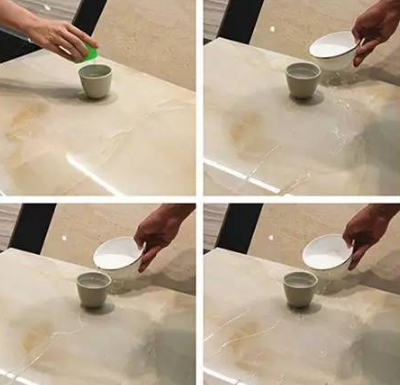
For slip resistance, place a water cup on a slanted tile surface with water; no sliding indicates good anti-slip properties, crucial for areas like bathrooms. Test water absorption by pouring water on the tile; low absorption (under 0.5% for porcelain tiles) means better stability and resistance to cracking.

Slip TestWater Absorption Test

Use diluted ink on the tile back; minimal absorption signifies quality. Finally, assess corrosion and wear resistance by scratching with a pen or scissors and wiping clean; no marks indicate durability against chemicals and abrasion.

Ink TestWear Test

Expert Guide to Tile Selection: Types, Room-Specific Tips, and Key Factors for Choosing the Best Tiles for Home Decoration

Choosing tiles for home decoration can be overwhelming due to the wide variety of styles and colors available. This guide provides essential secrets to help you select the perfect tiles effortlessly.

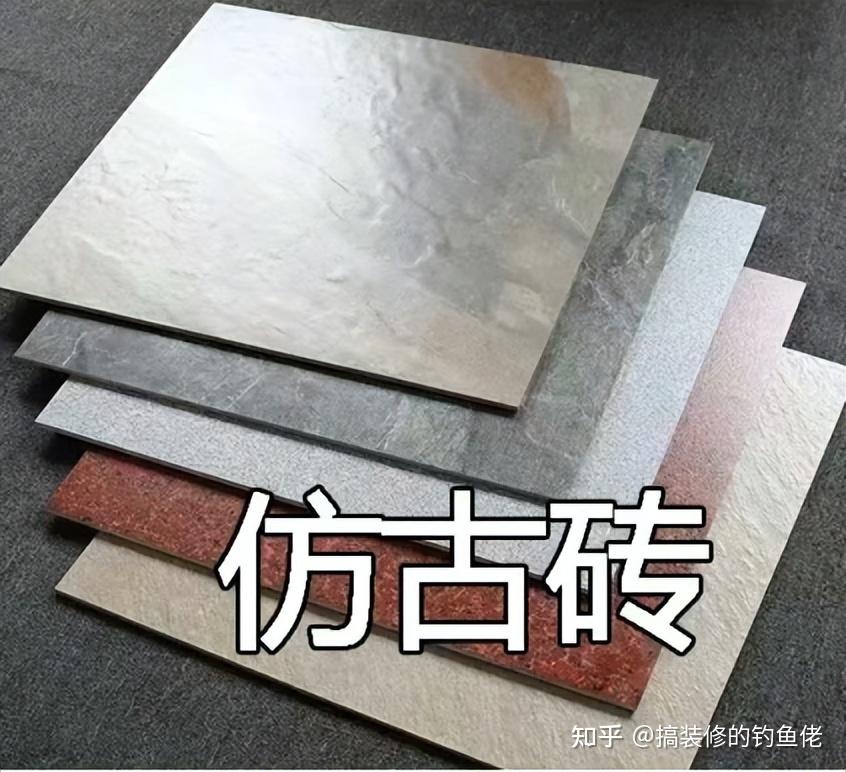
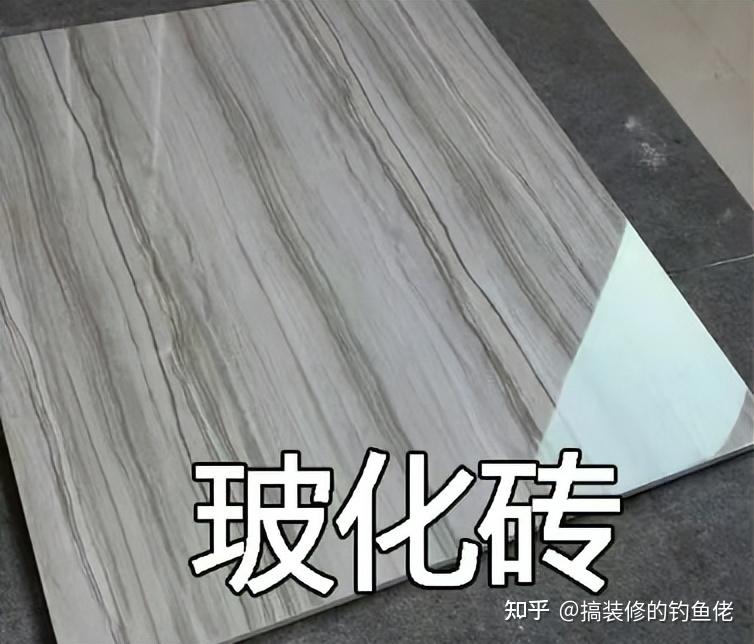
Tiles come in many types, including polished tiles, glazed tiles, antique tiles, vitrified tiles, and full-body tiles, each with distinct characteristics and suitable applications for different spaces.

imageimageimageimage

How to choose tiles for different areas of your home:

image

Bathroom tiles: Recommended sizes include 600*600mm and 300*300mm. Glazed tiles offer stain resistance and a matte texture, with light colors making the space appear larger, while dark colors may require attention to water stain issues.

image

Bedroom tiles: The common size is 600*600mm, but for wood-look tiles, 200*1200mm is ideal for an aesthetic and spacious feel. Matte glazed tiles and wood-look tiles are top choices for bedrooms, providing a stylish appearance and excellent slip resistance.

image

Balcony tiles: Recommended sizes are 330*330mm, 300*600mm, or 300*300mm. Opt for tiles with high water absorption, such as antique tiles or matte anti-slip tiles, which are durable and offer radiation resistance.

image

Key factors to consider when selecting tiles:

1. Environmental safety: Check the product’s radiation level to ensure it meets standards.

2. Gloss level: Not all tiles need to be highly glossy; the glaze and polish determine brightness, with below 20 degrees considered matte and darker in tone.

3. Slip resistance: Unpolished full-body tiles > antique tiles > full-glaze tiles. Generally, a slip coefficient above 0.5 is acceptable for safety.

4. Water resistance: Water absorption is a crucial quality indicator, but it’s not absolute. For humid areas like bathrooms and kitchens, low absorption tiles are recommended to prevent issues.

5. Quality check: Test the tile surface by scratching it with a hard object; if marks remain, it indicates poor耐磨性 and inferior quality.

With these insights, tile selection becomes straightforward. Master these techniques to easily find the ideal tiles for your home.

Top 5 Tile Selection Mistakes to Avoid for a Beautiful and Durable Home Flooring: Expert Tips on Gray Tiles, Water Absorption, and More

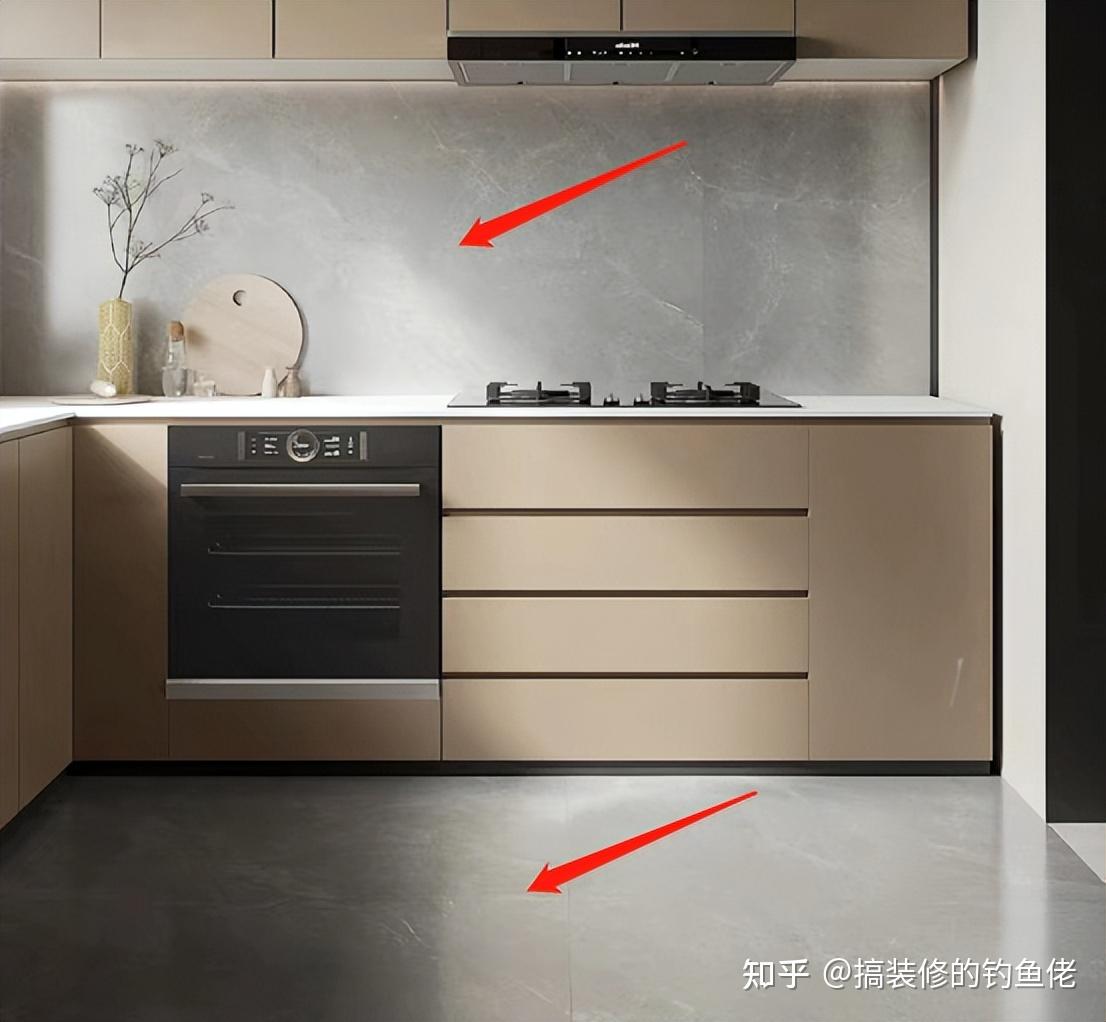
1. Do not blindly follow trends; choose gray tiles carefully.

In recent years, gray tiles have become very popular and are the first choice for many households. However, gray tiles are not suitable for all home environments. If your room has poor lighting, using large areas of gray tiles may make the space feel more oppressive and lack the warm atmosphere of a home.

2. Avoid tiles with water absorption that is too low or too high.

Water absorption is a key indicator of tile performance. Generally, the water absorption of household tiles should be maintained between 0.5% and 10%. Tiles with high water absorption can easily lead to wall seepage and mold issues, while tiles with low water absorption may cause problems during installation, such as hollowing or falling off. Therefore, when selecting tiles, always pay attention to the water absorption index.

3. Steer clear of overly irregular tiles.

Although small patterned tiles or mosaic tiles have visual appeal, they come with practical drawbacks. First, irregular tiles have more seams, which accumulate dust and dirt, making cleaning difficult. Second, the installation cost for irregular tiles is usually much higher than for standard tiles. Finally, over the long term, irregular tiles are less visually durable than conventional ones. Thus, when choosing tiles, prioritize standard sizes for better durability and timeless appeal.

4. Do not blindly pursue large-format tiles.

Large-format tiles can create a grand visual effect, but they often come with a higher price tag. Additionally, installing large-format tiles is more challenging and may require adhesives or other materials, increasing costs and potential environmental concerns. Therefore, select tile sizes based on actual needs and budget constraints.

5. Avoid tiles with overly complex patterns.

Tiles with intricate patterns can enhance aesthetic appeal but may cause visual fatigue over time. To maintain a fresh and comfortable space, opt for solid colors or simple patterns. Moreover, when selecting patterned tiles, avoid using the same version repeatedly; instead, mix different versions for a more natural and beautiful wall appearance.

By following these “five don’ts” principles for tile selection, you can save unnecessary expenses and avoid being misled by unscrupulous sellers. These guidelines also help create a more attractive, comfortable, and long-lasting home environment.

Ultimate Guide to Choosing High-Quality Tiles: Expert Tips for Durability, Aesthetics, and Avoiding Common Pitfalls in Home Renovation

Tiles are an essential decorative material in home renovation, used in various parts of the house. However, the market offers numerous types and brands of tiles, making it challenging for homeowners to select high-quality, cost-effective options without falling for scams.

Poor tile selection can lead to unsatisfactory decoration effects and compromised quality. Many homeowners encounter issues like cracks near kitchen stoves, widening gaps between tiles, black spots on surfaces, and a fishy odor after mopping floors.

These problems often stem from tile quality issues. For example, insufficient sintering and low hardness can cause cracks due to temperature fluctuations; uneven tile edges result in large gaps after installation; high iron content during firing leads to black spots; and low density allows water absorption, causing persistent odors.

So, how can you choose tiles and assess their quality? Here is a comprehensive guide to help you avoid pitfalls and make informed decisions.

For tiles of the same specification, heavier weight typically indicates better quality, as higher density enhances pressure resistance and wear performance.

High-quality tiles feature clear patterns, minimal color variation, uniform color, gloss, and fine craftsmanship, without black spots, cracks, or scratches.

When purchasing tiles, always check the quality inspection report, prioritizing those with reports issued within the last six months and certified as qualified.

Perform a water absorption test by dropping water on the tile’s back. Quick absorption suggests low density and poor quality, while slow absorption indicates high density and superior quality.

Gently tap the tile with your finger. A clear, crisp sound signifies no cracks and low water absorption, denoting good quality; a dull, muffled sound points to poor sintering, potential cracks, and low strength.

Place tiles from the same batch on a flat surface to check for unevenness. Also, examine the joint effect of two tiles; high-quality tiles maintain straight lines, minimal deformation, and a smooth, aesthetic surface after installation.

We are a very complete car parts, 95% of the basic accessories can be found

×
WhatsApp WhatsApp contact me online