
• 0

    No products in the cart.

Ultimate Guide to Choosing High-Quality Tiles: Surface Gloss, Water Absorption, Sound Test, Weight, Dimensions, and Flatness Evaluation for Durability

1. Check the tile surface and water absorption.

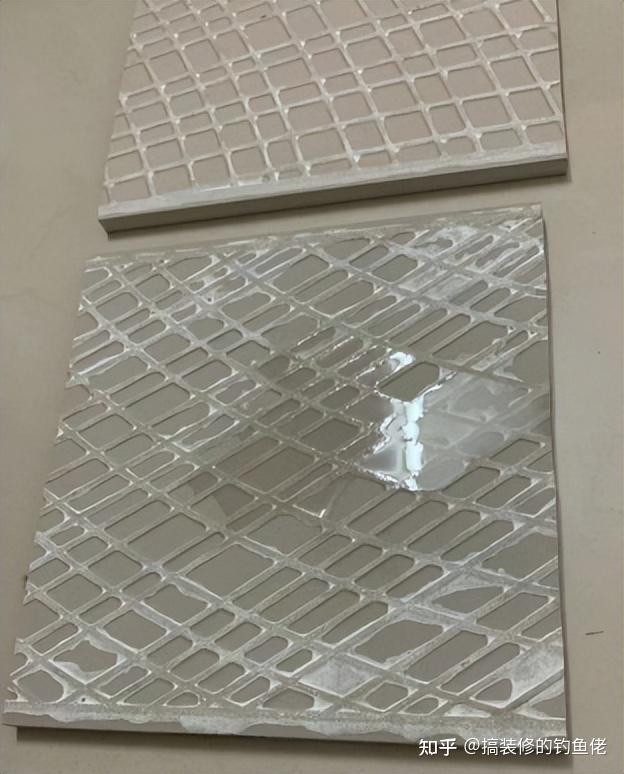
High-quality tiles feature a crystal-clear glaze with high gloss under light and no impurities. In contrast, lower-quality tiles have a dull glaze. Test water absorption by dripping water on the back; a smaller diffusion area and longer drying time indicate lower water absorption and better quality.
image

2. Listen to the tile sound.

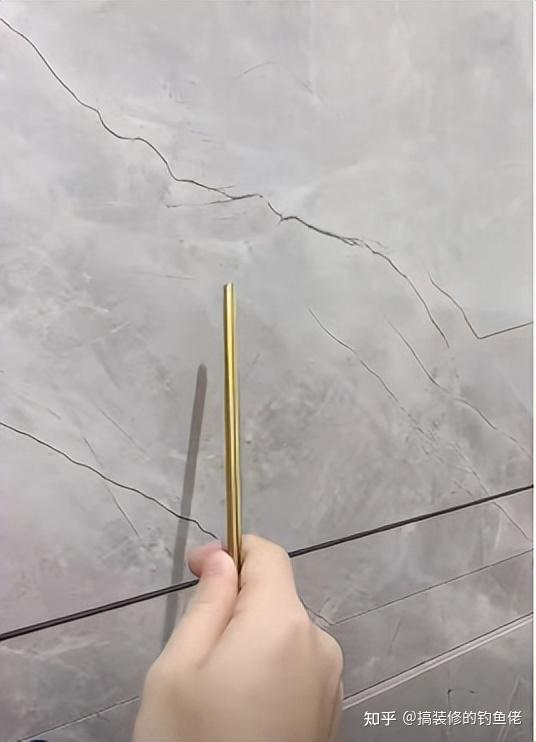
Hold the tile with one hand and tap the surface with the other; a clear, metallic sound indicates high density and quality. Poor-quality tiles produce a dull sound due to lower density.
image

3. Weigh the tile.

High-quality tiles have greater density and feel heavier. Compare similar products by hand; heavier tiles generally indicate better quality.
image

4. Measure the tile dimensions.

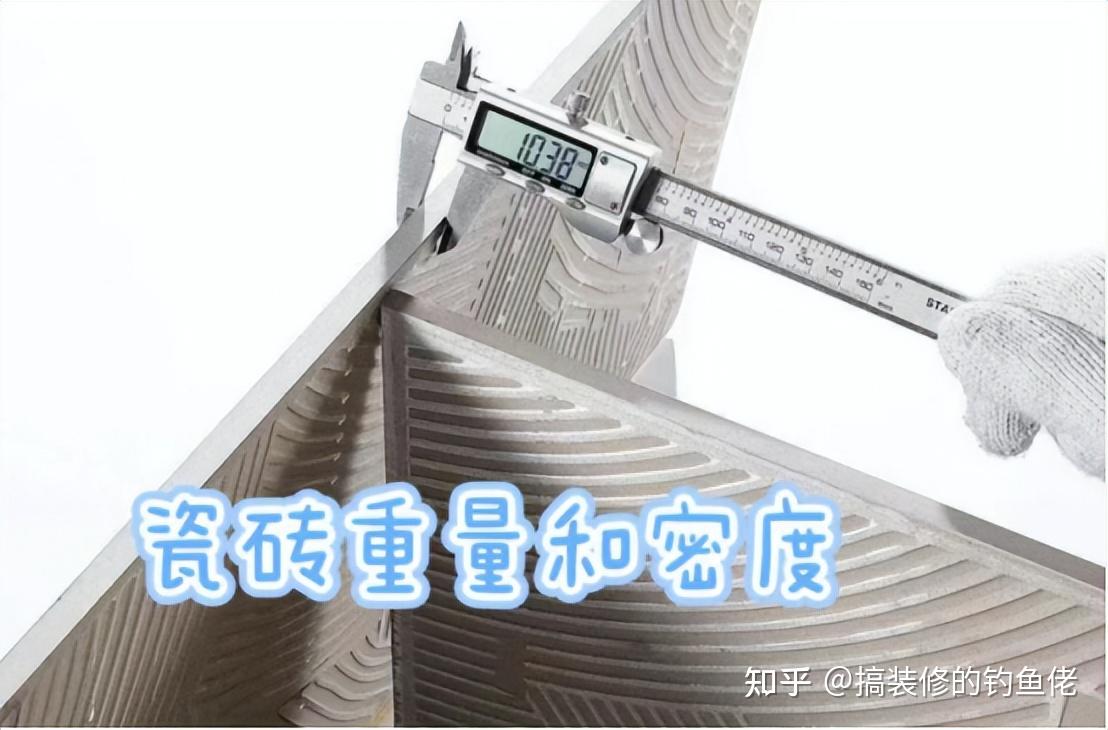
Tiles with precise edges ensure easier installation and save materials. Use a tape measure to check for variations in size; higher accuracy signifies superior quality.
image

5. Feel the tile flatness.

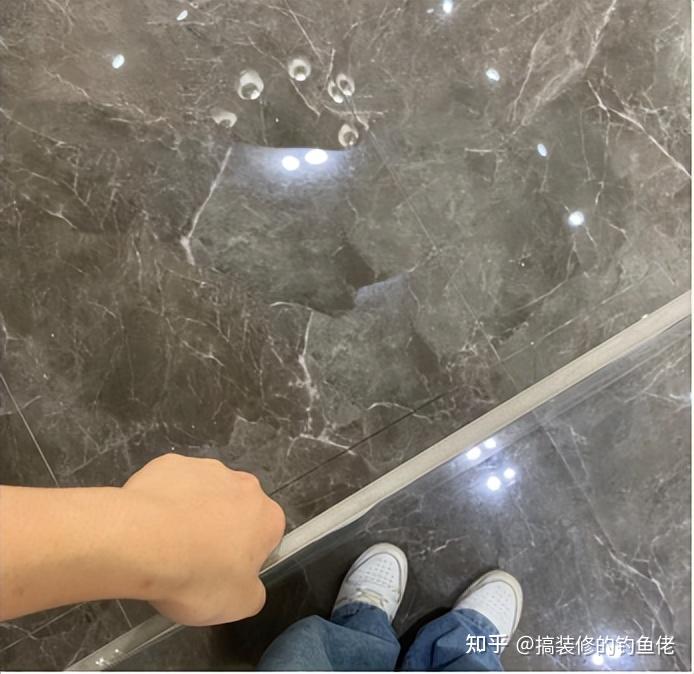
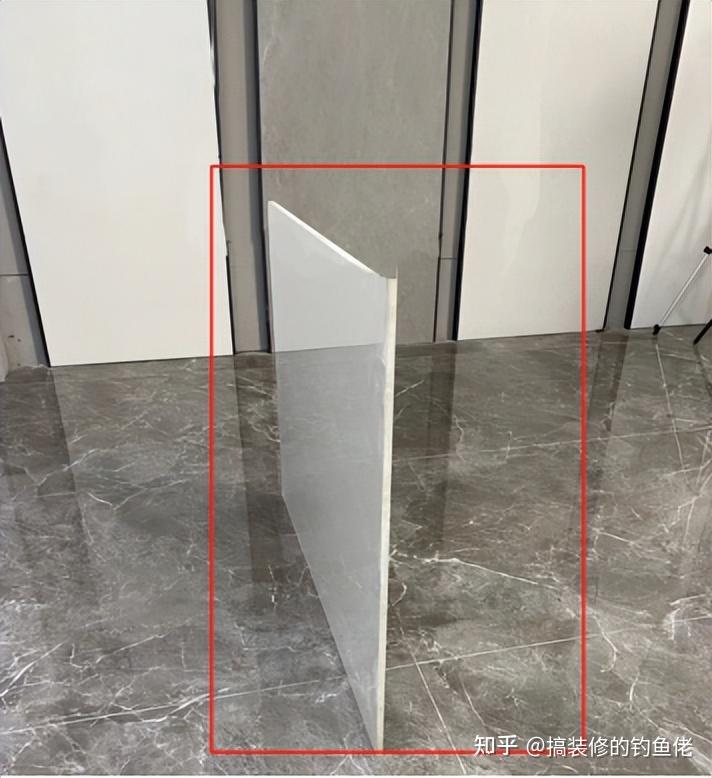
Arrange four identical tiles with matching patterns on a flat surface and run your hand over the seams. No noticeable unevenness indicates good flatness, which is crucial for a smooth finish and safety, as uneven tiles can cause tripping hazards.
image

How to Check Tile Quality: A Complete Guide to Inspecting Ceramic Tiles for Defects, Sound, Water Resistance, and Durability Tests
  1. Look: Check the tile for uniform color, surface smoothness, color differences, edges, deformation, and other defects.
  2. Tap: Gently strike the tile with a hard object; the clearer the sound, the higher the vitrification.
  3. Drip water: Drop water on the back of the tile; if it spreads, the quality is poor. Check for any damage.
  4. Measure: Use a tape measure to check for size differences around each tile; high precision indicates superior quality.
  5. Scratch: Use an ordinary knife to forcefully scratch the tile surface; if no marks are left, it has good wear resistance.
  6. Drop: As the name implies, check for any damage by dropping it.
  7. Weigh: Thicker tiles are better because they have higher density.
Complete Guide to Choosing and Buying Tiles: Expert Tips on Quality Inspection, Water Absorption, and Alignment for Home Renovation and Decoration Projects

Tiles are increasingly becoming the top choice for home decoration, and selecting the right tiles is a key consideration for every renovator. Here are some simple and effective methods to choose tiles effortlessly.

There are two main channels for purchasing tiles: online and in physical stores. It is recommended to visit physical stores to see products in person, avoid color discrepancies, and directly communicate with staff about tile details or after-sales support. Additionally, compare multiple stores and brands to find the best fit for your home.

imageimage

What types of tiles are generally suitable for home decoration?

Check the quality inspection report: Always request a recent quality certification from the merchant, ideally issued within the last six months and marked as qualified.

Inspect the tile surface: Look for defects like black spots, cracks, scratches, or chipped edges, and verify that the base has a clear product logo. Compare multiple tiles of the same type to check for color variations and ensure consistent dimensions.

Test water absorption: Place water droplets on the tile’s back—slower absorption indicates higher density and better quality, while faster absorption may suggest inferior tiles.

Evaluate tile alignment: Randomly select four tiles of the same size, arrange them together, and check for even joints. Good flatness and minimal gaps across directions signify high-quality tiles.

We are a very complete car parts, 95% of the basic accessories can be found

×
WhatsApp WhatsApp contact me online