• 0

    No products in the cart.

Expert Guide to Exterior Wall Leakage Repair: Waterproofing Solutions for Residential Buildings and Property Maintenance Tips

One question a day, today answering yours.

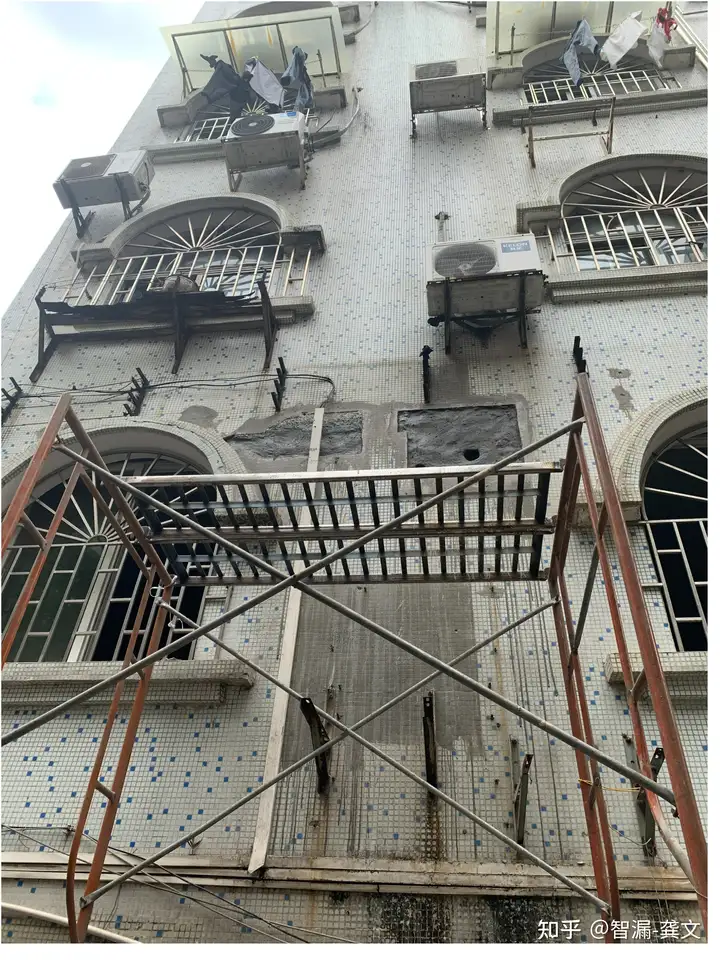
Exterior wall leakage can be effectively addressed by demolishing and redoing waterproofing, but in community residential buildings, property management may only take responsibility for safety issues like loose tiles, not leaks. They might apply basic exterior waterproof coating superficially, especially for new homes under warranty, with little motivation for older properties.

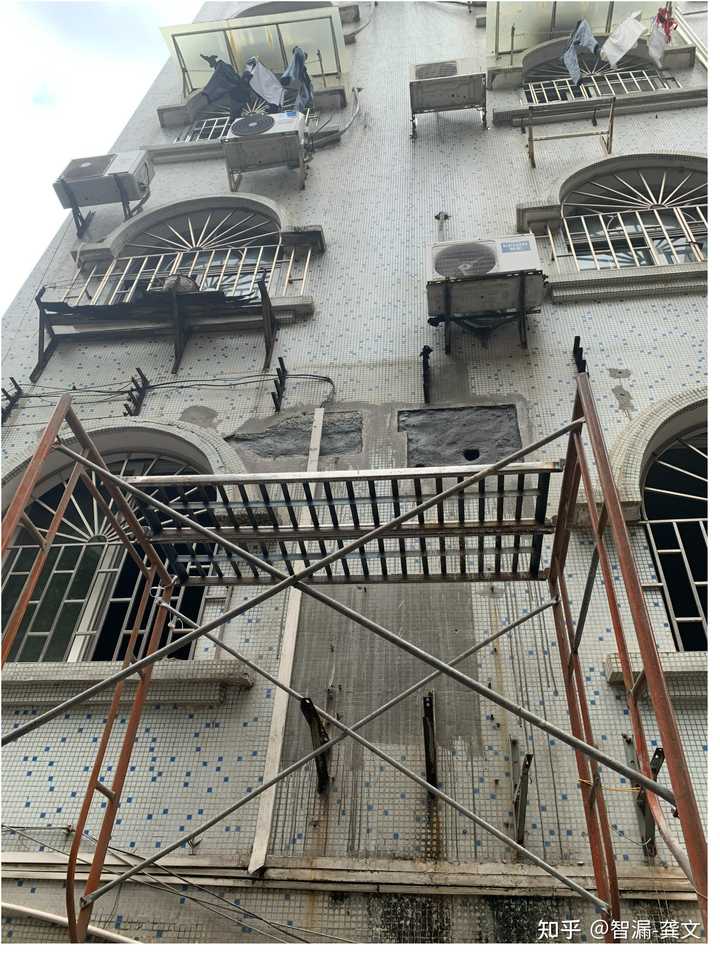
Your leakage is your concern—safety is shared, but life is personal. If property management ignores it, find your own solution. Avoid demolishing exterior walls due to safety risks. For homes on the third floor or lower, where scaffolding is feasible, consider demolition and redoing.

ImageImage

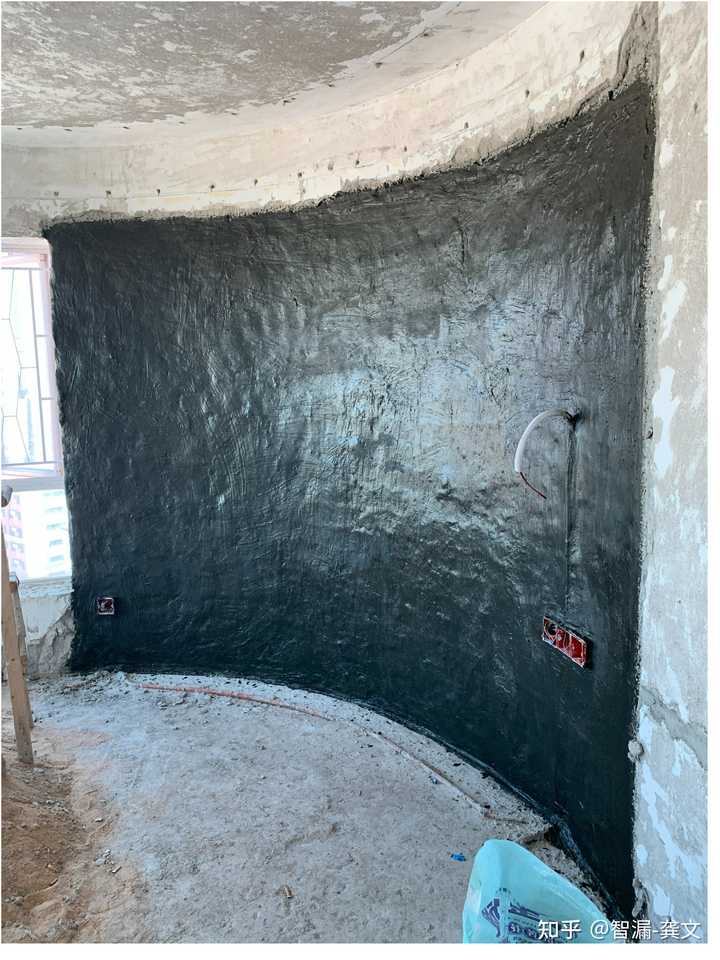
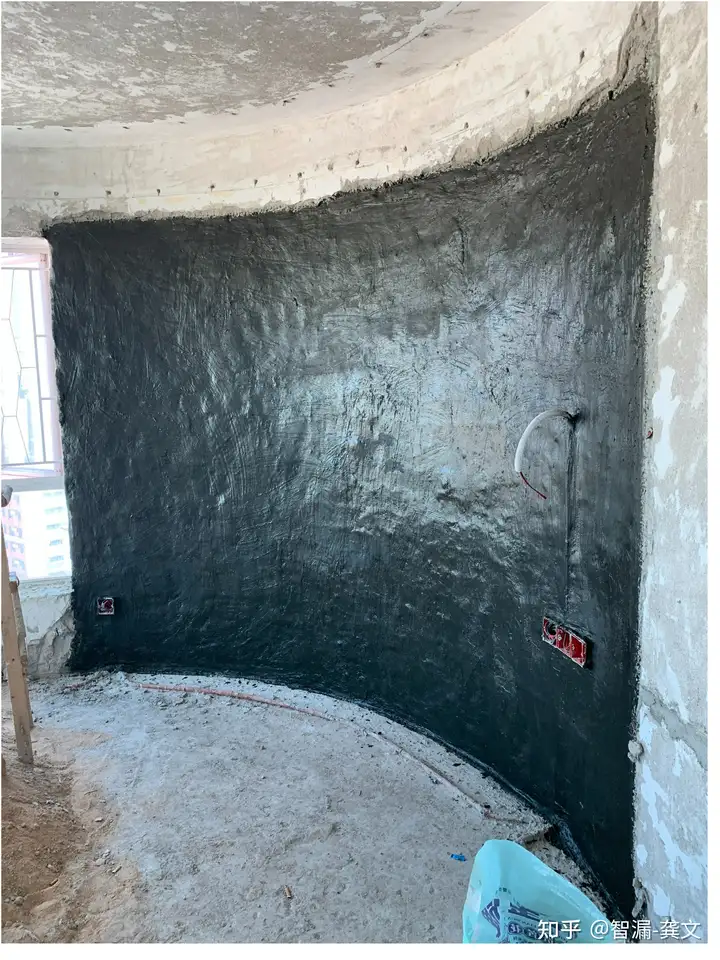
For higher floors, adopt a comprehensive approach: combine exterior and interior methods with rigid and flexible solutions. Externally, use rope-based high-altitude work to fill cracks and apply waterproof glue overall. Choose weather-resistant products and follow manufacturer instructions strictly—don’t skip coats if required.

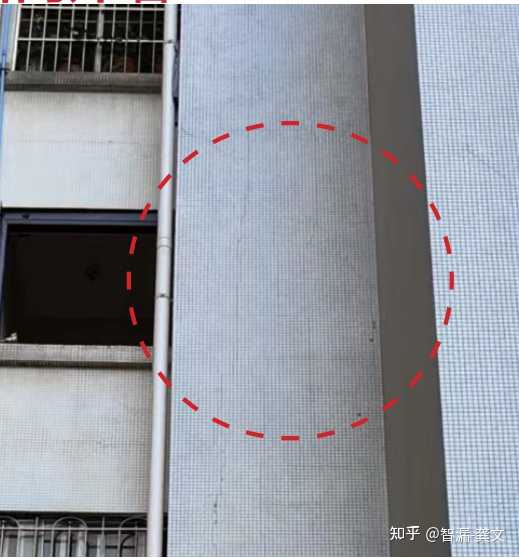
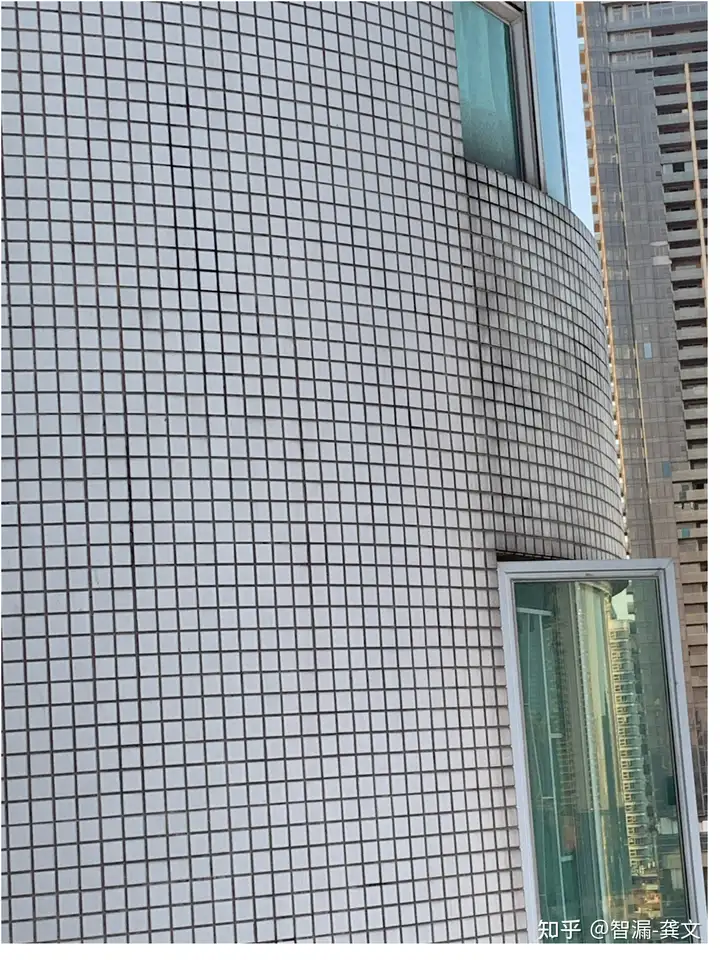
Internally, implement back-surface waterproofing as a backup. Why is this necessary? Even with exterior coating, water can seep from upper floors through cracks, as shown in images.

ImageImage

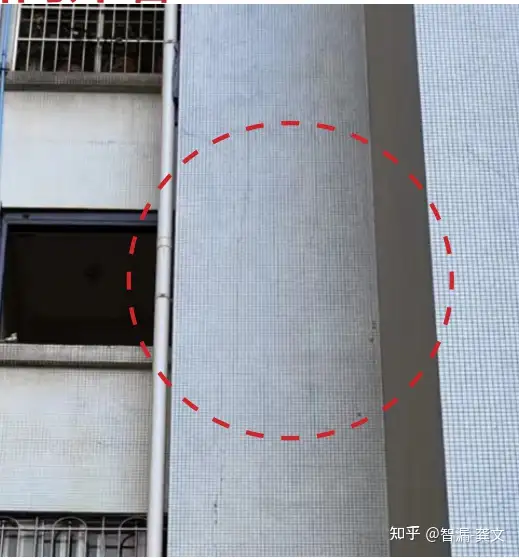
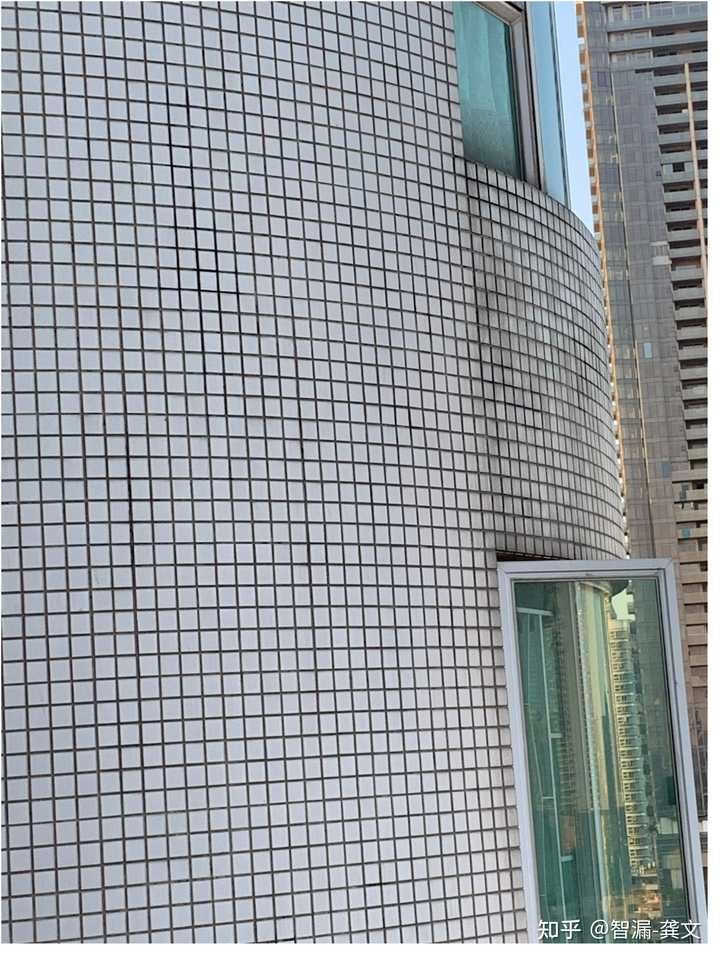
The circled area in the image corresponds to leakage points, revealing extensive cracks. Coating only your floor or a few above isn’t enough—water can infiltrate from higher levels. For tall buildings, full exterior coating isn’t practical, so interior waterproofing is essential. Exterior materials degrade over time, so rely on interior defenses against rainwater.

ImageImageImageImage

Note: For top-floor leaks with downward interior water trails, check the roof in addition to exterior walls. Leakage is complex; accurate diagnosis ensures effective solutions.

San Shu Gray King Kong Fun Forest Life Roof Leak Repair Waterproof Coating – Upgraded Weather Resistance for Effective Home Waterproofing and Leak Prevention in Self-Built Houses

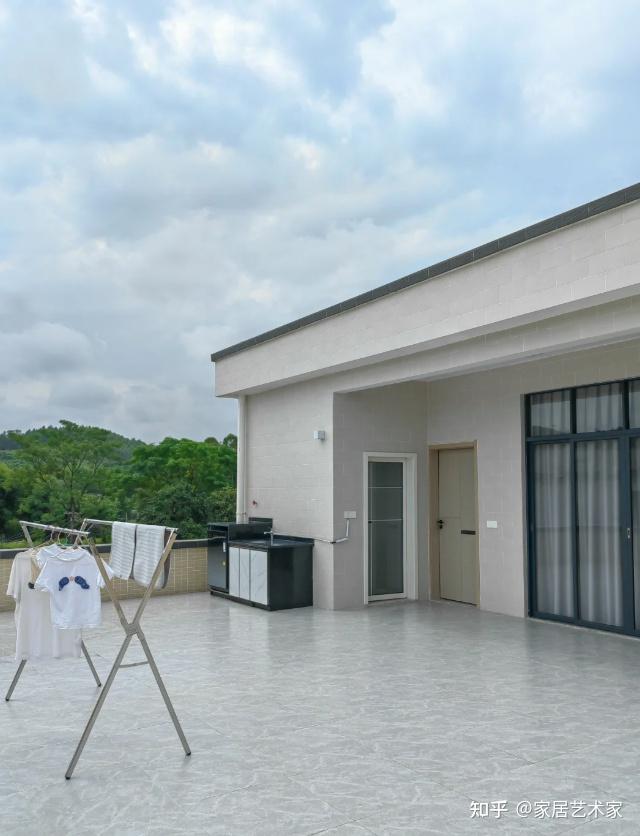
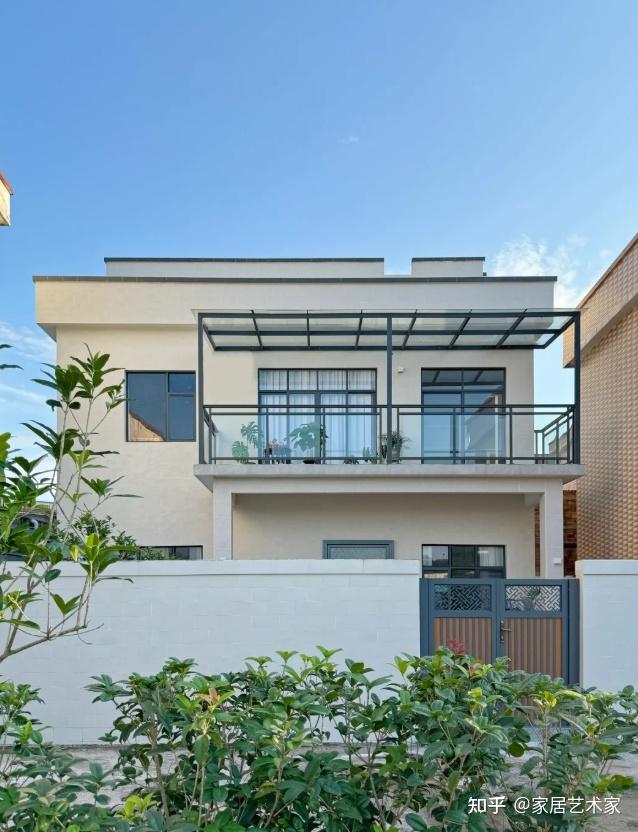
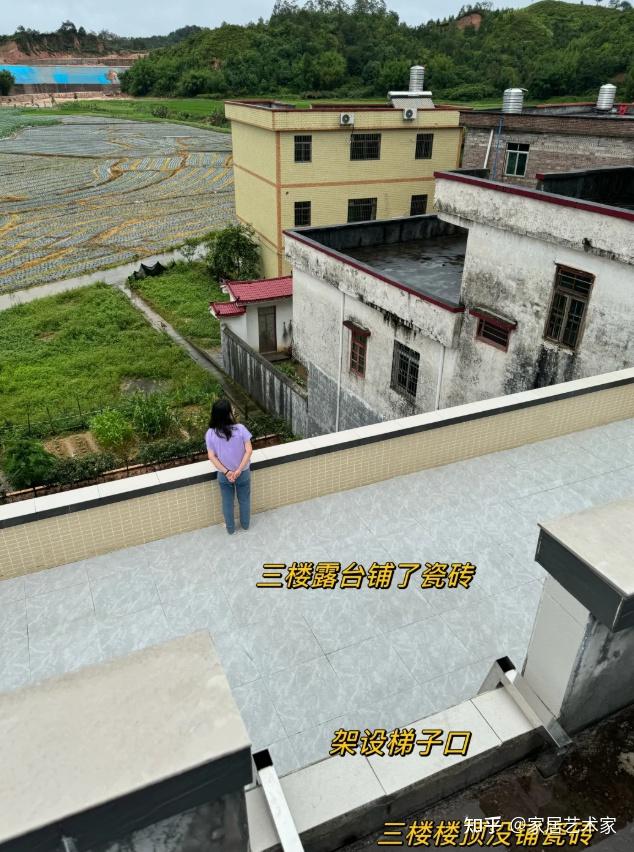
When I decided to build my own house in the countryside, I was full of joy planning my future home. Due to a limited budget, I didn’t hire a designer or a construction team. I designed it myself based on my living needs, and the construction workers were local villagers. Since I live in the county town, I could only supervise the construction once a month. For flat-roof buildings, waterproofing of the terrace and roof is particularly critical. However, this part let me down, and problems slowly emerged after moving in.

Image

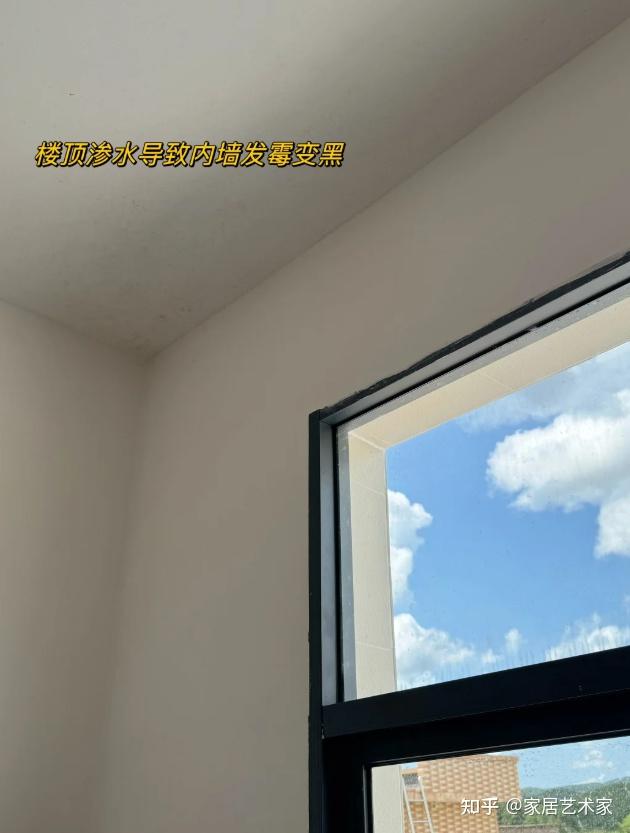
During the rainy season in Guangdong, some walls started to mold, especially on the third-floor ceiling where water leakage was evident. The house became unbearably humid. At that point, I realized there was an issue with the roof waterproofing construction. I started asking around and learning about various waterproofing materials, deciding to redo the waterproofing in leak-prone areas.

Image

This time, I chose San Shu’s Gray King Kong Fun Forest Life Roof Leak Repair Waterproof Coating with upgraded weather resistance. The customer service patiently explained the application steps, which were very simple—open the bucket and use it directly. I opted for roller application, saving time and effort, allowing me to complete it alone at home. Its durable weather resistance is ideal for places like Guangdong with long-term high temperatures and rain, as it doesn’t stick to feet or peel, making it reliable to use.

Image

Moreover, in rural areas with many self-built houses, it works on various bases like concrete, resin tiles, and derusted metal, with excellent adhesion.

Image

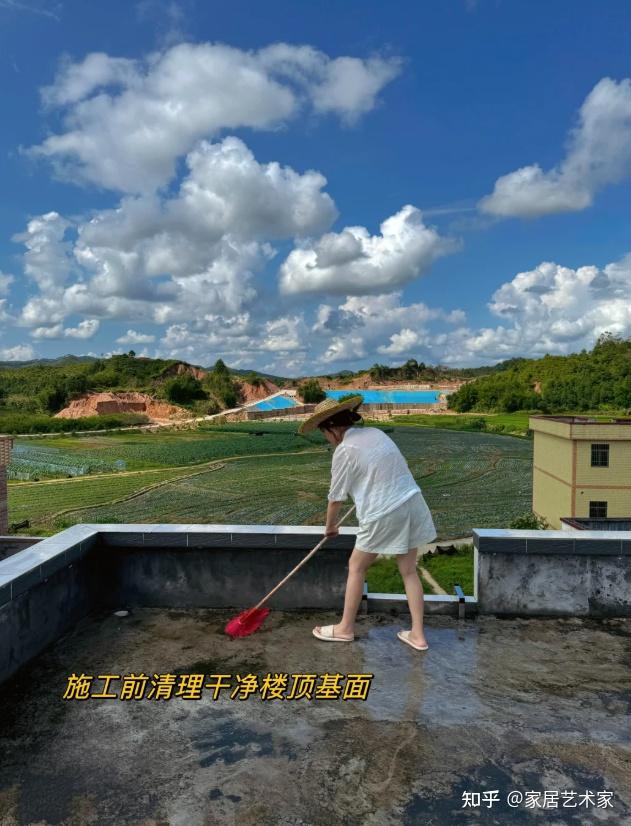
Before application, remember to clean the base surface to prevent peeling later. After the first coat, cover cracks with the provided polyester fabric and apply another coat. Wait 2-4 hours at room temperature for the second coat, and the waterproofing can be completed in about a day. After using it for a while, San Shu’s Gray King Kong effectively blocks water penetration. Now, my home no longer experiences dampness or mold. Even during the rainy season, I don’t worry about leakage issues anymore.

Image

Home Waterproofing Complete Guide: Essential Steps for Bathroom, Kitchen, Balcony, and Basement Leak Prevention in Renovation Projects

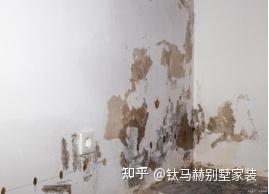
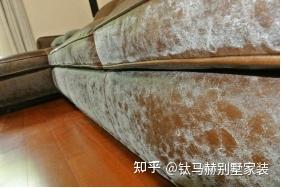
Waterproofing is one of the most critical hidden projects in home decoration. Properly executed waterproofing prevents issues like wall peeling and furniture mold.

imageimage

Different areas require specific waterproofing approaches during home renovation. Common zones include bathroom, kitchen, balcony, terrace, and basement.

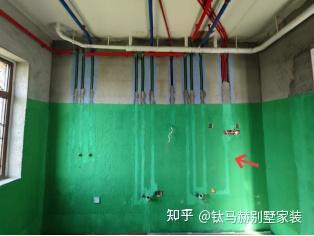
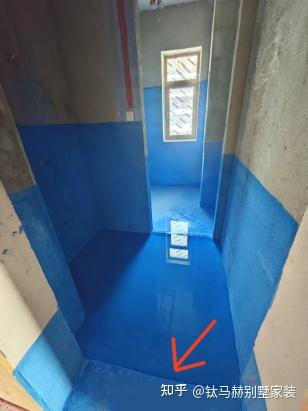
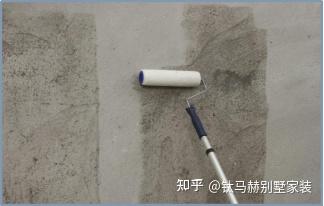
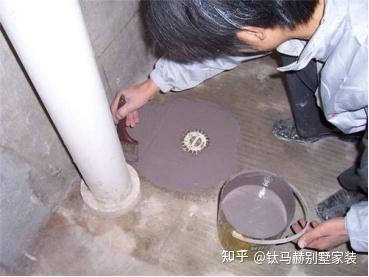
Key steps include: filling electrical and plumbing grooves with cement mortar, creating a waterproof barrier at doorways to prevent overflow, and wetting walls and floors before applying coatings to avoid absorption.

imageimageimage

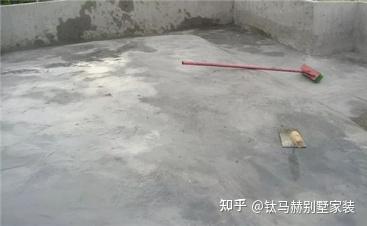
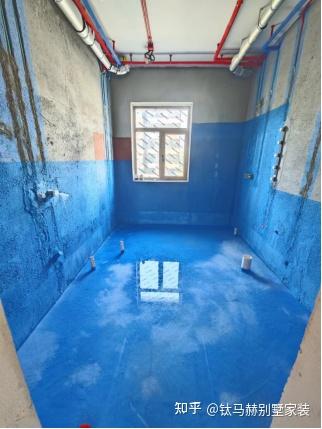
Waterproofing should be done after demolition and electrical work, without further damage to the layer. Steps involve: base leveling and cleaning, slope creation to avoid water accumulation, sealing corners and pipes with leak-stopping compounds, applying 2-3 coats of waterproof coating with drying intervals, and conducting a 48-hour water test with 2cm water depth to check for leaks.

imageimageimage

Application guidelines: full floor coating in kitchen, bathroom, and balcony; 300mm on kitchen walls and up to windowsill for sinks; 1200mm height and 1000mm width for basins; 1800mm height and 1200mm width in shower areas, with 900mm on adjacent walls at corners; and 1800mm if bathroom backs a wardrobe.

10 Essential DIY Home Renovation Materials to Avoid Common Pitfalls and Ensure Quality Control for a Hassle-Free Upgrade

When renovating your home, even if you choose a full-package service, there are certain renovation materials that you should purchase yourself. This is because decoration companies often seek profits from every building material, and more importantly, if low-quality materials are used improperly, the homeowner will inevitably face issues.

Additionally, some materials only reveal their problems after you move in. Therefore, this guide focuses on avoiding common pitfalls by summarizing 10 types of renovation materials that you should buy yourself to ensure quality and prevent unnecessary problems.
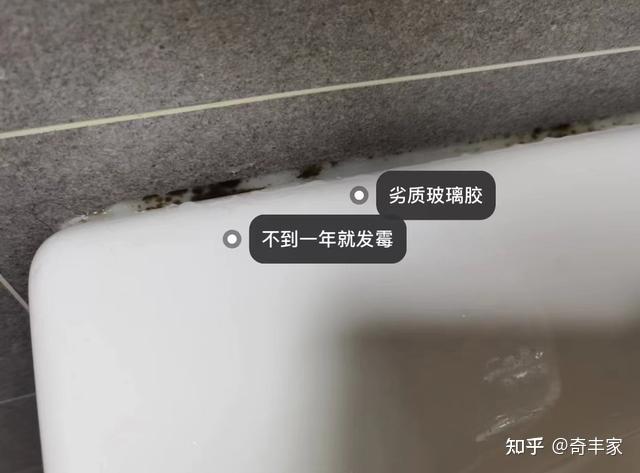
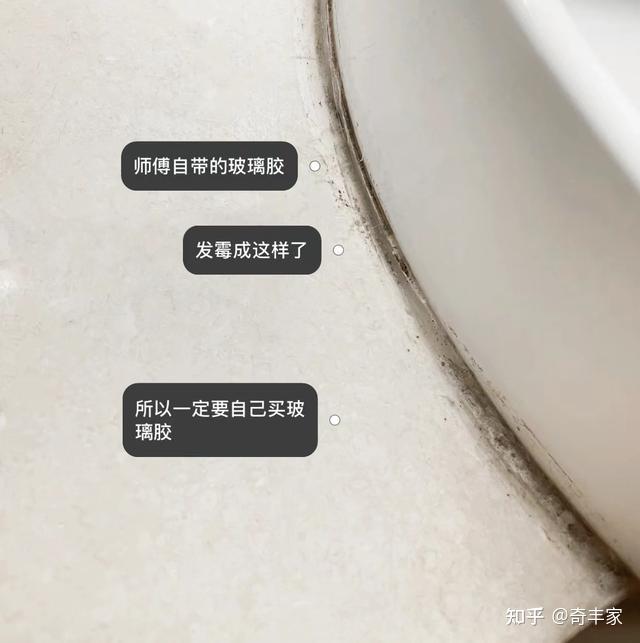
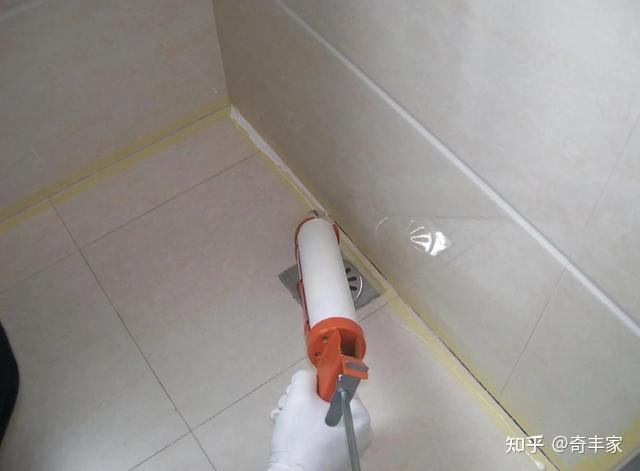
Silicone sealant application in bathroomClose-up of silicone sealant use

Many people might overlook silicone sealant, as it seems minor. However, experienced homeowners know it’s used in many areas: around washbasins, toilet bases, cabinets, baseboards, etc. For a 100-square-meter home, about 7-8 tubes are needed.

This isn’t a small amount! Beyond cost, its mold resistance and durability directly impact your living experience.
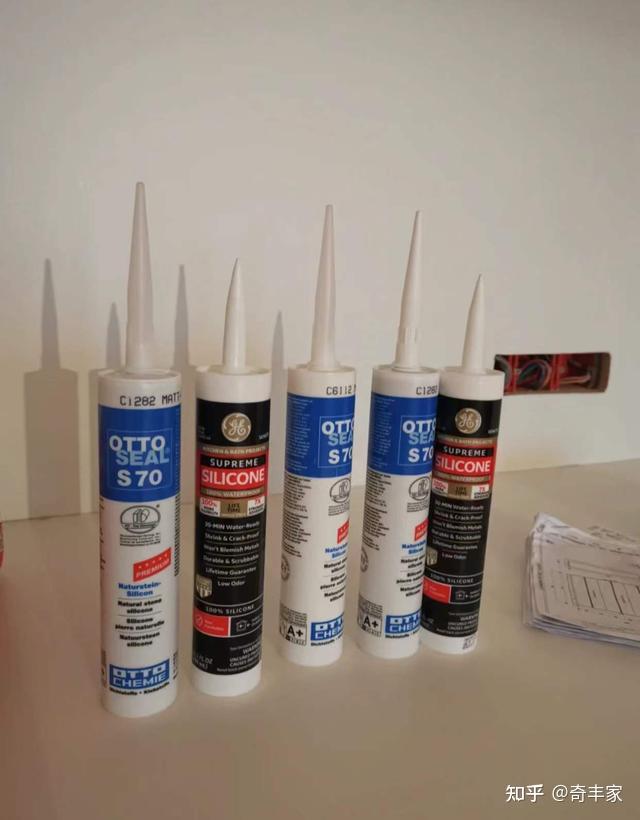
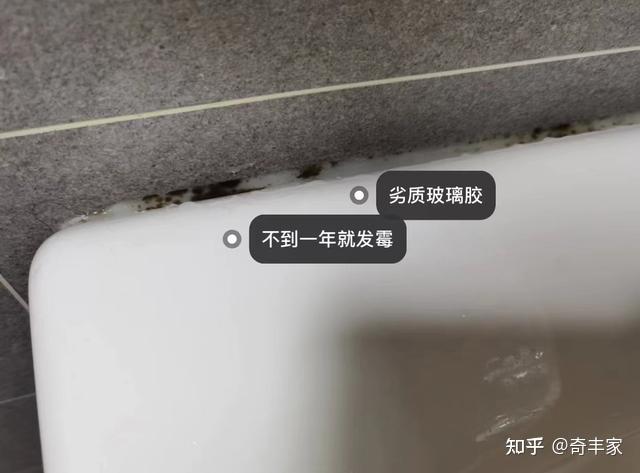
Mold growth on poor-quality silicone sealantDifficulty in cleaning moldy sealant

In practice, many workers bring silicone sealant without eco-certifications or mold resistance. These inferior products may not show issues initially, but over time, mold spots appear. Cleaning moldy sealant is tough, and redoing it adds extra costs, making it a hassle.
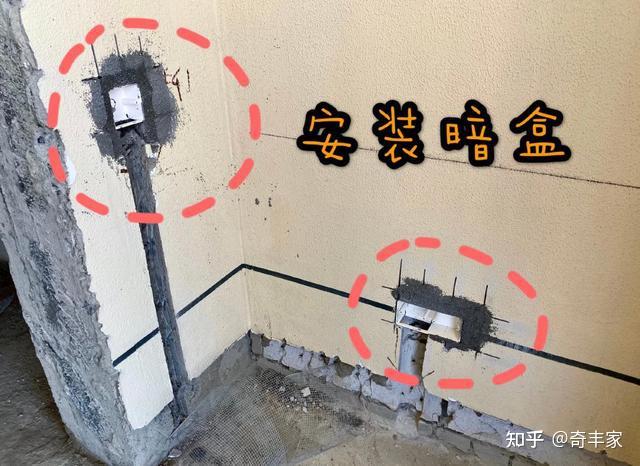
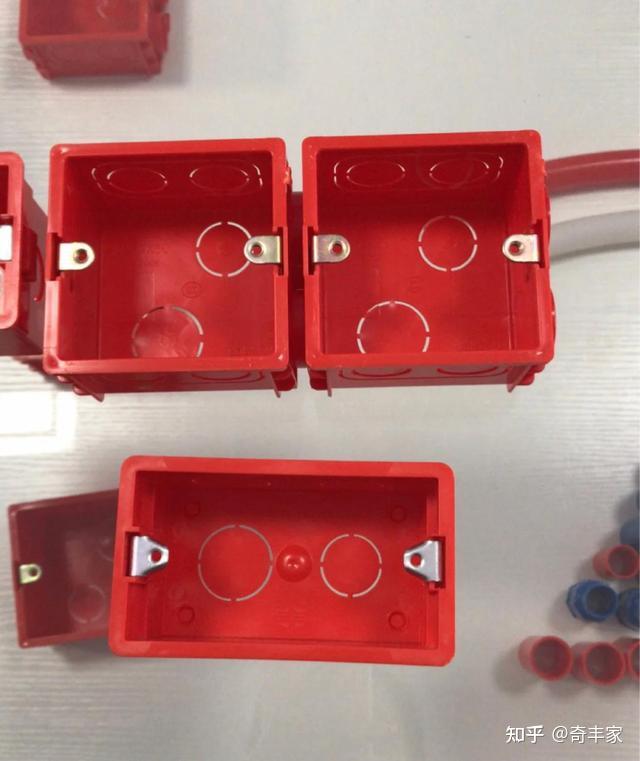
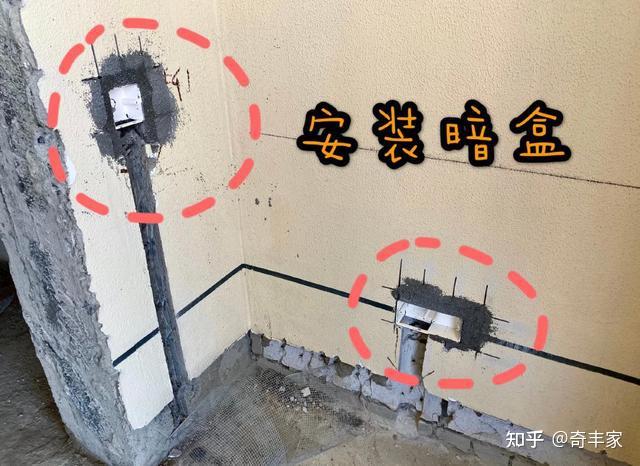
Electrical box hidden in wallInstallation of electrical boxes

Electrical boxes, though not a major material, are crucial as they’re hidden in walls and used for decades. They must be high-quality to avoid issues. During electrical work, many points need new boxes, so it’s essential to check the material and brand if provided by the company.
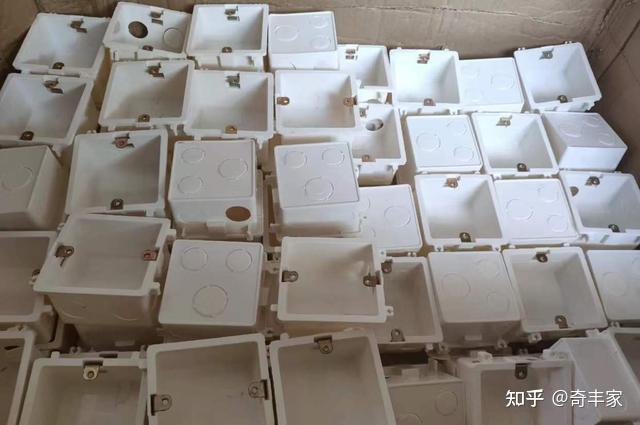
High-quality electrical box example

Buying them yourself ensures better control over quality, and they’re affordable for a whole house.
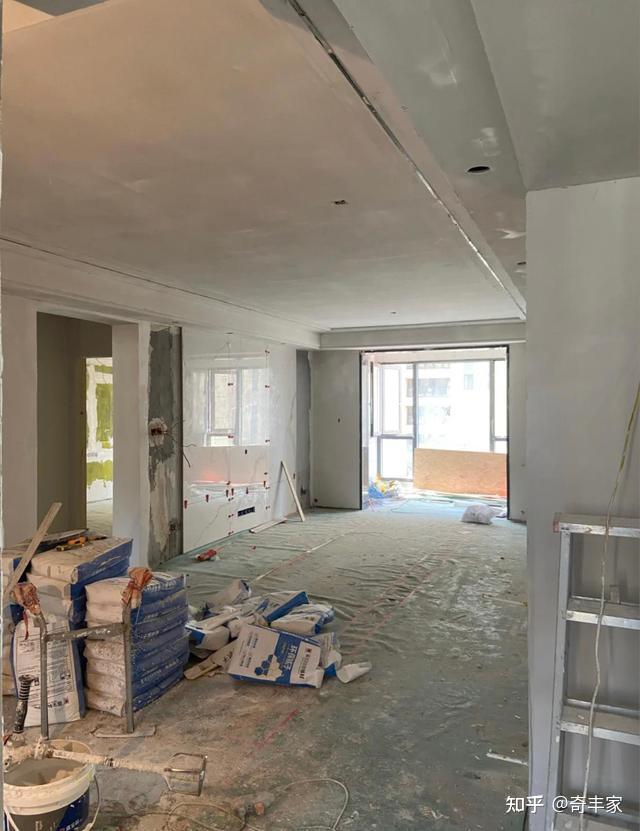
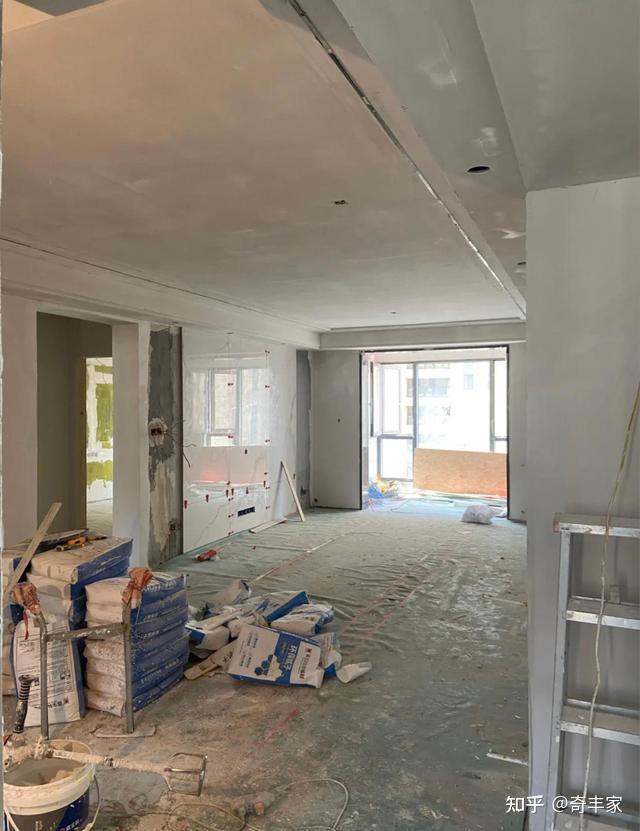
Putty powder for wall preparation

Wall finishing relies heavily on putty powder, with paint being secondary. Poor-quality putty can peel, mold, or pose environmental risks. It’s best to buy it yourself or verify the brand provided has certifications like the China Environmental Label (Ten Ring) and is waterproof and mold-resistant.

Also, ensure workers mix putty with water only, not glue, as glue can release formaldehyde.
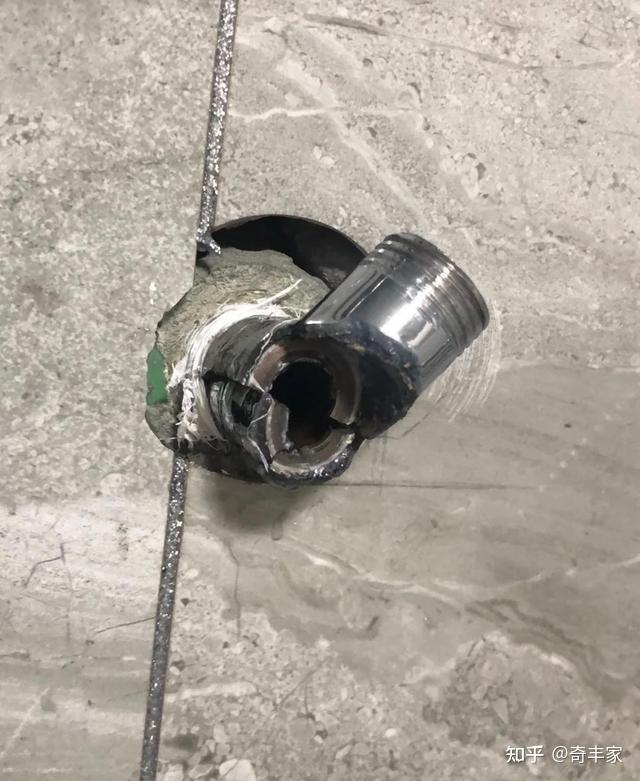
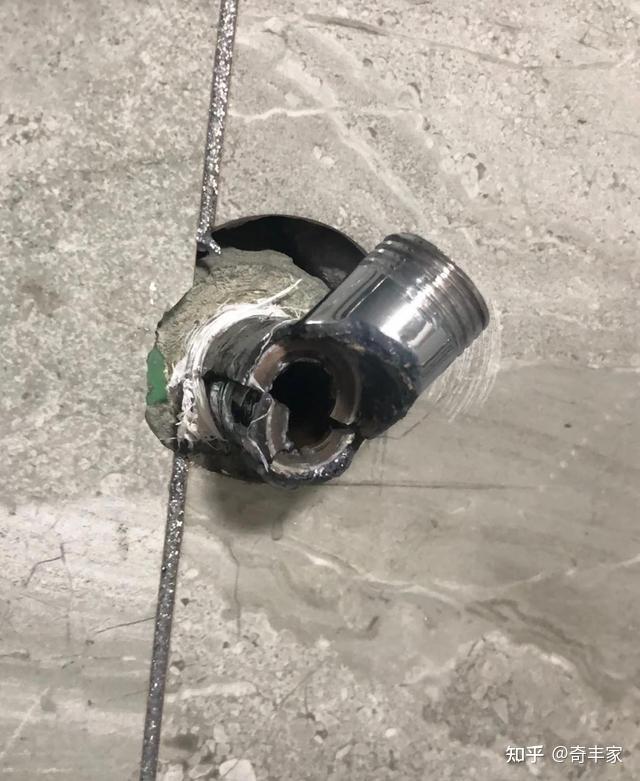
Angle valve installation issue

Have you experienced an angle valve breaking inside the wall during faucet installation? That’s due to poor quality! Angle valves are hidden fittings installed in walls, and if low-quality, problems emerge later.
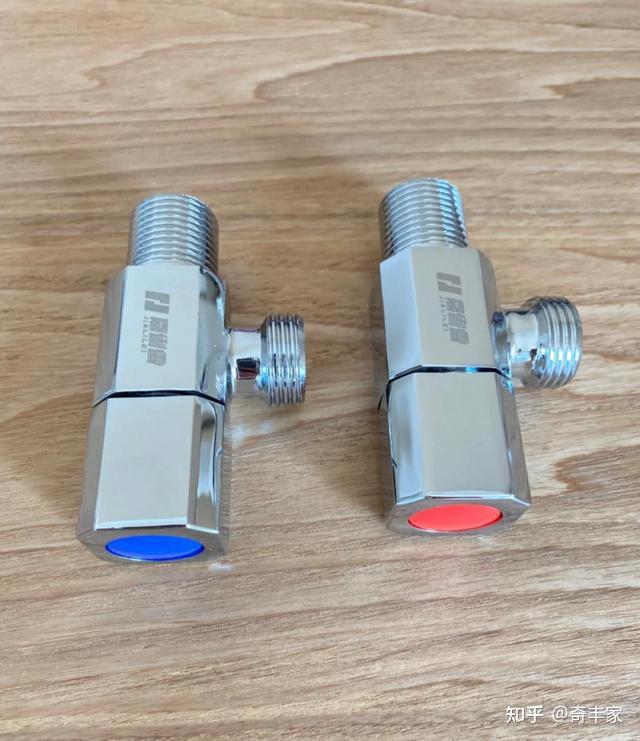
Durable angle valve example

So, always buy angle valves yourself rather than using the worker’s. A high-quality one, as shown, can last decades without issues.
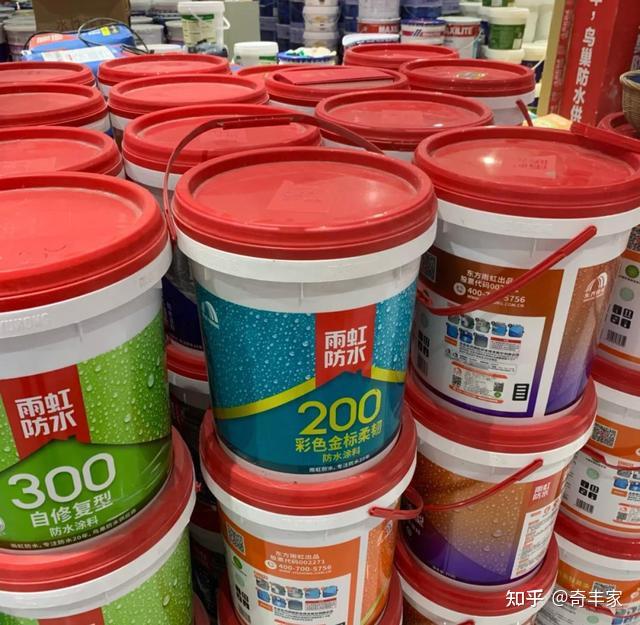
Waterproof coating application

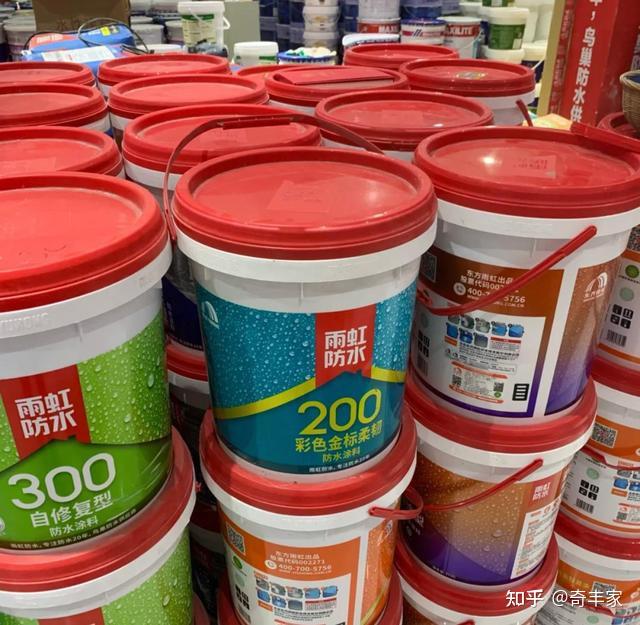
For full-package renovations, waterproof coating is often handled by the company, but don’t take it lightly. Poor-quality coating can cause major troubles, like leaks.
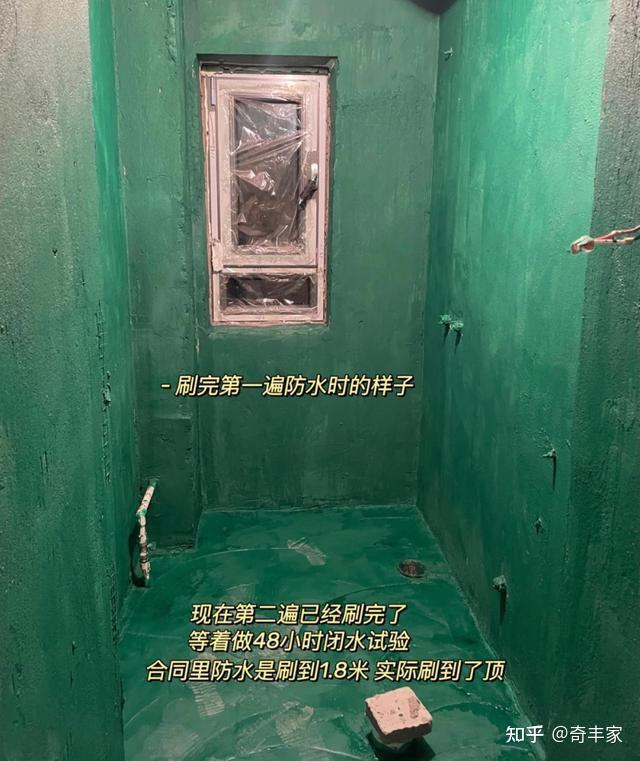
Improper waterproofing technique

Also, monitor the application: some workers rush, applying second coats before the first dries or skipping layers to save time. In bathrooms, the wet area should have a coating height of 1.8 meters; insufficient height leads to leaks.

Floor drain in bathroom

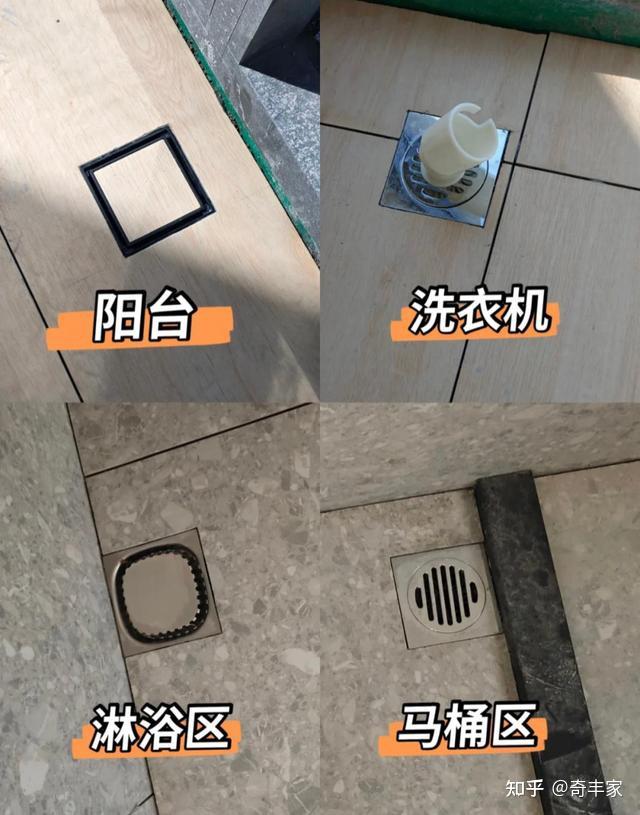
Whether in bathrooms or balconies, floor drain quality is key. Features like rust resistance, anti-odor, and fast drainage affect daily life. Many company-specified drains don’t meet standards or perform poorly, so insist on high-quality ones or buy them yourself.
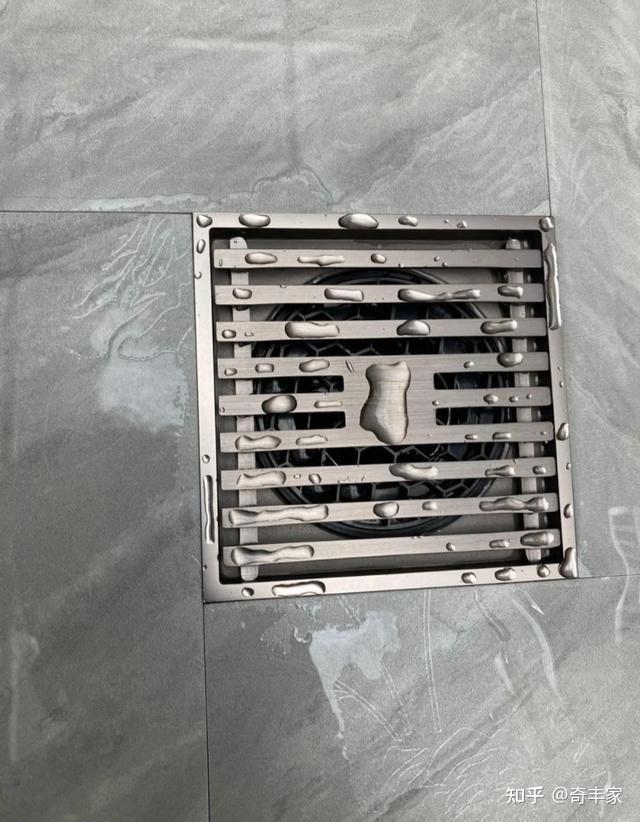
Premium floor drain design

Especially in bathroom wet areas, choose anti-odor and rust-resistant brand products. Cheap drains cost around ten dollars but perform poorly; investing in good ones, like my 700-800 yuan set, ensures no problems.
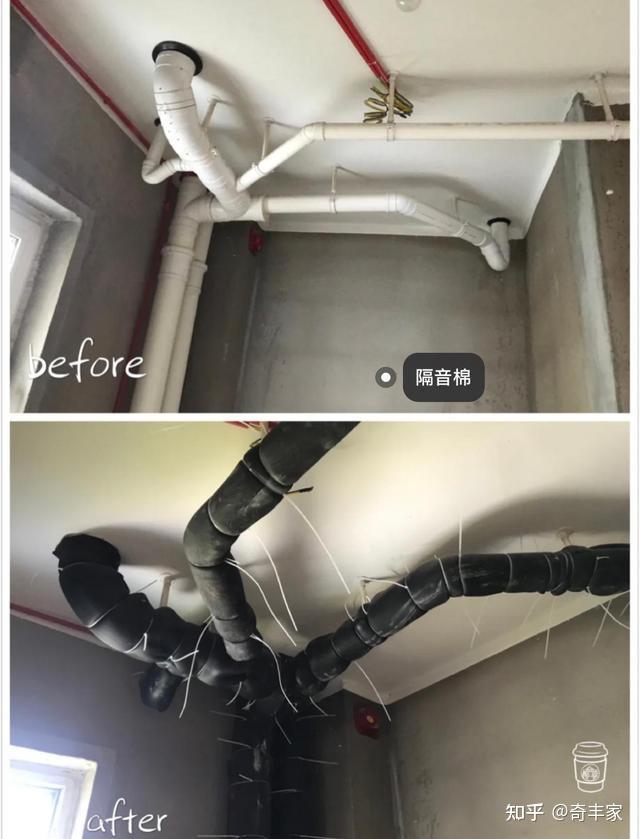
Sound insulation cotton for pipes

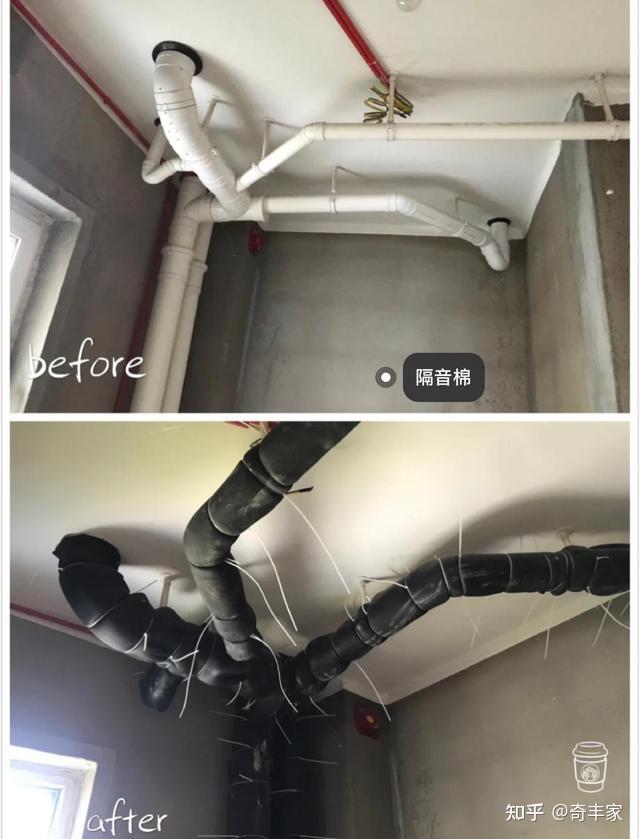
Sound insulation cotton’s effectiveness is only known after neighbors move in. Check the thickness and performance of company-provided cotton; otherwise, wrapping pipes with inferior material is useless.

For better soundproofing, add damping sheets in bathrooms—damping sheets plus insulation cotton work best. In kitchens, insulation cotton alone suffices.
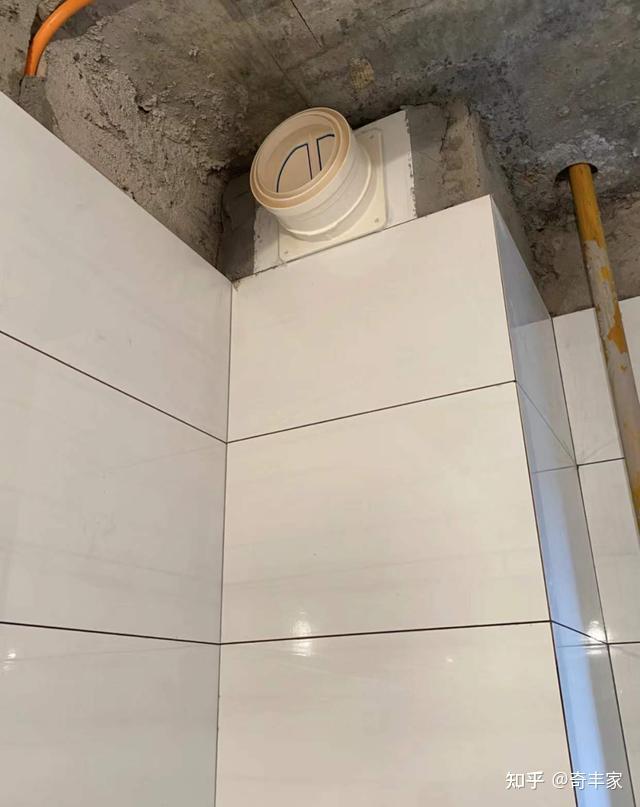
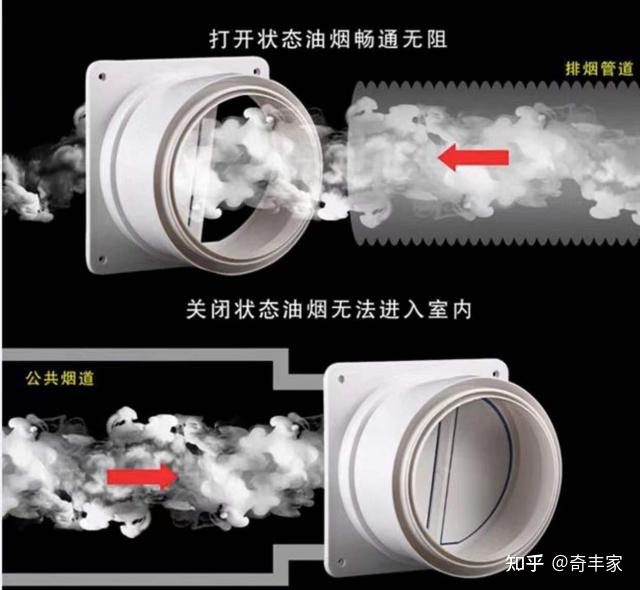
Range hood check valve installationInternal mechanism of check valve

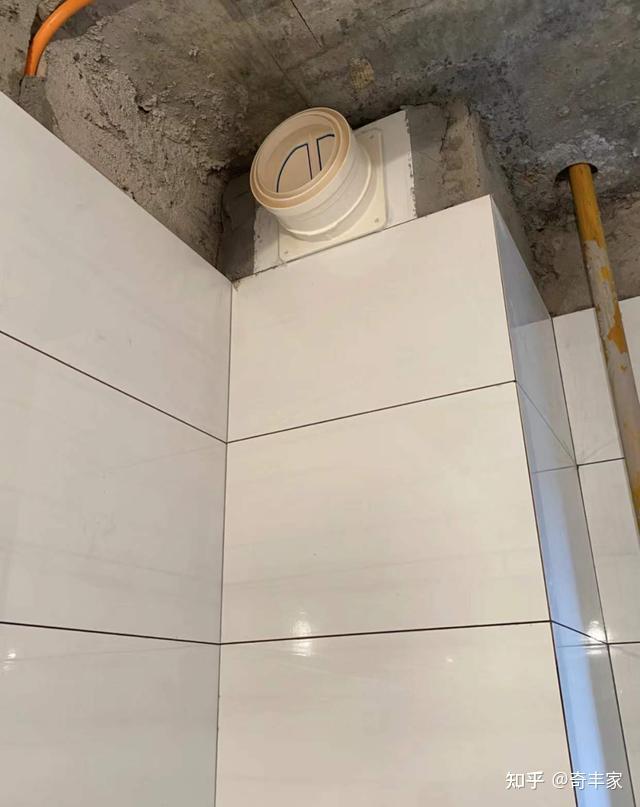
Before kitchen ceiling work, buy a range hood check valve. Without it or with a low-quality one, your home will smell neighbors’ cooking. The valve has a small flap that opens to vent smoke into the shared duct and closes to prevent backflow. It’s a must-have, so choose a high-quality product!
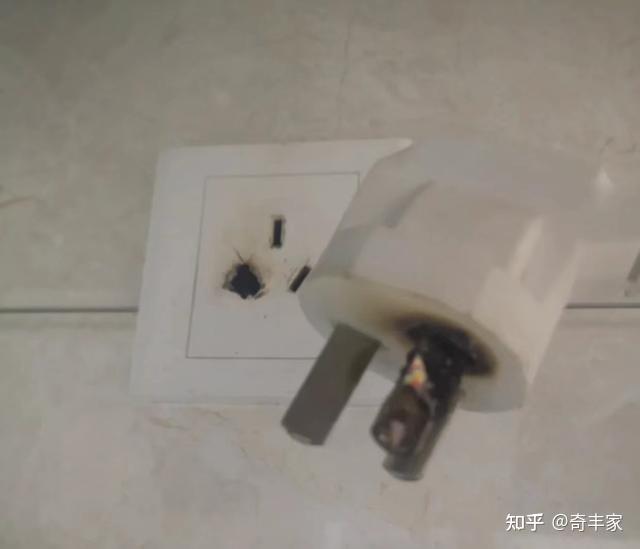
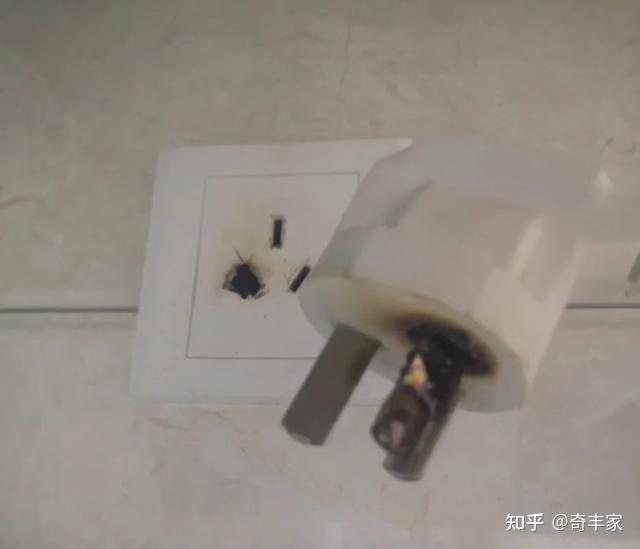
Switches and sockets safety

Most companies list switch and socket brands, so it’s generally safe. However, small firms may offer free, low-quality products as gifts, which pose safety hazards. Since these affect life safety, ensure quality by verifying brands or buying them yourself to avoid risks.
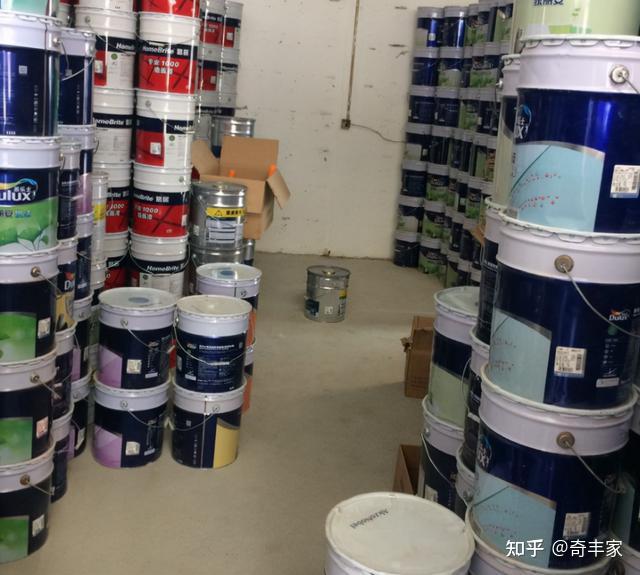
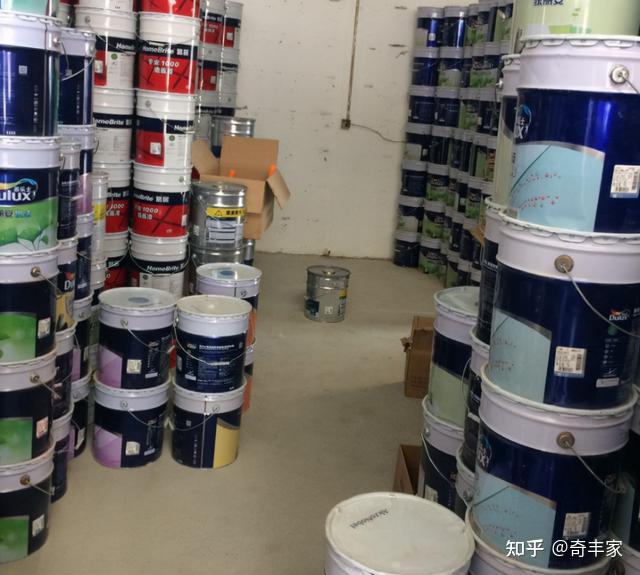
Latex paint varieties and quality

Latex paint prices vary widely, from tens to hundreds per bucket. Without attention, workers might use inferior or counterfeit products. Popular colors like Space Walk, Gray Blue, Brown Coral, and Milk Coffee have many versions with differing quality.

So, prioritize paint quality: opt for eco-friendly grades above E1, smooth texture, mold resistance, and strong coverage for a superior finish.

Top 10 Essential DIY Renovation Materials: Avoid Common Home Decoration Pitfalls by Purchasing Quality Items Yourself for Long-Term Satisfaction

When renovating your home, even with full-package services, it’s crucial to purchase certain materials yourself to avoid quality issues and common pitfalls. Decoration companies often prioritize profits, which can lead to the use of substandard products. This guide highlights 10 essential renovation materials that homeowners should buy to ensure durability, safety, and a better living experience.

Silicone Sealant

1. Silicone Sealant: Used in areas like sinks, toilets, and cabinets, it must be mildew-resistant and durable. Low-quality sealants can cause mold growth and require costly repairs.

Electrical Junction Box

2. Electrical Junction Box: Hidden in walls, it’s essential for safety and longevity. Ensure it’s made of high-quality materials to prevent electrical hazards.

Wall Putty

3. Wall Putty: Critical for smooth surfaces, it should be eco-certified and waterproof. Avoid products with added glue to reduce formaldehyde risks.

Angle Valve

4. Angle Valve: Installed in walls for faucets, it must be corrosion-resistant. Poor-quality valves can break and cause leaks.

Waterproof Coating

5. Waterproof Coating: Vital for wet areas, it should be applied correctly with proper drying time. Substandard coatings lead to moisture damage and leaks.

Drain

6. Drain: Choose rust-proof and anti-odor models for bathrooms and balconies. Low-quality drains cause slow drainage and unpleasant smells.

Soundproof Cotton

7. Soundproof Cotton: Used on pipes to reduce noise, it should be thick and effective. Combine with damping sheets for better performance in bathrooms.

Range Hood Damper

8. Range Hood Damper: Prevents cooking odors from entering your kitchen. Install a high-quality damper to avoid cross-contamination from neighbors.

Switches and Sockets

9. Switches and Sockets: Essential for safety, they must meet quality standards to prevent electrical fires and ensure reliability.

Latex Paint

10. Latex Paint: Opt for eco-friendly, mold-resistant, and smooth-finish options. Avoid counterfeit products to maintain air quality and aesthetics.

We are a very complete car parts, 95% of the basic accessories can be found

×
WhatsApp WhatsApp contact me online