• 0

    No products in the cart.

Complete Bathroom Waterproofing Guide for Unfilled, Post-Backfilling, and Renovation Scenarios with Flexible and Rigid Materials and Leak Prevention Tips

Waterproofing the bathroom is a critical task in home renovation projects.

However, bathroom waterproofing methods vary depending on the specific situation: unfilled bathrooms, post-backfilling bathrooms, and bathroom renovations in old houses.

For unfilled bathrooms, waterproofing must be applied before backfilling. The waterproofing materials used can be either rigid or flexible types. Before application, it is essential to apply a leak-sealing compound around drain pipes and to treat wall roots and corners thoroughly.

After waterproofing, conduct a 48-hour water test to ensure effectiveness. Once passed, use ceramic particles for backfilling—avoid construction debris to prevent damage to the waterproofing layer and simplify future repairs.

After backfilling, apply another layer of waterproofing during the tiling phase by masons. This means unfilled bathrooms require two rounds of waterproofing. If underfloor heating is installed, use flexible waterproofing on the ground during the mason stage.

For bathrooms with underfloor heating, apply flexible waterproofing before installing the heating system, and again use leak-sealing compound around drain pipes beforehand.

During the mason phase, another round of waterproofing is needed, with the ground requiring flexible waterproofing. If no underfloor heating is present, a single layer of waterproofing suffices, and rigid waterproofing can be used.

For old house bathroom renovations, the process is unique because removing old tiles often damages the walls. Before waterproofing, the walls must be leveled with cement and sand mortar.

After leveling, the waterproofing process follows the standard steps for bathroom waterproofing.
Trusted Home Renovation Material Brands: PPR Pipes, PVC Conduits, Waterproofing, and Wires | Expert Guide for DIY and Professional Use

Renovation might seem straightforward—installing materials in their proper places—but it can be overwhelming with dozens of types of materials, making it easy to fall for scams. This guide recommends reliable brands for various renovation materials to help you make safe choices, whether you’re opting for a semi-packaged renovation or self-installation.

Image

For water supply pipes, trusted brands include: Weixing, Rifeng, Liansu, Jinniu, Zhongcai, and Baoli. Use PPR pipes with a diameter of 25 for optimal flow, as they are corrosion-resistant and prevent scale and bacteria buildup. Avoid gimmicks like nano-antibacterial pipes. Hot water pipes are recommended for stronger welding. Weixing is pricier but offers higher quality.

For drainage pipes, Liansu is the top choice due to its affordability and reliability in PVC materials.

Pipe materials should arrive with the electrician or by the second day of work.

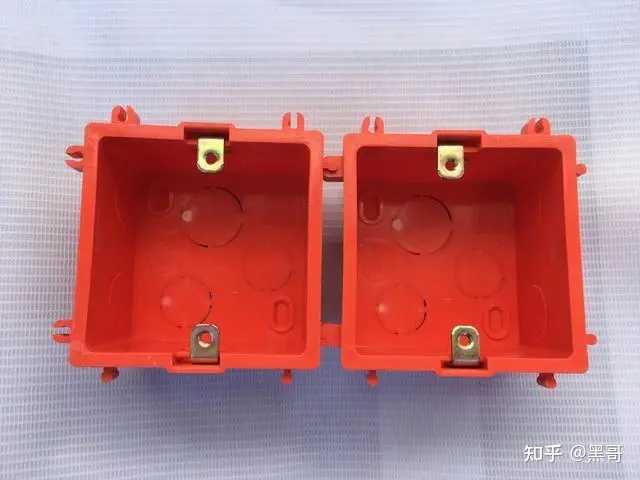
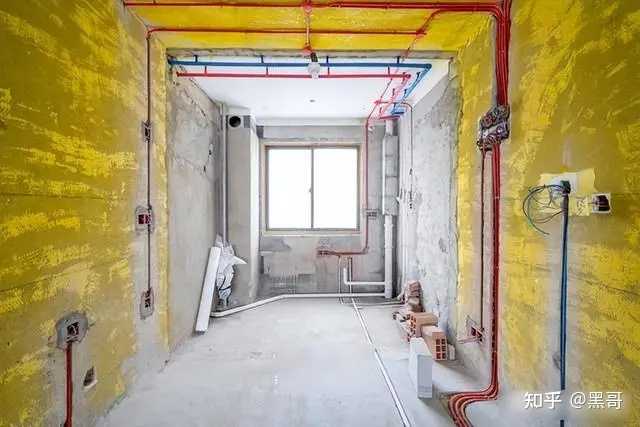
For conduit pipes and junction boxes, reliable brands are: Liansu, Rifeng, Jinniu, Zhongcai, Jinde, Weixing, Gongyuan, Baoli, Hongyan, and Longsheng. Use PVC conduits, typically 16mm diameter, with red for power and blue for weak current. Spliced base boxes ensure consistent gaps for switches and sockets. Weixing conduits are preferred for visibility during inspections.

Image

Choose PVC materials with good flexibility and flame retardancy. Conduits should be purchased along with water pipes.

For bathroom waterproofing, trusted brands include: Kale, Yuhong, Degao, Keshen, Skshu, Zhuoba Xika, and Mabe. Use flexible waterproofing for floors and rigid for walls, applying up to 1.8m height in shower areas. The process involves two coats of waterproof paint, extra layers at drains and pipes, and a polypropylene layer for protection. Waterproofing must be completed before tiling, with a 24-hour water test to ensure no leaks.

For electrical wires, brands vary by region, such as Lvdu and Zhengzhou Sanchang. Others include Yuandong, Panda, Shangshang, Tebian Dian Gong, and Jiangnan. Ensure CCC certification and use flame-retardant wires: 4 sq mm for kitchens, bathrooms, and ACs, 2.5 sq mm for other areas, and 1.5 sq mm for ground wires. Follow manufacturer guidelines for special appliances like central AC or instant water heaters.

We are a very complete car parts, 95% of the basic accessories can be found

×
WhatsApp WhatsApp contact me online